DogBreedCompass
← Back to breed profile

Understanding Rottweiler Autoimmune Diseases

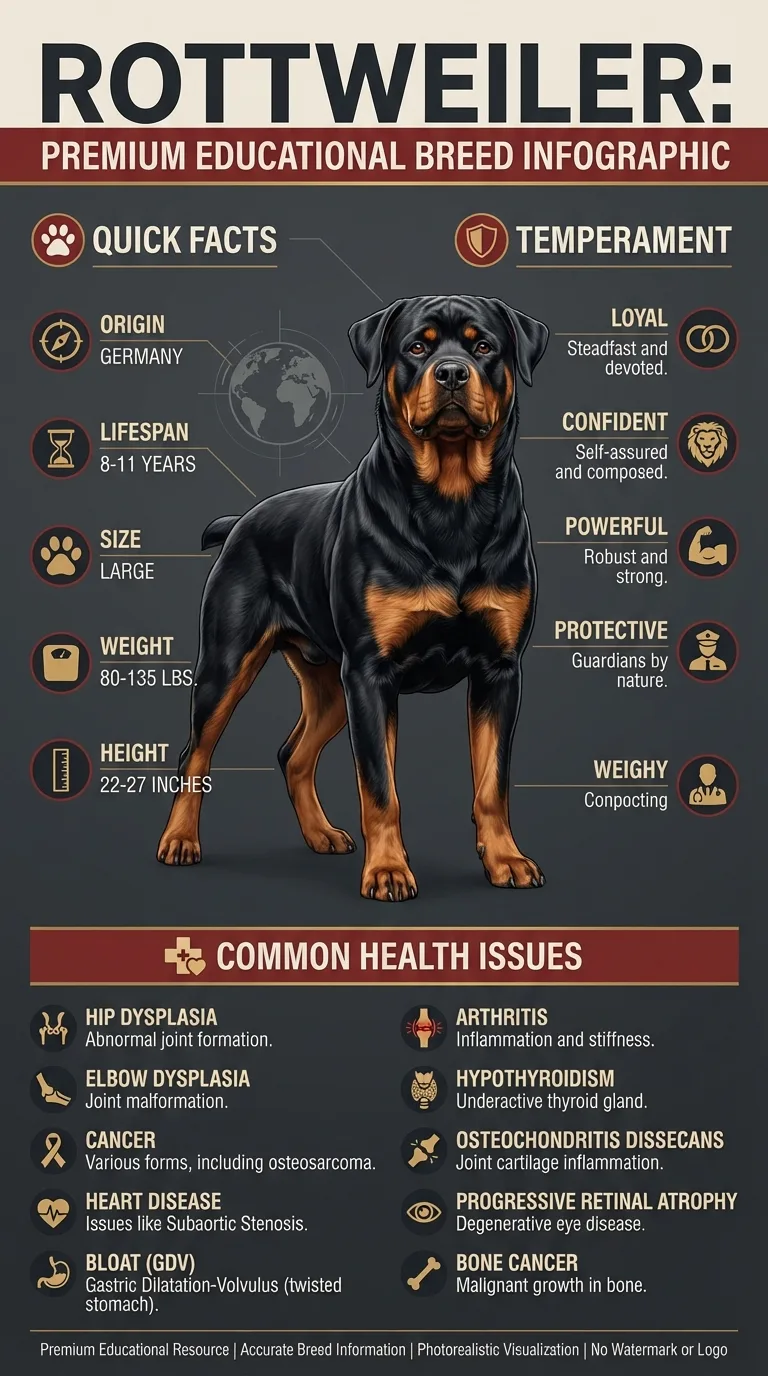
Rottweiler autoimmune diseases can lead to serious health issues, including skin conditions and hair loss. Understanding these diseases is crucial for Rottweiler owners.

Owners who are unaware of these health risks may find themselves confused when their Rottweiler shows symptoms like sores or hair loss. This issue often affects first-time Rottweiler owners who may not recognize the signs early enough.

Important reminder

This guide is not medical advice. If your dog shows pain, sudden behavior change, or worsening symptoms, consult a licensed veterinarian.

Some links may be affiliate links. We may earn a commission at no extra cost to you. We only suggest products we believe are helpful for dog owners.

What this problem looks like

Rottweiler autoimmune diseases can lead to various skin conditions, including sores and hair loss. These issues often manifest as redness, itching, or patches of missing fur. Daily life can be challenging for both the dog and the owner, as constant scratching or discomfort can disrupt routines and lead to secondary infections.

Common triggers

  • Genetics and breed predispositions
  • Stressful environments or changes
  • Poor nutrition or allergies
  • Exposure to certain chemicals or toxins

Autoimmune diseases are relatively common among Rottweilers, with some studies suggesting that up to 10% may experience these issues during their lifetime. This breed is more prone to certain autoimmune conditions due to their genetic makeup.

Why this happens

Breed factors

Rottweilers are genetically predisposed to certain autoimmune diseases due to their lineage. Their immune systems can sometimes overreact, leading to conditions like skin disorders, which can cause sores and hair loss. This breed's strong, confident nature can also contribute to stress, which may worsen autoimmunity.

Environment factors

Environmental factors play a significant role in the development of autoimmune diseases. Stressful home situations, poor diet, or exposure to allergens can trigger these conditions. Additionally, inadequate socialization may lead to anxiety, further impacting their immune health.

What you can try

At-home strategies

  • Create a calming environment: Reduce noise and introduce a safe space where your Rottweiler can relax. Use calming music or pheromone diffusers to help ease anxiety.
  • Monitor diet: Choose high-quality, grain-free dog food that contains omega fatty acids. These can support skin health and boost immunity.
  • Regular grooming: Brush your Rottweiler’s coat frequently to remove dead hair and skin. This can help prevent skin issues and promote overall health.
  • Routine vet check-ups: Keep up with regular vet visits to catch any health issues early. Discuss any symptoms you notice with your vet.

When to consider a trainer

If your Rottweiler shows signs of anxiety or aggressive behavior, consider consulting a professional trainer. A trainer can help address behavior problems and teach you how to manage your dog's stress effectively.

When to talk to your vet

If you notice persistent skin issues, excessive scratching, or other concerning symptoms, it’s time to talk to your vet. They can diagnose autoimmune diseases and recommend appropriate treatments or medications.

Realistic expectations

Managing Rottweiler autoimmune diseases can take several weeks to months. Consistent vet visits and follow-up treatments are essential.

Success means seeing improvements in your Rottweiler's skin condition and overall health. You should notice reduced symptoms, better energy levels, and an improved quality of life.

Finding Relief for Bella's Autoimmune Issues

Sarah, a devoted Rottweiler owner in Texas, noticed her dog Bella was itching excessively and losing patches of hair. After several vet visits, they discovered Bella had an autoimmune disease affecting her skin. With the vet's guidance, Sarah adjusted Bella's diet, started medication, and implemented a regular grooming routine. After three months, Bella's skin improved significantly, and her energy returned. Sarah learned the importance of patience and being proactive in Bella's care.

Key takeaway: Dealing with Rottweiler autoimmune diseases requires a commitment to ongoing care, but with the right approach, you can help your dog thrive.

Frequently asked questions

Why does my Rottweiler have autoimmune diseases?

Rottweilers can be prone to autoimmune diseases due to genetic factors and their immune system's sensitivity. Environmental triggers, such as stress or certain infections, may also play a role. Regular vet check-ups can help catch these issues early.

How can I stop Rottweiler autoimmune diseases?

While you can't completely prevent autoimmune diseases in Rottweilers, you can manage their health with a balanced diet and regular exercise. Keep an eye out for any unusual symptoms and consult your vet for tailored advice on disease prevention and management.

What are the symptoms of autoimmune diseases in Rottweilers?

Common symptoms include skin conditions like sores and hair loss, lethargy, and a lack of appetite. If you notice any of these signs, it's essential to consult your vet for a proper diagnosis and treatment plan.

Can Rottweilers live a normal life with autoimmune diseases?

Yes, many Rottweilers can live a normal life with autoimmune diseases if properly managed. This often involves a combination of medication, dietary changes, and regular vet visits to monitor their condition.

Is training important for Rottweilers with autoimmune diseases?

Training is essential for all Rottweilers, especially those with health issues. Positive reinforcement can help build their confidence and reduce stress, which may help in managing their autoimmune conditions.

What treatments are available for Rottweiler autoimmune diseases?

Treatments can vary depending on the specific autoimmune disease but may include medications, dietary adjustments, and lifestyle changes. Always work closely with your vet to create an effective treatment plan tailored to your Rottweiler's needs.

What are the signs of autoimmune diseases in Rottweilers?

Signs of autoimmune diseases in Rottweilers can vary but often include skin issues like sores and hair loss. Other symptoms may include lethargy, unexplained weight loss, and changes in appetite. If you notice these signs, consult your vet for a proper diagnosis.

Can autoimmune diseases in Rottweilers be hereditary?

Yes, some autoimmune diseases can have a genetic component, making certain Rottweilers more susceptible. It's important to research your dog's lineage and discuss any concerns with your vet, especially if they have a family history of such conditions.

How can I support my Rottweiler with autoimmune diseases?

Supporting a Rottweiler with autoimmune diseases involves regular vet check-ups and possibly a special diet to boost their immune system. Additionally, providing a stress-free environment and gentle exercise can help improve their overall well-being.

Are there specific diets recommended for Rottweilers with autoimmune diseases?

Yes, a diet rich in omega-3 fatty acids, antioxidants, and high-quality proteins can be beneficial for Rottweilers with autoimmune diseases. Consult your vet for a tailored diet plan that addresses their specific health needs.

When should I take my Rottweiler to the vet for autoimmune disease concerns?

You should take your Rottweiler to the vet if you notice persistent skin issues, unusual behavior, or any drastic changes in their health. Early intervention can lead to better management of autoimmune diseases and improve your dog's quality of life.

Quick answers

View more answers
Behavior

What quick tips can help my Rottweiler with autoimmune diseases?

Ensure your Rottweiler has a balanced diet and regular vet check-ups to monitor their health. Stress management techniques, like consistent training and socialization, can also be beneficial.

Costs

How much does it cost to care for a Rottweiler with autoimmune diseases?

Monthly costs for a Rottweiler can range from $125 to $250, depending on veterinary care and dietary needs. Be prepared for additional expenses related to ongoing treatments.

Health

Are autoimmune diseases genetic in Rottweilers?

Yes, autoimmune diseases can have genetic components in Rottweilers. It's crucial to choose a reputable breeder who screens for health issues to minimize risks.

Related DogBreedCompass guides

  • Rottweiler health issuesLearn about common health issues that affect Rottweilers, including autoimmune diseases.
  • Rottweiler training guideExplore training tips specifically for Rottweilers to help manage behavior and health.
  • How to stop Rottweiler autoimmune diseasesUnderstand how to stop Rottweiler autoimmune diseases through proper care and training.
  • Rottweiler behavior problemsDiscover ways to handle Rottweiler behavior problems that may arise due to health issues.
  • Rottweiler separation anxiety guideGet insights on Rottweiler separation anxiety and how it can relate to their health.

Related guides

Take Behavior Assessment

Understand why your dog acts this way.

Take a quick dog behavior quiz to spot red flags in training, anxiety and everyday habits before they snowball into bigger problems.

Take quiz