Behavior
What are quick tips for Poodles with von Willebrand's disease (vWD1)?
Keep your Poodle's environment safe to avoid injuries, provide regular vet check-ups, and watch for bleeding signs. Early detection and management are key.
Poodle (Standard) von Willebrand's disease (vWD1) is a genetic bleeding disorder that can affect your dog's health and well-being. It’s crucial for owners to recognize the signs early.
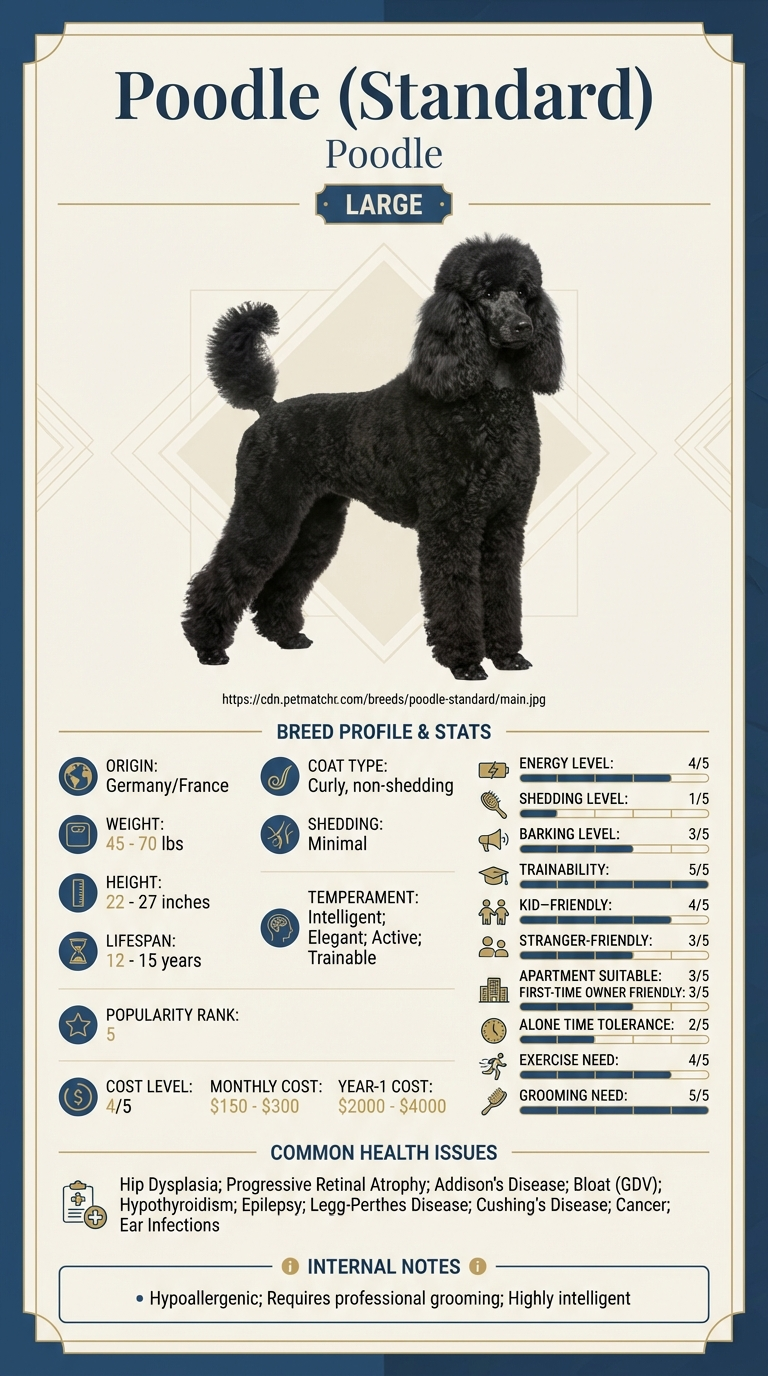
Owners of Poodles (Standard) may face challenges if their dog is diagnosed with vWD1. This includes those who are inexperienced or first-time dog owners, as they might not know how to respond to bleeding incidents.
This guide is not medical advice. If your dog shows pain, sudden behavior change, or worsening symptoms, consult a licensed veterinarian.
Some links may be affiliate links. We may earn a commission at no extra cost to you. We only suggest products we believe are helpful for dog owners.
Poodle (Standard) von Willebrand's disease (vWD1) is a genetic bleeding disorder that affects these dogs' ability to clot blood properly. This condition can lead to excessive bleeding from minor injuries, and in severe cases, even spontaneous bleeding may occur. Owners may notice their Poodle bruising easily or experiencing prolonged bleeding after surgery or injury.
Von Willebrand's disease is relatively common in Poodles, especially the Standard variety. It's estimated that around 30% of Poodles may carry the gene for this disorder, making it important for potential owners to be aware of the risks.
Poodles, including the Standard variety, are prone to von Willebrand's Disease (vWD1) due to their genetic makeup. This inherited condition affects blood clotting, which can lead to excessive bleeding. If your Poodle has a family history of bleeding disorders, they might be more susceptible to vWD1.
Environmental factors can also play a role in how vWD1 manifests. Stressful situations, such as trauma or surgery, can trigger bleeding episodes in affected dogs. Additionally, exposure to certain medications or allergens might worsen the condition.
If your Poodle shows signs of anxiety or fear that complicate managing their condition, a professional trainer can help. Look for trainers experienced in working with dogs that have specific medical needs. They can teach techniques to help your Poodle feel more secure.
Consult your vet if you notice any symptoms of bleeding or if your Poodle has had a bleeding episode. Regular check-ups are crucial for monitoring their health. If you're unsure about any behavior changes or symptoms, don't hesitate to seek professional advice.
Managing von Willebrand's disease (vWD1) in your Poodle (Standard) may take several months to establish a routine. Regular vet visits and monitoring will be essential.
Success means keeping your Poodle healthy and preventing bleeding episodes through a combination of proper care, medication if needed, and regular vet check-ups.
Avoiding certain behaviors can help manage your Poodle's von Willebrand's disease (vWD1). Here are some common mistakes and safer alternatives.
Understanding when Poodle (Standard) von Willebrand's disease (vWD1) is an emergency can save your dog's life. If your Poodle shows signs of excessive bleeding, such as from the gums or after a minor injury, you should contact your vet immediately. Other red flags include swelling or bruising, lethargy, or if your dog collapses without any apparent reason. These symptoms indicate serious complications that require urgent care.
On the other hand, if your dog has mild symptoms, like slight bleeding that stops on its own or minor bruising, you can monitor the situation at home. Keep a close eye on your Poodle's behavior and health. If the symptoms worsen or don't improve within a few hours, it's better to err on the side of caution and consult your veterinarian. This balanced approach allows for effective management of von Willebrand's disease (vWD1) without unwarranted panic.
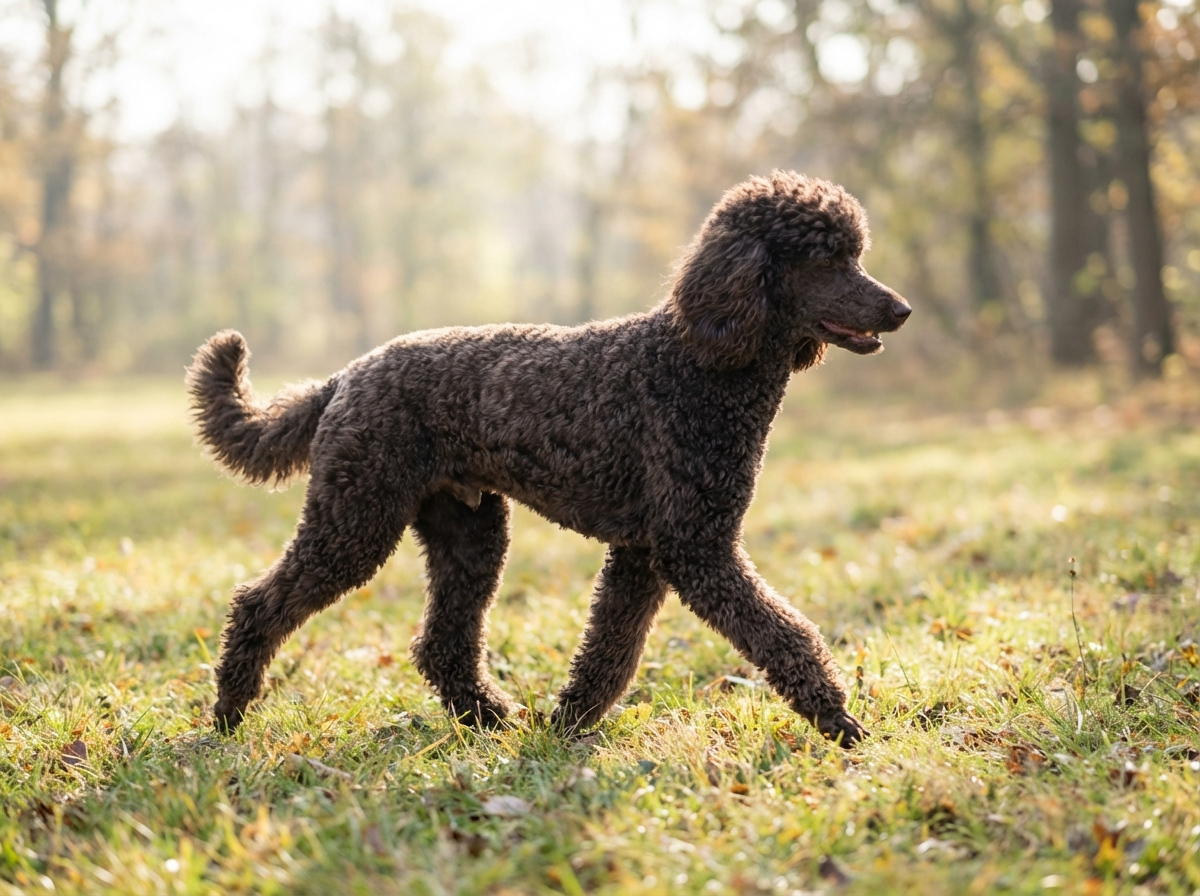
Sarah, a first-time dog owner, adopted Bella, a lively Poodle (Standard). Soon after bringing her home, Sarah noticed Bella was more prone to bruising. After consulting her vet, she learned Bella had von Willebrand's disease (vWD1). At first, Sarah felt overwhelmed, but she committed to learning about the condition. With regular vet visits and a tailored care plan, Bella’s health improved significantly. Sarah also joined a local dog owner group to share experiences and tips.
Key takeaway: Understanding your dog's health condition is crucial. With proper management and support, you can ensure a happy life for your Poodle.
Von Willebrand's disease (vWD1) is a genetic bleeding disorder that affects your Poodle's ability to clot blood. It is inherited, meaning it can be passed down from parent dogs. If you suspect your Poodle has vWD1, consult with your veterinarian for a proper diagnosis and management plan. This answer relates to Poodle (Standard) von willebrand's disease (vwd1).
Management includes regular veterinary check-ups and monitoring for signs of bleeding. Avoid situations where your dog could get injured, as even minor wounds could lead to serious bleeding. Your vet may recommend specific treatments or lifestyle adjustments to keep your Poodle healthy.
Common symptoms include excessive bleeding from cuts, prolonged bleeding after surgery, or unusual bruising. You might also notice bleeding gums or nosebleeds. If you observe any of these signs, contact your vet immediately.
While there is no cure for vWD1, treatments can help manage symptoms. Your vet may suggest medications to improve clotting or recommend special care during procedures. Early intervention is crucial for a better quality of life.
With proper management, many Poodles with vWD1 can live happy, active lives. Regular vet visits and careful monitoring can help prevent severe bleeding incidents. Your vet will guide you in maintaining your dog's health.
Symptoms of von Willebrand's disease (vWD1) in Poodles can include excessive bleeding from cuts, nosebleeds, or difficulty stopping bleeding after surgery. You might also notice bruising or blood in urine. If you see these signs, it's important to consult a vet.
While von Willebrand's disease (vWD1) is a genetic condition, older Poodles can still receive treatment. Options include medication to help with clotting or, in some cases, blood transfusions. Always discuss treatment plans with your vet to ensure the best care.
Von Willebrand's disease (vWD1) is inherited, meaning your Poodle likely received the gene from one or both parents. It's important to know that not all Poodles will exhibit symptoms, but those that do may require special care and monitoring.
To support your Poodle at home, ensure a safe environment to prevent injuries. Avoid activities that could lead to cuts or bruises, and keep a first-aid kit handy. Regular vet check-ups are also crucial for managing the condition.
Lifestyle changes can include a balanced diet to maintain overall health and avoiding strenuous activities that could lead to injury. Keeping stress levels low is also important, as stress can affect a dog's health. Consult your vet for personalized recommendations.
Keep your Poodle's environment safe to avoid injuries, provide regular vet check-ups, and watch for bleeding signs. Early detection and management are key.
While diet changes aren't specifically required, a balanced diet contributes to overall health. Always consult your vet for tailored dietary recommendations.
Expect to spend around $150 to $300 monthly on routine care and potential treatments. Costs can vary based on your dog's needs and vet recommendations.