DogBreedCompass
← Back to breed profile

Poodle (Standard) Progressive Retinal Atrophy (pra-rcd3) Explained

Poodle (Standard) progressive retinal atrophy (pra-rcd3) is a serious eye condition that can lead to vision loss in your dog.

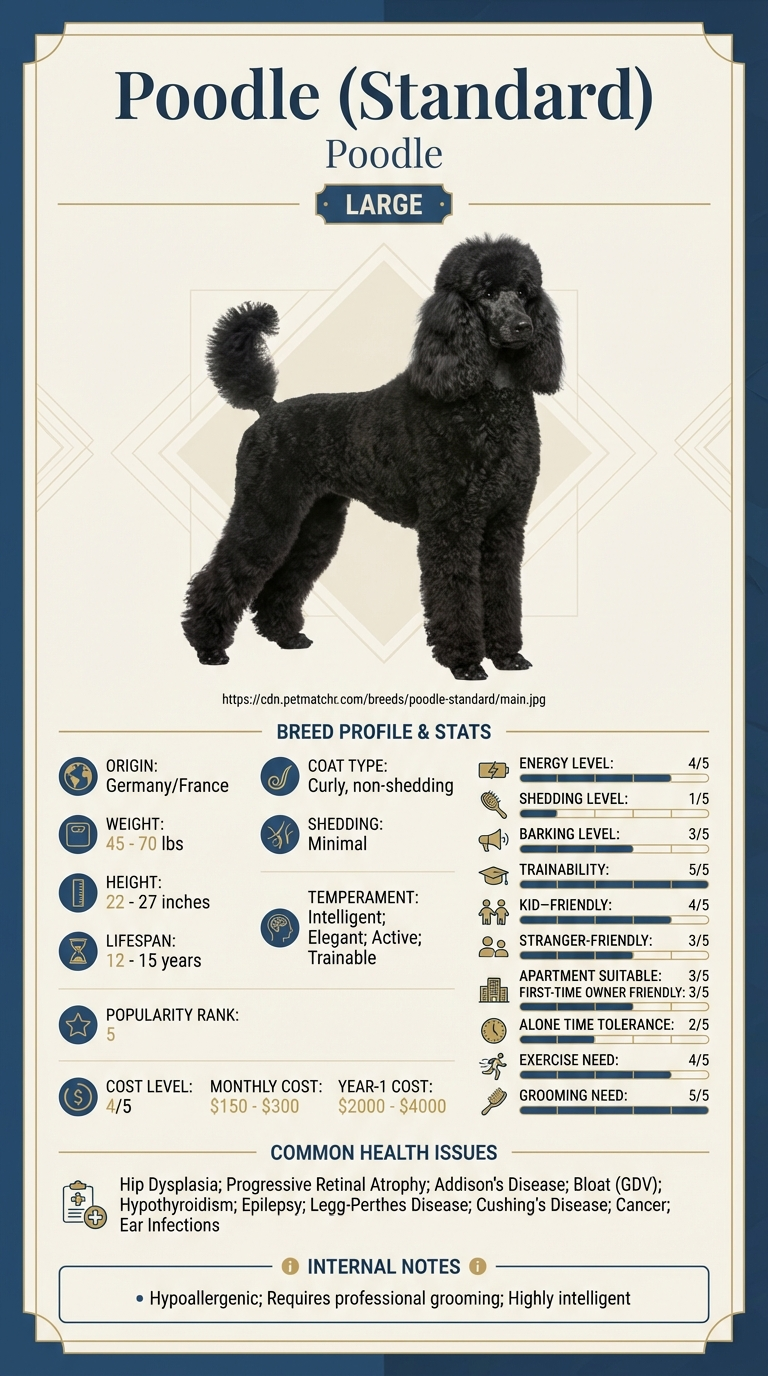
Poodle (Standard) Progressive Retinal Atrophy (pra-rcd3) Explained infographic

Owners of Poodles, especially those who are first-time pet parents or those with older dogs, often face challenges when their beloved pets show signs of this progressive condition.

Important reminder

This guide is not medical advice. If your dog shows pain, sudden behavior change, or worsening symptoms, consult a licensed veterinarian.

Some links may be affiliate links. We may earn a commission at no extra cost to you. We only suggest products we believe are helpful for dog owners.

What this problem looks like

Poodle (Standard) progressive retinal atrophy (pra-rcd3) is a serious condition that leads to gradual vision loss. Day-to-day, this might manifest as difficulty navigating spaces, bumping into objects, or showing hesitation in unfamiliar environments. As the disease progresses, your Poodle may seem more anxious and withdrawn due to their inability to see clearly.

Common triggers

  • Genetics, as this condition is inherited in many Poodles.
  • Age, since symptoms often appear in middle age.
  • Stressful situations or changes in routine can exacerbate anxiety related to vision loss.

Progressive retinal atrophy (pra-rcd3) is fairly common in Poodles, with a significant number of cases reported as they age. Many owners may not notice symptoms until the condition has progressed, making awareness crucial.

Why this happens

Breed factors

Progressive retinal atrophy (PRA-rcd3) is often linked to genetics in Poodles (Standard). This breed is predisposed to inherited eye diseases, particularly those affecting vision. Because of their unique genetic makeup, the likelihood of developing PRA-rcd3 can be higher compared to other breeds.

Environment factors

While the primary cause is genetic, environmental factors can exacerbate the situation. Poor nutrition and lack of proper eye care can lead to faster deterioration of vision. Additionally, exposure to toxins or excessive UV light without protection can also impact eye health.

What you can try

At-home strategies

  • Ensure your Poodle has a balanced diet rich in essential nutrients. Foods high in antioxidants can support eye health.
  • Limit exposure to bright sunlight by using dog sunglasses when outdoors. This helps protect their sensitive eyes.
  • Create a safe environment at home, free of obstacles. This helps your Poodle navigate easily as their vision decreases.

When to consider a trainer

If your Poodle is struggling with behavior changes due to vision loss, consider consulting a professional trainer. They can assist with adapting training techniques to accommodate your dog's new needs.

When to talk to your vet

Contact your vet if you notice any signs of vision changes, such as bumping into objects or hesitance to move around. Regular check-ups can help monitor the progression of PRA-rcd3 and provide guidance on managing your dog's care.

Realistic expectations

Managing Poodle (Standard) progressive retinal atrophy (pra-rcd3) is a gradual process. Expect to see changes over several months as you adapt your dog's environment and routines to support their vision needs.

Success means your Poodle can navigate their home and familiar spaces without too much difficulty. They will respond well to your cues and show comfort in their adjusted routines.

Mistakes that make this worse

Here are some common mistakes that Poodle (Standard) owners make when dealing with progressive retinal atrophy (PRA-rcd3). Avoiding these can help improve your dog's situation.

  • Ignoring early signs of vision loss: Many owners dismiss subtle changes in their dog's behavior, like bumping into furniture or hesitating in unfamiliar spaces. Acting quickly can help you adapt your dog's environment and training.
  • Not providing consistent training: Inconsistent commands or mixed signals can confuse your Poodle (Standard). Stick to clear, simple cues and reinforce them regularly to improve their confidence.
  • Overprotecting your dog: While it's important to keep your Poodle safe, overly limiting their movement can hinder their adaptation. Allow them some freedom to explore their environment safely, using baby gates or barriers as needed.
  • Neglecting regular vet check-ups: Some owners think they only need to visit the vet for major issues. Routine check-ups are essential for managing PRA-rcd3 and catching other potential health problems early.
  • Avoiding socialization: Keeping your Poodle isolated can increase anxiety and worsen their behavior. Encourage safe interactions with other dogs and people to help them adjust to their changing vision.
  • Failing to adapt your home: Owners often overlook simple modifications, like removing obstacles or using rugs to guide their Poodle. Small changes can make a big difference in their comfort and mobility.
  • Not seeking professional help: Many owners think they can handle behavior changes on their own. Consulting a professional trainer or behaviorist can provide tailored strategies to support your Poodle's needs.

When Poodle (Standard) Progressive Retinal Atrophy (PRA-rcd3) is an Emergency

Progressive retinal atrophy (PRA-rcd3) can lead to vision loss in Poodles. It's crucial to know when to seek immediate help from your vet. Here are some red-flag signs that indicate you should call your vet right away.

If your Poodle is bumping into objects, showing excessive fear of movement, or displaying sudden changes in behavior, those are serious signs of distress. Additionally, if you notice any signs of pain, such as whimpering or hiding, it's essential to get your dog checked by a professional. These symptoms could indicate that the condition is worsening, requiring urgent attention.

On the other hand, there are milder cases of PRA-rcd3 that you can monitor at home. If your Poodle occasionally seems disoriented or has trouble locating familiar objects but doesn’t show signs of pain or distress, these might be milder symptoms. In such cases, keep a close eye on your dog’s behavior and create a plan to track any changes. Regular vet check-ups can help manage the condition effectively. Always remember, when in doubt, it's better to err on the side of caution and consult your vet.

Poodle (Standard) Progressive Retinal Atrophy (pra-rcd3) Explained - When Poodle (Standard) Progressive Retinal Atrophy (PRA-rcd3) is an Emergency

Navigating Challenges with Bella the Poodle

Sarah, a busy nurse in Denver, noticed her Poodle, Bella, struggling to see in dim light. After a vet confirmed the diagnosis of progressive retinal atrophy (pra-rcd3), Sarah felt overwhelmed. Determined to help Bella thrive, she began creating a safe space at home, using bright colors and consistent furniture arrangements. With patience, she also trained Bella to respond to verbal commands, helping her navigate around obstacles. Over time, Bella learned to adapt, and Sarah felt relieved watching her happily explore their backyard.

Key takeaway: With the right adjustments and consistent training, dogs like Bella can adapt to vision challenges. Patience and creativity in their environment can lead to a happier, more confident pet.
Frequently asked questions

Why does my Poodle (Standard) have progressive retinal atrophy (pra-rcd3)?

Progressive retinal atrophy (pra-rcd3) is a genetic condition that affects the retina, leading to vision loss. It is inherited in Poodles, and symptoms typically appear in middle age. Regular eye check-ups can help monitor any changes in your dog's vision.

How can I help my Poodle (Standard) with progressive retinal atrophy (pra-rcd3)?

While there is no cure for pra-rcd3, you can help your Poodle adapt by providing a safe, familiar environment. Use consistent commands and maintain a routine to minimize stress. Regular vet visits can help track the progression of the condition.

What signs should I look for in my Poodle (Standard) showing signs of progressive retinal atrophy (pra-rcd3)?

Early signs of pra-rcd3 include difficulty seeing in low light and bumping into objects. As the condition progresses, your dog may appear hesitant or anxious in new environments. Observing these behaviors can help you identify the need for veterinary care.

Is there any training that can help my Poodle (Standard) with progressive retinal atrophy (pra-rcd3)?

Training can be beneficial for Poodles with pra-rcd3. Focus on verbal cues and tactile signals to guide your dog. Positive reinforcement can encourage your dog to navigate and explore safely.

Can progressive retinal atrophy (pra-rcd3) affect my Poodle's (Standard) overall health?

While pra-rcd3 primarily affects vision, it can lead to anxiety and stress due to the loss of sight. Keeping your Poodle engaged with mental stimulation and a stable routine can help maintain their overall well-being.

What are the first signs of Poodle (Standard) progressive retinal atrophy (pra-rcd3)?

The first signs often include difficulty seeing in low light or at night. You might notice your Poodle bumping into objects or hesitating to navigate familiar areas. Early detection is key, so keep an eye out for these changes.

How can I support my Poodle (Standard) with progressive retinal atrophy (pra-rcd3)?

Provide a consistent environment to help them navigate safely. Use furniture and objects to create a clear path and avoid rearranging items frequently. Training them with verbal cues can also assist in their mobility.

Can progressive retinal atrophy (pra-rcd3) be treated or managed in older Poodles?

Currently, there is no cure for progressive retinal atrophy (pra-rcd3), even in older dogs. Focus on creating a supportive environment and consult your vet for strategies to enhance their quality of life as their vision declines.

Why does my Poodle (Standard) have progressive retinal atrophy (pra-rcd3)?

Progressive retinal atrophy (pra-rcd3) is often inherited and linked to genetic factors in Poodles. It's a degenerative condition that leads to vision loss over time. If you suspect this issue, a vet can confirm through specialized testing.

What is the long-term outlook for a Poodle (Standard) with progressive retinal atrophy (pra-rcd3)?

The condition typically leads to complete vision loss over time, but many Poodles adapt very well. With support and adjustments to their environment, they can still lead fulfilling lives, enjoying walks and playtime.

Quick answers

View more answers
Behavior

What are quick tips for managing progressive retinal atrophy (pra-rcd3) in my Poodle (Standard)?

Keep your home environment clutter-free and well-lit to help your Poodle navigate. Use verbal cues and maintain a consistent routine to provide comfort and security.

Health

Is progressive retinal atrophy (pra-rcd3) common in Poodles (Standard)?

Yes, progressive retinal atrophy (pra-rcd3) is a common genetic issue in Poodles. Regular eye exams can help detect the condition early.

Costs

How much does it cost to treat progressive retinal atrophy (pra-rcd3) in Poodles (Standard)?

While there is no treatment for pra-rcd3, routine veterinary check-ups can range from $200 to $500 annually. Investing in a comfortable environment for your dog can also help.

Related DogBreedCompass guides

  • Poodle (Standard) behavior problemsLearn more about training techniques to help manage your Poodle's behavior.
  • Poodle (Standard) separation anxiety guideUnderstand the signs of separation anxiety in Poodles and how to help them.
  • Poodle (Standard) cost breakdownFind out the costs associated with owning a Poodle (Standard) and budgeting tips.
  • Poodle (Standard) health concernsExplore other common health issues in Poodles to be prepared and proactive.
  • Supportive care for dogs with vision lossLearn about supportive care options for dogs facing progressive retinal atrophy.

Related guides