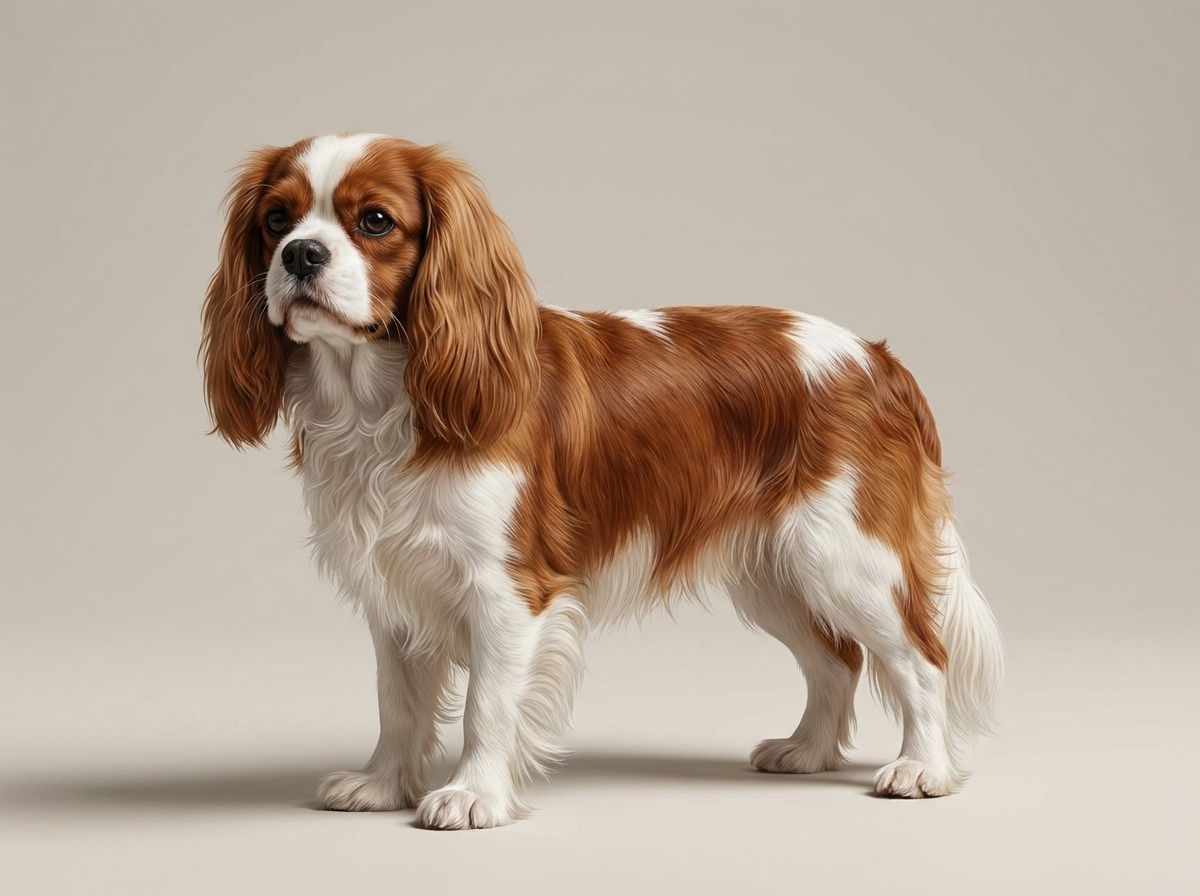
What are quick tips for Poodle (Standard) elongated soft palate?
Provide a calm environment, avoid strenuous activities, and maintain a healthy weight to support your Poodle's breathing.
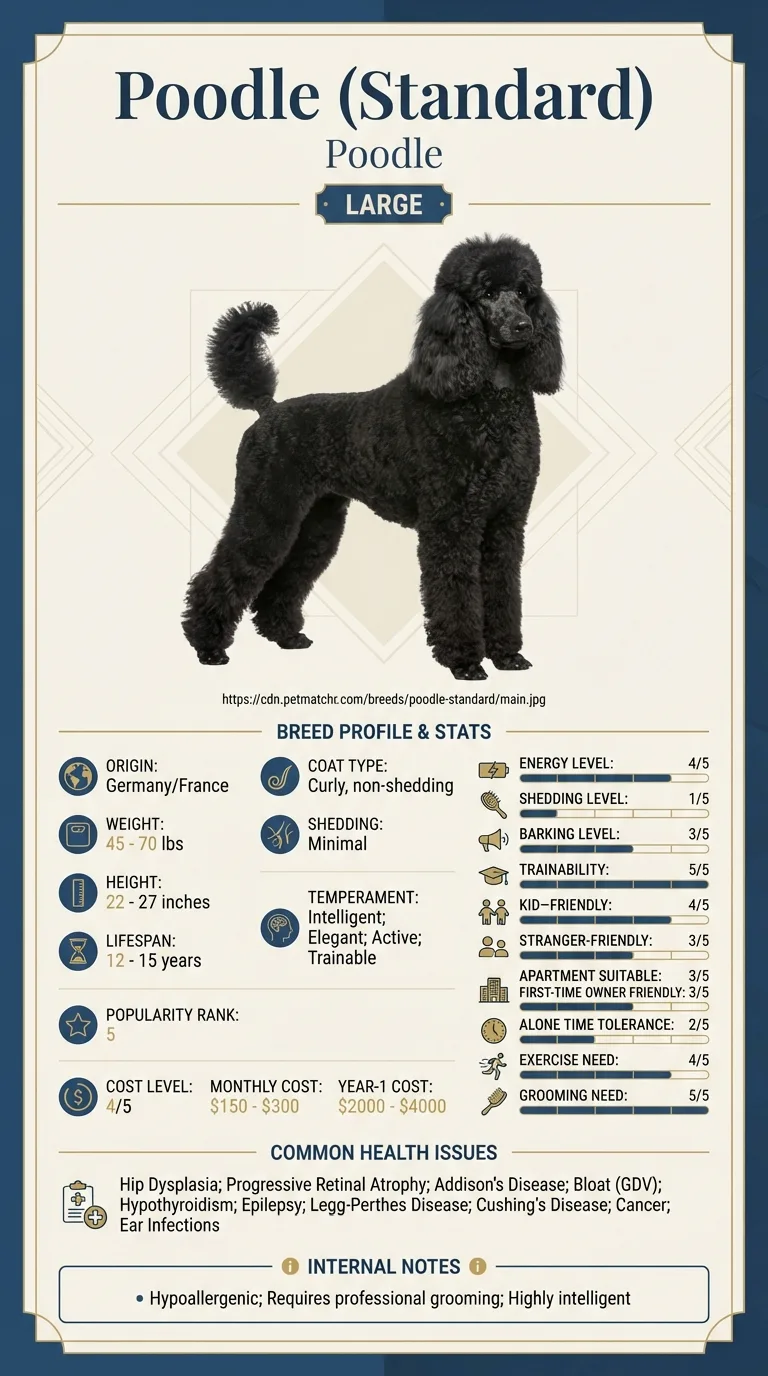
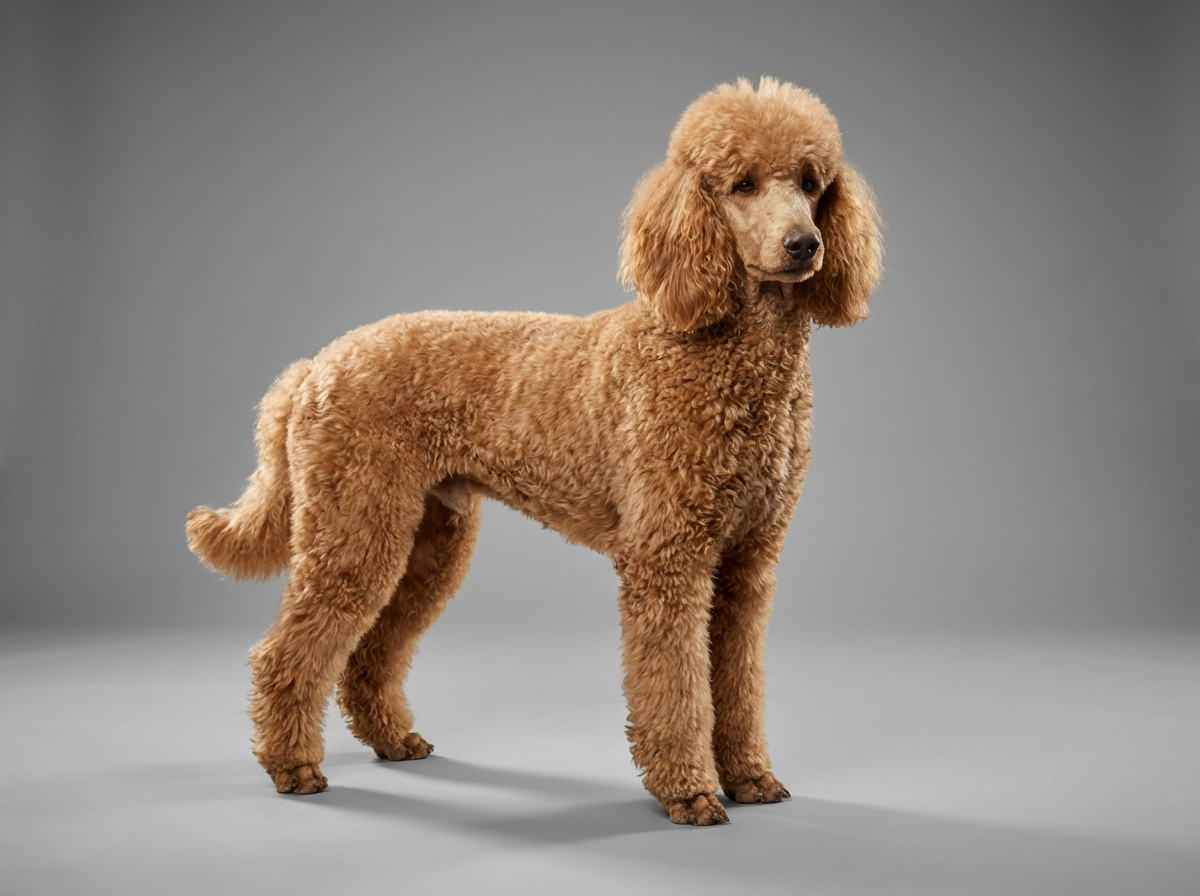
The Poodle (Standard) elongated soft palate can cause serious breathing issues for your dog. Understanding this condition is crucial for their health.

Many Poodle owners, particularly those new to the breed, find themselves concerned when they notice their dog struggling to breathe. This issue can be alarming for families and individuals who want to ensure their Poodle remains healthy and active.
This guide is not medical advice. If your dog shows pain, sudden behavior change, or worsening symptoms, consult a licensed veterinarian.
Some links may be affiliate links. We may earn a commission at no extra cost to you. We only suggest products we believe are helpful for dog owners.
The Poodle (Standard) elongated soft palate is a common issue that affects breathing. This condition occurs when the soft palate is longer than normal, causing airway obstruction. You might notice your Poodle having difficulty breathing, especially during exercise or in hot weather.
This problem is fairly common in Poodles (Standard), particularly due to their unique anatomy. Many owners report some level of breathing difficulty, especially in older dogs or those with other health issues.
Poodles (Standard) have a unique anatomical structure that can lead to elongated soft palates. This condition is more common in breeds with longer snouts, but Poodles may still be affected due to their size and shape. Their high energy and playful nature can exacerbate breathing issues when they are overly excited.
Environmental factors also play a role in elongated soft palates. If your Poodle is exposed to allergens or irritants, it can worsen their breathing problems. Stressful situations, such as loud noises or unfamiliar environments, can trigger anxiety, leading to rapid panting and breathing difficulties.
If your Poodle continues to struggle with anxiety or breathing issues, it might be helpful to consult a professional dog trainer. They can provide specialized guidance tailored to your Poodle's needs and help develop training strategies to manage their behavior.
If you notice persistent difficulty in breathing, coughing, or changes in your Poodle's energy levels, it’s crucial to consult your veterinarian. They can assess the severity of the elongated soft palate and recommend treatment options. Regular check-ups can also help monitor your Poodle’s overall health.
You may start noticing improvements within 4 to 8 weeks of consistent training and management.
Success means your Poodle (Standard) can breathe easier, exhibit less anxiety during physical activity, and enjoy a better quality of life.
Understanding the common mistakes that can worsen your Poodle’s elongated soft palate issue is crucial for improving their health. Here are some behaviors to avoid and safer alternatives.
Recognizing when your Poodle (Standard) is experiencing an elongated soft palate issue is crucial. Some symptoms signal an immediate trip to the vet, while others can be monitored at home. Knowing the difference can save your dog's life and ease your worries.

If your Poodle shows any of the following signs, it’s time to contact your vet immediately. These symptoms indicate severe airway obstruction or distress.

In less severe situations, you can monitor your Poodle at home. Keep an eye out for these mild symptoms and consider a plan with your vet.

When Sarah adopted Bella, her Standard Poodle, she quickly noticed Bella struggled with breathing, especially during play. After a vet visit confirmed Bella had an elongated soft palate, Sarah felt overwhelmed. With guidance, she began specific training exercises to strengthen Bella's throat muscles and managed her weight to reduce pressure on her airway. Over several weeks, Bella’s breathing improved significantly, allowing her to run and play without gasping for air.
Key takeaway: With patience and the right approach, managing a Poodle's elongated soft palate can lead to a happier, healthier dog.
An elongated soft palate in Poodles (Standard) is often due to genetic factors. This condition can lead to airway obstruction, making it hard for your dog to breathe comfortably. If you notice any signs of distress, consult your vet for a proper diagnosis.
Common signs include noisy breathing, coughing, and difficulty exercising. You may also notice your dog struggling when eating or drinking. If you observe these symptoms, it’s important to see a vet for evaluation.
Treatment options may include weight management, medication, or surgery to correct the elongated soft palate. Your vet will recommend the best course of action based on your dog's specific needs. Regular check-ups can help monitor your pet's condition.
To manage this condition, ensure your Poodle maintains a healthy weight and avoid strenuous activities in hot weather. Regular veterinary check-ups can help track any changes in your dog's breathing. Training and gentle exercises can also ease discomfort.
While training won't directly fix an elongated soft palate, it can help your dog learn to breathe more calmly during stressful situations. Positive reinforcement training can reduce anxiety and improve overall behavior. Consult a professional trainer if needed.
Common signs include noisy breathing, gagging, or coughing. You may also notice your dog struggling to catch its breath, especially during exercise or excitement.
Yes, older Poodles can develop an elongated soft palate as part of age-related anatomical changes. Regular vet check-ups are crucial to identify and manage this issue effectively.
Surgery may be recommended if the condition severely affects your dog's breathing or quality of life. It's essential to consult with your vet to weigh the benefits and risks based on your dog's specific situation.
You can help by ensuring your dog maintains a healthy weight to reduce strain on the airway. Additionally, providing a calm environment and avoiding excessive heat or exercise can help manage symptoms.
If your dog experiences severe breathing issues, seek immediate veterinary attention. Quick action can be critical in preventing serious complications associated with an elongated soft palate.
Provide a calm environment, avoid strenuous activities, and maintain a healthy weight to support your Poodle's breathing.
It's best to have your Poodle checked at least once a year, or more frequently if they show signs of breathing difficulty.
Not always. Many dogs can manage with lifestyle changes and medication, but surgery may be recommended for severe cases.
Yes, with proper care and management, many Poodles can live happy, active lives despite this condition.