Behavior
How to stop Poodle (Standard) cataracts?
Regular vet visits and a healthy lifestyle are key to managing cataracts in Poodles (Standard). Surgery may be necessary if vision is severely affected.

Quick answer
How to stop Poodle (Standard) cataracts?
Regular vet visits and a healthy lifestyle are key to managing cataracts in Poodles (Standard). Surgery may be necessary if vision is severely affected.
Cataracts in Poodle (Standards) can cloud their vision and impact their quality of life. Understanding this condition is crucial for proper care. (Poodle (Standard) cataracts)
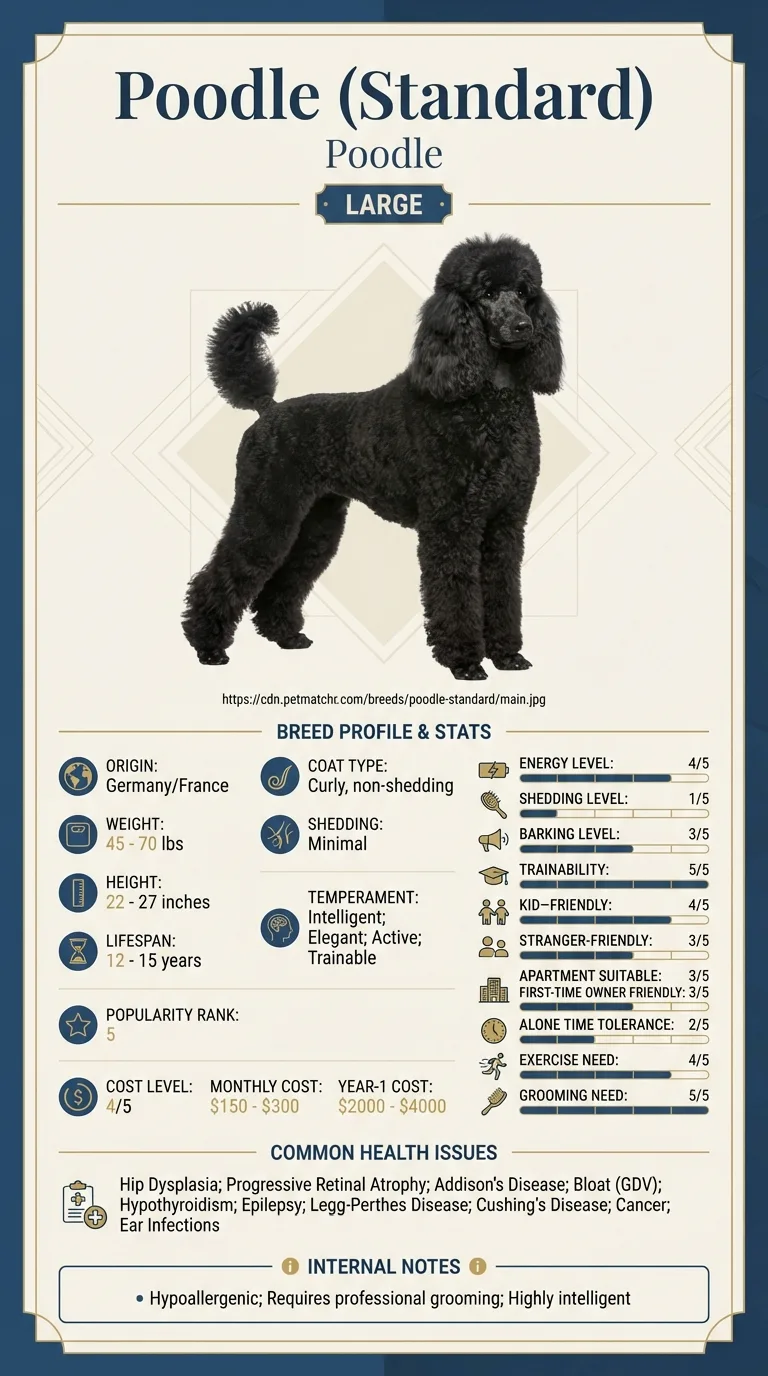
Owners of Poodle (Standards) experiencing cataracts often include families and active individuals who rely on daily interactions with their dog. They seek to maintain their pet's health and happiness but may feel overwhelmed by the condition.
This guide is not medical advice. If your dog shows pain, sudden behavior change, or worsening symptoms, consult a licensed veterinarian.
Some links may be affiliate links. We may earn a commission at no extra cost to you. We only suggest products we believe are helpful for dog owners.
We research and check what we publish, but we do not warrant that any figure, date, price, or statement is accurate, complete, or current, and we accept no liability for any loss, cost, injury, or other harm arising from the use of this site. Use it as one reference among several. You remain responsible for your own decisions and for your dog's care - confirm anything that matters with a licensed veterinarian or another qualified professional before you act on it. Full disclaimer.
Check this first
Cataracts in your Poodle (Standard) can be concerning. It's essential to know when it's an emergency and when you can monitor the situation. If your Poodle shows signs of sudden vision loss, severe eye redness or swelling, or discharge from the eye, these are red flags. In such cases, call your veterinarian immediately.
On the other hand, if your Poodle is squinting or appears to have cloudy eyes without other severe symptoms, you can monitor the situation. Keep an eye on their behavior and make sure they navigate their surroundings safely. It's also a good idea to schedule a vet appointment to discuss the cataracts and potential treatment options.
Understanding these differences can help you avoid unnecessary panic while ensuring your furry friend gets the care they need when it matters most.
If any of these apply, call your vet or an emergency clinic now. The rest of this page is for the cases that are not an emergency.
Poodle (Standard) cataracts manifest as a clouding of the eye lens, leading to blurry vision or even blindness. Daily life for a dog with cataracts may include bumping into furniture or hesitating to jump down from heights. This can be distressing for both the dog and the owner, as the dog's confidence and independence may diminish.
Cataracts are relatively common in Poodles (Standard), especially as they age. It's estimated that around 15-20% of older Poodles may develop cataracts, making it an important health consideration for owners.
Poodles, including Standard Poodles, are prone to cataracts due to genetic factors. This breed's history of selective breeding can lead to hereditary conditions like cataracts, especially as they age. Additionally, certain Poodle lines may have a higher genetic predisposition to eye issues.
Environmental factors can also contribute to cataracts in Poodles. Prolonged exposure to UV light without protection can increase the risk. Nutritional deficits, particularly a lack of antioxidants in their diet, can also play a role in developing cataracts.
Talk to your vet if you notice any signs of cataracts, like cloudy eyes or changes in vision. They can assess the severity and recommend treatment options, which may include surgery if necessary.
Here are some common mistakes that can worsen cataracts in your Poodle (Standard) and what you can do instead.
Start here: Standard Poodle Most Common Genetic Disorders: Screening
See all Poodle Standard health problems, which breeds are prone to cataracts, or the full Poodle Standard breed guide for temperament, exercise needs and ownership costs.
You may notice changes in your Poodle's vision over several months, but with proper care, you can manage cataracts effectively in a year or so.
Success means monitoring your Poodle's eye health closely, possibly undergoing surgery if recommended, and noticing improvements in their quality of life through better vision.
Maggie, a Poodle (Standard) from Dallas, was diagnosed with cataracts at age 8. Her owner, Sarah, initially struggled with Maggie's increasing clumsiness and reluctance to play. After consulting with their vet, Sarah learned about cataract surgery and decided to go through with it. The surgery was a success, and within weeks, Maggie was back to chasing her favorite balls. Sarah now ensures regular vet check-ups to keep an eye on Maggie's health and has adjusted her home to make it easier for Maggie to navigate safely.
Key takeaway: Don't hesitate to seek professional advice when you notice changes in your Poodle's behavior; early intervention can lead to better outcomes.
Common signs of cataracts in your Poodle (Standard) include cloudy or blurry vision, difficulty seeing in bright light, and changes in behavior such as bumping into objects. If you notice these signs, it's best to consult your vet for a proper diagnosis.
Managing cataracts often involves regular veterinary check-ups. Your vet might suggest surgery if the cataracts significantly impair your dog's vision, allowing them to lead a more active life.
While surgery is the most effective way to treat cataracts, there are no non-surgical treatments that can reverse them. Maintaining your Poodle's overall health can help slow the progression.
Yes, Poodles (Standard) are genetically predisposed to cataracts, especially as they age. Keeping them healthy with a balanced diet and regular exercise can help minimize other health risks.
Cataract surgery can range from $2,000 to $4,000 depending on the vet and the complexity of the procedure. Always discuss costs with your vet to prepare for any expenses.
While not all cataracts can be prevented, ensuring your Poodle has a healthy diet and regular vet check-ups can help. Keep an eye on their overall health to catch any potential issues early.
While some cataracts are age-related and unavoidable, maintaining a healthy diet and regular vet check-ups can help monitor your Poodle's eye health. Antioxidants in their food may also support eye health, but always check with your vet for tailored advice.
Yes, cataracts can often be treated with surgery that removes the cloudy lens and replaces it with an artificial one. If you suspect your Poodle has cataracts, consult a veterinary ophthalmologist to discuss the best treatment options.
Cataracts can significantly impact your Poodle's vision, leading to difficulties in navigating their environment. This can cause anxiety or behavioral issues, so it's essential to address the problem early with your vet.
If your Poodle (Standard) has cataracts but is otherwise healthy, monitor them closely for changes in vision or behavior. Regular vet visits are key, and your vet can help decide if treatment is necessary based on their overall health and quality of life.
Regular vet visits and a healthy lifestyle are key to managing cataracts in Poodles (Standard). Surgery may be necessary if vision is severely affected.
Stay alert for cloudy eyes and schedule vet appointments if you see changes. Early detection can lead to better management.
Yes, cataracts can lead to vision impairment, which may make your Poodle more hesitant or anxious. It’s essential to provide a safe environment.
Cataracts themselves are not painful, but they can lead to complications that may cause discomfort. Monitor your dog for any signs of distress.
A Poodle (Standard) can live a full life with cataracts, especially if managed well. Regular vet care is crucial for their overall health.
A one-page prep sheet for this condition: the signs, the questions to ask, what to get priced. Unlocks here.
You get: Vet visit prep sheet
No spam. One-click unsubscribe. See our privacy policy.
Preview page 1 before you decide.