Health
What are quick tips for Poodle (Standard) cancer care?
Keep regular vet appointments, maintain a healthy diet, and provide a stress-free environment. Monitor changes in behavior closely.

Quick answer
What are quick tips for Poodle (Standard) cancer care?
Keep regular vet appointments, maintain a healthy diet, and provide a stress-free environment. Monitor changes in behavior closely.
Poodle (Standard) cancer is a serious health concern affecting these beloved dogs. Understanding it is crucial for their wellbeing.
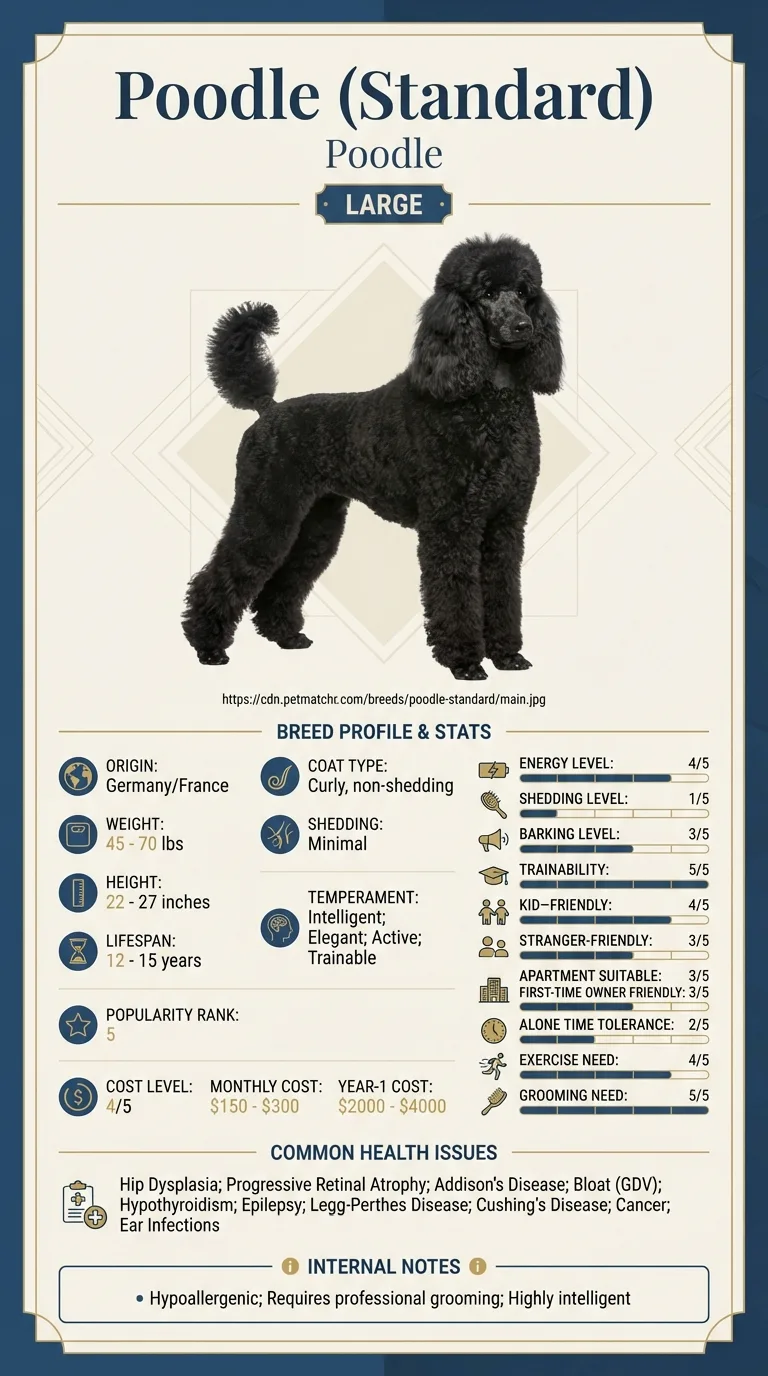
Many Poodle owners, especially those with older dogs, may find themselves grappling with the reality of cancer diagnoses. This is particularly tough for first-time dog owners or families who have invested deeply in their pet's health and happiness.
This guide is not medical advice. If your dog shows pain, sudden behavior change, or worsening symptoms, consult a licensed veterinarian.
Some links may be affiliate links. We may earn a commission at no extra cost to you. We only suggest products we believe are helpful for dog owners.
We research and check what we publish, but we do not warrant that any figure, date, price, or statement is accurate, complete, or current, and we accept no liability for any loss, cost, injury, or other harm arising from the use of this site. Use it as one reference among several. You remain responsible for your own decisions and for your dog's care - confirm anything that matters with a licensed veterinarian or another qualified professional before you act on it. Full disclaimer.
Check this first
Recognizing when Poodle (Standard) cancer becomes an emergency is critical. If you notice sudden weight loss, persistent vomiting, or difficulty breathing, these are red flags. Other signs include severe lethargy, unusual swelling, or any sudden changes in behavior. These symptoms mean you should call your vet immediately for guidance.
On the other hand, if your Poodle shows mild symptoms such as occasional coughing, slight changes in appetite, or minor fatigue, you can monitor their condition with a watchful eye. Keep a record of any changes and consult with your vet during regular check-ups. It's essential to stay informed about your dog's health, especially since the early detection of cancer can significantly impact treatment options.
Maintaining open communication with your veterinarian can help you navigate these concerns effectively. If you're ever unsure, it's always better to err on the side of caution and seek professional advice.
If any of these apply, call your vet or an emergency clinic now. The rest of this page is for the cases that are not an emergency.
Poodle (Standard) cancer can be a heart-wrenching experience for owners. These dogs may show symptoms like unusual weight loss, lethargy, persistent vomiting, or changes in appetite. Daily life with a Poodle facing cancer often involves frequent vet visits, medication management, and emotional strain on the family.
Cancer is a known health issue in Poodles, occurring at a rate of about 10% to 15%. While not every Poodle will face this challenge, awareness and regular check-ups can help in early detection and management.
Poodles, including the Standard variety, are prone to certain genetic health issues, including various types of cancer. Their lineage can carry predispositions to conditions like lymphoma and other malignancies, making them more susceptible than some other breeds.
Environmental factors can also contribute to the development of cancer in Poodles. Exposure to toxins, poor diet, and lack of proper veterinary care can exacerbate health issues. Stress and an inactive lifestyle are additional contributors that can affect their overall health.
If you notice any unusual symptoms such as weight loss, lethargy, or changes in appetite, it's time to consult your veterinarian. Early intervention is key in managing health issues, including cancer.
Avoid these common owner behaviors that can inadvertently worsen the situation for your Poodle (Standard) dealing with cancer.
Start here: Standard Poodle Most Common Genetic Disorders: Screening
See all Poodle Standard health problems, which breeds are prone to cancer, or the full Poodle Standard breed guide for temperament, exercise needs and ownership costs.
Managing a Poodle (Standard) with cancer can be an ongoing process. Expect initial diagnosis to lead to a treatment plan within weeks, with regular vet visits and adjustments as needed. Overall, you can anticipate a timeline of several months to years for ongoing care and monitoring.
Success involves effectively managing symptoms and maintaining a good quality of life for your Poodle. This could mean achieving remission, managing pain effectively, or simply ensuring your dog remains happy and comfortable during treatment.
Sarah, a busy nurse living in Seattle, noticed her Standard Poodle, Max, had lost weight and seemed lethargic. After a vet visit, she learned Max had cancer. Overwhelmed, Sarah dedicated herself to understanding treatment options. With her vet's guidance, she started a combination of chemotherapy and a special diet. Sarah learned to balance her work schedule with Max's vet appointments, and even found a local support group for dog owners. Over time, Max regained some energy, and Sarah realized the importance of being proactive in his care.
Key takeaway: Managing a Poodle (Standard) with cancer requires commitment and education. By actively participating in Max's treatment and seeking support, Sarah found a way to improve his quality of life during a challenging time.
Genetics play a significant role in the development of cancer in Poodles. Common health issues like hip dysplasia and some cancers are more prevalent in this breed. Regular vet check-ups can help catch any early signs.
It's essential to work closely with your veterinarian to create a treatment plan. This may include surgery, chemotherapy, or alternative therapies. Keeping a positive environment and maintaining a healthy diet is also vital.
Look for unusual lumps, weight loss, changes in appetite, or persistent coughing. Any abnormal behavior should prompt a visit to the vet. Early detection is key to better outcomes.
While not all cancers are preventable, a healthy diet, regular exercise, and maintaining a healthy weight can reduce the risks. Avoiding exposure to harmful chemicals and ensuring regular vet visits are also important.
Treatment can vary widely based on the type and stage of cancer. Options generally include surgery, chemotherapy, or radiation therapy. Discussing these with your vet will help you find the best approach for your dog.
Consult your vet for a tailored diet plan. Many vets recommend high-quality protein and low carbohydrates. Supplements may also help improve your Poodle's overall health during treatment.
Early signs of cancer in your Poodle (Standard) may include unexplained weight loss, changes in appetite, or unusual lumps and bumps. You might also notice lethargy or changes in behavior. Regular vet check-ups are essential for early detection.
Supporting your Poodle (Standard) during cancer treatment involves providing a comfortable environment and maintaining a healthy diet. Ensure they have access to fresh water and follow your vet's recommendations for medication and care. Emotional support and gentle exercise can also help.
While any Poodle (Standard) can develop cancer, older dogs and those with a family history of the disease may be at higher risk. Regular health screenings can help monitor their condition. Discuss any concerns with your vet to tailor a prevention plan.
Deciding when to consider euthanasia for your Poodle (Standard) with cancer is deeply personal and should be guided by their quality of life. If they are in persistent pain, unable to eat, or losing interest in activities they once enjoyed, consult your vet for guidance on the best course of action.
Yes, training can help manage anxiety in Poodles (Standard) with cancer. Using positive reinforcement techniques can create a sense of stability and comfort. Consider engaging them in gentle training exercises or activities that they enjoy to keep their spirits up.
Keep regular vet appointments, maintain a healthy diet, and provide a stress-free environment. Monitor changes in behavior closely.
Poodles should have regular check-ups at least once a year, or more frequently if health issues arise. Early detection can make a big difference.
Keep an eye out for unusual lumps, changes in appetite, or excessive lethargy. These could indicate health issues that need attention.
Provide a comforting space, keep their routine consistent, and ensure they have a balanced diet. Emotional support can significantly impact their recovery.
A one-page prep sheet for this condition: the signs, the questions to ask, what to get priced. Unlocks here.
You get: Vet visit prep sheet
No spam. One-click unsubscribe. See our privacy policy.
Preview page 1 before you decide.