What are quick tips for managing Poodle (Standard) brachycephalic airway syndrome (boas)?
Always monitor your Poodle (Standard) for breathing issues, and keep them cool during hot weather. Regular vet visits are key for managing their health.
Poodle (Standard) brachycephalic airway syndrome (BOAS) can lead to serious breathing difficulties, especially in heat.
Many Poodle owners, particularly first-time dog parents or those living in warm climates, may find themselves struggling with BOAS. This issue can be distressing for both the dog and the owner, especially when it leads to anxiety during exercise or hot weather.
Important reminder
This guide is not medical advice. If your dog shows pain, sudden behavior change, or worsening symptoms, consult a licensed veterinarian.
Some links may be affiliate links. We may earn a commission at no extra cost to you. We only suggest products we believe are helpful for dog owners.
We research and check what we publish, but we do not warrant that any figure, date, price, or statement is accurate, complete, or current, and we accept no liability for any loss, cost, injury, or other harm arising from the use of this site. Use it as one reference among several. You remain responsible for your own decisions and for your dog's care - confirm anything that matters with a licensed veterinarian or another qualified professional before you act on it. Full disclaimer.
Check this first
When is Brachycephalic Airway Syndrome an Emergency?
If your Poodle is struggling to breathe, showing signs of distress, or has a blue-tinged tongue, these are red flags that require immediate veterinary attention. Other symptoms like excessive panting, coughing, or lethargy can also indicate a serious situation. Don't wait; quick action can prevent worsening conditions.
On the other hand, if your Poodle occasionally snores or breathes heavily while resting, these might be mild cases of BOAS that can be managed at home. Keeping an eye on their activity level and avoiding heat exposure can help. If these symptoms are consistent but not severe, a scheduled vet visit may be sufficient to discuss management options.
Remember, your dog's health is your priority. When in doubt, it’s always safer to consult your vet to determine the best course of action.
If any of these apply, call your vet or an emergency clinic now. The rest of this page is for the cases that are not an emergency.
What this problem looks like
Poodle (Standard) brachycephalic airway syndrome (boas) is a common issue in this breed, leading to breathing difficulties. Owners may notice their Poodle snoring, coughing, or struggling for air, especially during exercise or in hot weather. This condition can significantly impact their quality of life and requires careful management.
Common triggers
Heat and humidity
Exercise or strenuous activity
Obesity or overfeeding
Allergies or respiratory infections
Brachycephalic airway syndrome (boas) is relatively common in Poodles (Standard) due to their facial structure. Many owners report experiencing this issue, and it can range from mild to severe, requiring varying levels of intervention.
Why this happens
Breed factors
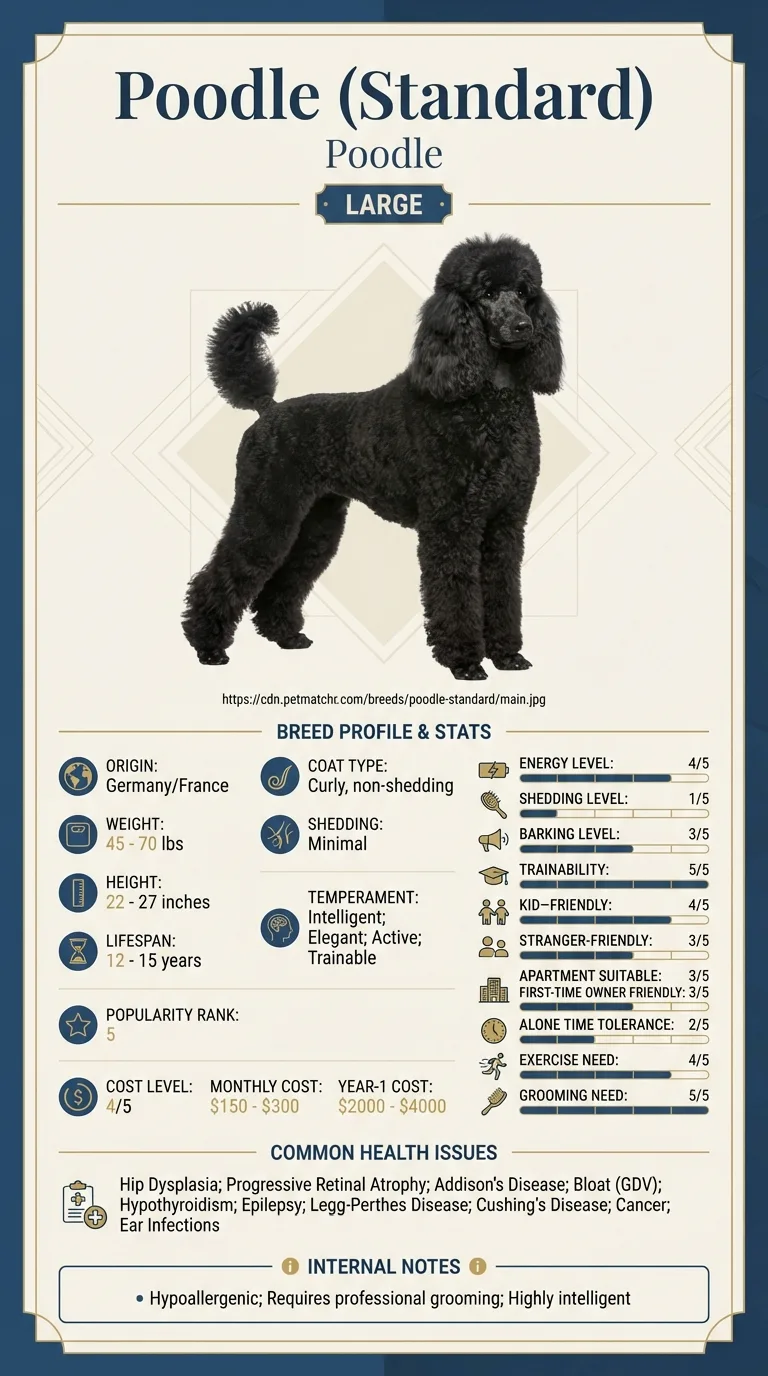
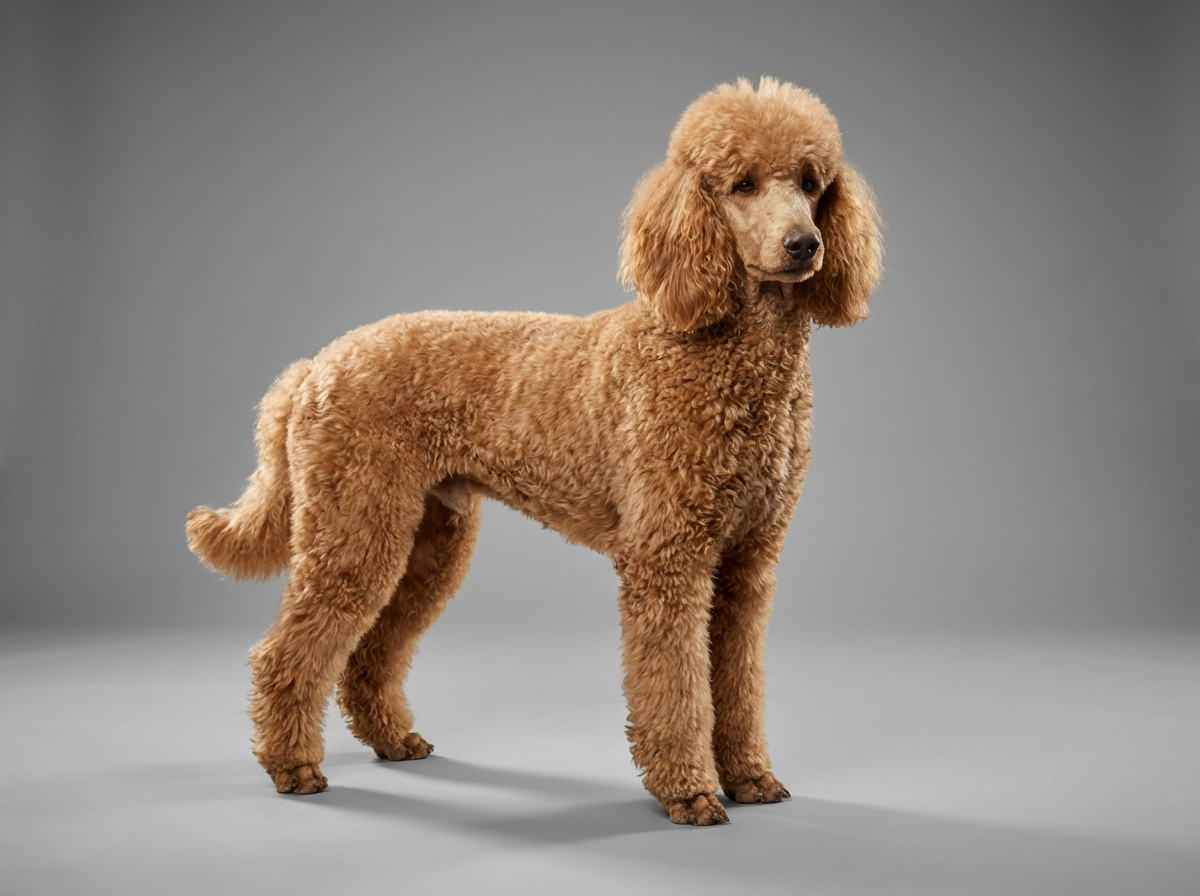
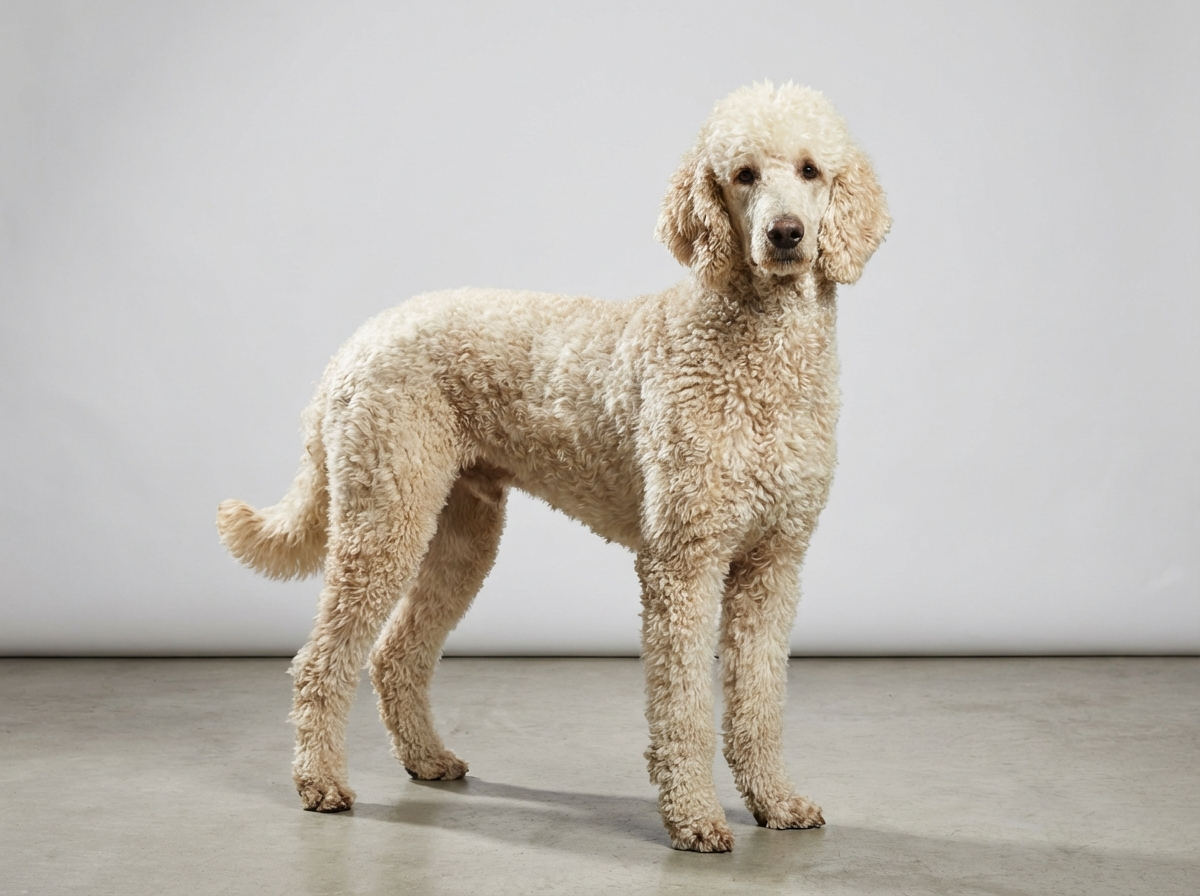
Poodles (Standard) can develop brachycephalic airway syndrome (BOAS) due to their physical structure. While they are not classified as brachycephalic like Bulldogs, their long noses and narrow throats can still lead to breathing issues. This can be exacerbated by factors like obesity, which is common in dogs that don’t get enough exercise.
Environment factors
Environmental factors also play a role in BOAS. High temperatures or humidity can make it harder for your Poodle to breathe. Additionally, stress or anxiety can worsen breathing difficulties, especially in new environments or during intense activities.
What you can do at home (once it is not an emergency)
When to talk to your vet
Consult your vet if your Poodle displays severe breathing difficulties, especially during exercise or in heat. They can assess your dog’s condition and recommend treatments or lifestyle changes if necessary.
At home, alongside your vet's plan
Monitor your Poodle's weight and ensure they maintain a healthy diet. Obesity can worsen breathing issues.
Limit exercise during hot or humid days. Opt for early morning or late evening walks when temperatures are cooler.
Create a calm environment to reduce stress. If your Poodle seems anxious, practice calming techniques like gentle petting or using calming music.
Mistakes that make this worse – Poodle (Standard) brachycephalic airway syndrome (boas)
Here are some common mistakes that can worsen Poodle (Standard) brachycephalic airway syndrome (BOAS) and how to avoid them.
Ignoring breathing noises: If your Poodle (Standard) is snoring or coughing, don't dismiss it as normal. These are signs of potential airway issues. Consult your vet for advice on managing these symptoms.
Overexerting during exercise: Poodles need exercise, but pushing them too hard can exacerbate breathing problems. Opt for shorter, more frequent walks instead of long, intense sessions.
Allowing overheating: Brachycephalic breeds struggle with heat regulation. Never leave your Poodle outside on hot days and ensure they have access to shade and water.
Neglecting weight management: Obesity can worsen airway issues. Keep your Poodle at a healthy weight through proper diet and regular vet check-ups.
Skipping regular vet visits: Routine check-ups are crucial for monitoring your Poodle's respiratory health. Regular vet visits can help catch problems early.
Using flat collars: Flat collars can restrict your dog's airway during pulling. Consider a harness instead, which distributes pressure more evenly and reduces strain on their neck.
Not training for calmness: An anxious dog may struggle more with breathing. Use positive reinforcement techniques to teach your Poodle calm behaviors, reducing stress and improving their breathing.
Improving your Poodle’s brachycephalic airway syndrome (BOAS) can take several weeks to months, depending on the severity. Regular vet visits and consistent management strategies are key.
Success means your Poodle breathes easier, has more energy, and can comfortably engage in activities without excessive panting or distress.
Working Through BOAS: A Poodle's Journey
Sarah, a busy nurse in Chicago, adopted a Standard Poodle named Max. She quickly noticed he struggled to breathe, especially during hot days or after playing. After consulting her vet, she learned about brachycephalic airway syndrome (BOAS) and started a regimen of shorter walks, avoiding heat, and using cooling mats. With patience and adjustments to his routine, Max became more active and lively. Sarah felt relieved when she saw him play without gasping for air.
Key takeaway: Managing a Poodle's BOAS requires a proactive approach, including lifestyle changes and regular vet check-ups, to ensure they lead a happy and healthy life.
Frequently asked questions
Why does my Poodle (Standard) have brachycephalic airway syndrome (BOAS)?
Brachycephalic airway syndrome (BOAS) in Poodles (Standard) is primarily due to their genetic makeup, which results in a shorter skull shape. This conformation can lead to narrowed airways and breathing difficulties. If you suspect your Poodle has BOAS, consult with a veterinarian for evaluation and management options.
How can I help my Poodle (Standard) with brachycephalic airway syndrome (BOAS)?
To help your Poodle (Standard) with brachycephalic airway syndrome (BOAS), provide a cool environment and avoid strenuous exercise during hot weather. Consider using a harness instead of a collar to reduce pressure on their throat. Regular vet visits for check-ups are essential to manage their condition effectively.
Can training help with my Poodle (Standard) brachycephalic airway syndrome (boas)?
While training won't cure brachycephalic airway syndrome (boas), it can help your Poodle (Standard) manage their behavior. Teaching commands and using positive reinforcement can reduce anxiety, which may alleviate some breathing issues.
Are there specific precautions I should take for my Poodle (Standard) with brachycephalic airway syndrome (boas)?
Yes, ensure your Poodle (Standard) avoids extreme temperatures and limit exercise during heat. Also, keep their weight in check, as obesity can worsen breathing difficulties.
What are the signs of brachycephalic airway syndrome (BOAS) in Poodles (Standard)?
Signs of brachycephalic airway syndrome (BOAS) in Poodles (Standard) include noisy breathing, snoring, and difficulty breathing during exercise or in hot weather. You might also notice your dog gagging or coughing more than usual. If you see these symptoms, it's essential to consult your vet.
Can older Poodles (Standard) develop brachycephalic airway syndrome (BOAS)?
Yes, older Poodles (Standard) can develop brachycephalic airway syndrome (BOAS), especially if they have underlying health issues. Aging can exacerbate breathing difficulties, so regular vet check-ups are crucial to monitor their health. If your older Poodle shows signs of distress while breathing, seek veterinary advice.
Is surgery an option for Poodles (Standard) with brachycephalic airway syndrome (BOAS)?
Surgery can be an option for Poodles (Standard) with severe brachycephalic airway syndrome (BOAS). It may involve correcting structural issues in the airway to improve breathing. A thorough evaluation by your vet will help determine if surgery is necessary for your dog.
What are quick tips for managing Poodle (Standard) brachycephalic airway syndrome (boas)?
Always monitor your Poodle (Standard) for breathing issues, and keep them cool during hot weather. Regular vet visits are key for managing their health.
Training
Can my Poodle (Standard) be trained to cope with breathing difficulties?
Yes, training can help your Poodle (Standard) stay calm and manage their anxiety, which may lessen breathing problems.
Costs
How much does treatment for Poodle (Standard) brachycephalic airway syndrome (boas) cost?
Treatment costs can vary widely, ranging from regular check-ups ($150-$300 monthly) to potential surgeries that could exceed $2,000.
A fuller vet-visit kit for Poodle Standard Brachycephalic Airway Syndrome Boas
The free prep sheet covers the same-day warning signs, a symptom log and the questions to ask. We are considering a fuller kit that adds a cost worksheet for the usual tests and treatments (US price ranges with their sources) and a plain-English guide to ways of covering the bill. It is not built yet; this list tells us whether it is worth building.
One email, no spam, unsubscribe anytime. Information only, not veterinary advice.