Behavior
What are quick tips for Poodles with progressive retinal atrophy (pra-rcd3)?
Create a safe space by keeping furniture in place and minimizing obstacles. Use verbal cues to guide your Poodle and maintain a consistent routine.
Progressive retinal atrophy (PRA-rcd3) is a serious vision loss condition affecting Poodles of all sizes. (Poodle (All Sizes) progressive retinal atrophy (pra-rcd3))
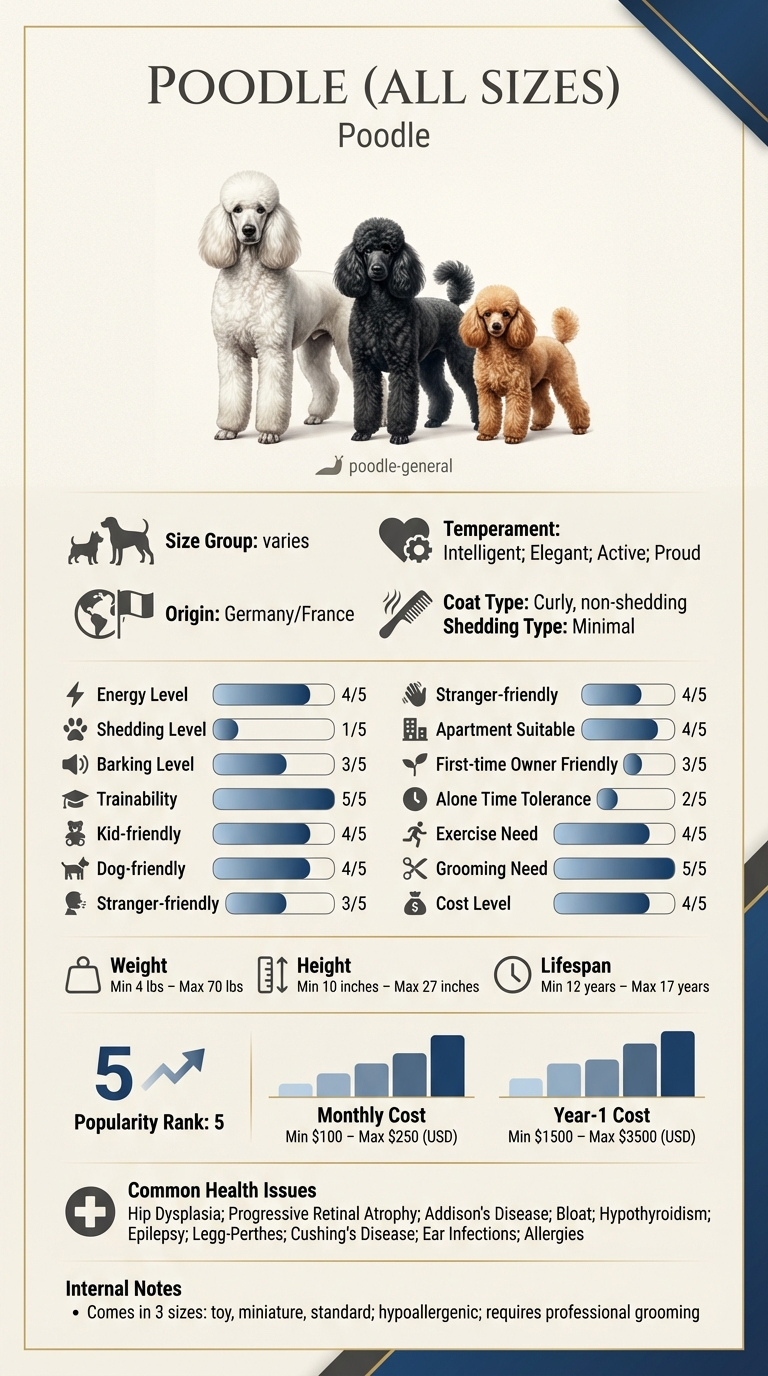
Owners of Poodles experiencing PRA-rcd3 often feel helpless as they watch their beloved pets struggle with vision loss. This issue is particularly tough for first-time dog owners or those with busy lifestyles who may not be familiar with canine health problems.
This guide is not medical advice. If your dog shows pain, sudden behavior change, or worsening symptoms, consult a licensed veterinarian.
Some links may be affiliate links. We may earn a commission at no extra cost to you. We only suggest products we believe are helpful for dog owners.
Poodle (All Sizes) progressive retinal atrophy (pra-rcd3) is a genetic eye disorder that leads to vision loss. Day-to-day, affected dogs may bump into furniture, struggle to navigate familiar areas, or appear disoriented in new environments. This condition can be especially distressing for both the dog and the owner, as it impacts the pet's ability to enjoy activities and interact safely.
This condition is relatively common among Poodles, particularly as they age. Estimates suggest that a significant percentage of Poodles may be affected by progressive retinal atrophy in their lifetime, especially if they have a family history of eye issues.
Progressive retinal atrophy (PRA-rcd3) is a genetic condition commonly found in Poodles, affecting their ability to see. It's caused by a mutation in the genes responsible for retinal health, leading to gradual vision loss. Unfortunately, this issue is inherited, so any Poodle may be at risk if their lineage carries this genetic trait.
While genetics play a significant role, environmental factors can exacerbate the situation. Poor lighting, lack of mental stimulation, and insufficient exercise can affect your Poodle's overall well-being. Keeping a consistent and enriching environment can help mitigate some of the impacts of this condition.
If your Poodle struggles with navigating or adapting to their vision loss, consider consulting a professional dog trainer. They can teach specialized techniques for guiding your dog and improving their confidence.
If you notice sudden changes in your Poodle's behavior or vision, such as bumping into objects or hesitating to move, contact your vet. They can provide advice on managing PRA-rcd3 and any complementary treatments that may help.
Managing Poodle (All Sizes) progressive retinal atrophy (pra-rcd3) takes time, often several months of consistent care and adjustments.
Success means your Poodle adjusts to their vision changes, remains confident, and continues to enjoy their life with the right support and environment.
When dealing with Progressive Retinal Atrophy (PRA-rcd3) in your Poodle, it's important to avoid certain behaviors that can worsen the situation. Here are common mistakes owners make, along with better alternatives.
Progressive Retinal Atrophy (PRA-rcd3) can lead to serious vision loss in your Poodle. It's crucial to recognize when your pet needs immediate veterinary attention versus when you can monitor their condition. Emergency signs include sudden changes in behavior, like bumping into furniture, extreme reluctance to move, or signs of pain in their eyes.
If you notice your Poodle struggling to see, particularly if it's sudden, call your vet immediately. Other red flags include excessive tearing, redness, or swelling in the eyes. If your dog is showing signs of distress or discomfort, don’t wait—get help right away.
On the other hand, if your Poodle shows mild symptoms, such as a gradual decline in vision or occasional disorientation, you can develop a management plan. Regular vet check-ups and monitoring their behavior can help you assess their condition. Keep a close eye on any changes, and ensure they are safe at home by removing obstacles and providing a consistent routine.
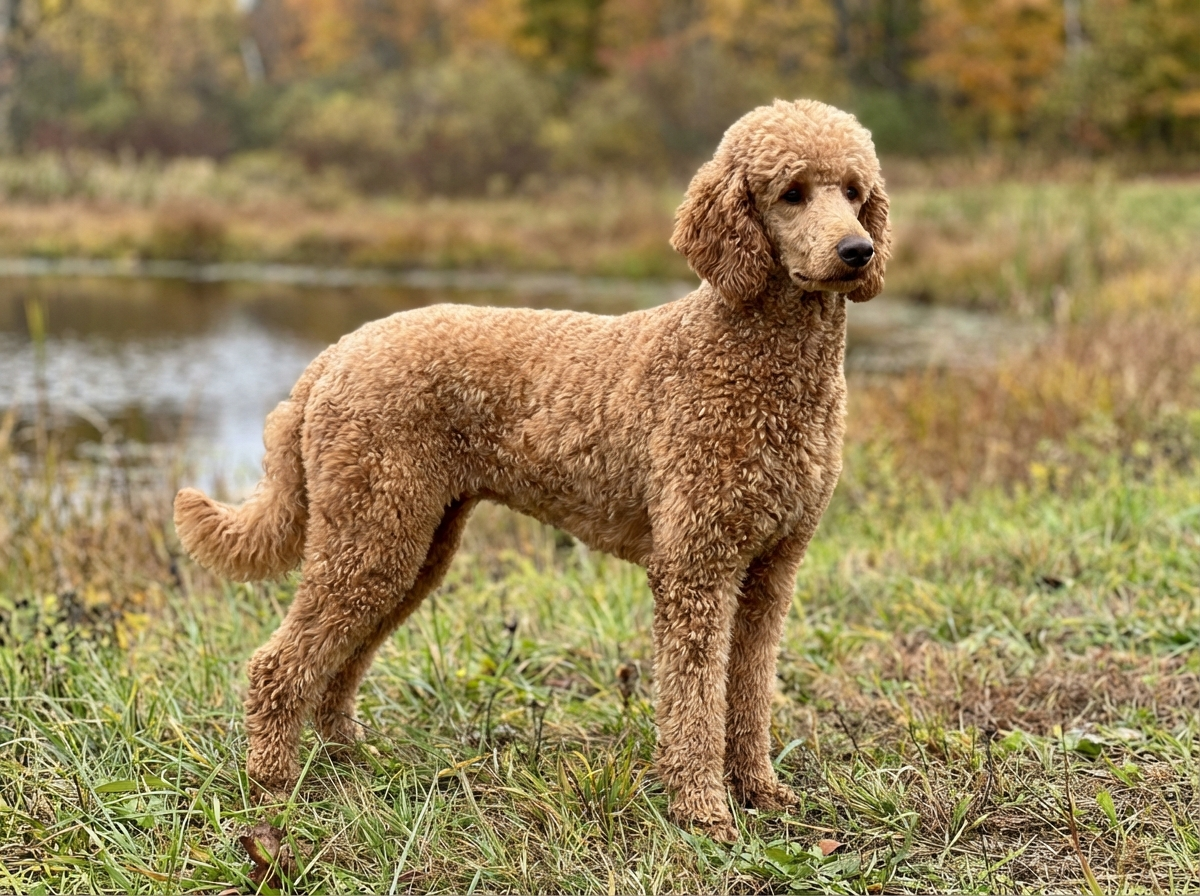
When Mary, a devoted Poodle owner, noticed her dog Bella bumping into furniture, she feared the worst. After a vet diagnosis of progressive retinal atrophy (pra-rcd3), Mary felt overwhelmed. However, she learned to create a safe and familiar space for Bella, using consistent verbal cues and maintaining a routine. Gradually, with patience and love, Bella adapted to her new reality, thriving in her home despite her vision loss.
Key takeaway: With the right support and understanding, dogs with progressive retinal atrophy can continue to lead happy, fulfilling lives.
Poodle (All Sizes) progressive retinal atrophy (pra-rcd3) is a genetic condition that leads to gradual vision loss. It's often inherited, meaning that if your Poodle has this issue, it may have come from its parents. Regular veterinary check-ups can help monitor their eye health.
Managing Poodle (All Sizes) progressive retinal atrophy (pra-rcd3) involves creating a safe environment for your dog. Keep furniture in fixed positions, avoid clutter, and use consistent pathways. Training your Poodle to respond to voice commands can also help them navigate more easily.
Currently, there is no cure for Poodle (All Sizes) progressive retinal atrophy (pra-rcd3). However, supportive care, such as ensuring they have a predictable routine and using harnesses for walks, can improve their quality of life. Always consult your vet for specific advice.
Early signs of Poodle (All Sizes) progressive retinal atrophy (pra-rcd3) include difficulty seeing in dim light and bumping into objects. As the condition progresses, you may notice more pronounced signs of vision loss. If you observe these symptoms, schedule a vet appointment.
Poodle (All Sizes) progressive retinal atrophy (pra-rcd3) is not life-threatening, but it can significantly impact their quality of life. While they may adapt to their vision loss, it’s important to provide them with support and adjustments to their living environment.
Early signs of PRA-rcd3 can include night blindness, difficulty seeing in dim light, and a reluctance to navigate unfamiliar areas. If you notice your Poodle bumping into objects or hesitating in low light, it's essential to consult your vet.
Currently, there is no cure for PRA-rcd3, regardless of the dog's age. However, your vet can provide guidance on managing symptoms and ensuring your Poodle's environment is safe and supportive.
Supporting a Poodle with PRA-rcd3 involves creating a consistent environment and minimizing obstacles. Using toys with sound and engaging their other senses can help keep them active and comfortable.
Yes, PRA-rcd3 is a genetic condition that can be inherited. If you're considering breeding your Poodle, it's crucial to test for this condition to prevent passing it to future litters.
If you suspect your Poodle has symptoms of PRA-rcd3, such as changes in vision or behavior, schedule a vet appointment as soon as possible. Early diagnosis can help with management strategies for your pet.
Create a safe space by keeping furniture in place and minimizing obstacles. Use verbal cues to guide your Poodle and maintain a consistent routine.
Managing Poodle (All Sizes) progressive retinal atrophy (pra-rcd3) might cost around $100 to $250 per month, including vet visits and necessary adaptations.
Yes, training can help your Poodle adapt to vision loss by reinforcing commands and routines. It’s essential to be patient and consistent in your training approach.