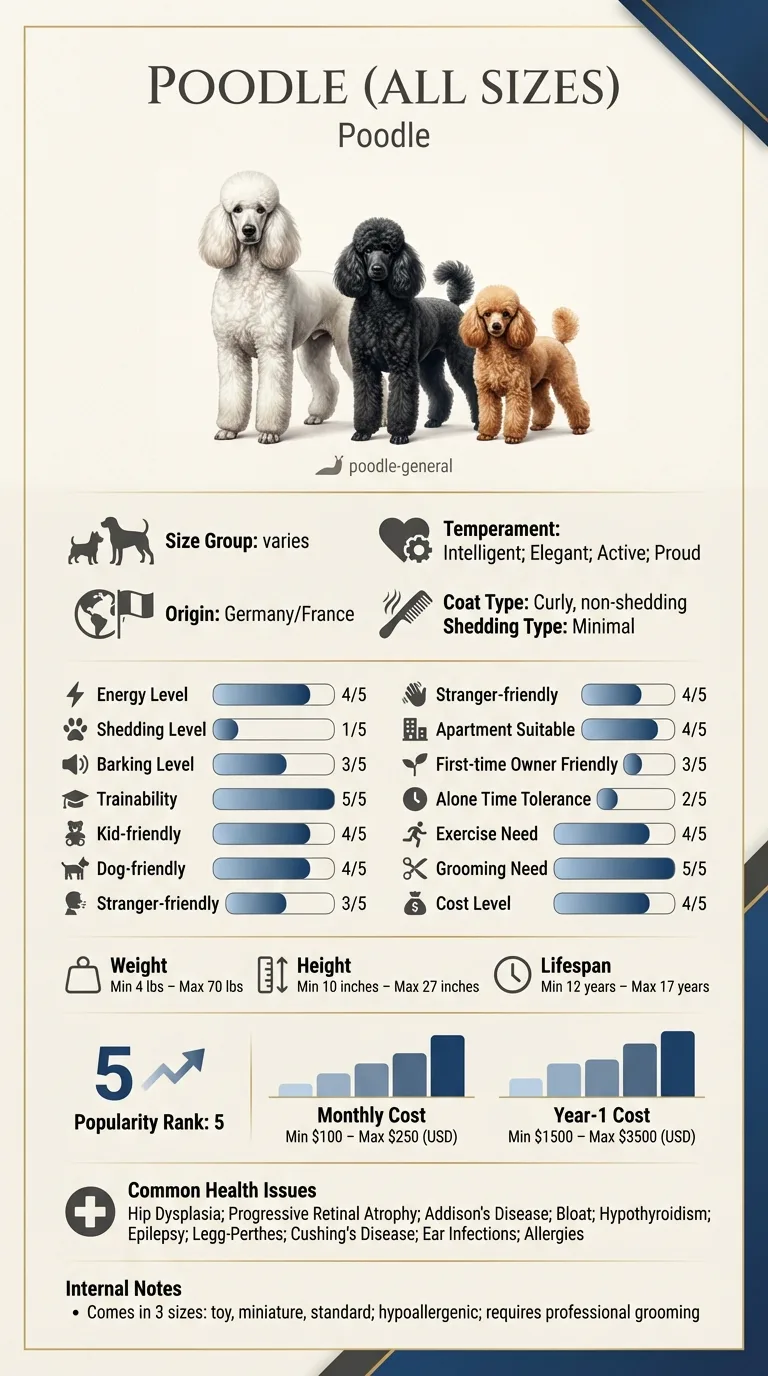
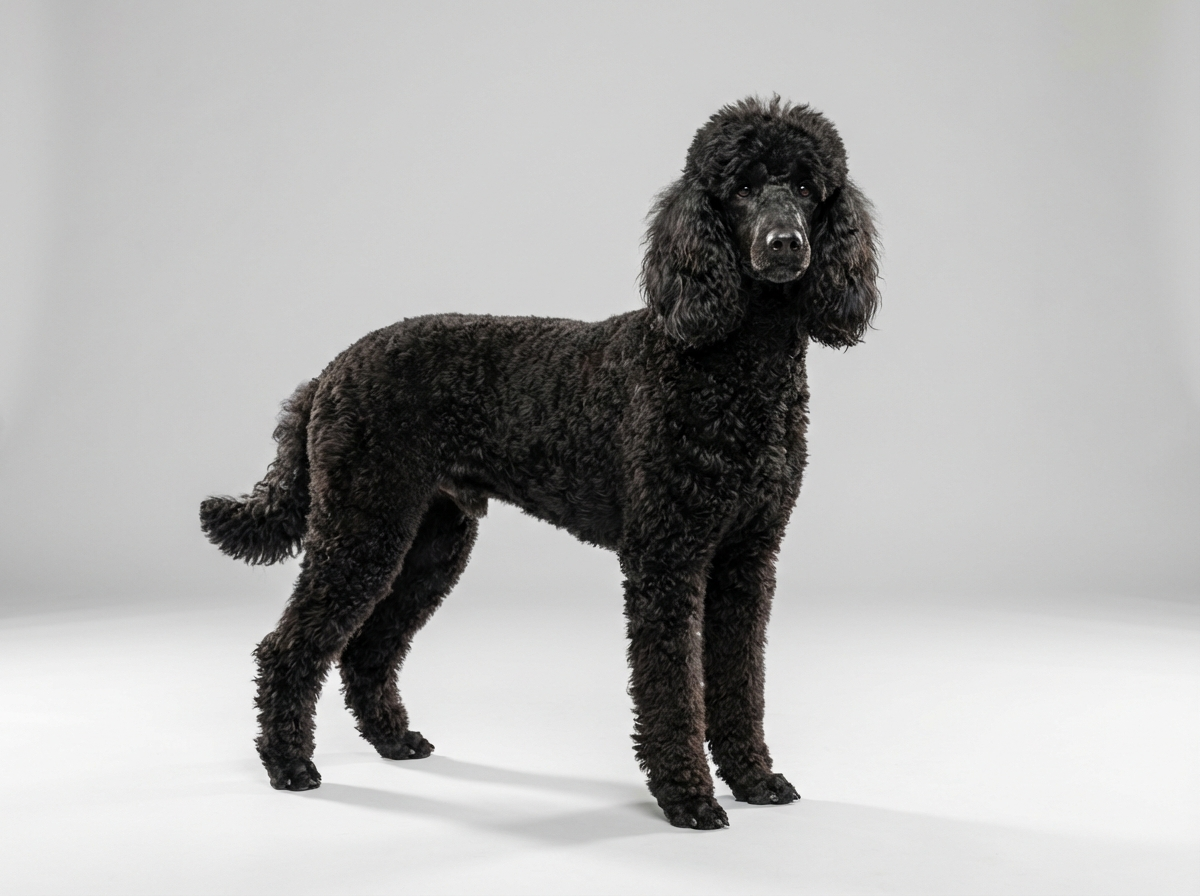
Poodle (All Sizes) back/spine issues can be a serious concern for dog owners. These problems often lead to pain and mobility challenges for your furry friend.
Owners of Poodles, especially those with older dogs or those prone to weight gain, often face this issue. Busy families or first-time pet owners may find it challenging to recognize the early signs of discomfort.
Important reminder
This guide is not medical advice. If your dog shows pain, sudden behavior change, or worsening symptoms, consult a licensed veterinarian.
Some links may be affiliate links. We may earn a commission at no extra cost to you. We only suggest products we believe are helpful for dog owners.
What this problem looks like
Poodle (All Sizes) back/spine issues can significantly impact your dog's quality of life. These issues often manifest as difficulty moving, reluctance to jump, or signs of pain when handled. Intervertebral disc disease is a common concern, leading to discomfort and mobility challenges for many Poodles, regardless of their size.
Common triggers
Injury from jumping or rough play
Obesity, which increases strain on the spine
Age-related degeneration of discs
Genetic predisposition, especially in certain Poodle sizes
Back/spine issues are fairly common in Poodles, particularly as they age. Smaller Poodles may face different risks than their larger counterparts, but all sizes are susceptible to some form of spinal concern. Regular vet check-ups and proper care can help manage these risks.
Why this happens
Breed factors
Poodles, regardless of size, have a predisposition to certain genetic conditions. These can include intervertebral disc disease, which affects their spine's stability. Their unique body structure and weight distribution can also make them more susceptible to back issues.
Environment factors
Environmental factors play a significant role as well. If your Poodle engages in excessive jumping or rough play, it can strain their back. Additionally, a lack of proper exercise or an unhealthy diet may contribute to obesity, further stressing their spine.
What you can try
At-home strategies
Limit high-impact activities such as jumping off furniture or rough play. Instead, encourage gentle walks and play sessions.
Maintain a healthy diet to keep your Poodle's weight in check. Consult with your vet about the best food options for maintaining a healthy weight.
Incorporate low-impact exercises like swimming or walking on soft surfaces to strengthen their muscles without straining their spine.
Create a comfortable resting area that supports their back. Use orthopedic dog beds designed for spinal support.
When to consider a trainer
If your Poodle frequently displays signs of discomfort during activities or struggles with basic commands, consider hiring a professional trainer. They can provide specialized techniques to train your dog gently without risking further injury.
When to talk to your vet
If you notice your Poodle limping, having difficulty standing, or showing signs of pain when moving, it's time to consult your veterinarian. They can assess the situation and recommend appropriate treatment options, which may include medications or further diagnostics.
Realistic expectations
You can expect to see improvements in your Poodle's back/spine issues within 4 to 8 weeks of consistent training and care. However, some cases may take longer, depending on severity.
Success means your Poodle will show reduced discomfort, improved mobility, and a better quality of life. Regular exercise and training will help them regain confidence and strength.
Mistakes that make this worse
Here are some common mistakes Poodle owners make that can worsen back and spine issues. Avoiding these can help your dog feel better and recover more effectively.
Ignoring early signs of discomfort: Many owners overlook subtle signs like stiffness or reluctance to jump. Early intervention is crucial, so pay attention to any behavioral changes.
Allowing excessive jumping: Encouraging your Poodle to jump on and off furniture can strain their back. Instead, provide ramps or steps to help them get up safely.
Overlooking weight management: Extra weight can put additional stress on a Poodle's spine. Maintaining a healthy diet and regular exercise can prevent further issues.
Neglecting regular vet check-ups: Skipping veterinary visits can delay diagnosis and treatment. Regular check-ups can catch problems early, leading to better outcomes.
Forcing activity during pain: Some owners push their Poodles to exercise even when they're in pain. It's important to let them rest and consult a vet for appropriate activity levels.
Improper training techniques: Using harsh training methods can increase stress and anxiety, which may exacerbate spine issues. Focus on positive reinforcement and gentle training instead.
When Poodle (All Sizes) Back/Spine Issues Are an Emergency
Not all back or spine issues in Poodles require immediate attention. However, there are clear signs that indicate you should contact your vet right away. If your Poodle is experiencing severe pain, is unable to walk or stand, or shows signs of paralysis, you need to seek help immediately. These could be signs of significant spinal injury or intervertebral disc disease that requires urgent care.
Other red flags include sudden changes in behavior, such as aggression or extreme lethargy, especially if accompanied by muscle tremors or spasms. If your dog is losing control of their bladder or bowels, this is also a critical sign to call your vet now.
On the other hand, if your Poodle is exhibiting mild discomfort, like occasional limping or stiffness after exercise, you may monitor the situation at home. You can create a plan that includes gentle exercise and monitoring their activity levels. Keeping an eye on their behavior can help determine if the issue is worsening or improving. If the symptoms persist for more than a few days, it’s always best to consult your vet to rule out serious conditions.

Understanding Poodle (All Sizes) Back/Spine Issues - When Poodle (All Sizes) Back/Spine Issues Are an Emergency
A Journey to Recovery: Bella the Poodle
When Sarah adopted Bella, her standard Poodle, she noticed Bella often limping after playtime. After a vet visit, Sarah learned Bella had early-stage intervertebral disc disease. Initially overwhelmed, Sarah committed to a tailored exercise plan and gentle training techniques. With patience, Bella slowly regained strength and confidence, allowing her to play without pain.
Key takeaway: Managing back/spine issues in Poodles requires dedication and a proactive approach. Regular vet check-ups and a balanced exercise routine can lead to significant improvements.
Frequently asked questions
Why does my Poodle (All Sizes) have back/spine issues?
Poodles can experience back/spine issues due to genetics, obesity, or lack of proper exercise. Intervertebral disc disease is common in this breed, especially if they are not maintained at a healthy weight. Regular vet check-ups can help identify and manage these issues early.
How can I stop Poodle (All Sizes) back/spine issues?
To help prevent back/spine issues in your Poodle, ensure they maintain a healthy weight and get regular low-impact exercise. Avoid activities that involve jumping or twisting, and consider how you handle them during play. Consistent training to reinforce gentle behavior can also be beneficial.
What training helps with Poodle (All Sizes) back/spine issues?
Training that emphasizes gentle handling and controlled movements can be crucial for Poodles with back/spine issues. Teaching commands like 'slow' or 'easy' during playtime can help manage their excitement. Additionally, consulting a professional trainer familiar with this breed can provide tailored strategies.
When should I see a vet for my Poodle (All Sizes) back/spine issues?
If your Poodle shows signs of pain, difficulty walking, or reluctance to move, it’s time to see a vet. Early intervention can prevent more severe complications. Regular check-ups are also important, as some back/spine issues can develop over time without obvious symptoms.
Are certain sizes of Poodles more prone to back/spine issues?
All sizes of Poodles can be affected by back/spine issues, but smaller sizes may be more susceptible to certain conditions like intervertebral disc disease. Regardless of their size, maintaining a healthy lifestyle is key to minimizing risks.
What are the signs of back/spine issues in my Poodle?
Common signs include difficulty walking, yelping when touched, or reluctance to jump or play. If your Poodle seems to be in pain or shows changes in behavior, it’s important to consult a vet.
How can I prevent back/spine issues in my Poodle?
Keeping your Poodle at a healthy weight and engaging in regular, low-impact exercise can help. Avoiding high-impact activities, especially in young puppies, is also beneficial.
When should I see a vet for my Poodle's back/spine problems?
If your Poodle shows persistent signs of pain, difficulty moving, or any sudden changes in behavior, seek veterinary care immediately. Early intervention can help manage and treat spine issues more effectively.
Are back/spine issues common in all sizes of Poodles?
Yes, back/spine issues can affect Poodles of all sizes. However, larger Poodles may be more prone to certain conditions like hip dysplasia, which can also impact their spine health.
Can training help with my Poodle's back/spine issues?
While training won't cure back/spine issues, it can help your Poodle learn to avoid movements that exacerbate pain. Gentle training focused on low-impact commands can be supportive, but always consult a vet first.
What are quick tips for Poodle (All Sizes) back/spine issues?
Monitor your Poodle's weight and provide regular, gentle exercise to support spinal health. Avoid allowing them to jump from heights, which can strain their back. Regular vet visits can help catch issues early.
Living
How can I make my home safe for a Poodle (All Sizes) with back/spine issues?
Keep floors clear of clutter and provide non-slip mats to help prevent slips and falls. Create a comfortable resting area that supports their back and prevents strain.
Costs
What is the cost associated with treating Poodle (All Sizes) back/spine issues?
Treatment costs can vary significantly, but expect to spend between $100 to $500 for initial vet visits and diagnostics. If surgery is needed, costs can rise to several thousand dollars.
Related DogBreedCompass guides
Poodle (All Sizes) behavior problems – Learn more about Poodle (All Sizes) behavior issues to understand how they might relate to back/spine problems.
how to stop Poodle (All Sizes) back/spine issues – Explore training techniques specifically designed for Poodles to help prevent back/spine issues.
Poodle (All Sizes) health issues – Find out about common health issues in Poodles so you can identify potential back/spine problems.
Poodle (All Sizes) separation anxiety guide – Check out the guide on separation anxiety in Poodles, which can sometimes contribute to physical issues.
Poodle (All Sizes) cost breakdown – Get a deeper understanding of the costs associated with owning a Poodle, including potential health expenses.