DogBreedCompass
← Back to breed profile

Understanding Pomeranian Small Nostrils (Stenotic Nares)

Pomeranian small nostrils, or stenotic nares, can cause serious breathing issues. This condition is common in small dog breeds and can affect their quality of life. (Pomeranian small nostrils (stenotic nares))

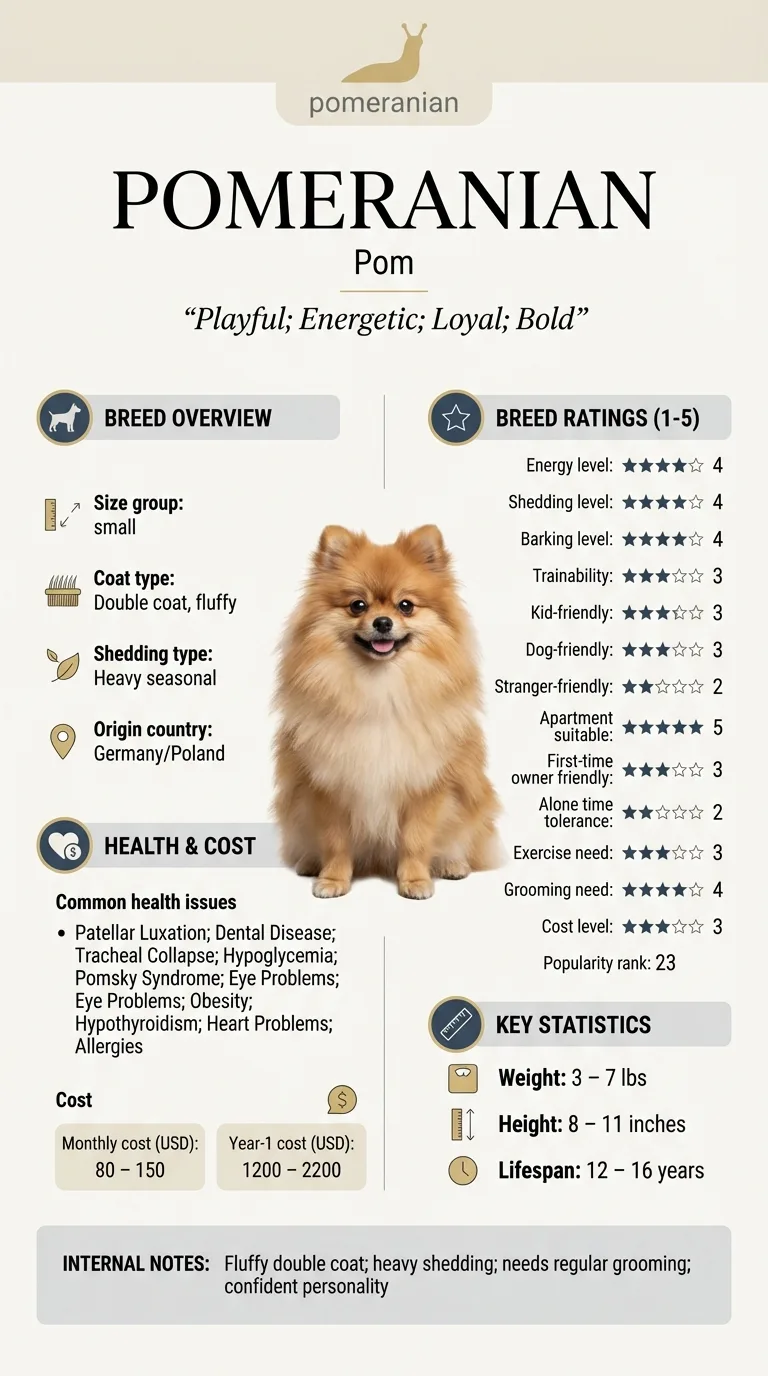
Understanding Pomeranian Small Nostrils (Stenotic Nares) infographic

This problem often affects first-time dog owners and families who aren't familiar with the specific health issues of Pomeranians. Busy pet parents might not notice the signs until it becomes a significant concern.

Important reminder

This guide is not medical advice. If your dog shows pain, sudden behavior change, or worsening symptoms, consult a licensed veterinarian.

Some links may be affiliate links. We may earn a commission at no extra cost to you. We only suggest products we believe are helpful for dog owners.

What this problem looks like

Pomeranian small nostrils, also known as stenotic nares, is a common breathing issue characterized by narrow nostrils that can obstruct airflow. This problem often leads to noisy breathing, snorting, or wheezing sounds. Daily life for a Pomeranian with this condition can include difficulty exercising or overheating during playtime, which can be frustrating for both the dog and owner.

Common triggers

  • Hot weather, making breathing even harder
  • Excitement or stress, which can worsen breathing difficulty
  • Physical exertion like running or playing

Stenotic nares are relatively common in Pomeranians due to their brachycephalic facial structure. Many Pomeranians exhibit some level of this condition, particularly as they age or if they come from certain breeding lines.

Why this happens

Breed factors

Pomeranians have a unique facial structure that includes small nostrils, or stenotic nares. This breed characteristic can lead to breathing difficulties, especially during play or exercise. Their compact build can also exacerbate these issues, making them more prone to respiratory problems.

Environment factors

Environmental factors, such as hot weather or high humidity, can worsen breathing issues in Pomeranians with small nostrils. Stressful situations, like loud noises or unfamiliar environments, can also trigger anxiety, leading to further breathing difficulties. Additionally, obesity can increase the strain on their respiratory system.

What you can try

At-home strategies

  • Monitor your Pomeranian during exercise to prevent overexertion. Take breaks in a cool, shaded area if they seem to struggle with breathing.
  • Keep your home environment calm and low-stress. Use soothing music or a quiet space to help your dog relax.
  • Maintain a healthy diet and weight to reduce strain on their respiratory system. Consider portion control and regular walks for exercise.

When to consider a trainer

If your Pomeranian shows signs of anxiety or fear related to breathing, consider consulting a professional trainer. They can provide techniques to help your dog feel more secure and confident.

When to talk to your vet

If you notice persistent breathing difficulties, coughing, or lethargy, contact your veterinarian. They can assess your dog's condition and recommend treatments, which may include medications or surgery to correct the nostril structure.

Realistic expectations

You can expect to see improvements in your Pomeranian's breathing within a few weeks of starting training and care adjustments. However, full resolution might take several months, especially if surgical options are considered.

Success means your Pomeranian breathes more easily during exercise and at rest, showing fewer signs of distress. You’ll also notice a calmer and happier pup, which boosts their overall quality of life.

Mistakes that make this worse – Pomeranian small nostrils (stenotic nares)

Avoiding common mistakes can help improve your Pomeranian's breathing issues. Here are some behaviors to avoid and safer alternatives.

  • Ignoring the signs of distress: Many owners overlook heavy panting or difficulty breathing as normal behavior. Instead, pay attention to these signs and consult your vet for advice.
  • Overexerting your Pomeranian: Taking your dog for long walks or intense play sessions can worsen breathing issues. Opt for shorter, more frequent walks and gentle playtime.
  • Using harsh training methods: Yelling or using harsh corrections during training can increase stress and anxiety. Use positive reinforcement techniques to encourage good behavior.
  • Neglecting weight management: Obesity can exacerbate breathing problems. Ensure your Pomeranian has a balanced diet and regular exercise to maintain a healthy weight.
  • Failing to provide a comfortable environment: Hot weather or high humidity can make breathing more difficult. Create a cool, comfortable space for your Pomeranian to relax.
  • Skipping regular vet check-ups: Many owners wait until issues are severe before seeking help. Schedule regular check-ups to catch potential problems early.

When to Consider Pomeranian Small Nostrils an Emergency

Red-flag signs that mean 'call your vet now' include excessive panting, difficulty breathing, or if your Pom collapses or shows signs of distress. Additionally, if your dog seems lethargic, has a bluish tint to their gums, or is coughing frequently, these are serious indicators of an emergency. Don’t wait if you notice these symptoms; immediate veterinary attention is essential.

On the other hand, mild cases can usually be monitored with a plan. If your Pomeranian occasionally snorts or has slight difficulty breathing during play but recovers quickly, you might not need to rush to the vet. Observing your dog’s behavior and keeping track of any changes is important. Keeping a journal of their symptoms can help you make informed decisions about when to seek help.

Remember, if you’re ever unsure, it’s better to err on the side of caution. Consulting with your veterinarian can provide peace of mind and ensure your Pomeranian receives the appropriate care.

Understanding Pomeranian Small Nostrils (Stenotic Nares) - When to Consider Pomeranian Small Nostrils an Emergency

Emily and Bella's Journey to Better Breathing

Emily, a first-time dog owner in a busy city, noticed her Pomeranian, Bella, struggling to breathe, especially during walks. After a visit to the vet, she learned that Bella had small nostrils, a common issue in the breed. With guidance, Emily implemented breathing exercises and adjusted Bella's activities to avoid overexertion. After a few months of patience and care, Bella's breathing improved significantly, and she became much more playful and energetic.

Key takeaway: With the right care and adjustments, you can help your Pomeranian manage small nostrils (stenotic nares) effectively, leading to a happier and healthier life.

Frequently asked questions

Why does my Pomeranian have small nostrils (stenotic nares)?

Pomeranians often have small nostrils due to their brachycephalic structure. This can lead to breathing difficulties, especially during exercise or heat. It's important to monitor your Pom for any signs of distress or discomfort.

How can I help my Pomeranian with small nostrils (stenotic nares)?

To help your Pomeranian, ensure they have a calm environment and avoid strenuous activities in hot weather. Regular vet check-ups can also help manage their breathing issues and identify any complications early.

What are the signs of breathing problems in Pomeranians with small nostrils?

Signs include loud or labored breathing, excessive panting, and coughing. If your Pomeranian shows these symptoms, consult your vet for a thorough check-up.

Can training help with my Pomeranian's small nostrils (stenotic nares)?

While training won't change their anatomy, positive reinforcement can help them learn to stay calm and manage anxiety. This can reduce stress on their breathing during various situations.

Is surgery necessary for Pomeranians with small nostrils (stenotic nares)?

In some cases, surgery may be recommended to widen the nostrils and improve airflow. Discuss your options with your vet if your Pomeranian shows significant breathing issues.

What lifestyle changes can benefit a Pomeranian with small nostrils?

Providing a cool, comfortable environment and avoiding heavy exercise can greatly help. Additionally, maintaining a healthy weight can reduce stress on their respiratory system.

What are the symptoms of small nostrils (stenotic nares) in Pomeranians?

Symptoms of Pomeranian small nostrils (stenotic nares) include noisy breathing, snoring, and difficulty exercising. You may also notice your dog panting excessively or struggling to catch their breath, especially in hot or humid weather.

Can small nostrils (stenotic nares) worsen with age?

Yes, small nostrils (stenotic nares) can worsen as Pomeranians age. As they experience other health issues, such as obesity, it can exacerbate breathing difficulties. Regular vet check-ups are essential to monitor their respiratory health.

How can I help my Pomeranian with small nostrils (stenotic nares)?

To help your Pomeranian, ensure they maintain a healthy weight and avoid excessive heat. Providing a calm environment can also help reduce stress, which might alleviate breathing issues. Consult your vet about potential treatments, including surgery if necessary.

When should I see a vet for my Pomeranian's breathing issues?

If your Pomeranian shows signs of severe breathing difficulties, such as blue-tinged gums or excessive lethargy, seek veterinary care immediately. Regular check-ups are crucial, especially if they have a known history of small nostrils (stenotic nares).

Are certain Pomeranians more prone to small nostrils (stenotic nares)?

Yes, smaller Pomeranians often have more pronounced breathing issues due to their structure. If your Pomeranian has a flat face or a compact build, they may be at higher risk for small nostrils (stenotic nares).

Quick answers

View more answers
Behavior

What are quick tips for Pomeranian small nostrils (stenotic nares)?

Keep your Pomeranian cool and calm, especially in hot weather. Regular vet check-ups are crucial for monitoring their breathing health.

Costs

How much does it cost to treat Pomeranian small nostrils (stenotic nares)?

Treatment costs can vary, but expect to pay between $80 and $150 monthly for general care, with possible additional costs for surgery if needed.

Training

Can I train my Pomeranian to breathe better?

Training can help reduce anxiety, which may improve breathing during stressful situations. Focus on positive reinforcement techniques.

Related DogBreedCompass guides

Related guides