Behavior
What are some quick tips for Pomeranian skin allergies?
To help with Pomeranian skin allergies, ensure your dog is free from fleas, consider hypoallergenic food, and bathe them regularly with gentle shampoos.

Quick answer
What are some quick tips for Pomeranian skin allergies?
To help with Pomeranian skin allergies, ensure your dog is free from fleas, consider hypoallergenic food, and bathe them regularly with gentle shampoos.
Pomeranian skin allergies can cause itching and irritation, making your furry friend uncomfortable.
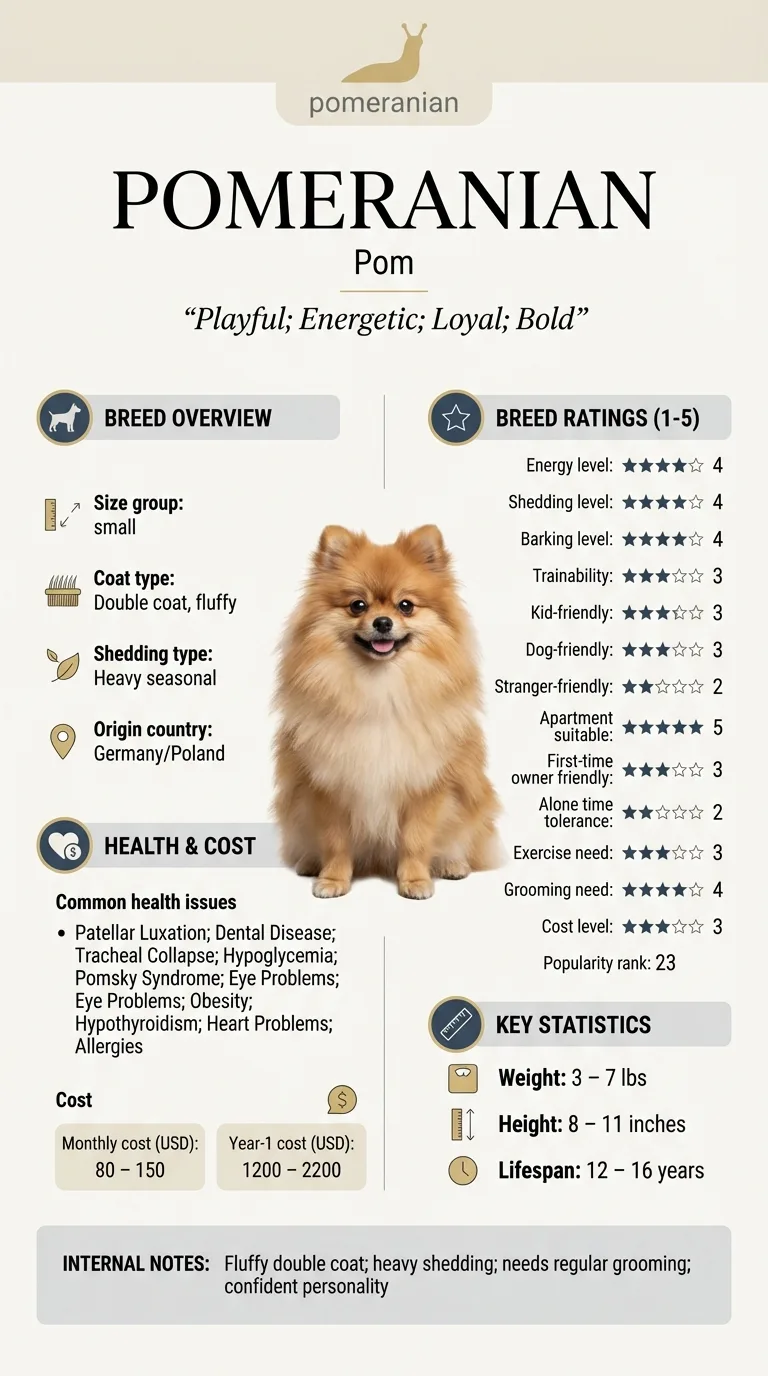
Owners of Pomeranians often find themselves dealing with skin allergies, especially if their dog has a history of sensitivities. New dog parents or those with busy lifestyles may struggle to recognize and manage these issues effectively.
This guide is not medical advice. If your dog shows pain, sudden behavior change, or worsening symptoms, consult a licensed veterinarian.
Some links may be affiliate links. We may earn a commission at no extra cost to you. We only suggest products we believe are helpful for dog owners.
We research and check what we publish, but we do not warrant that any figure, date, price, or statement is accurate, complete, or current, and we accept no liability for any loss, cost, injury, or other harm arising from the use of this site. Use it as one reference among several. You remain responsible for your own decisions and for your dog's care - confirm anything that matters with a licensed veterinarian or another qualified professional before you act on it. Full disclaimer.
Check this first
Pomeranian skin allergies can range from mild irritation to serious issues. Knowing when to act is crucial for your dog's health. Here are red-flag signs that indicate you should call your vet immediately, versus cases that can be monitored at home.
Emergency Signs: - Severe itching or scratching that leads to open wounds or bleeding. - Swelling or hives appearing on the skin. - Signs of infection, such as foul odor or discharge from sores. - Vomiting or diarrhea that occurs alongside skin issues. - Difficulty breathing or excessive panting, which may indicate an allergic reaction.
If your Pom shows any of these symptoms, it’s time to contact your vet right away.
Mild Cases to Monitor: - Occasional scratching without open wounds. - Red or flaky skin that doesn’t seem to worsen. - Seasonal changes causing minor irritation. - Mild ear infections that don’t lead to significant discomfort.
In these situations, keep an eye on your pet. You can implement an antihistamine or a soothing bath to see if it helps. If symptoms persist or worsen, consult your vet for further guidance.
Understanding these signs will help you keep your Pomeranian healthy and comfortable. When in doubt, it's always safer to err on the side of caution and seek professional advice.
If any of these apply, call your vet or an emergency clinic now. The rest of this page is for the cases that are not an emergency.
Pomeranian skin allergies can lead to daily discomfort for your furry friend. Symptoms often include itching, redness, and irritation, which can make your Pom feel restless and agitated. These allergies can be caused by various factors, such as environmental allergens, food sensitivities, or even fleas, and they may lead to secondary infections if not managed properly.
Skin allergies are fairly common in Pomeranians, especially given their fluffy double coats that can trap allergens. Many Poms experience some form of skin irritation in their lifetime, making it essential for owners to be aware of their dog's skin health.
Pomeranians have a fluffy double coat that can trap allergens like pollen and dust. Their skin is also sensitive, making them prone to reactions from food, fleas, and environmental factors. Additionally, genetic predisposition increases their likelihood of developing skin allergies.
Environmental factors such as seasonal changes, humidity levels, and exposure to irritants can contribute to skin allergies in Pomeranians. Sudden changes in diet or contact with harsh chemicals in cleaning products may also trigger allergic reactions.
Consult your vet if your Pomeranian experiences severe itching, redness, or secondary infections. If home remedies don’t improve their condition within a couple of weeks, or if you see changes in their appetite or energy levels, it’s essential to seek professional help.
Avoiding these common mistakes can help improve your Pomeranian's skin allergies. Here are some behaviors to watch out for and safer alternatives.
Start here: Pomeranian Most Common Genetic Disorders: What to Screen For
See all Pomeranian health problems, which breeds are prone to skin allergies, or the full Pomeranian breed guide for temperament, exercise needs and ownership costs.
Managing Pomeranian skin allergies typically takes 3 to 6 months to find effective solutions and see improvement.
Success means your Pomeranian experiences significantly reduced itching, healthier skin, and a happier demeanor.
When Sarah adopted Bella, her adorable Pomeranian, she quickly noticed her constant scratching and red patches on the skin. After visiting the vet, Sarah learned that Bella had skin allergies, likely triggered by environmental factors and food sensitivities. With a tailored approach involving allergy testing, a change in diet, and specific topical treatments, Sarah committed to a regular grooming routine to keep Bella's coat healthy. After several months of care, Bella's skin improved dramatically, and her playful personality returned.
Key takeaway: With patience and a structured plan, you can effectively manage Pomeranian skin allergies and improve your dog's quality of life.
Pomeranian skin allergies can result from various factors, including food sensitivities, environmental allergens, or flea bites. It's essential to identify the trigger by monitoring your dog's reactions to different foods or environments. Consulting a vet can help determine the cause and recommend appropriate treatments.
To stop Pomeranian skin allergies, start by identifying and removing potential allergens from your dog's diet and environment. Regular grooming to remove dander and irritants can also help. If symptoms persist, your vet may recommend medicated shampoos or allergy medications.
Signs of Pomeranian skin allergies include excessive itching, redness, and inflammation on the skin. You may also notice hair loss or scabs. If you see these symptoms, it's best to consult a vet for a proper diagnosis and treatment plan.
Mild cases of Pomeranian skin allergies can sometimes be managed at home with hypoallergenic shampoos and a change in diet. However, for persistent or severe cases, it's crucial to seek veterinary care to avoid complications and ensure effective treatment.
Foods that are grain-free or contain novel proteins, like duck or fish, can be beneficial for Pomeranian skin allergies. Always consult your vet before making significant changes to your dog's diet to ensure their nutritional needs are met.
Regular grooming is vital for managing Pomeranian skin allergies. It helps remove allergens such as dust and dander from their coat. Additionally, grooming can prevent matting, which may trap irritants against the skin.
Common triggers for Pomeranian skin allergies include food ingredients, pollen, dust mites, and certain grooming products. Identifying these triggers can help you manage your dog's symptoms effectively.
If your Pomeranian is excessively scratching, has open sores, or shows signs of swelling, you should consult a vet. Serious allergic reactions can lead to infections and require immediate attention.
Yes, Pomeranian skin allergies can develop at any age, even in dogs that previously had no issues. Regular check-ups with your vet can help monitor any changes in your dog's skin health.
A hypoallergenic diet may help reduce skin allergy symptoms in Pomeranians. Consult your vet for recommendations on food that can minimize allergic reactions and support your dog's skin health.
Some home remedies include oatmeal baths and coconut oil applications, which can soothe irritated skin. However, always check with your vet before trying new treatments to ensure they're safe for your Pomeranian.
To help with Pomeranian skin allergies, ensure your dog is free from fleas, consider hypoallergenic food, and bathe them regularly with gentle shampoos.
Groom your Pomeranian at least once a week to reduce allergens and maintain coat health. Regular grooming helps prevent skin irritation.
Yes, skin allergies can lead to discomfort, causing irritability or increased anxiety in Pomeranians. Addressing the underlying issue can improve their mood.
Yes, if your Pomeranian shows signs of skin allergies, a vet visit is essential. They can diagnose the issue and recommend appropriate treatments.
A one-page prep sheet for this condition: the signs, the questions to ask, what to get priced. Unlocks here.
You get: Vet visit prep sheet
No spam. One-click unsubscribe. See our privacy policy.
Preview page 1 before you decide.