Behavior
What are quick tips for Pomeranian respiratory disease?
Keep your Pomeranian at a healthy weight and avoid smoke exposure. Regular vet visits and monitoring their breathing are essential.

Quick answer
What are quick tips for Pomeranian respiratory disease?
Keep your Pomeranian at a healthy weight and avoid smoke exposure. Regular vet visits and monitoring their breathing are essential.
Pomeranian respiratory disease can be a serious concern for these charming little dogs. This condition often leads to breathing difficulties, which can affect their overall quality of life.
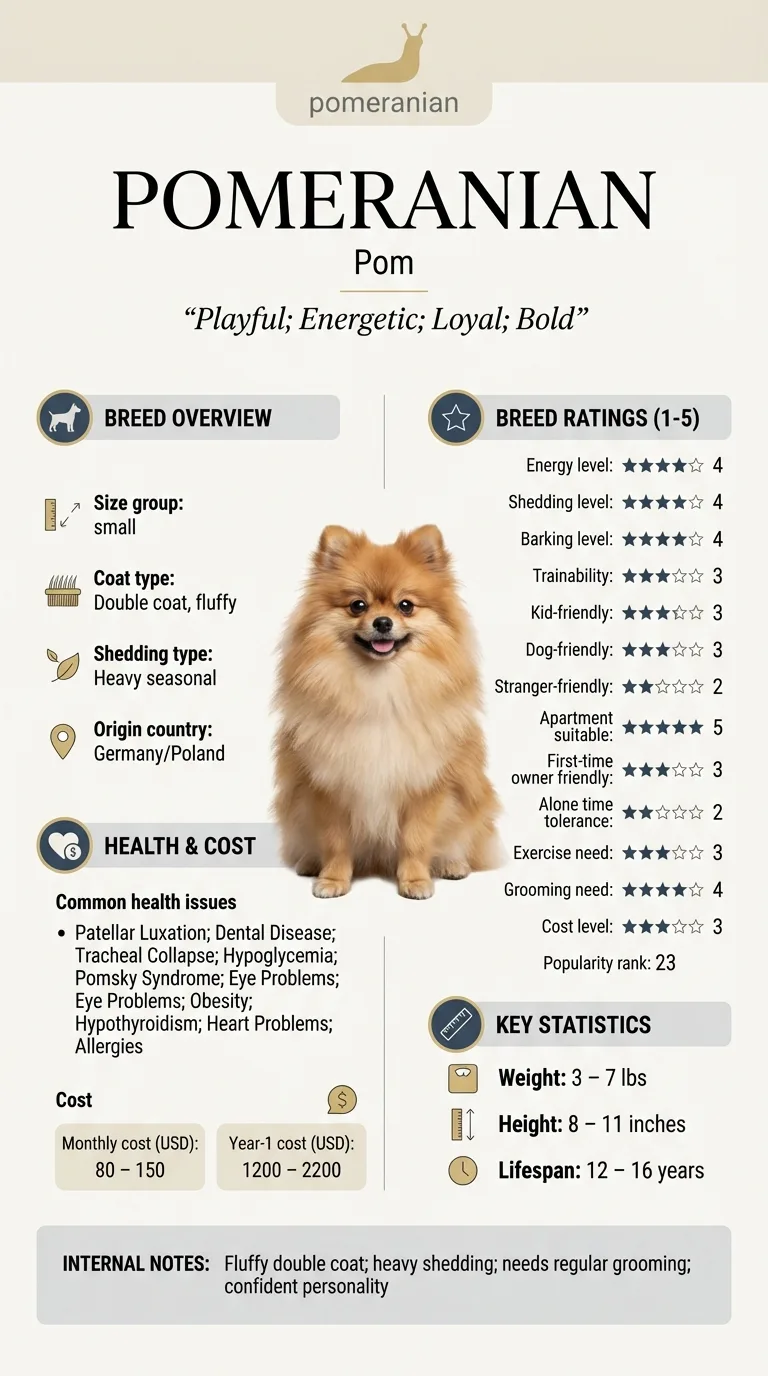
Many first-time Pomeranian owners, as well as those living in urban environments, may encounter respiratory issues with their dogs. Owners who might not realize the importance of monitoring their dog's breathing patterns can find themselves struggling to manage this health concern.
This guide is not medical advice. If your dog shows pain, sudden behavior change, or worsening symptoms, consult a licensed veterinarian.
Some links may be affiliate links. We may earn a commission at no extra cost to you. We only suggest products we believe are helpful for dog owners.
We research and check what we publish, but we do not warrant that any figure, date, price, or statement is accurate, complete, or current, and we accept no liability for any loss, cost, injury, or other harm arising from the use of this site. Use it as one reference among several. You remain responsible for your own decisions and for your dog's care - confirm anything that matters with a licensed veterinarian or another qualified professional before you act on it. Full disclaimer.
Check this first
Recognizing when Pomeranian respiratory disease is serious can save your dog's life. If you see any of the following red-flag signs, call your vet immediately. These include persistent coughing, difficulty breathing, bluish gums, or excessive lethargy. If your Pomeranian struggles to breathe or collapses, don’t wait—seek emergency care right away.
In contrast, there are cases that can be monitored at home. If your dog shows mild coughing or sneezing without other severe symptoms, you might be able to watch and wait. Ensure your Pom is still eating, drinking, and playing normally. Regular vet check-ups are essential to track any changes in their health.
Keep in mind that respiratory issues can escalate quickly. Always err on the side of caution and consult your vet if you're unsure. It's better to have peace of mind than to risk your Pomeranian's health by waiting too long.
If any of these apply, call your vet or an emergency clinic now. The rest of this page is for the cases that are not an emergency.
Pomeranian respiratory disease can be a serious concern for this small breed. It often manifests as coughing, wheezing, or labored breathing, which can occur during play or even at rest. This condition is especially common in Pomeranians due to their brachycephalic facial structure, making them more prone to respiratory issues than many other breeds.
Respiratory disease is notably prevalent in Pomeranians, with studies indicating they have a 479% higher risk of experiencing these issues compared to non-brachycephalic dogs. Many Pomeranians will face some form of respiratory challenge in their lifetime, making awareness crucial for owners.
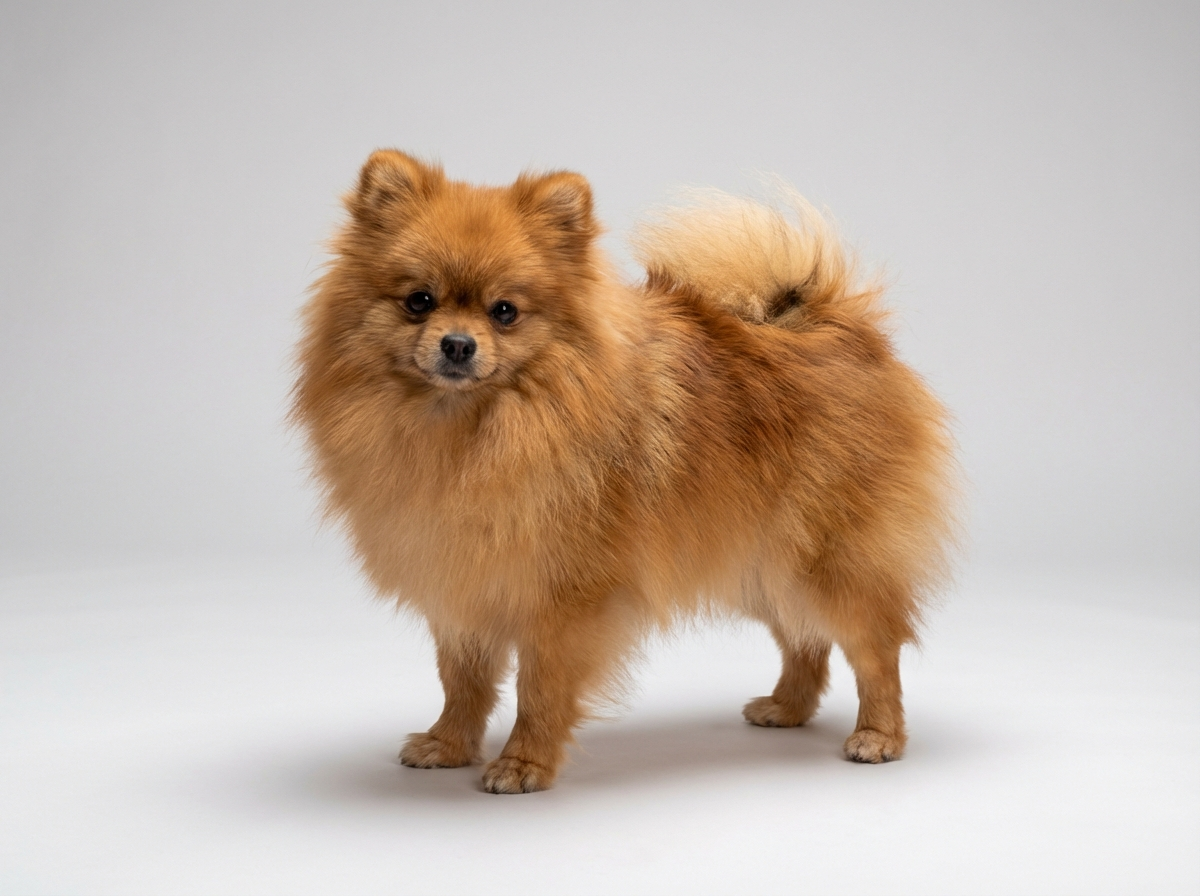
Pomeranians are small dogs with a brachycephalic structure, which means they have short noses and flat faces. This breed trait can lead to breathing difficulties, including respiratory disease. Additionally, their fluffy double coat can trap heat, making it harder for them to breathe in hot weather.
Environmental factors can also contribute to respiratory disease in Pomeranians. Poor air quality, like smoke or allergens, can irritate their airways. Furthermore, overweight Pomeranians may struggle more with respiratory issues due to additional strain on their lungs and heart.
If your Pomeranian exhibits persistent coughing, difficulty breathing, or unusual lethargy, it's essential to consult your vet. These symptoms could indicate a serious respiratory condition that needs medical attention.
Avoiding common pitfalls can significantly improve your Pomeranian's respiratory health. Here are some mistakes to steer clear of.
Start here: Pomeranian Most Common Genetic Disorders: What to Screen For
See all Pomeranian health problems, which breeds are prone to respiratory disease, or the full Pomeranian breed guide for temperament, exercise needs and ownership costs.
You can expect to see improvements in your Pomeranian's respiratory health within 3 to 6 months of consistent care and management.
Success means your Pomeranian can breathe more comfortably during daily activities, has increased energy levels, and experiences fewer respiratory distress episodes.
When Lisa adopted Daisy, her adorable Pomeranian, she noticed that Daisy often struggled to breathe, especially during playtime. Concerned, Lisa took her to the vet, who diagnosed her with a mild case of respiratory disease. After implementing a treatment plan that included regular vet visits, weight management, and gentle training exercises to improve Daisy's lung capacity, Lisa began to see a change. Within a few months, Daisy was more playful and energetic, and her breathing became noticeably easier.
Key takeaway: With the right care and attention, managing Pomeranian respiratory disease is achievable, improving your dog’s quality of life significantly.
Pomeranians are prone to respiratory diseases due to their small size and brachycephalic features. Factors such as obesity, overexertion, and exposure to smoke or allergens can worsen their condition. Regular vet check-ups can help catch issues early.
To manage Pomeranian respiratory disease, maintain a healthy weight through diet and exercise. Avoid exposing your dog to extreme temperatures and smoke, which can trigger symptoms. Regularly monitoring their breathing during playtime is also important.
Training your Pomeranian to respond to commands like 'stop' and 'slow' can help control their excitement during play. Use positive reinforcement techniques to encourage calm behavior. Consistent training sessions can lead to better breathing habits.
Look for symptoms such as coughing, wheezing, or labored breathing in your Pomeranian. If your dog is lethargic or refuses to play, it may indicate a respiratory problem. Consult a vet if you notice any of these signs.
Keep exercise sessions short and at a moderate pace to prevent overexertion. Choose cooler times of day for walks and avoid strenuous activities. Always carry water to keep your Pomeranian hydrated.
While there isn't a specific diet for respiratory disease, a balanced diet can help maintain a healthy weight. Consult your vet for dietary recommendations that suit your Pomeranian's health needs.
Signs of respiratory disease in Pomeranians can include coughing, wheezing, difficulty breathing, and excessive panting. If your Pom shows any of these symptoms, it's important to consult your vet promptly.
Yes, older Pomeranians are more susceptible to respiratory diseases due to age-related health issues. Regular vet check-ups can help monitor their respiratory health and catch any problems early.
While some respiratory issues can't be completely prevented, maintaining a healthy weight, avoiding smoking around your dog, and keeping their environment clean can help reduce the risk. Regular vet visits are also crucial.
Respiratory disease can impact your Pomeranian's overall health and may shorten their lifespan if not managed properly. Early detection and treatment are key to improving their quality of life.
Keep your Pomeranian at a healthy weight and avoid smoke exposure. Regular vet visits and monitoring their breathing are essential.
Use commands like 'slow' to manage excitement, and reward calm behavior to reinforce good habits.
Coughing, wheezing, and lethargy are key signs to watch for in your Pomeranian.
Regular check-ups every 6 to 12 months are advisable to ensure your Pomeranian stays healthy.
Yes, excessive exercise can trigger breathing problems, so keep activities short and manageable.
A one-page prep sheet for this condition: the signs, the questions to ask, what to get priced. Unlocks here.
You get: Vet visit prep sheet
No spam. One-click unsubscribe. See our privacy policy.
Preview page 1 before you decide.