Behavior
How can I manage my Pomeranian's OCD?
Limit your dog's physical activity, provide joint supplements, and keep their weight in check to manage Pomeranian osteochondritis dissecans (OCD).

Quick answer
How can I manage my Pomeranian's OCD?
Limit your dog's physical activity, provide joint supplements, and keep their weight in check to manage Pomeranian osteochondritis dissecans (OCD).
Pomeranian osteochondritis dissecans (OCD) can lead to joint discomfort and pain for your furry friend. This condition affects cartilage development in their joints.
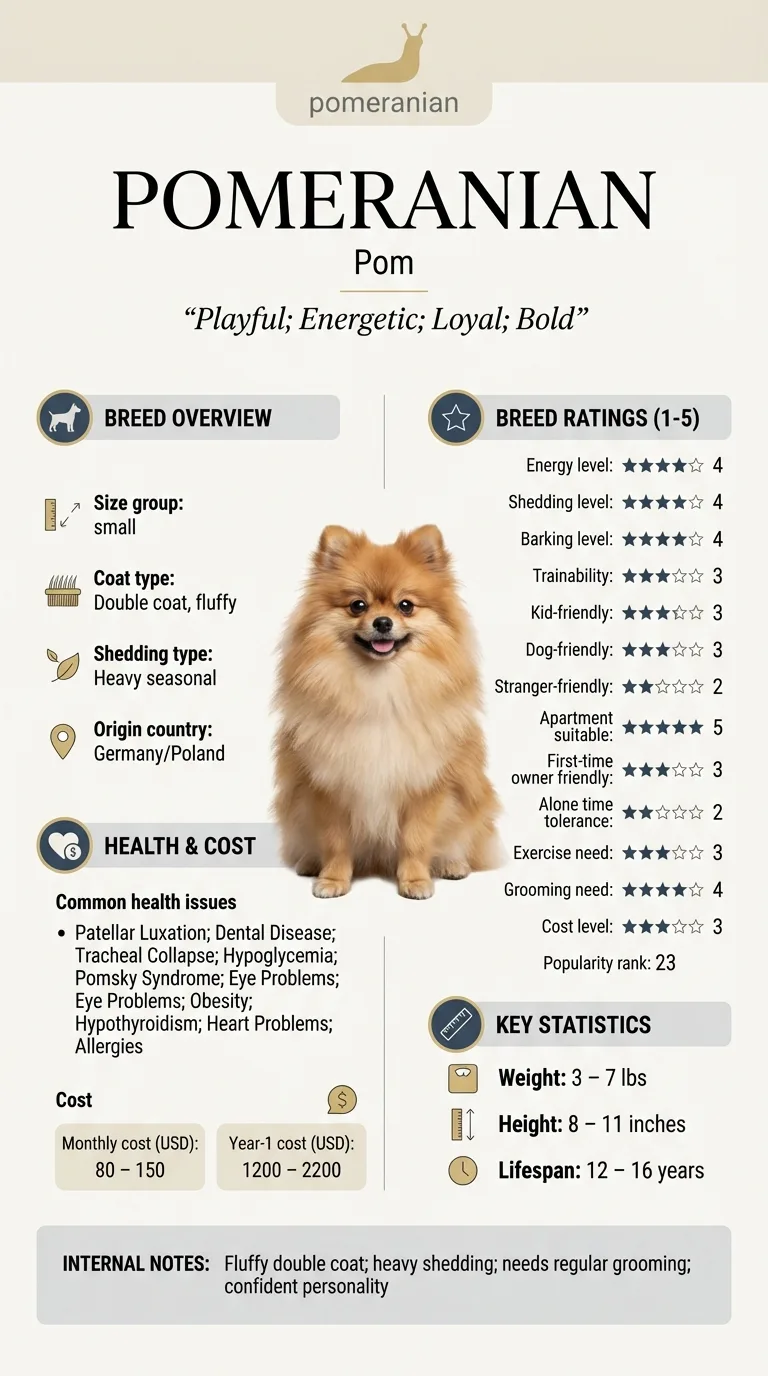
Owners of Pomeranians, especially those who are active or have young pups, often face challenges with OCD. This condition can be particularly concerning for first-time dog owners who may not recognize the early signs.
This guide is not medical advice. If your dog shows pain, sudden behavior change, or worsening symptoms, consult a licensed veterinarian.
Some links may be affiliate links. We may earn a commission at no extra cost to you. We only suggest products we believe are helpful for dog owners.
We research and check what we publish, but we do not warrant that any figure, date, price, or statement is accurate, complete, or current, and we accept no liability for any loss, cost, injury, or other harm arising from the use of this site. Use it as one reference among several. You remain responsible for your own decisions and for your dog's care - confirm anything that matters with a licensed veterinarian or another qualified professional before you act on it. Full disclaimer.
Check this first
Look out for these red-flag signs that mean you should call your vet immediately: - Severe limping or inability to bear weight on a leg. - Swelling around the joint. - Noticeable pain when moving the affected area. - Changes in appetite or behavior, like withdrawal or aggression. If your Pomeranian shows any of these symptoms, don’t wait. Schedule a vet visit right away.
On the other hand, if your pup is showing mild signs, you might be able to monitor the situation. This includes symptoms like: - Occasional limping after exercise. - Mild stiffness that improves with movement. - Slight reluctance to jump or play but still engaging in some activities. In these cases, keep an eye on your dog's behavior and adjust their activity level. A gentle exercise plan can help maintain mobility while you observe.
Always remember, if you are unsure, it's better to err on the side of caution and contact your vet. They can provide guidance on whether your Pomeranian’s condition requires prompt intervention or if it can be managed with a watchful eye.
If any of these apply, call your vet or an emergency clinic now. The rest of this page is for the cases that are not an emergency.
Pomeranian osteochondritis dissecans (OCD) is a joint issue that can lead to discomfort in your dog. This condition often manifests as limping, reluctance to play, or difficulty in movement. Owners might notice their Pom seems less energetic or is favoring one leg over another.
OCD is relatively common among Pomeranians, particularly in younger dogs. It's crucial to be aware of the signs and consult with a vet if you suspect your Pom is affected.
Pomeranians are small dogs with a playful and energetic nature. Their size makes them prone to certain joint problems, including osteochondritis dissecans (OCD). This condition is often linked to their rapid growth and the genetic predisposition that affects cartilage development.
Environmental factors can also contribute to OCD in Pomeranians. Overexertion during play, lack of proper exercise, or an unbalanced diet can exacerbate joint issues. Additionally, slippery floors or inadequate resting areas may increase the risk of injury and discomfort.
It's essential to talk to your vet if your Pomeranian shows persistent signs of pain or difficulty moving. A vet can assess the severity of the condition and discuss potential treatments, including medication or physical therapy.
Here are some common mistakes that can worsen Pomeranian osteochondritis dissecans (OCD) and safer alternatives to help your pup.
Start here: Pomeranian Most Common Genetic Disorders: What to Screen For
See all Pomeranian health problems, which breeds are prone to osteochondritis dissecans ocd, or the full Pomeranian breed guide for temperament, exercise needs and ownership costs.
You can expect to see improvement in your Pomeranian's osteochondritis dissecans (OCD) symptoms within 4 to 6 weeks of starting a tailored treatment plan. Regular check-ins with your vet will be crucial during this time.
Success means your Pomeranian shows reduced limping and discomfort, allowing them to engage in normal activities like walking and playing. A gradual return to their playful self is the ultimate goal.
Mia, a busy nurse from Seattle, noticed her Pomeranian, Bella, limping after playtime. After a vet visit, she learned Bella had osteochondritis dissecans (OCD). Initially overwhelmed, Mia followed a strict treatment plan that included medication, limited activity, and targeted physical therapy. Over several weeks, Bella's limping decreased, allowing her to enjoy walks again. Mia also educated herself about Pomeranian behavior problems and adjusted Bella's playtime accordingly.
Key takeaway: With patience and a solid plan, you can help your Pomeranian manage OCD effectively while still keeping their spirits high.
Pomeranian osteochondritis dissecans (OCD) is a condition where abnormal cartilage develops in the joints, leading to discomfort and pain. It often affects young, active dogs, causing limping or reluctance to play. If you notice these signs, consult your vet for an accurate diagnosis.
Managing Pomeranian osteochondritis dissecans (OCD) involves limiting your dog's activity to prevent further injury. Providing joint supplements and maintaining a healthy weight can also be beneficial. Always follow your vet's recommendations for the best care.
While training can't cure OCD, it can help your Pomeranian learn to move more carefully. Focus on low-impact activities and gentle obedience training to keep your dog mentally stimulated without overexerting them.
Treatment for Pomeranian osteochondritis dissecans (OCD) may include medication, physical therapy, or surgery in severe cases. Your vet will evaluate the best approach based on your dog's age and severity of symptoms.
Yes, older Pomeranians can develop osteochondritis dissecans (OCD), but it is more common in younger dogs due to rapid growth. If you notice signs of discomfort or difficulty in movement, consult your vet for an evaluation.
Look for signs such as limping, reluctance to play, or favoring one leg. If your Pomeranian shows these behaviors, it's essential to have them checked by a vet to confirm a diagnosis and discuss treatment options.
To manage your Pomeranian's osteochondritis dissecans (OCD) at home, ensure they get moderate exercise without overexertion. Keeping your dog at a healthy weight and using joint supplements may also help, but always consult your vet before starting any new treatments.
A balanced diet rich in omega-3 fatty acids can support joint health in Pomeranians with osteochondritis dissecans (OCD). Speak with your veterinarian about the best dietary options to help manage your dog's condition effectively.
If your Pomeranian's osteochondritis dissecans (OCD) worsens, such as increased pain or mobility issues, contact your veterinarian immediately. They may recommend further diagnostics or treatment options to improve your dog's quality of life.
Limit your dog's physical activity, provide joint supplements, and keep their weight in check to manage Pomeranian osteochondritis dissecans (OCD).
Signs include limping, reluctance to exercise, or pain when moving. If you notice these symptoms, consult your vet for evaluation.
Focus on low-impact training methods, incorporating gentle commands and mental stimulation to keep your Pomeranian engaged without causing strain.
Treatment costs can vary widely, ranging from a few hundred to several thousand dollars depending on the severity and treatment approach.
Yes, untreated OCD can lead to arthritis or other joint problems in the future, making early intervention essential.
A one-page prep sheet for this condition: the signs, the questions to ask, what to get priced. Unlocks here.
You get: Vet visit prep sheet
No spam. One-click unsubscribe. See our privacy policy.
Preview page 1 before you decide.