Health
What are quick tips for Pomeranian neurologic disease?
Monitor your Pomeranian for any unusual behavior, and consult your vet immediately if you notice changes. Maintain a balanced diet and regular exercise to promote overall health.

Quick answer
What are quick tips for Pomeranian neurologic disease?
Monitor your Pomeranian for any unusual behavior, and consult your vet immediately if you notice changes. Maintain a balanced diet and regular exercise to promote overall health.
Pomeranian neurologic disease is a serious health concern that can impact your dog's quality of life.
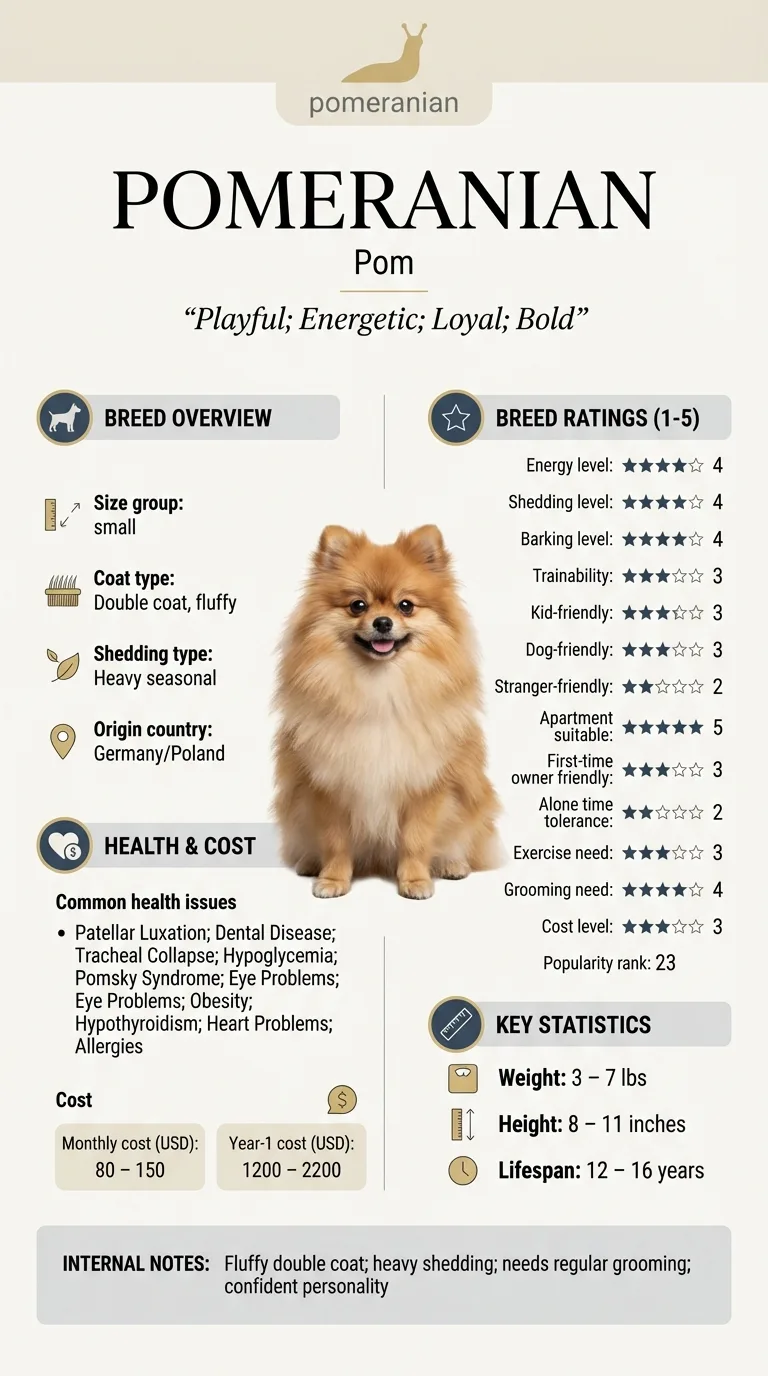
Owners of Pomeranians, especially those who notice unusual behavior or physical changes in their pets, often face challenges. First-time dog owners may find it particularly overwhelming to navigate these health concerns.
This guide is not medical advice. If your dog shows pain, sudden behavior change, or worsening symptoms, consult a licensed veterinarian.
Some links may be affiliate links. We may earn a commission at no extra cost to you. We only suggest products we believe are helpful for dog owners.
We research and check what we publish, but we do not warrant that any figure, date, price, or statement is accurate, complete, or current, and we accept no liability for any loss, cost, injury, or other harm arising from the use of this site. Use it as one reference among several. You remain responsible for your own decisions and for your dog's care - confirm anything that matters with a licensed veterinarian or another qualified professional before you act on it. Full disclaimer.
Check this first
It's crucial to know when Pomeranian neurologic disease symptoms require immediate veterinary attention. If your Pom experiences sudden seizures, loss of consciousness, or difficulty breathing, these are red flags that mean you should call your vet right away. Other signs include severe disorientation, inability to walk, or sudden changes in behavior that seem out of character.
On the other hand, mild symptoms such as slight unsteadiness, occasional tremors, or temporary disorientation may not require immediate action. You can monitor these issues at home, but keep a close watch on your dog's behavior. Create a plan to document any changes and consult your vet if the condition persists or worsens.
Being proactive and informed can make a significant difference in managing Pomeranian neurologic disease. Always trust your instincts; if something feels off, it’s better to be safe and reach out to a professional.
If any of these apply, call your vet or an emergency clinic now. The rest of this page is for the cases that are not an emergency.
Pomeranian neurologic disease can manifest as unusual behavior, coordination issues, or seizures. Day-to-day, this may look like your Pom having trouble walking, sudden mood changes, or appearing confused. These symptoms can be distressing for both the dog and owner, often leading to increased anxiety and frustration.
While neurologic diseases are relatively rare in Pomeranians, they do have a slightly higher risk compared to other small breeds. Owners should be observant and proactive in seeking veterinary care if they notice concerning symptoms.
Pomeranians may inherit genetic predispositions that increase their risk of neurologic disease, such as issues with their nervous system. Their small size can also contribute to these vulnerabilities, making them more susceptible to certain conditions. Additionally, common health issues in Pomeranians, like dental disease and heart problems, can sometimes lead to neurologic complications.
Environmental factors can also play a role in Pomeranian neurologic disease. Stressful situations, such as frequent changes in their home environment or lack of socialization, can trigger anxiety and behavioral issues. Poor diet or lack of exercise may contribute to overall health decline, which can affect their neurological well-being.
If you notice significant changes in your Pomeranian's behavior, such as disorientation, seizures, or sudden aggression, contact your vet immediately. They can diagnose potential neurologic diseases and recommend appropriate treatment or management plans.
Avoiding common mistakes can significantly improve your Pomeranian's neurologic disease symptoms. Here are a few behaviors to steer clear of, along with safer alternatives.
Start here: Pomeranian Most Common Genetic Disorders: What to Screen For
See all Pomeranian health problems, which breeds are prone to neurologic disease, or the full Pomeranian breed guide for temperament, exercise needs and ownership costs.
Addressing Pomeranian neurologic disease can take several months. Consistent care and veterinary follow-up are essential during this time.
Success means observing a noticeable improvement in your Pomeranian's behavior and mobility, along with a reduction in symptoms.
Emily, a busy nurse in a small apartment, noticed her Pomeranian, Bella, was stumbling and had trouble with coordination. After a vet visit confirmed neurologic disease, Emily felt overwhelmed. Determined to help Bella, she researched and implemented a tailored training program focusing on gentle exercises and mental stimulation. Over the next few months, Bella showed gradual improvement. She became more stable on her feet and even regained some playfulness, which brought joy back into their lives.
Key takeaway: With patience and the right approach, owners can significantly improve their Pomeranian's quality of life despite neurologic disease.
Neurologic disease in Pomeranians can be caused by genetic factors, infections, or other underlying health issues. If you notice unusual behavior or physical symptoms, consult your vet for a thorough evaluation. Regular check-ups can help catch these problems early.
While you can't prevent all forms of Pomeranian neurologic disease, you can manage symptoms through early diagnosis and treatment. Regular vet visits and maintaining a healthy lifestyle can also reduce the risk of complications. Always follow your vet's advice for treatment options.
Signs of neurologic disease in Pomeranians may include weakness, disorientation, or seizures. You might also notice changes in your dog’s behavior or energy levels. If you suspect a problem, it’s essential to contact your veterinarian right away.
Treatment for Pomeranian neurologic disease varies depending on the specific condition and severity. Options may include medications, dietary changes, or physical therapy. Always work closely with your vet to determine the best course of action.
Yes, older Pomeranians can be more susceptible to neurologic diseases due to age-related factors. Regular vet check-ups are essential for early detection and management of health issues as your dog ages.
Supporting a Pomeranian with neurologic disease involves creating a safe environment and ensuring they receive proper medical care. Training can also help manage symptoms, but always consult your vet for tailored advice.
If your Pomeranian has a seizure, keep them safe and prevent them from injuring themselves. Time the seizure and contact your veterinarian for guidance on potential treatments and next steps.
Some neurologic diseases in Pomeranians may have a genetic component. If you're concerned about hereditary issues, discuss your dog's family history with your vet, especially before breeding.
Monitor your Pomeranian for any unusual behavior, and consult your vet immediately if you notice changes. Maintain a balanced diet and regular exercise to promote overall health.
Training your Pomeranian using positive reinforcement can help address behavior issues. Consistency and patience are key, along with socializing your dog with other pets and people.
A high-quality dog food that meets your Pomeranian's nutritional needs is essential. Always consult your vet for personalized dietary recommendations.
A one-page prep sheet for this condition: the signs, the questions to ask, what to get priced. Unlocks here.
You get: Vet visit prep sheet
No spam. One-click unsubscribe. See our privacy policy.
Preview page 1 before you decide.