Behavior
What are some quick tips for managing Pomeranian heat sensitivity?
Provide plenty of fresh water and avoid outdoor activities during the hottest parts of the day. Consider using a cooling mat or vest to help regulate their body temperature.
Pomeranian heat sensitivity is a serious concern for many owners, especially during warmer months. These small dogs struggle to regulate their body temperature, putting them at risk for heat-related illnesses.
First-time dog owners or families living in warmer climates often face challenges managing their Pomeranian's heat sensitivity. Those who work long hours may also find it tough to ensure their dog is safe and cool when they're not home.
This guide is not medical advice. If your dog shows pain, sudden behavior change, or worsening symptoms, consult a licensed veterinarian.
Some links may be affiliate links. We may earn a commission at no extra cost to you. We only suggest products we believe are helpful for dog owners.
Pomeranian heat sensitivity is a common issue for this breed, as they struggle to tolerate high temperatures. Daily life with a heat-sensitive Pom can involve signs of discomfort like excessive panting, lethargy, or refusal to play outside. This problem can escalate quickly, leading to serious health risks like heatstroke if not managed properly.
Heat sensitivity is quite common among Pomeranians due to their fluffy double coat, which can trap heat. Many owners notice their Poms showing signs of discomfort when temperatures rise, making it essential to be proactive in managing their environment.
Pomeranians have a fluffy double coat, which can make them more susceptible to overheating. Their small size means they don’t have the same heat tolerance as larger breeds. Additionally, their energetic nature can lead them to play hard, which can increase their body temperature quickly.
Heat sensitivity can be exacerbated by high temperatures and humidity. If a Pomeranian is in a confined space without ventilation, they may struggle to cool down. Also, lack of access to shade or water during warm weather can contribute to overheating.
If your Pomeranian shows extreme anxiety or distress in hot weather, consider consulting a trainer. They can help with behavioral adjustments and teach your dog how to stay calm. This is especially important if heat sensitivity leads to fear or avoidance behaviors.
Talk to a vet if your Pomeranian shows signs of overheating, such as excessive panting, lethargy, or confusion. If these symptoms occur, it’s crucial to seek professional help. Your vet can provide guidance on managing heat sensitivity and check for any underlying health issues.
You may see improvements in your Pomeranian's heat sensitivity within a few weeks of consistent training and management.
Success looks like your Pomeranian being comfortable in warmer temperatures, showing less anxiety, and enjoying outdoor activities safely.
Avoiding these common mistakes can help improve your Pomeranian's heat sensitivity. Making small adjustments can lead to big improvements in their comfort and safety.
Red flags that mean you should call your vet immediately include: 1. Excessive panting that doesn't stop even in a cool environment. 2. Signs of confusion, stumbling, or lethargy. 3. Vomiting or diarrhea, especially if it's severe. 4. Rapid heartbeat or difficulty breathing. 5. A body temperature above 104°F (40°C).
If you notice any of these symptoms, do not wait. Your Pomeranian may be experiencing heatstroke, which can lead to organ failure if not treated right away. On the other hand, if your Pom shows mild signs such as slight panting or appears a little sluggish but is still responsive, you can monitor them at home.
In these cases, take the following steps: 1. Bring them to a cooler area and offer water. 2. Use a fan or cool cloths to help lower their body temperature. 3. Keep an eye on their condition for a few hours. If they worsen, seek veterinary care.
Always err on the side of caution. If you feel uncertain about your dog’s condition, it’s best to consult your vet. They can provide guidance specific to your Pomeranian's health and needs.
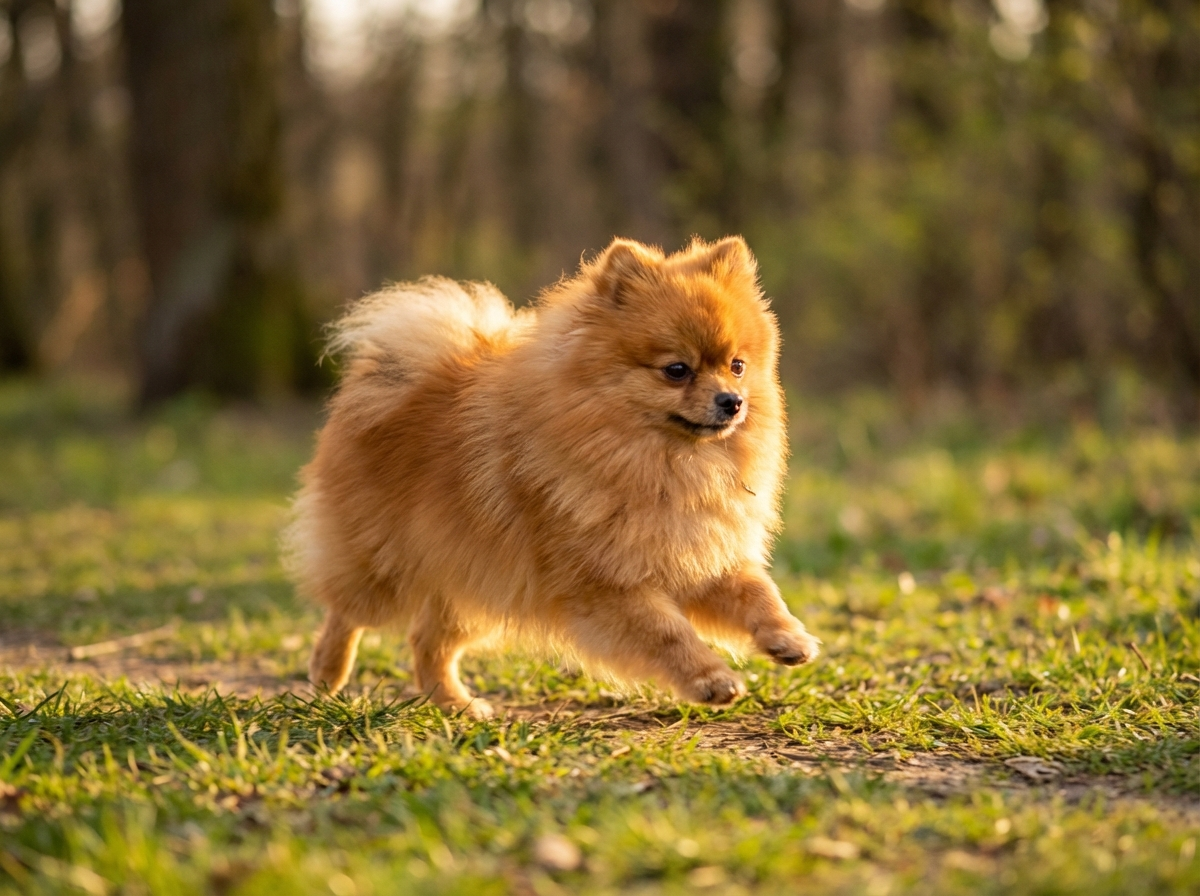
Sarah, a busy nurse in Phoenix, noticed that her Pomeranian, Bella, would tremble and hide during the summer months. Concerned for Bella's health, she learned about Pomeranian heat sensitivity and began adjusting their daily routine. Sarah started taking Bella for early morning walks before the heat set in and created a cool indoor space with fans and water. They also practiced training exercises to build Bella's confidence. Over time, Bella became more relaxed and even enjoyed short outdoor play sessions again.
Key takeaway: With patience and proper management, you can help your Pomeranian adapt to warmer weather and enjoy a more active life.
Pomeranians have a double coat that can make it challenging for them to regulate body temperature. Their small size and energy level also contribute to their vulnerability to heat. During hot weather, they may become lethargic, pant excessively, or even show signs of distress.
To prevent overheating, ensure your Pomeranian has access to cool, shaded areas and plenty of water. Limit outdoor activities during peak heat hours, and consider using a cooling vest for walks. If you notice signs of heat exhaustion, take your dog to a cooler place immediately.
Signs of heat sensitivity include excessive panting, drooling, weakness, and difficulty breathing. If your Pomeranian is lethargic or refuses to eat or drink, these could also indicate overheating. Always monitor your Pom closely during warm weather.
While training won't eliminate heat sensitivity, it can help your Pomeranian learn to seek shade or water when feeling warm. Teaching commands like 'shade' or 'cool down' can be beneficial. Consistent training and positive reinforcement are key.
Pomeranians should not be exposed to temperatures above 75°F (24°C) for prolonged periods. Always pay attention to your dog's behavior, and if it seems uncomfortable, take immediate action to cool it down.
Signs of heat sensitivity in Pomeranians include excessive panting, drooling, lethargy, and difficulty breathing. If your Pom seems weak or disoriented in warmer weather, it’s essential to cool them down immediately.
To help your Pomeranian during hot weather, keep them indoors in a cool, air-conditioned space. Provide plenty of fresh water and limit exercise to early mornings or late evenings when it’s cooler.
Yes, older Pomeranians may be more prone to heat sensitivity due to decreased energy levels and potential health issues. It's crucial to monitor their behavior closely during warmer days and adjust their environment accordingly.
If your Pomeranian shows severe symptoms like vomiting, collapse, or seizures, take them to the vet immediately. Even mild signs should be discussed with your vet to ensure your dog's health and safety.
While you can't completely train out heat sensitivity, you can help your Pomeranian learn how to cope with warmer temperatures. Gradual exposure to heat in short, controlled sessions may help them adapt better over time.
Provide plenty of fresh water and avoid outdoor activities during the hottest parts of the day. Consider using a cooling mat or vest to help regulate their body temperature.
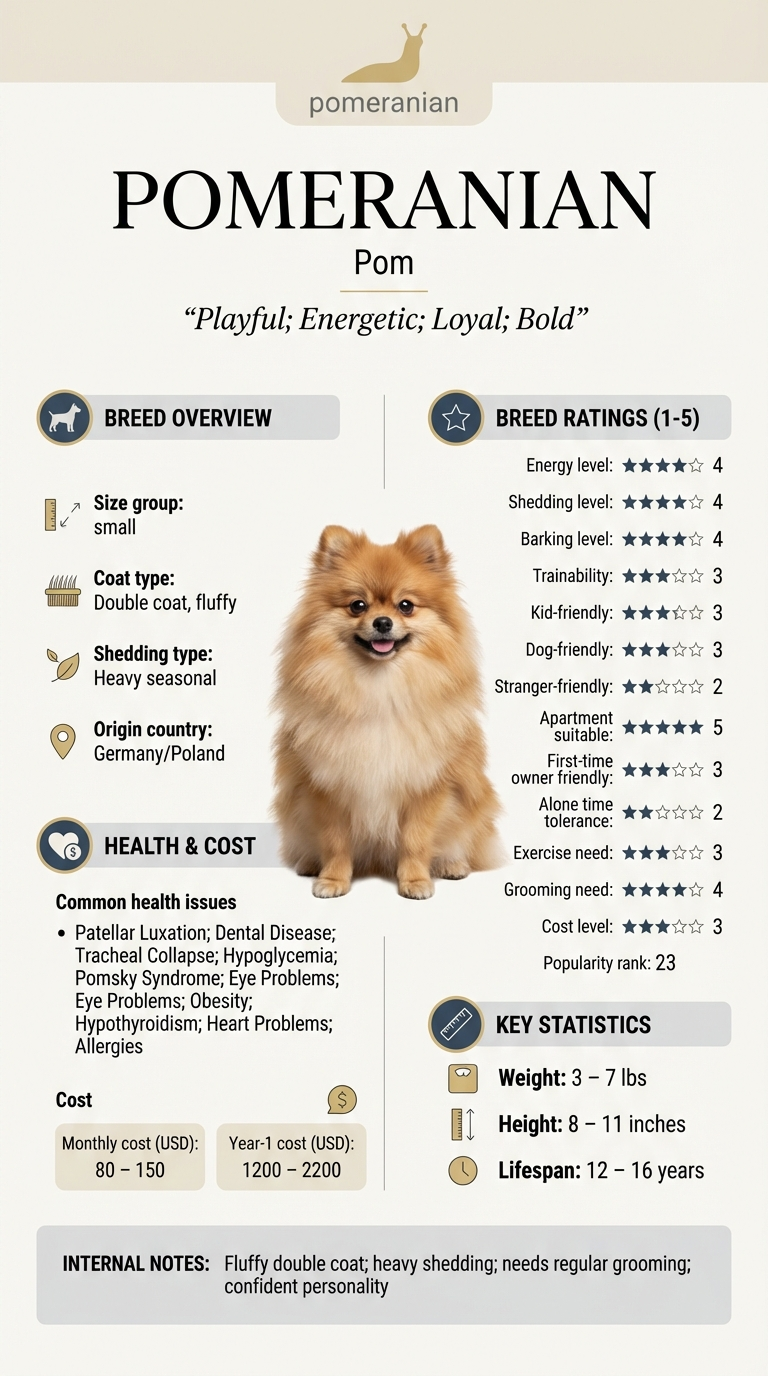
Monthly costs for a Pomeranian typically range from $80 to $150, depending on care needs like grooming and health checks. Additional cooling products may add to this cost.
Heat sensitivity can exacerbate existing health issues, such as respiratory problems or obesity. Regular vet check-ups are crucial to monitor your Pom's overall health.
While there may not be specific classes for heat sensitivity, general obedience training can help your Pomeranian learn commands that can aid in managing their behavior during hot weather.