DogBreedCompass
← Back to breed profile

Pomeranian Genetic Load: What You Need to Know

Pomeranian genetic load can lead to serious health issues, making it crucial for owners to understand and address this problem.

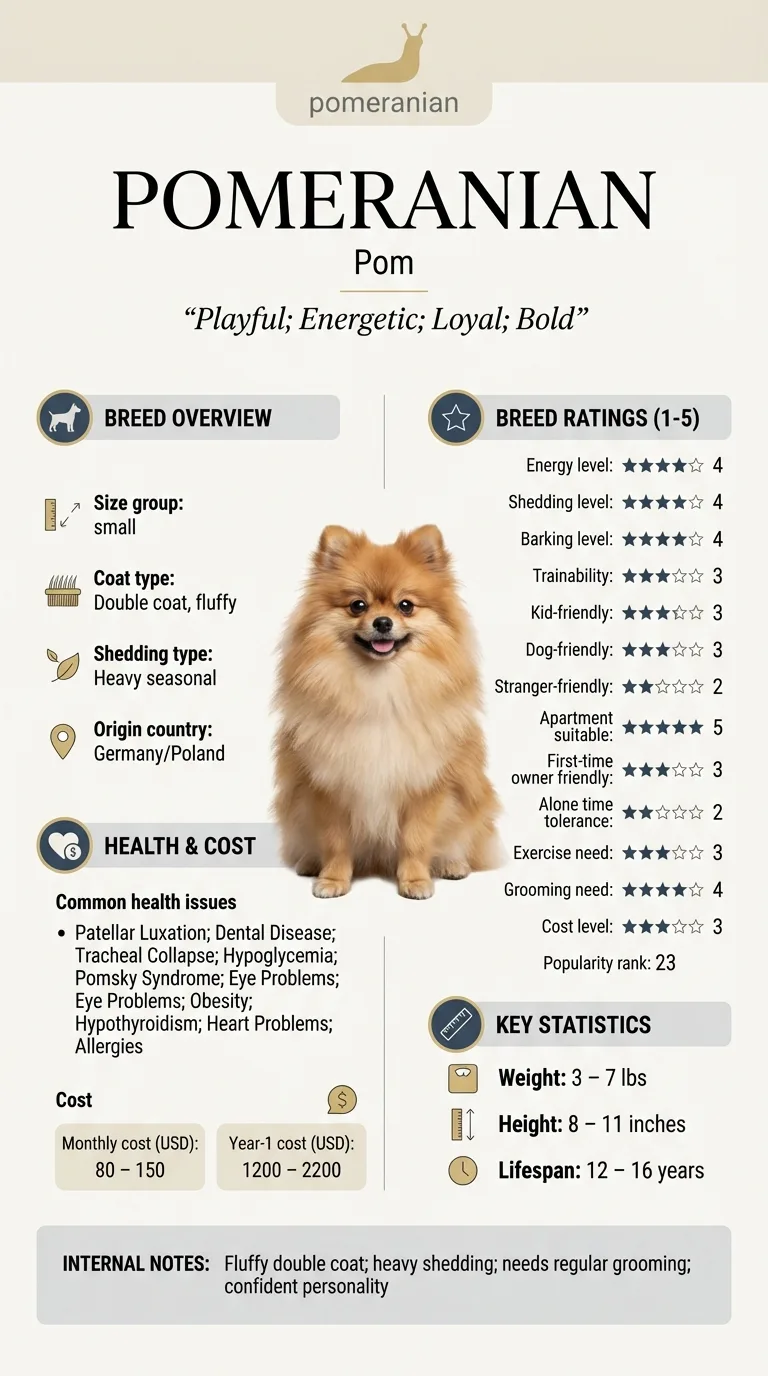
Pomeranian Genetic Load: What You Need to Know infographic

First-time dog owners, families with young children, or those looking for a companion might struggle with the complexities of managing a Pomeranian's genetic load and its associated health risks.

Important reminder

This guide is not medical advice. If your dog shows pain, sudden behavior change, or worsening symptoms, consult a licensed veterinarian.

Some links may be affiliate links. We may earn a commission at no extra cost to you. We only suggest products we believe are helpful for dog owners.

What this problem looks like

Pomeranian genetic load refers to the accumulation of harmful genetic traits that can affect a Pom's health and behavior. Day-to-day, you might see signs like increased anxiety, behavior problems, or common health issues that require extra attention. This can be frustrating for owners who just want their furry friend to thrive.

Common triggers

  • Inbreeding in breeding practices
  • Stressful situations or environments
  • Lack of socialization
  • Poor nutrition or health care

Genetic load is quite common in Pomeranians due to their popularity and selective breeding. Many Poms struggle with health issues tied to genetic load, making it crucial for potential owners to be informed. Regular vet check-ups and responsible breeding can help manage these risks.

Why this happens

Breed factors

Pomeranians have a higher genetic load due to their small size and popularity. This can lead to inherited health issues, such as dental disease and patellar luxation. These genetic traits may affect their behavior and overall well-being.

Environment factors

Environmental factors can also contribute to a Pomeranian's genetic load issues. Stressful situations, lack of exercise, and insufficient socialization can exacerbate behavioral problems. A noisy environment or frequent changes in routine may increase anxiety and other related issues.

What you can try

At-home strategies

  • Create a calm environment by reducing noise and distractions. Use soft music or white noise to ease anxiety.
  • Establish a daily routine that includes regular exercise and playtime. Aim for at least 30 minutes of activity each day to help manage energy levels.
  • Socialize your Pomeranian by introducing them to new people and pets gradually. Start with short interactions and gradually increase their exposure.
  • Use positive reinforcement training to address behavioral issues. Reward good behavior with treats and praise to reinforce desired actions.
  • Monitor their health closely. Regular grooming and dental care can help prevent some genetic-related health issues.

When to consider a trainer

If your Pomeranian's behavior does not improve with at-home strategies, consider hiring a professional trainer. A trainer specializing in small breeds can provide tailored techniques to manage anxiety and behavioral problems effectively.

When to talk to your vet

Consult your vet if your Pomeranian shows signs of persistent anxiety or physical health issues. Persistent barking, changes in appetite, or lethargy may indicate underlying health concerns that need professional attention.

Realistic expectations

You can expect to see initial improvements in your Pomeranian's behavior within 4 to 6 weeks of consistent training. Full resolution of issues related to genetic load may take several months of dedicated effort.

Success means your Pomeranian shows reduced anxiety and improved behavior. You'll notice them engaging more positively with you, reducing barking and destructive tendencies.

Mistakes that make this worse

When dealing with Pomeranian genetic load, certain owner behaviors can inadvertently worsen the situation. Here are some common mistakes to avoid.

  • Ignoring health screenings: Skipping regular vet check-ups can allow unnoticed health issues to worsen. Make sure to schedule annual health screenings to catch problems early.
  • Overbreeding: Choosing to breed a Pomeranian without considering genetic health can increase the risk of passing down harmful traits. Always consult with a vet about responsible breeding practices.
  • Neglecting training: Failing to train your Pomeranian can lead to behavioral issues that compound stress. Invest time in consistent training to improve behavior and reduce anxiety.
  • Inconsistent feeding: Providing an unbalanced diet can exacerbate health problems. Ensure your Pomeranian gets a nutritious, vet-recommended diet to support their overall health.
  • Underestimating exercise needs: Not providing enough mental and physical stimulation can lead to behavioral problems. Regular walks and playtime are crucial for a happy, healthy Pom.
  • Avoiding socialization: Keeping your Pomeranian isolated can lead to fear and anxiety issues. Gradually introduce them to new environments and other dogs to build confidence.
  • Ignoring genetic predispositions: Not being aware of specific health risks associated with Pomeranians can lead to neglecting necessary care. Educate yourself on their common health issues and prepare accordingly.

When Pomeranian Genetic Load is an Emergency

Emergency signs include sudden changes in behavior, such as severe lethargy or unresponsiveness, which can indicate serious health issues. If your Pom experiences difficulty breathing, persistent vomiting, or seizures, you should call your vet immediately. These symptoms could be linked to serious genetic conditions that require urgent care.

On the other hand, if your Pomeranian shows mild symptoms like occasional coughing or slight changes in appetite, it may be appropriate to monitor them at home. Keep a close eye on these symptoms, and make a plan to consult your vet if they persist or worsen. Regular check-ups can help identify underlying genetic issues before they escalate into emergencies.

In summary, always trust your instincts as a pet owner. If something feels off, don’t hesitate to reach out to a veterinarian. Being proactive can make a significant difference in the health and well-being of your Pomeranian.

Pomeranian Genetic Load: What You Need to Know - When Pomeranian Genetic Load is an Emergency

Sara's Journey with Max the Pomeranian

Sara, a first-time dog owner, adopted Max, a lively Pomeranian. Shortly after bringing him home, she noticed Max was easily anxious and tended to bark excessively. After researching, Sara learned about Pomeranian genetic load and how it could affect behavior. She decided to implement a consistent training routine focusing on positive reinforcement. Over the next few months, as she worked on socialization and anxiety-reduction techniques, Max became calmer and more confident. They even participated in a local dog training class, which helped both Sara and Max bond further. Slowly but surely, Max transformed into a more well-adjusted companion.

Key takeaway: With patience and consistent training, you can help your Pomeranian overcome behaviors linked to genetic load, leading to a happier life for both of you.

Frequently asked questions

What is Pomeranian genetic load?

Pomeranian genetic load refers to the presence of harmful genetic variants that can affect the health and behavior of these dogs. This can lead to various health issues and behavioral problems. Understanding this can help owners take proactive steps to manage their pet's health.

Why does my Pomeranian have genetic load?

The genetic load in Pomeranians is a result of selective breeding practices that prioritize appearance over health. This can lead to a higher likelihood of inherited health problems. Regular vet check-ups and responsible breeding practices can help mitigate these issues.

How can I reduce the effects of genetic load in my Pomeranian?

To reduce the effects of genetic load, ensure your Pomeranian receives regular veterinary care and a balanced diet. Engaging in training and socialization can also help manage behavioral issues. Additionally, consider genetic testing to identify potential health risks.

What are common health issues related to Pomeranian genetic load?

Common health issues associated with Pomeranian genetic load include patellar luxation, dental disease, and tracheal collapse. Being aware of these can help you look for early signs and seek prompt veterinary care. Regular health monitoring is key.

Can training help with behavioral issues related to genetic load?

Yes, training can significantly help address behavioral issues that may arise from genetic load. Consistent training techniques focused on positive reinforcement can improve your Pomeranian's behavior. Consider enrolling in a training class if problems persist.

What should I do if my Pomeranian shows signs of anxiety?

If your Pomeranian shows signs of anxiety, first evaluate their environment for stressors. Implementing a routine, providing safe spaces, and using calming products can help. Consulting a vet or a dog behaviorist may also be beneficial.

What are the signs that my Pomeranian has a genetic load issue?

Signs of genetic load in Pomeranians can include frequent health problems, unusual behavior, or developmental delays. If your Pom seems lethargic or has persistent health issues, it’s best to consult a vet.

Can I reduce my Pomeranian's genetic load through training?

While training can help manage certain behaviors and improve your Pomeranian's quality of life, it won't change their genetic load. Focus on positive reinforcement and socialization to give your Pom the best chance at a happy life.

How do I know if my Pomeranian's health issues are due to genetic load?

If your Pomeranian has multiple health concerns that are common in the breed, it may indicate a genetic load. A vet can help determine the root causes and recommend appropriate action.

Are older Pomeranians more affected by genetic load?

Yes, older Pomeranians may show more signs of genetic load as health issues can accumulate over time. Regular vet check-ups are crucial to monitor their health as they age.

What steps can I take if I suspect my Pomeranian has a high genetic load?

If you suspect your Pomeranian has a high genetic load, start by scheduling a vet appointment for a thorough check-up. Discuss any symptoms or concerns you’ve noticed, and consider genetic testing for a clearer picture of their health.

Quick answers

View more answers
Behavior

What are quick tips for managing Pomeranian genetic load?

Focus on regular vet check-ups, a healthy diet, and consistent training to manage Pomeranian genetic load. Early detection of health issues can make a significant difference.

Costs

How much does it cost to care for a Pomeranian?

The average monthly cost for a Pomeranian ranges from $80 to $150, depending on health needs and lifestyle. Be prepared for additional costs like grooming and emergency vet visits.

Health

What are the signs of health issues in Pomeranians?

Watch for signs like limping, dental issues, or excessive lethargy in your Pomeranian. Early intervention can help manage genetic load-related health problems.

Training

Can I train my Pomeranian to reduce anxiety?

Yes, training your Pomeranian with positive reinforcement can help reduce anxiety. Regular exercise and mental stimulation are also crucial.

Related DogBreedCompass guides

  • Pomeranian separation anxiety guideLearn how to manage and reduce separation anxiety in your Pomeranian.
  • Pomeranian behavior problemsExplore common behavior problems specific to Pomeranians and solutions.
  • Pomeranian cost breakdownUnderstanding the costs associated with owning a Pomeranian can help you budget effectively.
  • Pomeranian health concernsIf you're considering a Pomeranian, read about their common health issues and how to address them.
  • Pomeranian genetic load trainingFind out how to train your Pomeranian to mitigate genetic load issues effectively.

Related guides