Behavior
What are quick tips for Pomeranian gastric dilatation-volvulus (gdv/bloat)?
Feed smaller meals, use slow feeder bowls, and keep your dog calm during meals to help prevent gdv/bloat.
Pomeranian gastric dilatation-volvulus (GDV/bloat) is a serious, life-threatening condition that can affect your dog’s stomach.
Typically, dog owners with Pomeranians may face this issue, especially if they are unaware of the signs and risks. First-time pet owners or busy families might find it particularly challenging to spot the early warning signs.
This guide is not medical advice. If your dog shows pain, sudden behavior change, or worsening symptoms, consult a licensed veterinarian.
Some links may be affiliate links. We may earn a commission at no extra cost to you. We only suggest products we believe are helpful for dog owners.
Pomeranian gastric dilatation-volvulus (GDV/bloat) is a serious condition where the stomach fills with gas and twists, cutting off blood flow. Day-to-day, this might look like your Pom experiencing a swollen abdomen, restlessness, and attempts to vomit without producing anything. It's a life-threatening emergency that requires immediate veterinary attention.
While GDV is more common in larger breeds, smaller breeds like Pomeranians can still be affected, though it's less frequent. Awareness of the signs and triggers is essential for Pomeranian owners.
Pomeranians may be predisposed to gastric dilatation-volvulus (GDV) due to their small size and deep chest structure. Their energetic nature can lead them to consume food quickly, increasing the risk for bloat. Additionally, genetics can play a role, as some Pomeranians may inherit tendencies for digestive issues.
Factors such as stress, rapid eating, and overexertion can contribute to GDV in Pomeranians. A hectic environment or sudden changes can trigger anxiety, making them more likely to eat too fast. Moreover, feeding habits, like giving large meals or allowing vigorous exercise right after eating, can also increase the risk.
If your Pomeranian shows signs of anxiety around meal times or during stressful situations, it may be helpful to consult a trainer. They can offer techniques to manage stress and improve your dog's eating behavior.
If your Pomeranian exhibits symptoms such as a swollen belly, persistent vomiting, or signs of distress, contact your vet immediately. GDV is a medical emergency and requires prompt attention.
Managing Pomeranian gastric dilatation-volvulus (GDV/bloat) can take several weeks to see improvements. With consistent training and dietary changes, you should start noticing positive effects within 4 to 6 weeks.
Success means your Pomeranian shows reduced anxiety around food, maintains a stable appetite, and demonstrates fewer signs of distress after eating. They should also respond well to training cues related to meal times.
Owners often make common mistakes that can worsen Pomeranian gastric dilatation-volvulus (GDV/bloat). Here are some key behaviors to avoid, along with safer alternatives.
Recognizing when Pomeranian gastric dilatation-volvulus (GDV/bloat) becomes an emergency is crucial for your dog's health. If your Pom shows signs like a distended abdomen, excessive drooling, attempts to vomit without success, or signs of pain, you need to act fast. These symptoms could signal that your dog is in serious trouble and requires immediate veterinary attention.
On the other hand, mild cases may include slight discomfort or bloating without severe symptoms. If your dog is just a bit gassy or has a slightly upset stomach, you can monitor them at home. Keep an eye on their behavior, and ensure they are drinking water and resting comfortably. However, if symptoms persist or worsen, don’t hesitate to contact your vet for advice.
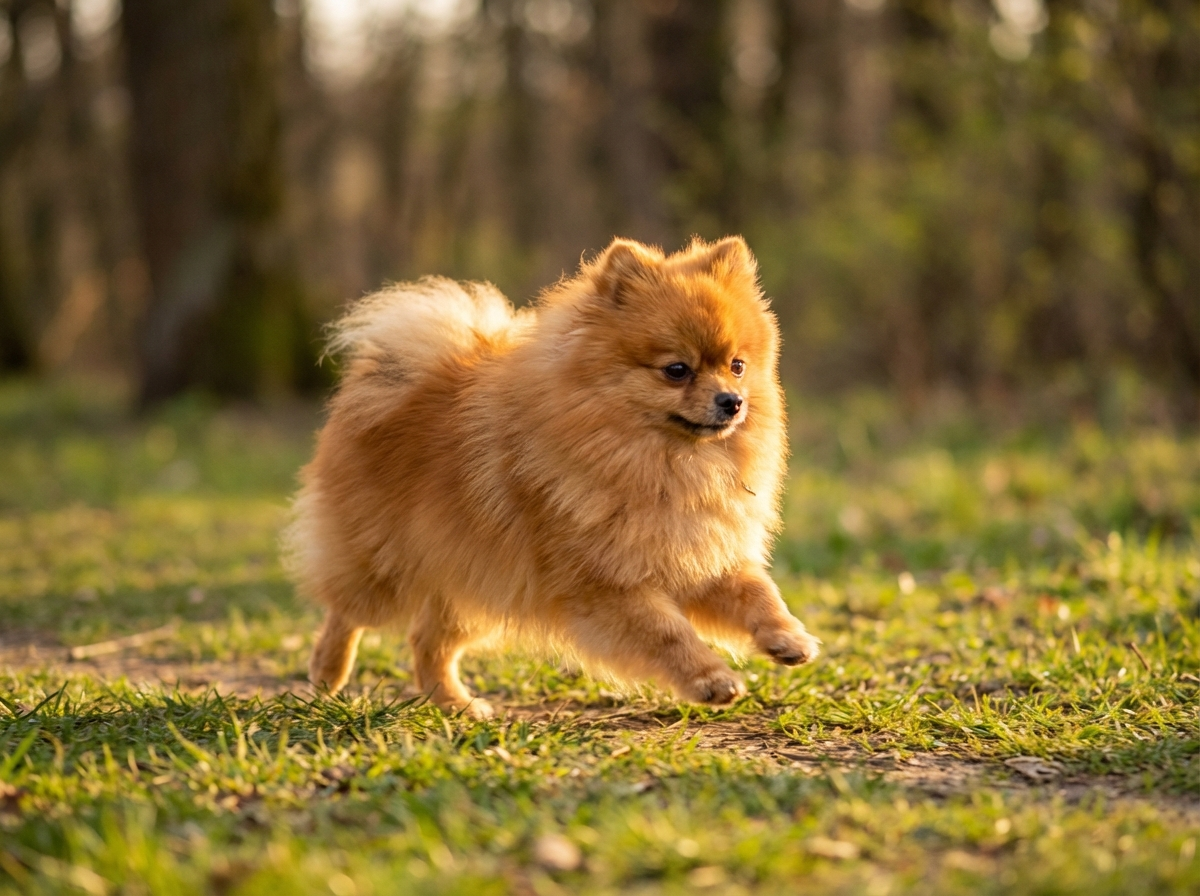
Jessica, a busy nurse in New York, noticed her Pomeranian, Bella, often bloated after eating. After a stressful incident requiring an emergency vet visit for suspected GDV, Jessica learned about how to prevent this serious condition. She worked on portion control and switched to smaller, more frequent meals while incorporating calming rituals before feeding. Over the next month, Bella became more relaxed around meal times, and her bloating issues significantly decreased, allowing Jessica to breathe easier.
Key takeaway: With dedication and the right strategies, you can effectively manage Pomeranian gastric dilatation-volvulus (GDV/bloat) and ensure your furry friend stays healthy and happy.
Pomeranian gastric dilatation-volvulus (gdv/bloat) is a serious and potentially life-threatening condition where the stomach fills with gas and twists. This can cut off the blood supply to vital organs. Immediate veterinary attention is crucial.
The exact cause of gdv/bloat is not fully understood, but factors include eating too quickly, consuming large meals, and stress. Pomeranians, due to their small size, may be more prone to this issue, especially if they have underlying health problems.
To reduce the risk of gdv/bloat, feed your Pomeranian smaller, more frequent meals instead of one large meal. Use a slow feeder bowl to prevent gulping, and try to minimize stress during feeding times.
Symptoms of Pomeranian gastric dilatation-volvulus include a distended abdomen, unproductive vomiting, restlessness, and excessive salivation. If you notice these signs, seek immediate veterinary help.
Treatment for gdv/bloat typically involves stabilizing the dog through IV fluids and medications, followed by surgery to untwist the stomach. Early intervention is key to improving outcomes.
While training cannot completely prevent gdv/bloat, teaching your Pomeranian to eat slowly can help. Use commands to reinforce calm behavior during feeding times.
If you suspect your Pomeranian has gdv/bloat, take them to a veterinarian immediately. This condition requires urgent medical intervention to avoid serious complications.
The early signs of GDV in Pomeranians can include restlessness, pacing, excessive drooling, and attempts to vomit without producing anything. If you notice these symptoms, it's crucial to seek veterinary help immediately.
Yes, older Pomeranians can be at a higher risk for gastric dilatation-volvulus (GDV). As they age, their digestive systems may become more sensitive, making it essential to monitor their eating habits and seek veterinary advice if you notice any unusual behavior.
To help prevent GDV, feed your Pomeranian smaller meals throughout the day instead of one large meal. Additionally, avoid vigorous exercise immediately after eating and consider using elevated feeding dishes if recommended by your vet.
If you suspect your Pomeranian may have GDV, take them to the vet immediately if they show signs like a swollen abdomen or difficulty breathing. Prompt treatment is critical, as GDV can become life-threatening quickly.
While no diet can completely eliminate the risk of GDV, feeding a high-quality, balanced diet in smaller portions can help maintain your Pomeranian's digestive health. Consult your veterinarian for dietary recommendations tailored to your dog's specific needs.
Feed smaller meals, use slow feeder bowls, and keep your dog calm during meals to help prevent gdv/bloat.
Look for signs like a swollen belly, restlessness, or attempts to vomit without producing anything. If you see these symptoms, get help right away.
Yes, Pomeranians with a history of eating quickly or those with underlying health issues may be at higher risk for developing gdv/bloat.
Follow your vet's recommendations for diet and activity, and monitor for any signs of recurrence.
Yes, feeding smaller, more frequent meals and using slow feeders can significantly lower the risk of gdv/bloat in Pomeranians.