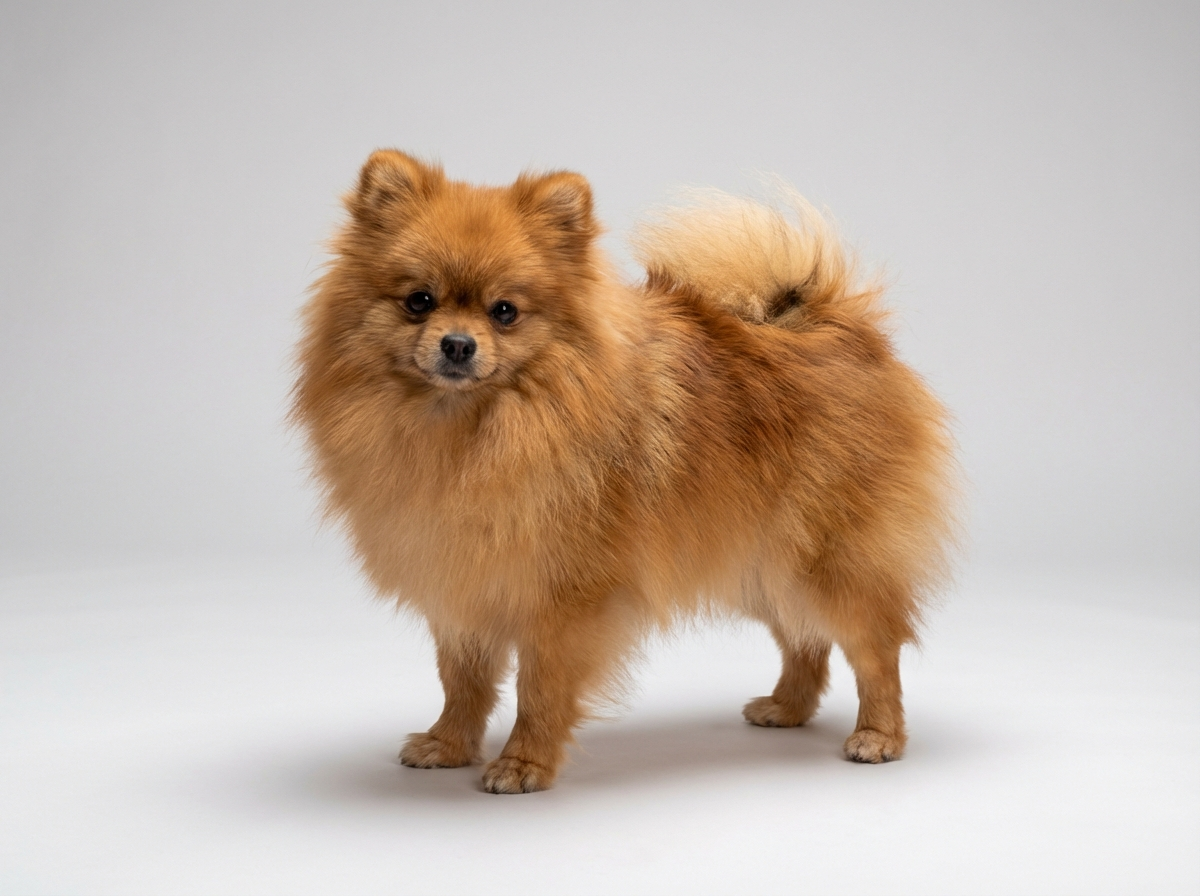
Behavior
What are some quick tips for Pomeranian eye problems?
Keep your Pomeranian's eyes clean and check for signs of irritation regularly. Consult your vet if you notice excessive tearing or redness.

Quick answer
What are some quick tips for Pomeranian eye problems?
Keep your Pomeranian's eyes clean and check for signs of irritation regularly. Consult your vet if you notice excessive tearing or redness.
Pomeranian eye problems can lead to serious discomfort and health issues. Recognizing the signs early is crucial for your pup's well-being.
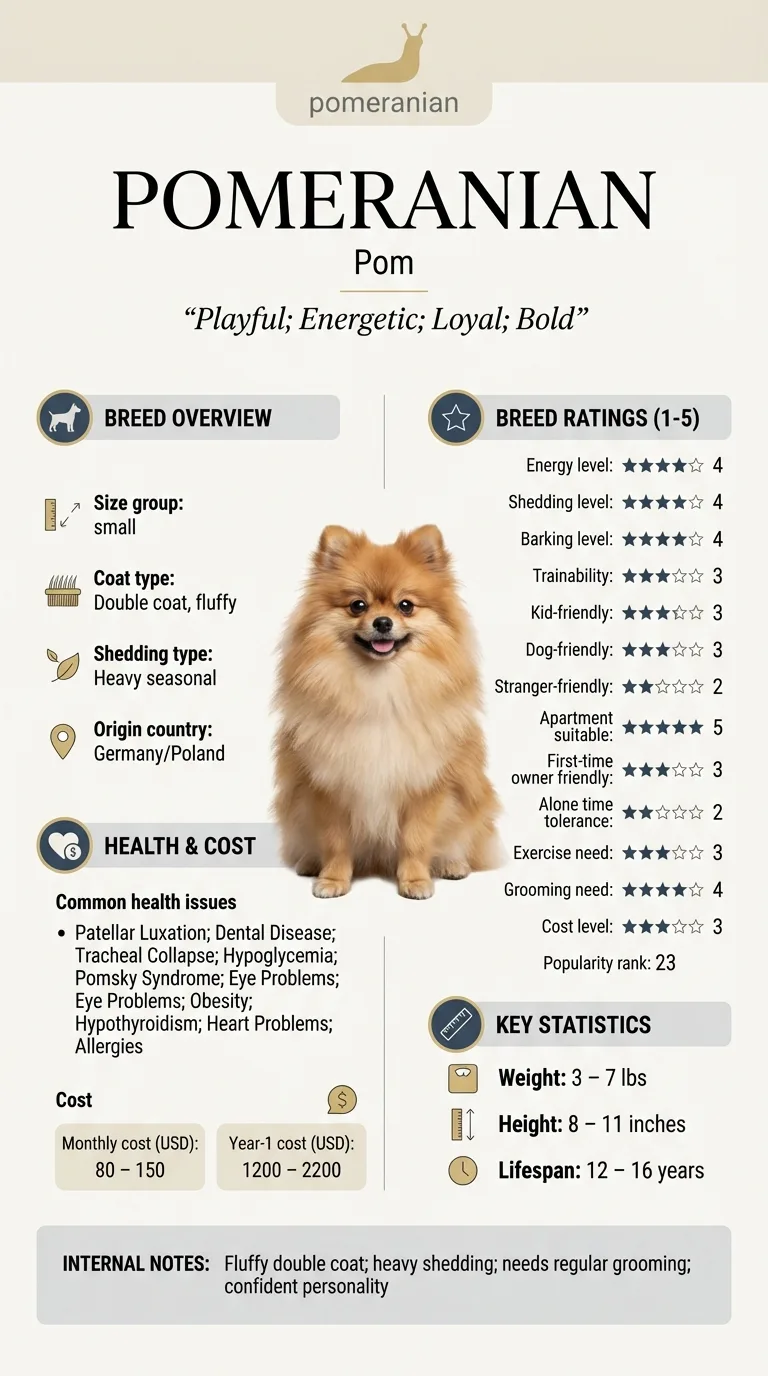
Pomeranian owners, especially first-time dog parents, often face challenges with their pet's eye health. Busy individuals or families with kids may overlook subtle signs, leading to worsening conditions.
This guide is not medical advice. If your dog shows pain, sudden behavior change, or worsening symptoms, consult a licensed veterinarian.
Some links may be affiliate links. We may earn a commission at no extra cost to you. We only suggest products we believe are helpful for dog owners.
We research and check what we publish, but we do not warrant that any figure, date, price, or statement is accurate, complete, or current, and we accept no liability for any loss, cost, injury, or other harm arising from the use of this site. Use it as one reference among several. You remain responsible for your own decisions and for your dog's care - confirm anything that matters with a licensed veterinarian or another qualified professional before you act on it. Full disclaimer.
Check this first
Recognizing when your Pomeranian's eye problems are serious is crucial. Certain signs indicate an emergency, while others may be milder and manageable at home. If you notice any red-flag symptoms, it's essential to call your vet immediately.
Emergency signs include: - Sudden loss of vision or bumpiness in the eye. - Excessive tearing or bleeding from the eye. - Signs of severe pain, such as rubbing the eye or squinting. - A cloudy appearance in the eye or bulging. - Swelling around the eye or discharge that is green or yellow.
These symptoms could indicate conditions like glaucoma or infections, which require urgent care. Don't wait; your Pom's sight might depend on it.
On the other hand, some eye issues can be monitored with a plan. Mild symptoms might include occasional tearing or slight redness. If your Pomeranian's eye problems are limited to these less severe signs, you can keep a close eye on them at home.
For these mild cases, consider: - Regularly cleaning the eyes with a damp cloth. - Monitoring for any changes in behavior or symptoms. - Keeping a log of any occurrences to discuss with your vet during routine check-ups.
In summary, always trust your instincts. If something feels off, it's better to be safe and consult your vet. Keeping informed about how to stop Pomeranian eye problems can help you make decisions that benefit your furry friend.
If any of these apply, call your vet or an emergency clinic now. The rest of this page is for the cases that are not an emergency.
Pomeranian eye problems can manifest in various ways, such as excessive tearing, redness, or cloudy eyes. These issues often stem from their small size and delicate features, making them prone to injury and irritation. Daily life with a Pomeranian facing these problems may include frequent vet visits and constant monitoring to prevent aggravation.
Eye problems are quite common in Pomeranians due to their anatomical structure. Many owners report dealing with these issues, especially as their dogs age. Awareness and early intervention are key to managing these conditions effectively.
Pomeranians are prone to eye problems due to their prominent eyes, which can lead to injuries or conditions like corneal ulcers. Their fluffy double coat can also contribute to tear staining, making eye issues more visible. Additionally, their playful and bold nature may lead to rough play, increasing the risk of eye injuries.
Environmental factors play a significant role in Pomeranian eye problems. Dust, allergens, and exposure to harsh weather can irritate their eyes. If your Pom spends a lot of time outdoors or in dusty areas, they may be more prone to developing eye issues.
Contact your vet if you notice persistent redness, excessive tearing, or cloudiness in your Pomeranian's eyes. These could be signs of serious conditions requiring medical attention. Regular vet check-ups are also recommended to monitor their eye health.
Avoiding certain behaviors can help alleviate Pomeranian eye problems. Here are some common mistakes owners make that can worsen the situation, along with safer alternatives.
Start here: Pomeranian Most Common Genetic Disorders: What to Screen For
See all Pomeranian health problems, which breeds are prone to eye problems, or the full Pomeranian breed guide for temperament, exercise needs and ownership costs.
You can expect to see improvements in your Pomeranian's eye health within 1 to 3 months of consistent care and follow-up with your vet.
Success means your Pomeranian will show fewer signs of discomfort, such as rubbing their eyes, and will have clearer, healthier-looking eyes.
Tina, a first-time dog owner in New York, noticed her Pomeranian Bella frequently squinting and rubbing her eyes. Concerned, she researched Pomeranian eye problems and discovered that they can be common in the breed. Tina started a routine of regular eye cleaning and a vet-recommended eye ointment. She also learned to limit Bella's exposure to allergens and irritants. Over the next couple of months, Bella’s eye condition improved significantly, and she seemed happier and more comfortable.
Key takeaway: With proper care and attention, many Pomeranian eye problems can be managed effectively, leading to a happier and healthier pet.
Pomeranians are prone to eye problems due to their prominent eyes and facial structure. Common issues include tear staining, corneal ulcers, and cataracts. Regular vet check-ups can help catch these problems early.
To prevent eye problems, keep your Pomeranian's face clean and free from debris. Regular grooming, including eye area cleaning, is essential. Also, ensure your dog avoids rough play that could lead to injuries.
Signs of eye problems include excessive tearing, redness, squinting, or rubbing the eyes. If you notice your Pomeranian showing these symptoms, consult your vet promptly. Early intervention can make a significant difference.
Addressing Pomeranian eye problems involves regular vet visits and proper grooming. You can also use artificial tears if recommended by your vet. Always monitor their behavior for any changes.
Treatment options vary depending on the issue. For mild conditions, eye drops may suffice, while more severe cases may need surgery. Consult your vet for the best course of action tailored to your dog's needs.
Training your Pomeranian to avoid rough play can help reduce the risk of eye injuries. Use commands and positive reinforcement to teach them safe behaviors. Consistency is key for effective training.
If your Pomeranian shows persistent symptoms like swelling, cloudiness, or sudden changes in vision, it's time to visit a vet. Early intervention can prevent more severe issues.
Yes, some eye problems in Pomeranians can be hereditary, such as cataracts or progressive retinal atrophy. If you notice any issues, discuss the family history with your vet.
Older Pomeranians are indeed more prone to eye problems due to age-related changes. Regular vet visits become increasingly important as they age to catch any issues early.
Keep your Pomeranian's eyes clean and check for signs of irritation regularly. Consult your vet if you notice excessive tearing or redness.
Schedule annual vet check-ups for your Pomeranian, with more frequent visits if they show signs of eye problems.
A balanced diet rich in Omega-3 fatty acids can support eye health. Consult your vet for suitable food options.
Regular grooming, especially around the eyes, can prevent irritation and tearing. Use a soft cloth for cleaning.
A one-page prep sheet for this condition: the signs, the questions to ask, what to get priced. Unlocks here.
You get: Vet visit prep sheet
No spam. One-click unsubscribe. See our privacy policy.
Preview page 1 before you decide.