What are quick tips for managing Pomeranian exercise intolerance?
Keep walks short and frequent, provide plenty of water, and avoid hot weather. Monitor your Pom for signs of fatigue and adjust their activity level accordingly.
Pomeranian exercise intolerance can be a frustrating issue for many owners. This condition can lead to overheating and fatigue during physical activity.

Many first-time dog owners or those living in warmer climates may struggle with this issue. Busy families or individuals who want an active companion might find their Pomeranian unable to keep up, which can be disappointing.
This guide is not medical advice. If your dog shows pain, sudden behavior change, or worsening symptoms, consult a licensed veterinarian.
Some links may be affiliate links. We may earn a commission at no extra cost to you. We only suggest products we believe are helpful for dog owners.
Pomeranian exercise intolerance is a common issue that can affect daily activities and overall well-being. These small, fluffy dogs may struggle with physical activity, showing signs of fatigue or overheating even after short play sessions. Owners might notice their Pomeranians panting excessively, lagging behind during walks, or refusing to engage in play when they normally would.
Exercise intolerance is relatively common in Pomeranians, particularly due to their small size and predisposition to specific health issues. Many owners report observing this behavior, especially in warmer weather or after intense activity.
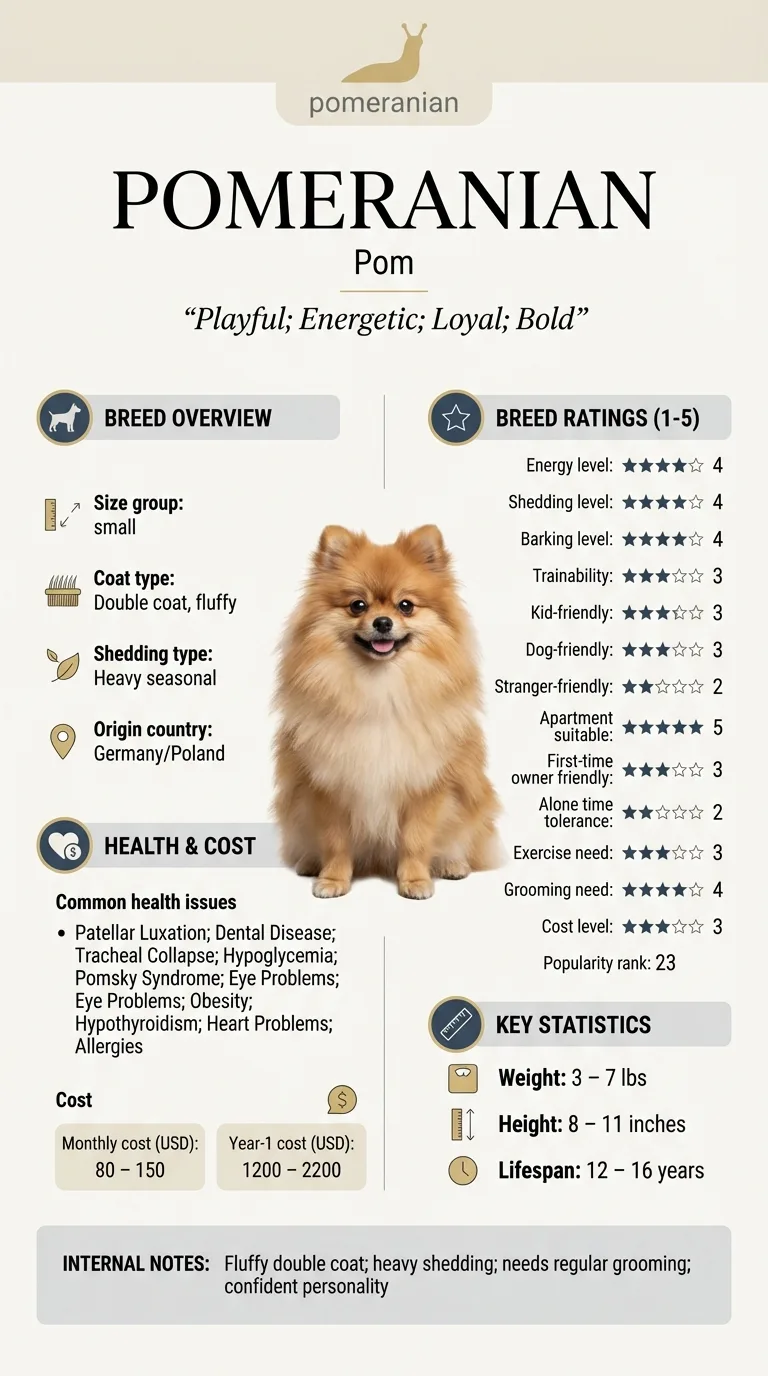
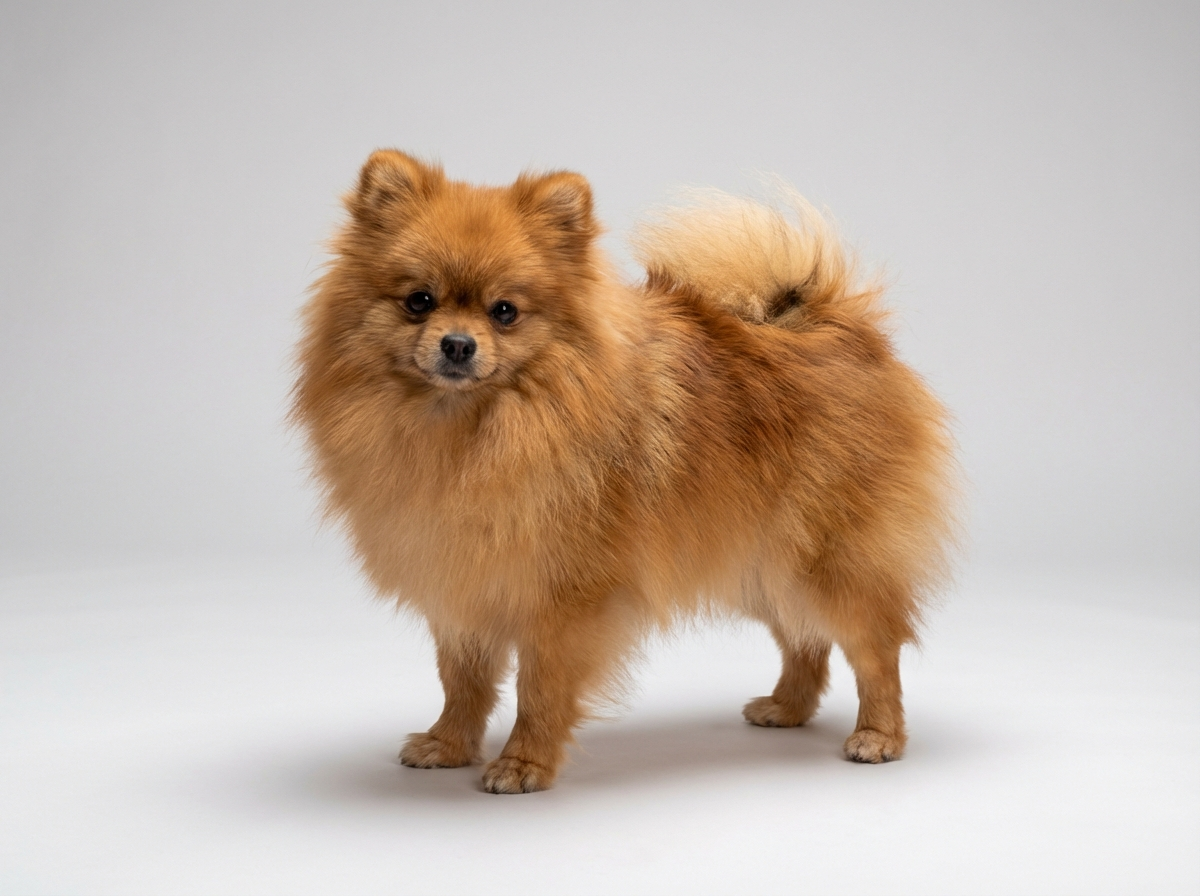
Pomeranians are small dogs with a fluffy double coat, which can make them more prone to overheating. Their energy level is moderate, but they may tire quickly during exercise due to their size and build. Additionally, some breed-specific health issues, such as heart problems or tracheal collapse, can contribute to exercise intolerance.
Environmental factors like high temperatures or humidity can exacerbate a Pomeranian's exercise intolerance. If they are not acclimated to physical activity, they may struggle even more, especially in urban settings with limited space. Stressful situations, like loud noises or unfamiliar environments, can also lead to anxiety and reduce their willingness to exercise.
If your Pomeranian consistently refuses to exercise or shows signs of distress during activity, it may be helpful to consult a professional dog trainer. They can provide tailored strategies and support for building your dog's confidence and comfort with exercise.
If you notice ongoing exercise intolerance or any other concerning symptoms like coughing, lethargy, or difficulty breathing, it's important to consult your vet. They can assess for underlying health issues and recommend appropriate management strategies.
Most owners can see improvement in their Pomeranian's exercise tolerance within 4 to 6 weeks of consistent training and management.
Success means your Pomeranian can engage in regular, enjoyable exercise without showing signs of fatigue or distress.
Avoiding these common mistakes can help improve your Pomeranian's exercise intolerance.
Recognizing when Pomeranian exercise intolerance becomes an emergency is crucial for your dog's safety. If your Pom shows signs of severe fatigue, difficulty breathing, or collapse during or after exercise, call your vet immediately. Other red flags include excessive panting, vomiting, or a rapid heartbeat.
On the other hand, if your Pomeranian appears to tire easily during walks but can still recover afterward, this may not be an immediate concern. Monitor their behavior closely and consider adjusting their exercise routine. Mild cases can often be managed with gradual increases in activity and regular breaks during playtime.
Keep an eye on your Pom’s overall health and ensure they stay hydrated. If they consistently show signs of fatigue or discomfort, it’s time to consult your veterinarian to rule out any underlying health issues. Remember, it’s always better to be safe than sorry when it comes to your furry friend’s well-being.

When Sarah adopted Bella, her playful Pomeranian, she quickly noticed that Bella struggled to keep up during walks. After just a few minutes, Bella would sit down, panting heavily. Concerned, Sarah researched Pomeranian exercise intolerance and learned about the importance of pacing. She started taking Bella on shorter, more frequent walks and incorporated playtime at home. Within weeks, Bella began to enjoy her outings more and was able to walk longer distances. Sarah also learned to watch for signs of fatigue, allowing Bella to rest when needed.
Key takeaway: With patience and tailored training, you can help your Pomeranian gradually build stamina and enjoy exercise safely.
Pomeranians can have exercise intolerance due to a variety of factors, including their small size and potential health issues like tracheal collapse or heart problems. It's important to monitor their activity levels and ensure they don't overexert themselves, especially in hot weather.
To help your Pomeranian, focus on short, frequent walks instead of long outings. Provide plenty of breaks during playtime and watch for signs of fatigue or overheating, like excessive panting.
Signs of exercise intolerance can include excessive panting, lethargy, or reluctance to move. If your Pomeranian seems unusually tired after a short play session, it may be time to adjust their exercise routine.
Yes, gradually building up your Pomeranian's stamina through consistent, gentle training can help. Start with very short sessions and increase the duration as they become more comfortable.
If your Pomeranian frequently shows signs of exercise intolerance or if you notice any concerning symptoms like coughing or difficulty breathing, consult your vet. They can rule out underlying health issues.
Signs of Pomeranian exercise intolerance include excessive panting, reluctance to walk, or even collapsing during play. If your Pomeranian shows these signs, it may be a sign they need a break or are struggling with their energy levels.
Yes, older Pomeranians can experience exercise intolerance due to age-related health issues. It's important to monitor their activity levels and consult with a vet if you notice changes in their stamina or energy.
Pomeranian exercise intolerance can stem from various factors, including health problems like heart issues or obesity. Additionally, overheating during play can lead to fatigue, so it's crucial to regulate their exercise, especially in hot weather.
To improve your Pomeranian's exercise tolerance, start with short, manageable walks and gradually increase the duration. Incorporating fun games and interactive toys can also help them build stamina without overexerting themselves.
If your Pomeranian becomes overheated, immediately take them to a cool area and offer water. You can also apply a damp cloth to their paws and belly to help cool them down. If they continue to show signs of distress, contact your vet.
Keep walks short and frequent, provide plenty of water, and avoid hot weather. Monitor your Pom for signs of fatigue and adjust their activity level accordingly.
Aim for about 30 minutes of exercise spread throughout the day, including short walks and playtime. This helps prevent boredom while keeping their energy levels in check.
Yes, Pomeranians can be prone to issues like tracheal collapse and heart problems, which can exacerbate exercise intolerance. Regular vet check-ups are essential.