Behavior
What should I do during a seizure?
Stay calm and clear the area around your Pomeranian to prevent injury. Time the seizure and avoid putting anything in their mouth.

Quick answer
What should I do during a seizure?
Stay calm and clear the area around your Pomeranian to prevent injury. Time the seizure and avoid putting anything in their mouth.
Pomeranian epilepsy is a serious condition characterized by seizures that can be frightening for both dogs and their owners.
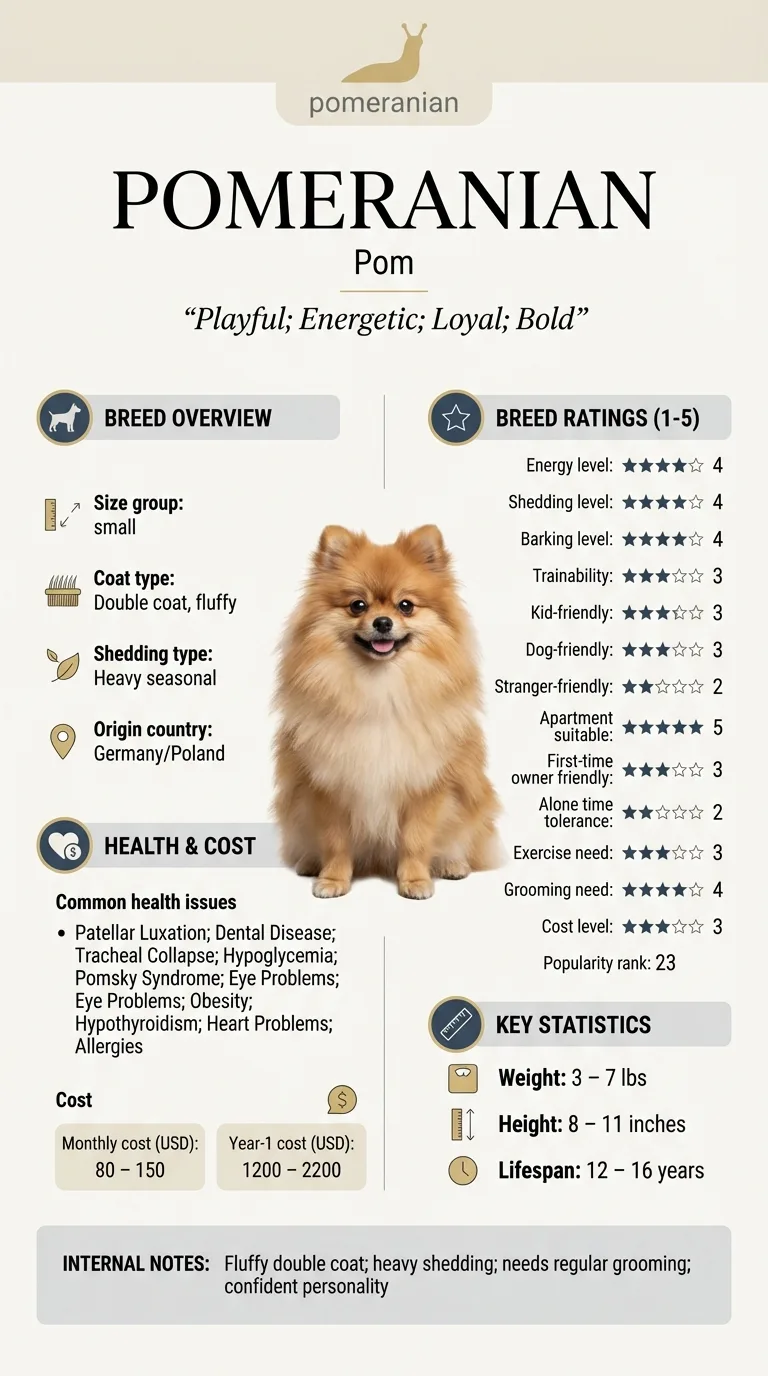
Typically, owners of Pomeranians may face this issue, especially those who have never dealt with seizures before. This can be particularly stressful for new dog owners or those with busy lifestyles who may not know how to handle such emergencies.
This guide is not medical advice. If your dog shows pain, sudden behavior change, or worsening symptoms, consult a licensed veterinarian.
Some links may be affiliate links. We may earn a commission at no extra cost to you. We only suggest products we believe are helpful for dog owners.
We research and check what we publish, but we do not warrant that any figure, date, price, or statement is accurate, complete, or current, and we accept no liability for any loss, cost, injury, or other harm arising from the use of this site. Use it as one reference among several. You remain responsible for your own decisions and for your dog's care - confirm anything that matters with a licensed veterinarian or another qualified professional before you act on it. Full disclaimer.
Check this first
Recognizing when Pomeranian epilepsy is an emergency can save your pup's life. If your dog has a seizure that lasts longer than five minutes or has multiple seizures in a row, call your vet immediately. Also, if your Pomeranian loses consciousness or can't be easily awakened after a seizure, this is a red flag that needs urgent attention.
On the other hand, if your Pomeranian has a mild seizure that lasts less than two minutes and quickly recovers, you can monitor them at home. Keep a log of their seizures, noting the duration and behavior before and after. This information will be valuable for your vet to create a treatment plan.
Always keep an eye out for other signs of distress, such as excessive drooling, disorientation, or unusual behavior. If these occur, it's better to err on the side of caution and reach out to your veterinarian. Having a solid plan in place can make a difference in how you handle these episodes.
If any of these apply, call your vet or an emergency clinic now. The rest of this page is for the cases that are not an emergency.
Pomeranian epilepsy can manifest as sudden seizures that may leave your furry friend disoriented or confused. These episodes vary in intensity and duration, often happening without warning. Owners may notice their Pomeranian shaking, collapsing, or having muscle spasms, which can be distressing to witness.
While not all Pomeranians will experience epilepsy, it is a recognized condition within the breed. Epilepsy can affect a small percentage of Pomeranians, and it's crucial for owners to be aware of the signs and seek veterinary advice if they suspect their dog may have this issue.
Pomeranians can be predisposed to certain health issues, including epilepsy. Genetic factors might play a role, as some lines may have a higher incidence of this condition. Their small size can also contribute to neurological sensitivities.
Environmental factors such as stress, lack of exercise, or exposure to toxins can trigger seizures in dogs. A chaotic home environment or sudden changes can increase anxiety, which might lead to seizures. Additionally, poor diet and inadequate veterinary care can exacerbate health issues.
If your Pomeranian experiences seizures, contact your vet immediately. They can provide a proper diagnosis and treatment plan. If seizures are frequent, or if your dog shows signs of distress, don't hesitate to seek veterinary advice.
Managing Pomeranian epilepsy can be challenging. Here are common mistakes to avoid that may make the situation worse.
Start here: Pomeranian Most Common Genetic Disorders: What to Screen For
See all Pomeranian health problems, which breeds are prone to epilepsy, or the full Pomeranian breed guide for temperament, exercise needs and ownership costs.
Managing Pomeranian epilepsy can take several weeks to months. Regular vet visits and monitoring will be essential during this time.
Success means finding a suitable treatment plan that helps reduce seizure frequency and severity, allowing your Pomeranian to live a comfortable life.
Emily, a first-time dog owner, noticed her Pomeranian Bella having seizures. Initially, she felt overwhelmed and unsure of what to do. After consulting her vet, they established a treatment plan that included medication and lifestyle changes. Over several months, Bella's seizure frequency decreased significantly, allowing her to enjoy her playful nature again. Emily learned the importance of patience and consistency in managing Bella's condition.
Key takeaway: Understanding Pomeranian epilepsy and working closely with a vet is crucial for effective management and improving your dog's quality of life.
Pomeranian epilepsy can be caused by genetic factors, brain injuries, or infections. In some cases, the exact cause remains unknown. Regular vet check-ups can help identify underlying issues.
Managing Pomeranian epilepsy often involves medication prescribed by your vet. Keeping a seizure diary can help track triggers and patterns. Always consult your vet before making any changes to your dog's treatment plan.
While there's no one-size-fits-all diet for Pomeranian epilepsy, some owners find that a balanced diet rich in Omega-3 fatty acids can support brain health. Consult your vet for personalized dietary recommendations.
If your Pomeranian has multiple seizures in a short time or if a seizure lasts longer than five minutes, seek emergency veterinary care. Quick action can prevent more serious complications.
Training can help provide a stable environment for a Pomeranian with epilepsy. Basic commands and routines can reduce anxiety, which may help lessen the frequency of seizures. However, it's important to focus on gentle training methods.
Pomeranians are prone to several health issues, such as heart problems and dental disease, which can complicate epilepsy. Regular vet visits can help monitor overall health and manage multiple conditions.
Triggers for Pomeranian epilepsy can vary widely. Common factors include genetics, environmental changes, and head injuries. It’s essential to monitor your dog's behavior and consult a vet if you notice unusual changes.
Yes, older Pomeranians can develop epilepsy, even if they have been healthy throughout their lives. Age-related changes in the brain and certain health issues can increase the risk. If your senior Pom starts having seizures, contact your vet for advice.
Managing Pomeranian epilepsy at home includes keeping a seizure diary, maintaining a consistent routine, and reducing stress. Ensure your dog is in a safe environment during a seizure and follow your vet's recommendations for medications or training.
While there’s no one-size-fits-all diet for Pomeranian epilepsy, some owners find that a high-quality, balanced diet can help. Discuss dietary options with your vet, as they may suggest specific supplements or foods to support brain health.
You should see a vet if your Pomeranian has a seizure for the first time or if they experience multiple seizures in a short period. Any significant change in behavior or health warrants a vet visit to determine the cause and appropriate treatment.
Stay calm and clear the area around your Pomeranian to prevent injury. Time the seizure and avoid putting anything in their mouth.
Seizure frequency varies; some dogs may have seizures monthly, while others might go years between episodes. Keep a record to help your vet assess the situation.
Yes, stress can be a trigger for seizures in Pomeranians. Creating a calm environment and using training techniques can help manage stress levels.
Consider pet insurance that covers pre-existing conditions if your Pomeranian has epilepsy. This can help manage ongoing treatment costs.
Yes, several medications can help control seizures in Pomeranians. Your vet will recommend the best options based on your dog's specific needs.
A one-page prep sheet for this condition: the signs, the questions to ask, what to get priced. Unlocks here.
You get: Vet visit prep sheet
No spam. One-click unsubscribe. See our privacy policy.
Preview page 1 before you decide.