Health
What are quick tips for managing Pomeranian elongated soft palate?
Ensure your Pomeranian stays at a healthy weight and avoid strenuous activities. Regular vet check-ups can help monitor the condition and address any complications early.

Quick answer
What are quick tips for managing Pomeranian elongated soft palate?
Ensure your Pomeranian stays at a healthy weight and avoid strenuous activities. Regular vet check-ups can help monitor the condition and address any complications early.
Pomeranian elongated soft palate is a common issue that affects your pup's breathing.
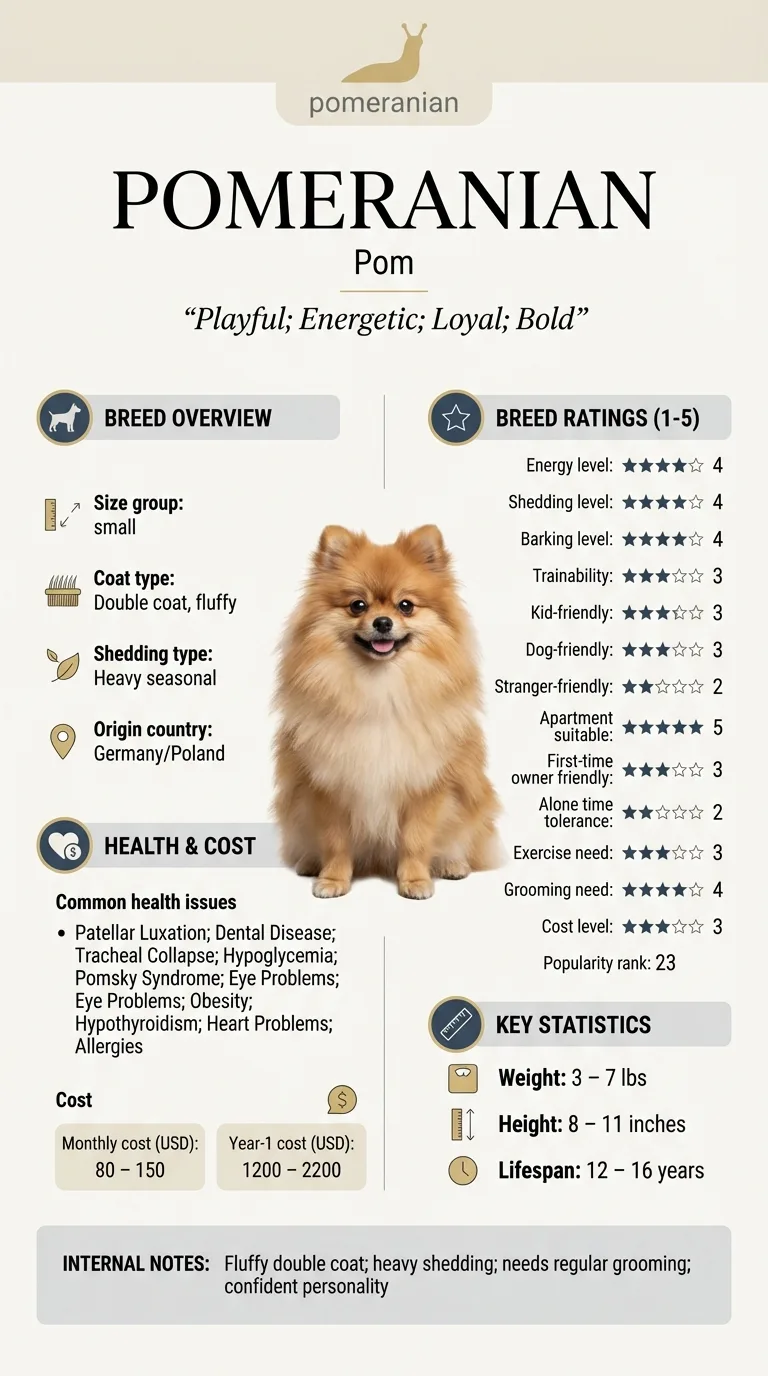
Owners of Pomeranians, especially first-time pet parents, often find themselves worried about their dog's breathing. This problem can be particularly concerning for those living in warmer climates where heat can exacerbate the issue.
This guide is not medical advice. If your dog shows pain, sudden behavior change, or worsening symptoms, consult a licensed veterinarian.
Some links may be affiliate links. We may earn a commission at no extra cost to you. We only suggest products we believe are helpful for dog owners.
We research and check what we publish, but we do not warrant that any figure, date, price, or statement is accurate, complete, or current, and we accept no liability for any loss, cost, injury, or other harm arising from the use of this site. Use it as one reference among several. You remain responsible for your own decisions and for your dog's care - confirm anything that matters with a licensed veterinarian or another qualified professional before you act on it. Full disclaimer.
Check this first
Recognizing when a Pomeranian's elongated soft palate becomes an emergency is crucial for their health. In some cases, the signs can be mild and manageable at home, while others require immediate veterinary attention. If you notice severe breathing difficulties, such as gasping for air or blue-tinged gums, call your vet right away. These are red-flag symptoms that can indicate a serious airway obstruction.
Other emergency signs include extreme lethargy, persistent coughing, or signs of distress during regular activities like eating or playing. If your Pom exhibits these symptoms, it’s vital to consult your veterinarian immediately. On the other hand, if your dog is experiencing occasional snorting or mild coughing without significant distress, you can monitor the situation at home.
Create a plan to manage these milder symptoms. Keep track of any patterns and consult your vet for advice on how to improve their comfort. For instance, ensuring your Pomeranian maintains a healthy weight can help reduce pressure on their airway. Avoiding extreme temperatures and providing a calm environment can also be beneficial. Always err on the side of caution; when in doubt, consulting your vet is the best course of action.
If any of these apply, call your vet or an emergency clinic now. The rest of this page is for the cases that are not an emergency.
Pomeranian elongated soft palate is a common health issue in this breed, where the soft palate is longer than normal. This condition can lead to breathing difficulties and may cause your Pom to snore or cough. Owners might notice their dog struggling for breath during exercise or feeling anxious in hot weather.
This problem is relatively common among Pomeranians due to their small size and unique anatomy. Many Poms experience some degree of airway obstruction related to an elongated soft palate, especially as they age.
Pomeranians are small dogs with a compact structure, which can lead to certain health issues like an elongated soft palate. This condition occurs when the soft palate is too long, resulting in airway obstruction. Their brachycephalic features can make this breed more susceptible to breathing difficulties.
Environmental factors can also contribute to this problem. For example, excessive heat, high humidity, and obesity can worsen breathing issues. Stressful situations, like loud noises or unfamiliar environments, may exacerbate symptoms.
If your Pomeranian has significant breathing issues, difficulty eating, or persistent coughing, it's time to talk to your vet. They can assess your dog's condition and may recommend treatments or interventions to address the elongated soft palate.
Avoiding common pitfalls can help your Pomeranian's elongated soft palate issue. Here are some mistakes to steer clear of.
Start here: Pomeranian Most Common Genetic Disorders: What to Screen For
See all Pomeranian health problems, which breeds are prone to elongated soft palate, or the full Pomeranian breed guide for temperament, exercise needs and ownership costs.
Expect to see improvements in your Pomeranian's breathing and comfort within 2 to 4 weeks of following care and management techniques.
Success means your Pomeranian breathes more easily, shows reduced signs of distress during physical activity, and enjoys a better quality of life.
When Sarah adopted Bella, her Pomeranian, she quickly noticed that Bella seemed to struggle with heavy breathing, especially during walks. After consulting her vet, Sarah learned that Bella had an elongated soft palate. Determined to help her furry friend, Sarah followed a combination of behavior modification techniques and controlled exercise routines. Over the next few weeks, Bella's breathing improved significantly, allowing her to play and enjoy walks without distress.
Key takeaway: With the right approach and support, you can help your Pomeranian manage elongated soft palate issues and lead a happier, healthier life.
A Pomeranian elongated soft palate is a condition where the soft tissue at the back of the mouth is longer than normal. This can cause airway obstruction, leading to breathing difficulties for your dog. It's essential to recognize this issue early to manage it effectively.
To assist your Pomeranian, ensure they maintain a healthy weight to reduce breathing strain. Training techniques that promote calmness and reduce anxiety can also help. In severe cases, surgical intervention may be necessary, so consult your vet for advice.
While training can't directly fix the condition, it can help reduce stress and anxiety, which can worsen breathing difficulties. Focus on positive reinforcement techniques to create a calm environment for your dog. This can improve their overall quality of life.
If your Pomeranian is having trouble breathing, it's important to seek immediate veterinary care. Breathing difficulties can escalate quickly, and your vet can assess the situation and recommend appropriate treatment.
Yes, older Pomeranians may experience more severe symptoms due to aging tissues. It's crucial to monitor their breathing and consult a vet if you notice any changes.
Ensure your Pomeranian stays cool and hydrated. Avoid strenuous activities during the heat, and provide a calm environment to reduce stress, which can exacerbate breathing issues.
If your Pomeranian shows signs of severe breathing difficulty, such as blue-tinged gums or excessive panting, seek veterinary help immediately. Early intervention can prevent complications.
Gentle training methods that focus on positive reinforcement can be beneficial. Avoid overly strenuous exercises and opt for short, calm training sessions to keep your Pom engaged without straining their airway.
Ensure your Pomeranian stays at a healthy weight and avoid strenuous activities. Regular vet check-ups can help monitor the condition and address any complications early.
Use positive reinforcement techniques to encourage calm behavior. Avoid situations that may stress your dog, as anxiety can worsen breathing problems.
Aside from elongated soft palate, Pomeranians often face issues like dental disease and tracheal collapse. Regular vet visits can help catch these problems early.
A one-page prep sheet for this condition: the signs, the questions to ask, what to get priced. Unlocks here.
You get: Vet visit prep sheet
No spam. One-click unsubscribe. See our privacy policy.
Preview page 1 before you decide.