Behavior
What are some quick tips for Pomeranian ear infections?
Keep your Pomeranian's ears dry and clean, especially after baths. Regularly check for unusual smells or discharge. If you notice any symptoms of infection, consult your vet promptly.

Quick answer
What are some quick tips for Pomeranian ear infections?
Keep your Pomeranian's ears dry and clean, especially after baths. Regularly check for unusual smells or discharge. If you notice any symptoms of infection, consult your vet promptly.
Pomeranian ear infections can be a troublesome issue for many dog owners. These chronic ear problems can lead to discomfort and even more severe health issues if left untreated.
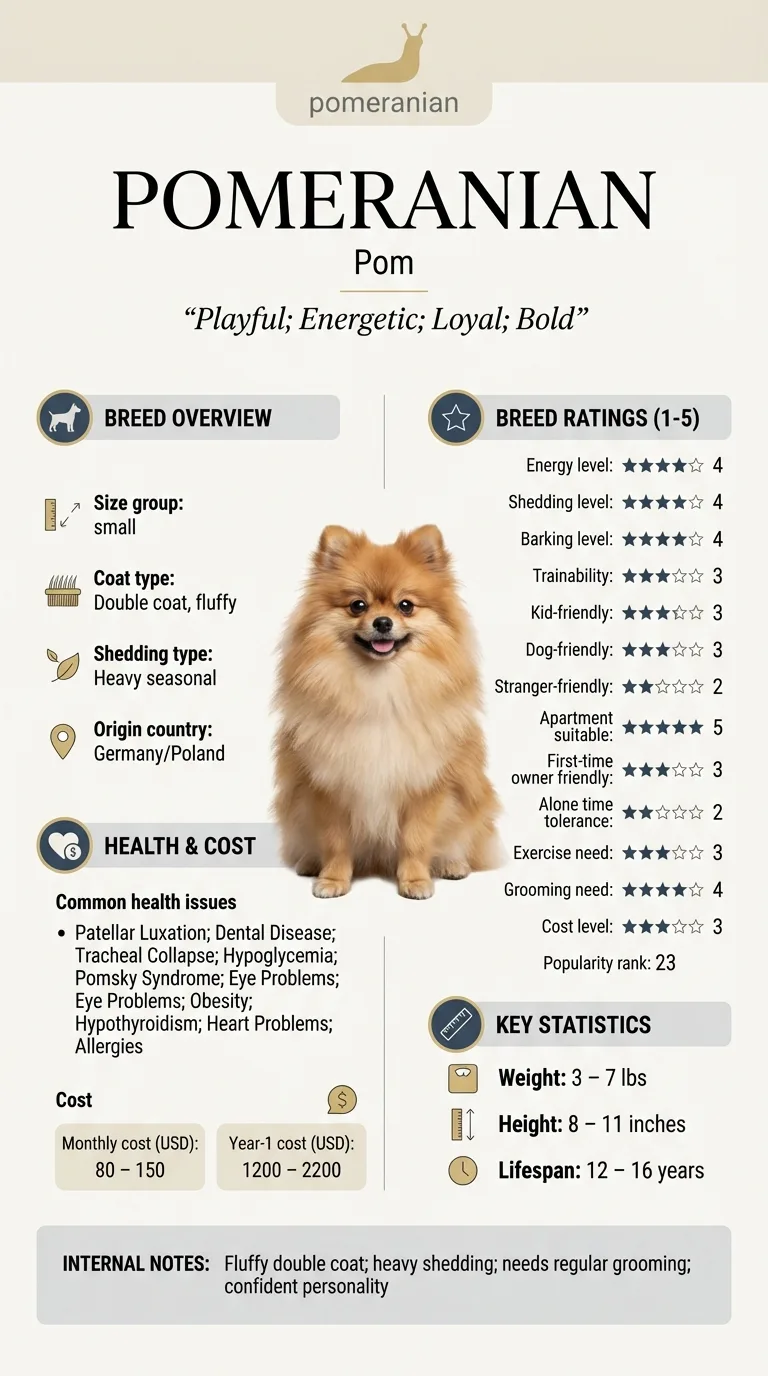
Typically, owners of Pomeranians, especially first-time dog parents, find themselves dealing with this issue. Busy families or individuals who may not be aware of grooming and care requirements often notice their pets scratching or shaking their heads, which can be a sign of ear problems.
This guide is not medical advice. If your dog shows pain, sudden behavior change, or worsening symptoms, consult a licensed veterinarian.
Some links may be affiliate links. We may earn a commission at no extra cost to you. We only suggest products we believe are helpful for dog owners.
We research and check what we publish, but we do not warrant that any figure, date, price, or statement is accurate, complete, or current, and we accept no liability for any loss, cost, injury, or other harm arising from the use of this site. Use it as one reference among several. You remain responsible for your own decisions and for your dog's care - confirm anything that matters with a licensed veterinarian or another qualified professional before you act on it. Full disclaimer.
Check this first
Pomeranian ear infections can become serious quickly. It's crucial to know when to call your vet and when you can wait and watch. If your Pom shows any red-flag signs, don't hesitate to seek immediate help.
Emergency signs include severe swelling, discharge with a foul odor, or if your dog is excessively scratching or shaking their head. These may indicate a deep infection or even a foreign object lodged in the ear. Additionally, if your Pomeranian exhibits signs of pain, such as whimpering or reluctance to be touched, it's time to call the vet immediately.
On the other hand, mild cases can often be monitored at home. If your Pom has slight redness or minor itching without severe symptoms, you can keep an eye on it. Ensure to check the ears frequently for any changes. Maintaining regular cleaning and monitoring can help prevent worsening conditions. If symptoms persist or worsen over a few days, consult with your vet. Always trust your instincts; if something feels off, it's better to err on the side of caution.
If any of these apply, call your vet or an emergency clinic now. The rest of this page is for the cases that are not an emergency.
Pomeranian ear infections can lead to persistent discomfort for your furry friend. These infections often manifest as shaking of the head, scratching at the ears, and unpleasant odors. If left untreated, they may cause pain and even hearing loss, making it crucial for owners to recognize the signs early.
Ear infections are fairly common in Pomeranians due to their unique ear structure and fluffy coats. Many owners report dealing with this issue at least once during their dog's life, making it a significant concern for Pomeranian care.
Pomeranians have fluffy double coats that can trap moisture and debris in their ears. Their ear shape can make it hard for air to circulate, creating a perfect environment for bacteria and yeast to thrive. This breed is also prone to allergies, which can lead to inflammation and infections.
Environmental factors like humidity and exposure to allergens can contribute to ear infections in Pomeranians. If your dog spends time in dirty or wet environments, the risk of infections increases. Additionally, a lack of regular ear cleaning can lead to wax buildup, further heightening the chances of infection.
If you notice persistent redness, swelling, or discharge in your Pomeranian's ears, it's time to see a vet. Additionally, if your dog frequently paws at their ears or shakes their head, these could be signs of an underlying issue that needs professional attention.
Avoiding these common mistakes can help manage Pomeranian ear infections more effectively.
Start here: Pomeranian Most Common Genetic Disorders: What to Screen For
See all Pomeranian health problems, which breeds are prone to ear infections, or the full Pomeranian breed guide for temperament, exercise needs and ownership costs.
Most Pomeranian ear infections can improve within 2 to 4 weeks with proper care and treatment. However, ongoing management may be necessary for chronic issues.
Success means your Pomeranian is comfortable, scratching their ears less, and showing no signs of redness or discharge. Regular check-ups with your vet should show a decrease in infections over time.
When Sarah adopted Bella, her fluffy Pomeranian, she quickly noticed Bella scratching her ears and shaking her head. After a vet visit, Sarah learned that Bella had a recurring ear infection, likely due to her double coat and allergies. Determined to help Bella, Sarah followed the vet’s advice to clean her ears weekly and started a new diet to manage allergies. Over the next month, Bella's conditions improved, and she was much happier and more playful without the discomfort.
Key takeaway: Consistent ear care and understanding your Pomeranian's specific needs can significantly reduce ear infections.
Pomeranians are prone to ear infections due to their fluffy double coat, which can trap moisture and debris. Allergies, wax buildup, and improper cleaning can also contribute to these infections. Regular ear checks and cleaning can help prevent issues.
To stop Pomeranian ear infections, keep their ears clean and dry. Regularly check for signs of redness or discharge, and consult your vet for appropriate cleaning solutions and methods. If infections persist, your vet may recommend medication or a specific cleaning routine.
Common signs of Pomeranian ear infections include frequent scratching of the ears, shaking of the head, and a foul odor coming from the ear. You might also notice redness or swelling in the ear canal, along with discharge. If you see these signs, it’s best to consult a vet.
While some home remedies like diluted vinegar can help, it's best to consult your vet before trying them. They can recommend safe and effective treatments based on your Pomeranian's specific needs. Avoid using alcohol or hydrogen peroxide, as these can irritate the skin.
Cleaning your Pomeranian's ears once a month is generally a good rule of thumb. However, if your dog has a history of ear infections, you might need to clean them more frequently. Always use a vet-approved cleaner and follow their instructions.
If your Pomeranian shows persistent symptoms of ear infections, such as shaking their head or excessive scratching, it's time to see a vet. Delaying treatment can lead to more serious issues. Your vet can provide a proper diagnosis and treatment plan.
Yes, allergies can lead to ear infections in Pomeranians. Environmental allergens, food allergies, and even flea bites can cause inflammation and infection in the ears. Identifying and managing these allergies can help reduce the occurrence of ear infections.
To prevent Pomeranian ear infections, keep their ears clean and dry. Regularly check their ears for dirt and debris and consult a vet for appropriate cleaning methods. Additionally, ensure your Pom's allergies are managed to help avoid ear problems.
You should take your Pomeranian to the vet if you notice signs of an ear infection, such as persistent scratching, bad odor, or discharge. If the symptoms last more than a couple of days or worsen, it's important to seek veterinary care to avoid further complications.
Yes, older Pomeranians can be more prone to ear infections due to age-related changes in their immune system and skin. Regular veterinary check-ups and proper ear care can help manage their health as they age, reducing the risk of infections.
Keep your Pomeranian's ears dry and clean, especially after baths. Regularly check for unusual smells or discharge. If you notice any symptoms of infection, consult your vet promptly.
Treatment for Pomeranian ear infections can range from $100 to $300 depending on severity and medications needed. Regular preventive care can help minimize these costs.
Start by gently touching their ears and rewarding them with treats. Gradually introduce ear cleaning tools, ensuring a positive experience. Consistent training will help reduce anxiety around ear care.
A one-page prep sheet for this condition: the signs, the questions to ask, what to get priced. Unlocks here.
You get: Vet visit prep sheet
No spam. One-click unsubscribe. See our privacy policy.
Preview page 1 before you decide.