DogBreedCompass
← Back to breed profile

Understanding Pomeranian Dilated Cardiomyopathy (DCM)

Pomeranian dilated cardiomyopathy (DCM) is a serious heart condition that can affect your dog's health and longevity.

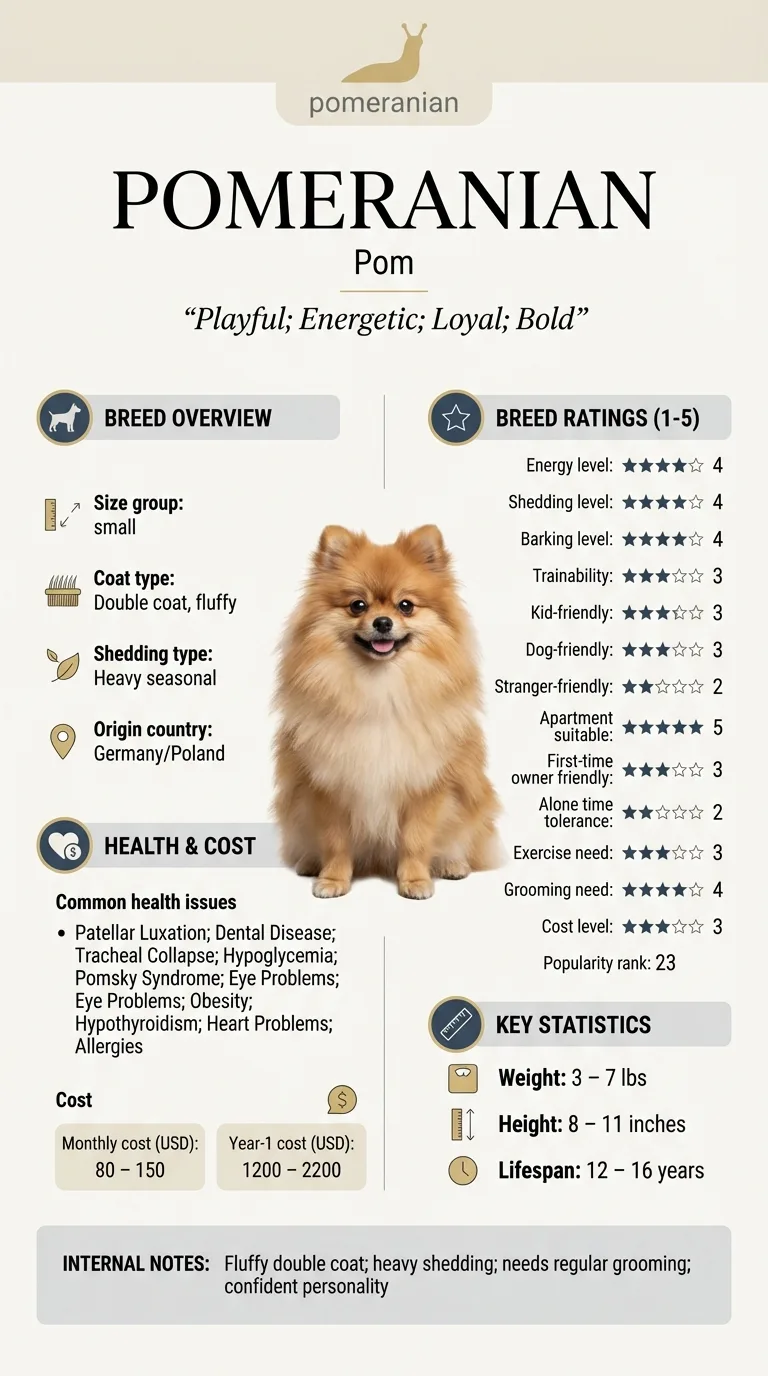
Understanding Pomeranian Dilated Cardiomyopathy (DCM) infographic

Owners of Pomeranians, especially those who are unaware of this breed's health risks, may find themselves facing the challenge of managing DCM. This issue often affects those who are first-time dog owners, as they may not have the experience to identify heart-related symptoms.

Important reminder

This guide is not medical advice. If your dog shows pain, sudden behavior change, or worsening symptoms, consult a licensed veterinarian.

Some links may be affiliate links. We may earn a commission at no extra cost to you. We only suggest products we believe are helpful for dog owners.

What this problem looks like

Pomeranian dilated cardiomyopathy (DCM) is a serious heart condition that affects the breed, leading to an enlarged heart and reduced ability to pump blood. Daily life with a Pomeranian suffering from DCM may involve noticeable lethargy, difficulty breathing, and a decline in exercise tolerance. As the condition progresses, you might also see persistent coughing or fainting spells, which can be alarming for any pet owner.

Common triggers

  • Genetic predisposition to heart issues
  • Overexertion during playtime
  • Obesity, which can strain the heart
  • Stressful situations or changes in routine

Dilated cardiomyopathy is unfortunately common in Pomeranians, particularly as they age. While not every Pom will develop this condition, it's a significant health concern, especially in older dogs. Regular vet check-ups are crucial for early detection.

Why this happens

Breed factors

Pomeranians are prone to certain genetic conditions, including dilated cardiomyopathy (DCM). This heart condition can lead to a weakened heart muscle, making it difficult for the heart to pump blood effectively. The risk increases with age, especially in breeds with smaller body sizes like the Pomeranian.

Environment factors

Environmental factors also play a role in the development of DCM. Stressful living conditions, poor diet, and lack of exercise can exacerbate heart issues. Additionally, exposure to secondhand smoke or other pollutants may contribute to heart problems in Pomeranians.

What you can try

At-home strategies

  • Monitor your Pomeranian's weight and ensure they maintain a healthy diet. Focus on high-quality dog food and avoid overfeeding.
  • Incorporate regular exercise into their routine, aiming for at least 30 minutes of moderate activity each day. This helps strengthen their heart and overall health.
  • Keep stress levels low by providing a calm environment. Use positive reinforcement during training to build confidence and reduce anxiety.

When to consider a trainer

If you notice signs of anxiety or fearfulness, consider hiring a professional trainer. A trainer can teach you techniques to alleviate stress and improve your dog's behavior, which may help with overall heart health.

When to talk to your vet

If your Pomeranian shows symptoms like coughing, fatigue, or difficulty breathing, it's crucial to talk to your vet promptly. They can provide a proper diagnosis and recommend treatments for dilated cardiomyopathy (DCM). Regular vet check-ups are also important to monitor heart health.

Realistic expectations

Managing Pomeranian dilated cardiomyopathy (DCM) can take several months of consistent care and veterinary support. You may start to see improvements in your dog's condition within 3 to 6 months, especially with proper medication and lifestyle changes.

Success means your Pomeranian is stable and shows fewer symptoms, leading to a better quality of life. Regular vet check-ups will confirm heart health and help adjust treatment as needed.

Mistakes that make this worse

Managing Pomeranian dilated cardiomyopathy (DCM) requires careful attention. Here are some common owner mistakes that can exacerbate the condition, along with safer alternatives.

  • Ignoring Symptoms: Failing to notice signs like coughing or lethargy can delay treatment. Instead, be vigilant and consult your vet if you notice changes in your Pom's behavior.
  • Overfeeding: Excess weight can strain your Pomeranian's heart. Opt for controlled portions and consult your vet about a suitable diet to maintain a healthy weight.
  • Lack of Exercise: While your Pom needs exercise, strenuous activities can be harmful. Focus on gentle walks and playtime, ensuring you don’t overexert your dog.
  • Neglecting Regular Check-ups: Skipping vet visits can lead to missed diagnoses. Schedule regular check-ups to monitor your Pomeranian's heart health and adjust care as necessary.
  • Stressful Environments: High-stress situations can worsen DCM symptoms. Create a calm home atmosphere and avoid loud noises or chaotic gatherings.
  • Self-medicating: Some owners may use over-the-counter supplements without vet advice. Always consult your vet before introducing any new medications or treatments.
  • Ignoring Breed-Specific Care: Each breed has unique health needs. Stay informed about Pomeranian-specific health issues and follow guidelines for their care.

When Pomeranian Dilated Cardiomyopathy (DCM) is an Emergency

Pomeranian dilated cardiomyopathy (DCM) can be serious, and knowing when to act is crucial. If your Pom shows signs of distress, don’t wait. Here are red-flag symptoms that mean you should call your vet immediately:

- Difficulty breathing or rapid breathing. - Severe lethargy or weakness. - Persistent coughing or gagging. - Swollen abdomen or noticeable weight loss.

These symptoms could indicate that your dog's heart is struggling significantly, requiring urgent care.

On the other hand, if your Pomeranian has mild symptoms, you may monitor them at home. This includes occasional coughing without distress, slight lethargy, or reduced appetite. You should still plan to consult your vet to outline a care strategy. Keep an eye on your pup and watch for any worsening symptoms. Regular check-ups are essential for managing DCM effectively. Always prioritize your dog's well-being and err on the side of caution when it comes to their health.

Understanding Pomeranian Dilated Cardiomyopathy (DCM) - When Pomeranian Dilated Cardiomyopathy (DCM) is an Emergency

Emma and Her Pomeranian, Buddy

Emma, a busy nurse in a small apartment, noticed her Pomeranian, Buddy, was more tired than usual and had a cough. After a vet visit, she learned that Buddy had dilated cardiomyopathy (DCM). Initially overwhelmed, Emma worked closely with her vet to create a care plan that included medication, a special diet, and regular exercise. Over time, Buddy's energy returned, and Emma learned how to manage his condition better. They even took short walks around the neighborhood, which Buddy loved.

Key takeaway: With the right support and a solid care plan, you can help your Pomeranian with DCM live a happier, healthier life.

Frequently asked questions

What is Pomeranian dilated cardiomyopathy (DCM)?

Pomeranian dilated cardiomyopathy (DCM) is a heart condition where the heart becomes enlarged and weakened. This can lead to reduced blood flow and potentially sudden cardiac death if not managed properly.

Why does my Pomeranian have dilated cardiomyopathy (DCM)?

The exact cause of DCM in Pomeranians isn't fully understood, but genetics plays a significant role. Other factors like diet and overall health may also contribute to the risk of developing this condition.

How can I help my Pomeranian with DCM?

It's essential to consult a veterinarian for a proper diagnosis and treatment plan. Common strategies include medication to help the heart function better and dietary adjustments to support overall health.

What are the signs of DCM in Pomeranians?

Signs of DCM can include coughing, difficulty breathing, lethargy, and fainting spells. If you notice any of these symptoms, seek veterinary care immediately.

Can I train my Pomeranian with DCM?

Yes, you can still train your Pomeranian with DCM, but it's crucial to keep sessions short and low-impact. Focus on basic commands and positive reinforcement to keep your dog engaged without overexerting them.

What lifestyle changes can help manage DCM in my Pomeranian?

Lifestyle changes may include a low-sodium diet and regular, moderate exercise tailored to your dog's energy level. Keeping stress levels low can also help manage their condition.

Is there a cure for Pomeranian dilated cardiomyopathy (DCM)?

Currently, there is no cure for DCM, but it can be managed with proper veterinary care. Regular check-ups and following your vet's recommendations can help extend your dog's life.

What are the early signs of Pomeranian dilated cardiomyopathy (DCM)?

Early signs of Pomeranian dilated cardiomyopathy (DCM) can include lethargy, coughing, or difficulty breathing. You may also notice your Pom tiring easily during walks or play. Observing these symptoms promptly is crucial for early intervention.

Can Pomeranian dilated cardiomyopathy (DCM) be inherited?

Yes, Pomeranian dilated cardiomyopathy (DCM) can have a genetic component. If a Pomeranian's parents had heart issues, the risk of DCM may increase. It's wise to consult a vet if you have concerns about your dog's family history.

How can diet impact Pomeranian dilated cardiomyopathy (DCM)?

Diet can play a significant role in managing Pomeranian dilated cardiomyopathy (DCM). A balanced diet with appropriate nutrients can support heart health. Always discuss dietary changes with your vet to ensure they are suitable for your Pom.

When should I take my Pomeranian to the vet for DCM concerns?

If you notice signs like persistent coughing, rapid breathing, or a decrease in activity level, it's essential to take your Pomeranian to the vet. Early diagnosis can significantly improve management options for dilated cardiomyopathy (DCM).

Is there a specific age when Pomeranians are more likely to develop DCM?

Pomeranians can develop dilated cardiomyopathy (DCM) at various ages, but it's more commonly seen in middle-aged to older dogs. Regular check-ups are vital to catch any heart issues early, especially as your Pom ages.

Quick answers

View more answers
Health

What should I do if my Pomeranian shows signs of DCM?

If your Pomeranian shows any signs of DCM, take them to the vet as soon as possible for evaluation and treatment.

Health

Are there dietary changes recommended for Pomeranians with DCM?

Yes, a low-sodium diet is often recommended for Pomeranians with DCM to help reduce strain on the heart.

Living

How can I support my Pomeranian emotionally if they have DCM?

Provide a calm and loving environment, engage in gentle play, and maintain a consistent routine to support your Pomeranian emotionally.

Training

Is exercise important for Pomeranians with DCM?

Moderate exercise is important, but it should be tailored to your dog's energy levels and health condition. Consult your vet for specific recommendations.

Health

Can Pomeranian dilated cardiomyopathy (DCM) be hereditary?

Yes, DCM can have a genetic component, making it important to be aware of your dog's lineage and monitor for signs of the condition.

Related DogBreedCompass guides

Related guides