Behavior
What are some quick tips for managing Pomeranian diabetes?
Manage Pomeranian diabetes by providing a consistent feeding schedule, monitoring their weight, and ensuring regular vet check-ups. Keep treats healthy and limit sugary foods.

Quick answer
What are some quick tips for managing Pomeranian diabetes?
Manage Pomeranian diabetes by providing a consistent feeding schedule, monitoring their weight, and ensuring regular vet check-ups. Keep treats healthy and limit sugary foods.
Pomeranian diabetes is a serious health issue that can affect your furry friend’s quality of life. Understanding this condition is crucial for their well-being.
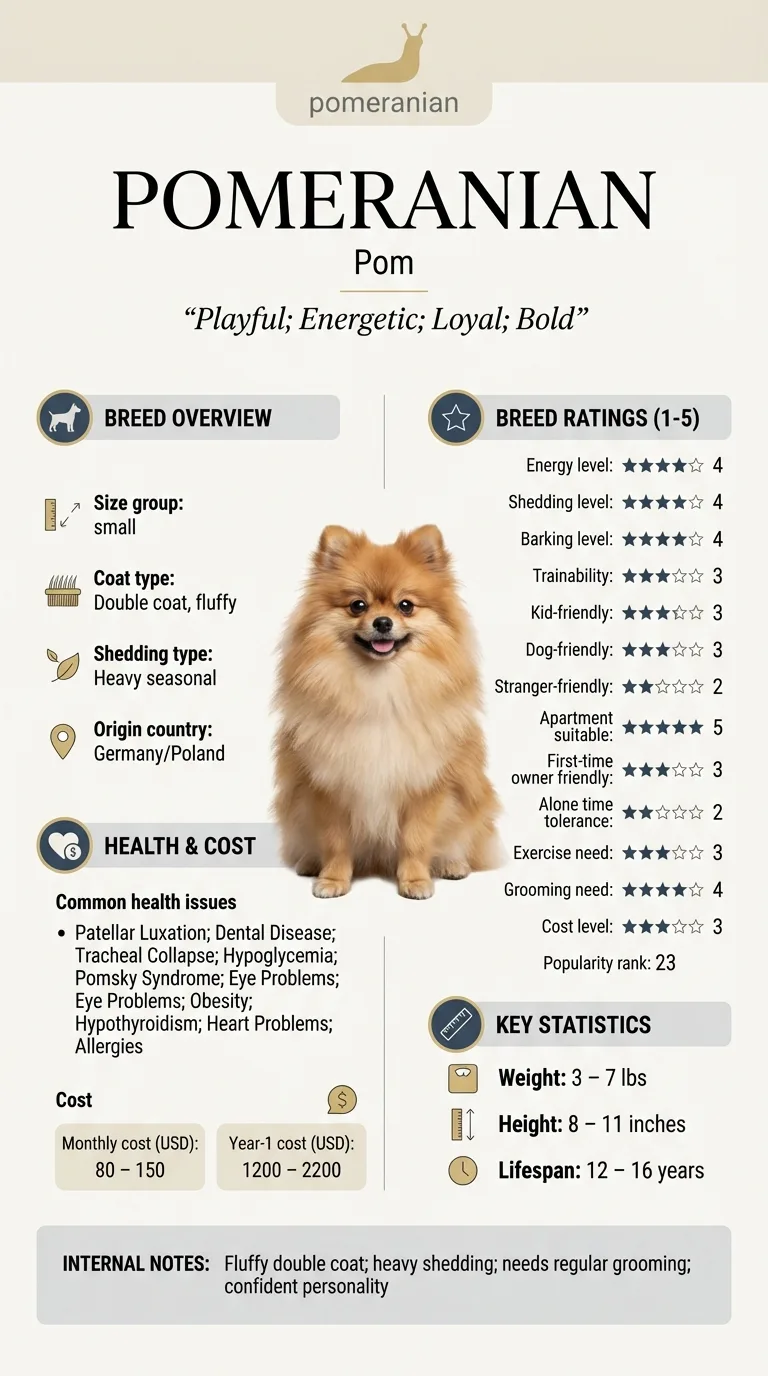
Typically, owners of senior Pomeranians or those with a family history of diabetes may find themselves facing this challenge. They often feel overwhelmed by the dietary and care changes needed to manage their dog’s health.
This guide is not medical advice. If your dog shows pain, sudden behavior change, or worsening symptoms, consult a licensed veterinarian.
Some links may be affiliate links. We may earn a commission at no extra cost to you. We only suggest products we believe are helpful for dog owners.
We research and check what we publish, but we do not warrant that any figure, date, price, or statement is accurate, complete, or current, and we accept no liability for any loss, cost, injury, or other harm arising from the use of this site. Use it as one reference among several. You remain responsible for your own decisions and for your dog's care - confirm anything that matters with a licensed veterinarian or another qualified professional before you act on it. Full disclaimer.
Check this first
Recognizing when Pomeranian diabetes becomes an emergency is crucial for your dog's health. If your Pom shows signs of severe lethargy, excessive thirst, or frequent urination, it's time to act quickly. These symptoms may indicate a serious spike in blood sugar levels or other complications related to diabetes.
You should call your vet immediately if you notice any of the following red flags: - Sudden weight loss despite increased appetite - Vomiting or diarrhea - Unresponsiveness or confusion - Rapid breathing or panting - Weakness or difficulty walking
These signs can indicate a diabetic crisis, which requires urgent medical attention. In contrast, if your dog is drinking more water and urinating more frequently without any other alarming symptoms, you can monitor their condition. Keep track of their behavior and set up a plan with your vet to adjust their diet or medication.
You can also watch for mild symptoms such as increased appetite or minor lethargy after a busy day. These may not require immediate intervention but should still be discussed with your vet. Regular check-ups and close observation of your Pom will help manage diabetes effectively while keeping an eye out for any concerning changes.
If any of these apply, call your vet or an emergency clinic now. The rest of this page is for the cases that are not an emergency.
Pomeranian diabetes is a serious condition that can affect your small, fluffy friend as they age. This endocrine disorder often manifests as increased thirst, frequent urination, and weight loss despite a good appetite. Owners may notice their Pomeranian becoming lethargic or having a dull coat, which can be concerning.
Diabetes is relatively common among Pomeranians, especially in their senior years. It's estimated that around 1 in 100 dogs may develop this condition, with Pomeranians being at a higher risk compared to some other breeds. Early detection and management are crucial to maintaining your dog's health.
Pomeranians are prone to certain health issues, including obesity, which can lead to diabetes. Their small size and metabolism may also contribute to this condition. Additionally, their genetic makeup can predispose them to endocrine disorders as they age.
Pomeranians may develop diabetes due to an improper diet or lack of exercise. Feeding them high-calorie foods without proper portion control can lead to weight gain. Moreover, if they don't get enough physical activity, they can become overweight, increasing the risk of diabetes.
Talk to your vet if you notice symptoms like increased thirst, frequent urination, or unexplained weight loss. These could indicate diabetes or other health issues that require immediate attention.
Avoid these common mistakes that can worsen Pomeranian diabetes and delay effective management.
Start here: Pomeranian Most Common Genetic Disorders: What to Screen For
See all Pomeranian health problems, which breeds are prone to diabetes, or the full Pomeranian breed guide for temperament, exercise needs and ownership costs.
Managing Pomeranian diabetes typically takes several weeks to see significant improvement. Regular vet visits and consistent care are essential.
Success means stabilizing your Pom's blood sugar levels, maintaining a healthy weight, and keeping them active and happy.
When Sarah adopted Max, her cheerful Pomeranian, she never expected to face health issues. After a few months, Max started drinking excessively and losing weight. A vet diagnosed him with diabetes. Determined to help him, Sarah learned how to manage his diet and insulin injections. She also created a routine of regular exercise and vet check-ups. With time, Max regained his energy and joy, and Sarah felt empowered knowing she was taking charge of his health.
Key takeaway: Caring for a Pomeranian with diabetes requires commitment and education, but with the right approach, you can ensure they live a happy, healthy life.
Pomeranian diabetes can be caused by several factors, including obesity, genetic predisposition, and a lack of insulin production. Senior Pomeranians are particularly at risk due to age-related health changes. Regular vet check-ups can help catch diabetes early.
To manage or prevent Pomeranian diabetes, focus on a balanced diet and regular exercise. Consult your vet for dietary recommendations and consider weight management programs if your Pom is overweight. Consistent monitoring of blood sugar levels is also crucial.
Symptoms of Pomeranian diabetes include excessive thirst, frequent urination, and weight loss despite a good appetite. If you notice these signs, reach out to your vet for a proper diagnosis and treatment plan.
Yes, Pomeranian diabetes can be managed with insulin therapy and dietary changes. Regular vet visits will help adjust treatment as needed. Early intervention is key to maintaining your Pom's quality of life.
A high-fiber, low-fat diet is often recommended for Pomeranians with diabetes. Consult your vet for specific food suggestions that can help regulate blood sugar levels and manage weight effectively.
While some cases of Pomeranian diabetes may require insulin therapy, management can also include dietary changes and regular exercise. Always work with your vet to create a tailored plan that suits your dog's needs.
Yes, older Pomeranians are at a higher risk of developing diabetes due to age-related metabolic changes. Regular check-ups can help catch any issues early, so be proactive about their health.
A balanced diet is crucial for managing Pomeranian diabetes. Foods high in fiber and low in simple sugars can help regulate blood sugar levels. Always consult your vet for specific dietary recommendations.
Absolutely, obesity is a significant risk factor for diabetes in Pomeranians. Keeping your Pom at a healthy weight through proper diet and exercise can help prevent the onset of diabetes and other health issues.
Manage Pomeranian diabetes by providing a consistent feeding schedule, monitoring their weight, and ensuring regular vet check-ups. Keep treats healthy and limit sugary foods.
Treating Pomeranian diabetes can range from $80 to $150 monthly, depending on medication and dietary needs. Be prepared for additional vet visits as well.
If your Pomeranian shows signs of diabetes, schedule a vet appointment immediately. Early diagnosis can lead to better management and care.
While training doesn't directly affect diabetes, it can help with behavior management and routine. A structured environment is beneficial for your Pomeranian's overall health.
A one-page prep sheet for this condition: the signs, the questions to ask, what to get priced. Unlocks here.
You get: Vet visit prep sheet
No spam. One-click unsubscribe. See our privacy policy.
Preview page 1 before you decide.