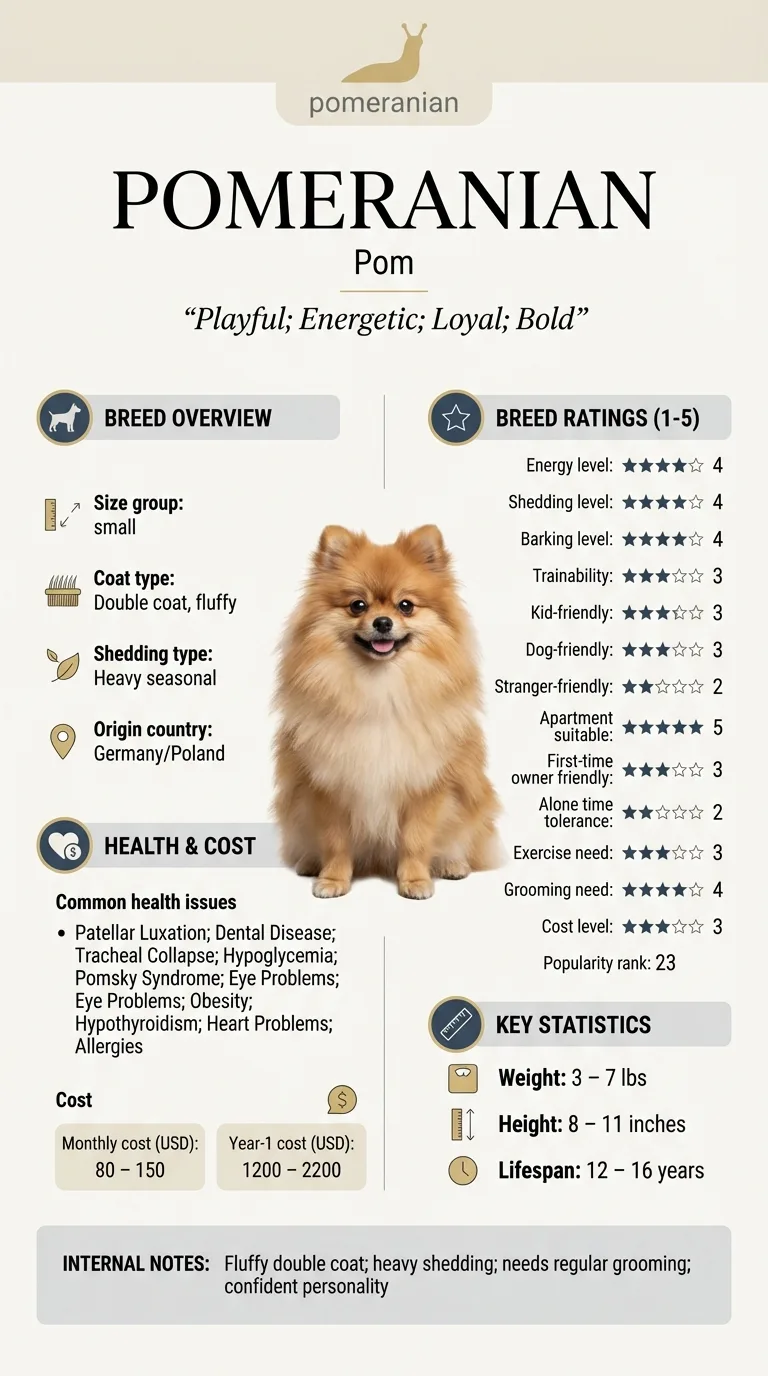
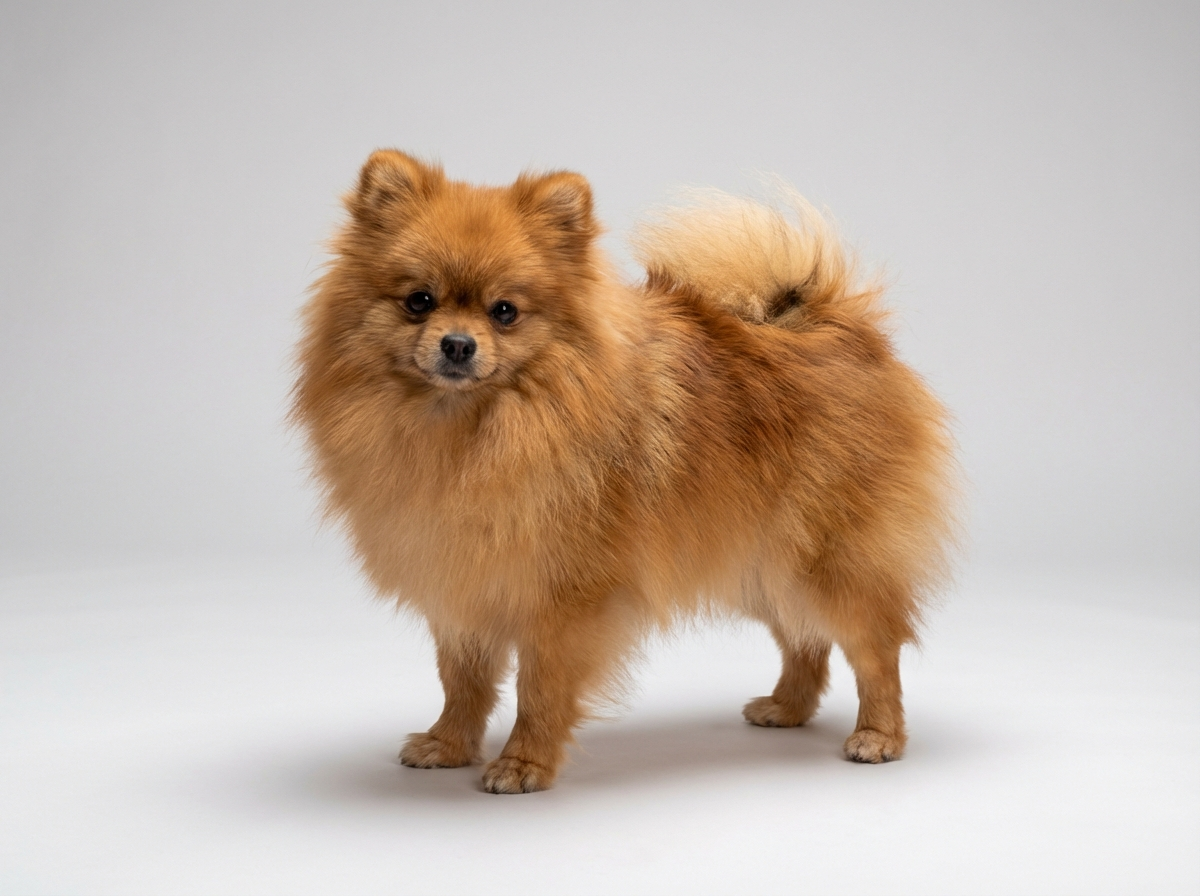
What are some quick tips for Pomeranian dental issues?
Brush your Pomeranian's teeth regularly, use dental chews, and provide fresh water daily. Regular vet check-ups can also help catch issues early.
Pomeranian dental issues can lead to serious health problems if not addressed early.

First-time dog owners, busy families, or anyone unaware of proper dental care often struggle with these issues. Without regular dental check-ups and at-home care, their Pomeranians may suffer from gum disease and tooth decay.
This guide is not medical advice. If your dog shows pain, sudden behavior change, or worsening symptoms, consult a licensed veterinarian.
Some links may be affiliate links. We may earn a commission at no extra cost to you. We only suggest products we believe are helpful for dog owners.
Pomeranian dental issues can significantly impact your dog's health and happiness. These small dogs are prone to dental disease due to their compact mouths, which can lead to plaque buildup and gum disease. Daily care is crucial, as neglect can result in painful infections and tooth loss.
Dental issues are quite common among Pomeranians, with many dogs showing signs by the age of two. Regular checks and proactive care can help reduce the risk.
Pomeranians are prone to dental issues due to their small mouths, which can crowd their teeth. This crowding often leads to misalignment and a higher risk of plaque buildup. Additionally, their tendency to chew on hard objects can cause tooth fractures.
Environmental factors like diet and lack of dental care also contribute to Pomeranian dental issues. Feeding them soft foods may not provide the necessary abrasion to clean their teeth. Moreover, infrequent dental cleanings can exacerbate problems, allowing plaque to turn into tartar.
If your Pomeranian resists dental care or becomes anxious during brushing, consider enlisting a professional trainer. They can provide tips on desensitizing your dog to dental routines and making the process more manageable.
If you notice persistent bad breath, swollen gums, or difficulty eating, it’s time to consult your vet. They can assess your Pomeranian's dental health and recommend treatments, including professional cleanings or dental procedures.
You can expect to see improvements in your Pomeranian's dental health within 3 to 6 months of consistent care.
Success means your Pomeranian will have healthier teeth and gums, reduced bad breath, and fewer visits to the vet for dental cleanings.
Avoid these common mistakes that can worsen Pomeranian dental issues. Making small changes can lead to better dental health for your furry friend.
Dental issues in your Pomeranian can be serious, and knowing when to seek help is crucial. Look for signs that indicate an emergency situation, as these often require immediate veterinary attention. If your Pom shows severe symptoms like excessive bleeding, difficulty eating, or extreme swelling in the mouth, it’s time to call your vet right away. Other red flags include persistent vomiting, loss of appetite, or signs of pain such as whining or hiding.
On the other hand, mild dental problems can often be monitored at home. If your Pomeranian occasionally has bad breath, slight gum redness, or tartar buildup, these may not be emergencies. You can manage these issues with regular dental care, including brushing and dental chews. However, make a plan to address these signs with your vet during your next check-up to prevent them from worsening.
In summary, recognize the serious signs and be proactive about monitoring your dog's dental health. Catching problems early can save your pet from pain and costly treatments later on.

Sarah, a busy nurse in Seattle, noticed her Pomeranian, Bella, had bad breath and seemed to avoid chewing her toys. After a vet visit, she learned that Bella had dental issues common in Pomeranians. Determined to help, Sarah started brushing Bella's teeth regularly and introduced dental chews into her diet. After a few months of consistent care, Bella's breath improved, and her vet noted healthier gums during her check-up. Sarah felt relieved and proud, learning that routine dental care is essential for her furry friend.
Key takeaway: Regular dental care is vital for Pomeranians, and small changes can lead to significant improvements in their oral health.
Pomeranians are prone to dental issues due to their small mouths, which can lead to overcrowding of teeth. This can cause plaque buildup and gum disease if not addressed. Regular dental care and monitoring are essential to keep their teeth healthy.
To prevent dental problems, establish a regular dental care routine. Brush your Pomeranian's teeth several times a week, provide dental chews, and schedule professional cleanings with your vet. Keeping up with these practices can significantly reduce the risk of dental problems.
Signs of dental issues include bad breath, difficulty eating, swollen gums, and loose teeth. If you notice any of these symptoms, it’s essential to take your Pomeranian to the vet for an evaluation. Early detection can prevent more serious health issues.
Yes, dental problems can lead to serious health issues in Pomeranians, including heart disease and infections. Bacteria from the mouth can enter the bloodstream and affect other organs. Regular dental care is crucial to maintain their overall health.
Absolutely! Human toothpaste can be harmful to dogs. Always use toothpaste formulated for dogs, which is safe and often comes in flavors they enjoy, like peanut butter or poultry.
Signs of dental issues in Pomeranians can include bad breath, difficulty eating, swollen gums, and excessive drooling. If you notice any of these symptoms, it's important to consult your vet for a thorough check-up.
Yes, dental issues in older Pomeranians can lead to more serious health problems, such as heart disease or kidney issues. Regular dental care is crucial to maintain their overall health as they age.
To prevent dental issues, consider regular teeth brushing, dental chews, and providing appropriate toys that promote dental health. Additionally, scheduling routine vet check-ups can help catch any problems early.
Certain dry dog foods and dental treats are designed to promote dental health by reducing plaque and tartar buildup. Look for products with the Veterinary Oral Health Council (VOHC) seal of approval for best results.
If your Pomeranian shows persistent signs of dental problems, such as bleeding gums or reluctance to eat, it's time to visit the vet. Early intervention is key to preventing more serious complications.
Brush your Pomeranian's teeth regularly, use dental chews, and provide fresh water daily. Regular vet check-ups can also help catch issues early.
Aim to brush your Pomeranian's teeth at least 2-3 times a week. Daily brushing is best for optimal dental health.
Expect to pay between $80 to $150 monthly for regular dental care and check-ups. Professional cleanings can range from $300 to $800, depending on your location.
Yes, dental chews can help reduce plaque and tartar buildup. They also keep your Pomeranian entertained while promoting oral health.
Bad breath can indicate dental issues. Start by improving their dental care routine and consult your vet if the problem persists.