Behavior
What are quick tips for managing Pomeranian corneal dystrophy?
Keep your Pomeranian's eyes clean and consult your vet for appropriate eye drops. Regular monitoring of their vision is also crucial.

Quick answer
What are quick tips for managing Pomeranian corneal dystrophy?
Keep your Pomeranian's eyes clean and consult your vet for appropriate eye drops. Regular monitoring of their vision is also crucial.
Pomeranian corneal dystrophy can lead to eye cloudiness and other vision issues. It's essential for owners to recognize the signs early.
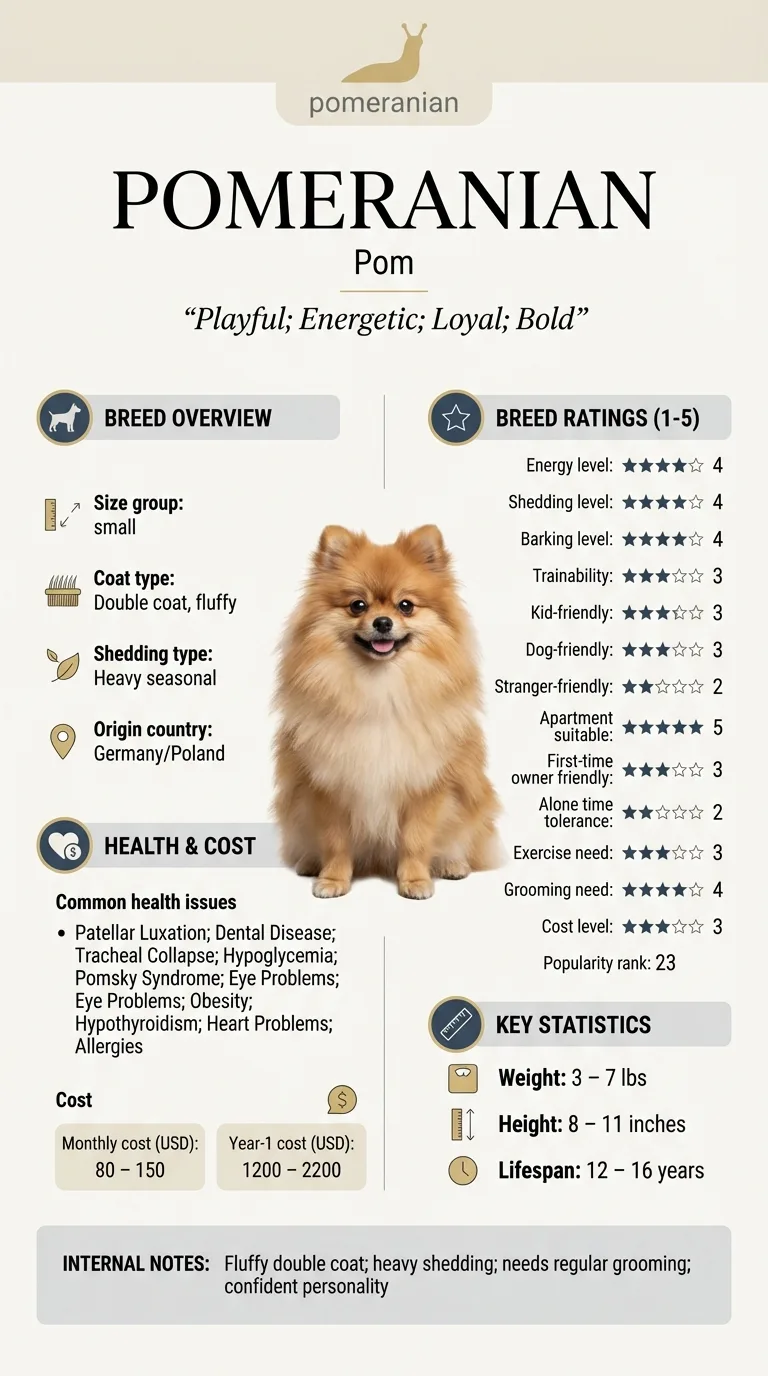
Typically, owners of Pomeranians may notice this problem as their dog ages or due to genetic factors. It's especially concerning for first-time owners who might not be familiar with eye health in dogs.
This guide is not medical advice. If your dog shows pain, sudden behavior change, or worsening symptoms, consult a licensed veterinarian.
Some links may be affiliate links. We may earn a commission at no extra cost to you. We only suggest products we believe are helpful for dog owners.
We research and check what we publish, but we do not warrant that any figure, date, price, or statement is accurate, complete, or current, and we accept no liability for any loss, cost, injury, or other harm arising from the use of this site. Use it as one reference among several. You remain responsible for your own decisions and for your dog's care - confirm anything that matters with a licensed veterinarian or another qualified professional before you act on it. Full disclaimer.
Check this first
Pomeranian corneal dystrophy can range from mild to severe, and knowing when to act is crucial. If your Pom shows any of these red-flag signs, it's time to call your vet immediately: persistent squinting, excessive tearing, redness in the eye, or signs of pain such as pawing at the eye. These symptoms could indicate complications like ulcers or infections, which require urgent attention.
On the other hand, if your Pomeranian has minor cloudiness in the eye without any discomfort or significant changes in behavior, you may choose to monitor the situation. Keep an eye on their activity level and any changes in vision or behavior. Regular check-ups with your vet can help track the condition and decide if treatment is needed. If you notice no worsening over a few weeks, it may be safe to wait, but always err on the side of caution when it comes to your dog's health.
If any of these apply, call your vet or an emergency clinic now. The rest of this page is for the cases that are not an emergency.
Pomeranian corneal dystrophy is a common eye issue where the cornea becomes cloudy. This condition can affect your Pom's vision and comfort, leading to signs like squinting or excessive tearing. Daily life may involve managing these symptoms, which can be distressing for both you and your dog.
Corneal dystrophy is relatively common in Pomeranians, especially as they age. Many owners notice symptoms in their dogs around middle age, making it important to keep an eye on any changes in their behavior or vision.
Pomeranians are prone to certain eye issues, including corneal dystrophy. This breed's genetic makeup can lead to cloudiness in the cornea, which may affect their vision. These eye problems can be hereditary, making some Pomeranians more susceptible than others.
Environmental factors such as exposure to irritants, allergens, or injury can also contribute to corneal dystrophy. If your Pomeranian spends a lot of time outdoors or in dusty areas, their eyes might be more prone to issues. Poor diet or lack of proper eye care can worsen these conditions.
If you notice any changes in your Pomeranian's vision, such as squinting or excessive tearing, it's crucial to contact a vet. They can provide a proper diagnosis and recommend appropriate treatments, which may include medication or surgery in severe cases.
Understanding common mistakes can help you manage Pomeranian corneal dystrophy more effectively. Here are some behaviors to avoid.
Start here: Pomeranian Most Common Genetic Disorders: What to Screen For
See all Pomeranian health problems, which breeds are prone to corneal dystrophy, or the full Pomeranian breed guide for temperament, exercise needs and ownership costs.
Managing Pomeranian corneal dystrophy typically takes several weeks to months of consistent care and monitoring. Regular vet visits and treatment adjustments may be necessary.
Success means your Pomeranian shows reduced symptoms and maintains a comfortable quality of life. Regular eye check-ups show stability or improvement in their condition.
When Sarah adopted her Pomeranian, Maggie, she noticed something off about Maggie's eyes. After a vet visit, she learned Maggie had corneal dystrophy, leading to cloudiness in her vision. Sarah felt overwhelmed but committed to following the vet's treatment plan, which included eye drops and regular check-ups. Over time, Maggie adjusted, and her symptoms became manageable. Sarah learned the importance of consistent care and how to spot signs of discomfort in her furry friend.
Key takeaway: With patience and proper care, managing Pomeranian corneal dystrophy can lead to a better quality of life for your dog.
This condition is often inherited and can occur in Pomeranians due to their genetic makeup. It's important to consult a vet if your dog shows signs of eye problems, as early detection can help manage the condition.
While you can't completely stop corneal dystrophy, regular veterinary check-ups can help. Your vet may recommend specific eye drops or treatments to ease discomfort and slow progression.
Treatment options vary depending on the severity of the condition. In some cases, eye drops and regular monitoring can help, but severe cases might require surgical intervention.
If your Pomeranian has corneal dystrophy, regular vet visits every 6 to 12 months are recommended. This ensures that any changes in vision or discomfort are addressed promptly.
Yes, corneal dystrophy can lead to further eye problems if not monitored. Prompt treatment and regular vet visits can help mitigate these risks.
While there is no cure for Pomeranian corneal dystrophy, treatments can help manage symptoms. Your vet may recommend lubricating eye drops or ointments to reduce discomfort and improve vision.
Watch for signs like increased squinting, excessive tearing, or sensitivity to light. If you notice these changes, it's essential to consult your veterinarian for a check-up.
Yes, older Pomeranians can be more susceptible to corneal dystrophy as the condition may develop over time. Regular vet visits are crucial for early detection and management.
Long-term effects can include chronic eye discomfort and potential vision loss. It's vital to monitor your Pomeranian's condition and follow your vet's recommendations to maintain their quality of life.
Keep your Pomeranian's eyes clean and consult your vet for appropriate eye drops. Regular monitoring of their vision is also crucial.
Create a calm environment and avoid bright lights. Gentle handling around the face can also help them adjust.
Costs can vary widely, typically ranging from $100 to $500 for check-ups and treatments. Surgery, if needed, can be significantly more expensive.
Focus on positive reinforcement and gentle commands. Avoid sudden movements that could startle them during training.
Regular vet check-ups are key, especially for breeds prone to eye issues. Early detection can prevent serious complications.
A one-page prep sheet for this condition: the signs, the questions to ask, what to get priced. Unlocks here.
You get: Vet visit prep sheet
No spam. One-click unsubscribe. See our privacy policy.
Preview page 1 before you decide.