DogBreedCompass
← Back to breed profile

Understanding Pomeranian Chondrodystrophy (CDDY)

Pomeranian chondrodystrophy (CDDY) is a developmental disorder that affects your dog's bones. It can lead to serious health issues if not managed properly.

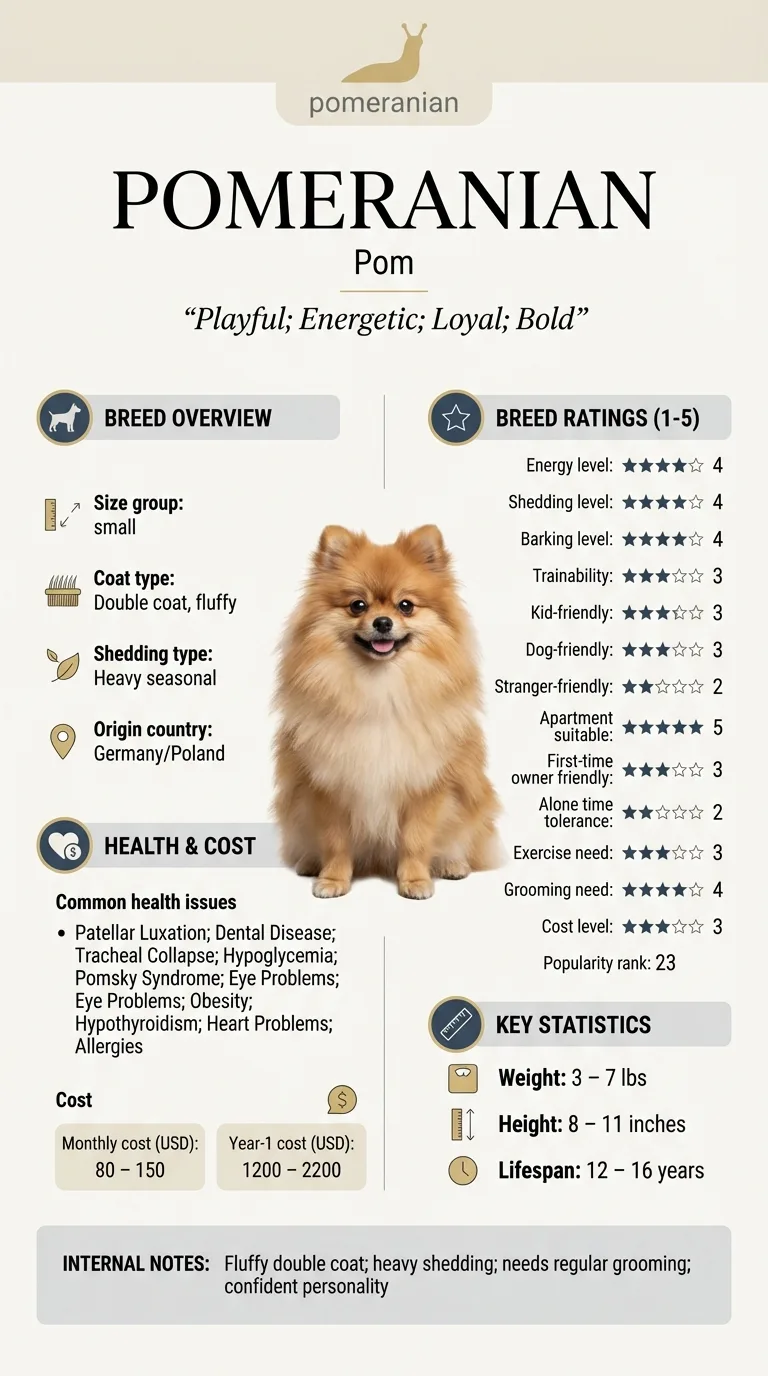
Understanding Pomeranian Chondrodystrophy (CDDY) infographic

Owners of Pomeranians often face challenges with CDDY, especially if they are first-time pet parents. Those who love their Poms but feel overwhelmed by the health implications may also struggle with this issue.

Important reminder

This guide is not medical advice. If your dog shows pain, sudden behavior change, or worsening symptoms, consult a licensed veterinarian.

Some links may be affiliate links. We may earn a commission at no extra cost to you. We only suggest products we believe are helpful for dog owners.

What this problem looks like

Pomeranian chondrodystrophy (cddy) is a genetic condition that affects the bone development in Pomeranians. This means your Pom may have shorter limbs and a stockier build, which can lead to mobility issues. Owners often notice symptoms like unusual walking patterns or difficulty jumping, especially as the dog ages.

Common triggers

  • Genetic predisposition from breeding
  • Rapid growth during puppy stages
  • Excessive weight gain

Chondrodystrophy (cddy) is relatively common among Pomeranians due to their breeding history. Many Poms can be affected, and it's crucial for owners to be aware of this issue. Regular check-ups with a vet can help in early detection and management.

Why this happens

Breed factors

Pomeranian chondrodystrophy (cddy) is often linked to genetic factors within the breed. This developmental disorder affects bone growth, leading to shorter limbs and potentially other skeletal issues. Since Pomeranians are a small breed, they are more susceptible to these genetic discrepancies.

Environment factors

Environmental factors can also play a role in cddy. Poor nutrition during crucial growth periods may exacerbate skeletal issues. Additionally, lack of proper exercise or overly restrictive living conditions can lead to further complications.

What you can try

At-home strategies

  • Ensure a balanced diet rich in nutrients to support bone health. Consult with your vet for specific dietary recommendations.
  • Provide regular, low-impact exercise like gentle walks to keep your Pom active without putting too much strain on their joints.
  • Implement positive reinforcement training techniques to encourage good behavior. Use treats and praise to motivate your Pomeranian.

When to consider a trainer

If your Pomeranian shows persistent behavioral issues or struggles with training, it may be time to consult a professional trainer. A trainer can provide tailored strategies to address specific problems, especially if cddy symptoms interfere with learning.

When to talk to your vet

If you notice any signs of pain, difficulty moving, or unusual behaviors, it's essential to talk to your vet. They can assess your Pomeranian's condition and suggest appropriate treatments or therapies.

Realistic expectations

With consistent training and care, you may see improvements in your Pomeranian's behavior in 4 to 8 weeks.

Success means your Pomeranian shows reduced anxiety, improved confidence, and better coping skills in everyday situations.

Mistakes that make this worse

Avoiding common pitfalls can significantly improve your Pomeranian's condition. Here are some mistakes to watch out for and better alternatives.

  • Ignoring symptoms: Many owners overlook the early signs of Pomeranian chondrodystrophy (cddy), thinking they will go away. Instead, seek veterinary advice as soon as you notice any unusual behavior or physical signs.
  • Overexerting during play: It can be tempting to let your Pom run around excessively, but this can worsen their condition. Instead, provide short, controlled play sessions and monitor their energy levels closely.
  • Neglecting weight management: Overweight Pomeranians can face more severe issues with cddy. Make sure to maintain a balanced diet and consult your vet for a weight management plan.
  • Using harsh training methods: Some owners may resort to heavy-handed training techniques, which can increase anxiety and stress. Focus on positive reinforcement methods to encourage good behavior without adding pressure.
  • Skipping regular check-ups: Regular vet visits are crucial for monitoring your Pom’s condition. Don’t wait for a health crisis; schedule routine check-ups to catch potential issues early.
  • Not adjusting living space: A cluttered or unsafe environment can lead to injuries. Keep your home dog-friendly by removing obstacles and providing a safe space for your Pomeranian to move around comfortably.
  • Being inconsistent with care: Inconsistent routines can confuse your dog and exacerbate anxiety. Establish a consistent schedule for feeding, exercise, and training to create a sense of stability.

When Pomeranian Chondrodystrophy (CDDY) is an Emergency

Pomeranian chondrodystrophy (cddy) can lead to serious complications, and knowing when to seek immediate veterinary care is crucial. If your Pom shows signs of severe pain, inability to walk, or any sudden changes in behavior, these are red flags. Other symptoms like labored breathing, excessive whining, or refusal to eat should also prompt an immediate vet visit.

Understanding Pomeranian Chondrodystrophy (CDDY) - When Pomeranian Chondrodystrophy (CDDY) is an Emergency

When to Watch and Wait

In milder cases of Pomeranian chondrodystrophy (cddy), you can take a more measured approach. If your dog is still able to move comfortably and shows only slight discomfort, you can monitor them closely. Keeping a log of their symptoms and any changes in their routine can help you decide when it’s time to consult your vet.

Understanding Pomeranian Chondrodystrophy (CDDY) - When to Watch and Wait

Maggie's Journey with Max: Tackling Chondrodystrophy

Maggie, a busy nurse in Chicago, adopted Max, her energetic Pomeranian, unaware of his chondrodystrophy (CDDY). Max struggled with anxiety, often barking excessively and hesitating to walk on stairs. After weeks of frustration, Maggie sought help from a trainer specializing in small breeds. Together, they developed a structured routine that included confidence-building exercises and gradual exposure to new environments. Over time, Max became more comfortable and less anxious, even tackling stairs with ease.

Key takeaway: With the right support and patience, owners can help their Pomeranians manage chondrodystrophy (CDDY) and improve their overall well-being.

Frequently asked questions

What is Pomeranian chondrodystrophy (cddy)?

Pomeranian chondrodystrophy (cddy) is a developmental disorder that affects bone growth in Pomeranians. It can lead to issues like short legs and an altered body shape. This condition often requires careful management to ensure your dog's well-being.

Why does my Pomeranian have chondrodystrophy (cddy)?

Chondrodystrophy (cddy) in Pomeranians is primarily genetic. It occurs due to a mutation that affects cartilage development, leading to abnormal bone growth. If your Pom shows signs, consult a vet for a proper diagnosis.

How can I manage my Pomeranian's chondrodystrophy (cddy)?

Managing Pomeranian chondrodystrophy involves regular vet check-ups and a tailored exercise plan. It's crucial to avoid high-impact activities that could strain their bones. Proper nutrition and weight management are also important.

What training techniques help Pomeranians with chondrodystrophy (cddy)?

Training Pomeranians with chondrodystrophy should focus on positive reinforcement and gentle commands. Short, engaging training sessions can help keep their spirits high. Always be mindful of their physical limitations during training.

Can Pomeranian chondrodystrophy (cddy) cause pain?

Yes, Pomeranian chondrodystrophy can lead to discomfort or pain due to abnormal bone development. If you notice signs of pain, such as limping or reluctance to move, consult your vet for guidance. They may recommend pain management options.

What are the long-term effects of Pomeranian chondrodystrophy (cddy)?

The long-term effects of Pomeranian chondrodystrophy can vary. Some dogs may live a normal, happy life with proper care, while others may face ongoing mobility challenges. Regular vet visits can help monitor their condition.

How can I support my Pomeranian with chondrodystrophy (cddy)?

To support your Pomeranian with chondrodystrophy, ensure they have a comfortable living environment and maintain a healthy weight. Gentle exercise and regular vet visits are essential. Consider using ramps or soft bedding to make life easier.

What are the signs of Pomeranian chondrodystrophy (cddy)?

Signs of Pomeranian chondrodystrophy (cddy) may include difficulty in walking, abnormal limb development, or a noticeable change in posture. If your Pom struggles with mobility or seems to be in pain, it's essential to consult a vet for a proper diagnosis and management plan.

Can Pomeranian chondrodystrophy (cddy) affect older dogs?

Yes, older Pomeranians can experience complications from chondrodystrophy (cddy) as their bones and joints may weaken over time. Regular vet check-ups can help monitor their condition and manage any related health issues that arise with age.

How can I help my Pomeranian with chondrodystrophy (cddy)?

To help your Pomeranian, maintain a healthy weight to reduce strain on their joints. Gentle, low-impact exercise and supportive bedding can also help improve comfort. Always consult your vet for tailored advice on managing their condition.

Is there a specific diet for Pomeranians with chondrodystrophy (cddy)?

While there’s no specific diet for Pomeranian chondrodystrophy (cddy), a balanced diet rich in nutrients can support overall health. Discuss with your vet about possible supplements, like glucosamine, which may help maintain joint health.

When should I take my Pomeranian to the vet for chondrodystrophy (cddy)?

You should take your Pomeranian to the vet if you notice any signs of discomfort, changes in mobility, or if their condition seems to worsen. Early intervention can significantly improve their quality of life and may prevent further complications.

Quick answers

View more answers
Health

What should I do if my Pomeranian shows signs of cddy?

If your Pomeranian shows signs of chondrodystrophy, consult a vet for a thorough evaluation and treatment options.

Living

How can I prevent cddy in my Pomeranian?

While you can't prevent chondrodystrophy due to its genetic nature, responsible breeding practices can reduce its occurrence.

Behavior

What exercise is best for Pomeranians with cddy?

Low-impact exercises like short walks or gentle play sessions are best for Pomeranians with cddy to avoid strain on their bones.

Health

Are there special diets for Pomeranians with cddy?

A well-balanced diet tailored to your Pomeranian's needs can help manage weight and support overall health, especially for those with cddy.

Living

What products help Pomeranians with chondrodystrophy (cddy)?

Consider supportive products like orthopedic beds and ramps to make it easier for your Pomeranian to move around comfortably.

Related DogBreedCompass guides

  • Pomeranian common health issuesLearn more about common health issues faced by Pomeranians, including chondrodystrophy.
  • Pomeranian chondrodystrophy (cddy) trainingFind training tips specifically tailored for Pomeranians to help with chondrodystrophy.
  • Pomeranian separation anxiety guideUnderstand how to manage anxiety in your Pomeranian, which can be related to their health issues.
  • Pomeranian behavior problemsExplore behavioral issues in Pomeranians and how they can be affected by health problems.
  • Pomeranian cost breakdownGet a detailed cost breakdown for owning a Pomeranian, including potential health-related expenses.

Related guides