Behavior
What are quick tips for Pomeranian cherry eye?
Ensure regular vet check-ups to monitor eye health. Keep your Pom's eyes clean and avoid exposure to irritants. If cherry eye appears, consult your vet quickly for the best treatment options.

Quick answer
What are quick tips for Pomeranian cherry eye?
Ensure regular vet check-ups to monitor eye health. Keep your Pom's eyes clean and avoid exposure to irritants. If cherry eye appears, consult your vet quickly for the best treatment options.
Pomeranian cherry eye is a common issue where a gland in the eyelid prolapses, causing a noticeable red bulge. It's important to address this to prevent further complications.
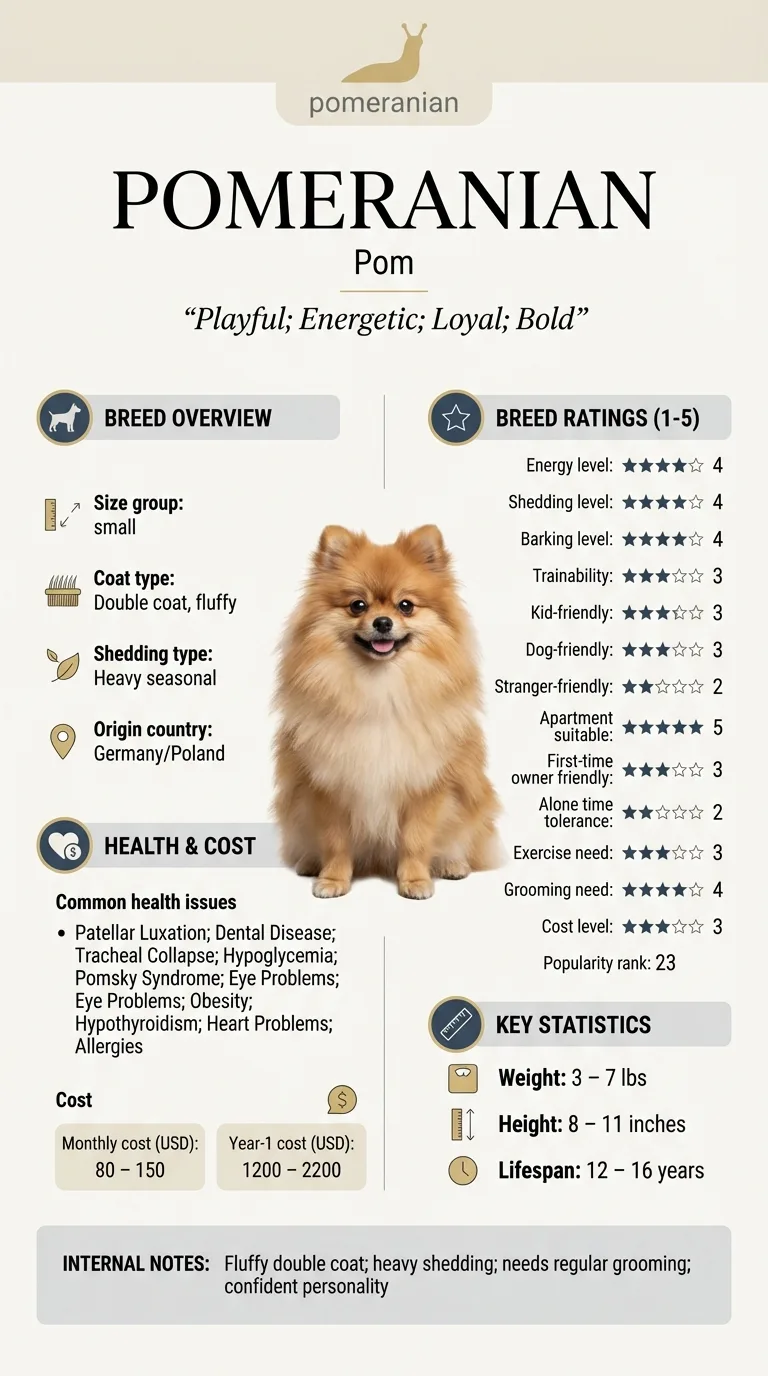
First-time Pomeranian owners or those with busy lifestyles may find it challenging to recognize and address cherry eye promptly. Also, owners of Pomeranians with a history of eye issues may face this problem more often.
This guide is not medical advice. If your dog shows pain, sudden behavior change, or worsening symptoms, consult a licensed veterinarian.
Some links may be affiliate links. We may earn a commission at no extra cost to you. We only suggest products we believe are helpful for dog owners.
We research and check what we publish, but we do not warrant that any figure, date, price, or statement is accurate, complete, or current, and we accept no liability for any loss, cost, injury, or other harm arising from the use of this site. Use it as one reference among several. You remain responsible for your own decisions and for your dog's care - confirm anything that matters with a licensed veterinarian or another qualified professional before you act on it. Full disclaimer.
Check this first
Pomeranian cherry eye can be concerning, and knowing when to act is crucial. If you notice any of the following red-flag signs, it’s important to call your vet immediately. These include significant swelling around the eye, excessive tearing, redness, or signs of pain like squinting or pawing at the eye. If your Pomeranian is showing these symptoms, don’t wait—get professional help right away.
On the other hand, if the cherry eye is mild and your Pom is otherwise healthy, you might not need to rush to the vet. If the gland is slightly protruded but there are no other alarming symptoms, keep an eye on it. Monitor your dog for changes like increased irritation or discomfort. You can also discuss observation options with your vet during a routine check-up. This way, you’ll have a solid plan in place without unnecessary stress.
If any of these apply, call your vet or an emergency clinic now. The rest of this page is for the cases that are not an emergency.
Pomeranian cherry eye is a condition where a tear gland in the eyelid prolapses or slips out of its normal position. This can cause a noticeable red or pink bulge in the corner of the eye. It's often accompanied by irritation, which may lead to excessive blinking or pawing at the eye, making it distressing for both the dog and the owner.
Cherry eye is relatively common in Pomeranians and can occur in about 1 in 10 dogs of this breed. Early detection and treatment are essential to prevent complications.
Pomeranians are prone to cherry eye due to their genetic makeup. This small breed has a unique eye structure that can lead to the prolapse of the eyelid gland. Their fluffy double coat and general body structure may also contribute to this issue.
Environmental factors can exacerbate cherry eye in Pomeranians. Stress, such as changes in routine or new living situations, can trigger this condition. Additionally, allergies or irritants in their environment may increase the risk of eye problems.
If your Pomeranian develops cherry eye, it’s essential to talk to your vet. They can assess the situation and recommend treatment options, including potential surgery if needed. Don’t delay seeking help if your dog shows discomfort or if the condition worsens.
When dealing with Pomeranian cherry eye, it's easy to inadvertently make the situation worse. Here are some common mistakes to avoid, along with safer alternatives.
Start here: Pomeranian Most Common Genetic Disorders: What to Screen For
See all Pomeranian health problems, which breeds are prone to cherry eye, or the full Pomeranian breed guide for temperament, exercise needs and ownership costs.
You can expect to see improvements within a few weeks of consistent care and follow-up with your vet. However, complete resolution may take a few months, especially if surgery is required.
Success means your Pomeranian has reduced symptoms of cherry eye, such as less redness and irritation. Ideally, the eye should look healthy, and your dog should not show signs of discomfort.
Emily, a first-time dog owner, noticed her Pomeranian, Bella, had a bulging gland in her eye. Concerned and a bit overwhelmed, she researched how to stop Pomeranian cherry eye. After consulting her vet, Emily learned that Bella might need surgery but decided to try some home remedies and regular eye cleaning first. With patience and care, Bella's condition improved, and Emily felt relieved knowing she could manage it without immediate surgery. However, she kept in touch with her vet for future check-ups.
Key takeaway: Don't hesitate to seek professional advice when dealing with health issues like cherry eye. Early intervention and consistent care can make a significant difference.
Pomeranian cherry eye occurs when the tear gland in the eyelid prolapses or bulges out. This can happen due to genetic factors or due to stress on the eye. It's important to get a vet's opinion to confirm the diagnosis and discuss treatment options.
To address Pomeranian cherry eye, you should consult your veterinarian for proper diagnosis and treatment. They may recommend surgery to reposition the gland if it doesn't resolve on its own. Regular eye care can also help prevent further issues.
While cherry eye itself is not usually painful, it can lead to more serious eye problems if untreated. The exposed gland can become dry and irritated. It's best to address it promptly to avoid complications.
Treatment for cherry eye in Pomeranians typically involves surgery to secure the prolapsed gland back in place. In some cases, your vet may suggest topical treatments to alleviate irritation. Always follow your vet's recommendations for the best outcome.
Yes, cherry eye can potentially recur even after surgical treatment. Keeping an eye on your Pomeranian's eye health and consulting your vet at the first sign of issues can help manage this condition effectively.
Cherry eye occurs when the gland in the third eyelid prolapses or bulges out. This can happen due to genetics, weak connective tissues, or even due to stress. If your Pomeranian is prone to this issue, it's important to monitor their eye health regularly.
In some cases, cherry eye may temporarily resolve without treatment, but it often reoccurs. Leaving it untreated can lead to further complications, such as irritation or infection. It's best to consult your veterinarian for advice on the appropriate course of action.
While you can't always prevent cherry eye, keeping your Pomeranian at a healthy weight and minimizing stress can help. Regular vet check-ups will also ensure any potential issues are caught early. Training your Pomeranian to feel secure can also play a role in their overall eye health.
Surgery to correct cherry eye is generally safe and effective. However, as with any procedure, there are risks involved. It's essential to discuss these with your vet and follow their post-operative care instructions closely.
If you notice bulging tissue in your Pomeranian's eye or if they show signs of discomfort, such as squinting or excessive tearing, it's time to see the vet. Early intervention can prevent further complications. Don't hesitate to seek professional help.
Ensure regular vet check-ups to monitor eye health. Keep your Pom's eyes clean and avoid exposure to irritants. If cherry eye appears, consult your vet quickly for the best treatment options.
Preventing cherry eye involves maintaining good eye hygiene and avoiding stressors. Regular grooming and check-ups can help catch issues early.
If your Pomeranian shows signs of cherry eye, contact your vet immediately. Early intervention is key to managing the condition effectively.
A one-page prep sheet for this condition: the signs, the questions to ask, what to get priced. Unlocks here.
You get: Vet visit prep sheet
No spam. One-click unsubscribe. See our privacy policy.
Preview page 1 before you decide.