Health
What are Pomeranian cancer quick tips?
Keep your Pomeranian at a healthy weight and schedule regular vet visits for early detection.

Quick answer
What are Pomeranian cancer quick tips?
Keep your Pomeranian at a healthy weight and schedule regular vet visits for early detection.
Pomeranian cancer is a serious concern for owners of this beloved breed. Understanding its signs and implications can help you take action.
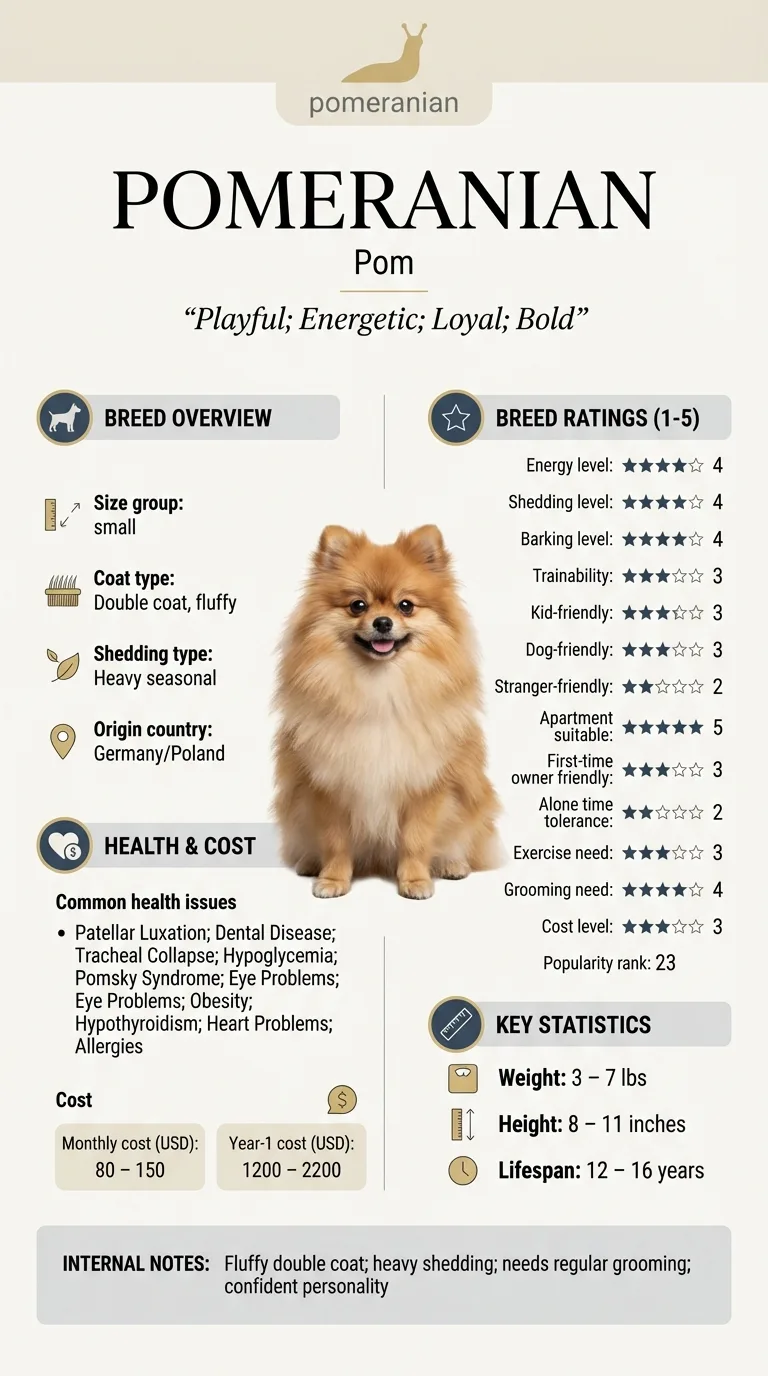
Many Pomeranian owners, especially those with older dogs, worry about cancer symptoms and how to address them. First-time dog owners may feel particularly lost when navigating this complex issue.
This guide is not medical advice. If your dog shows pain, sudden behavior change, or worsening symptoms, consult a licensed veterinarian.
Some links may be affiliate links. We may earn a commission at no extra cost to you. We only suggest products we believe are helpful for dog owners.
We research and check what we publish, but we do not warrant that any figure, date, price, or statement is accurate, complete, or current, and we accept no liability for any loss, cost, injury, or other harm arising from the use of this site. Use it as one reference among several. You remain responsible for your own decisions and for your dog's care - confirm anything that matters with a licensed veterinarian or another qualified professional before you act on it. Full disclaimer.
Check this first
Recognizing when Pomeranian cancer becomes an emergency is crucial. If you notice any of the following red-flag signs, contact your vet immediately. These symptoms can indicate a serious condition that requires urgent care.
Signs to watch for include sudden weight loss, persistent vomiting, or difficulty breathing. Additionally, if your Pomeranian shows signs of severe lethargy or pain, it’s time to seek help. Changes in appetite or unusual bleeding should also prompt immediate veterinary attention.
On the other hand, some situations are less urgent and can be monitored. For example, if your Pom has a lump that isn't growing rapidly and isn't causing discomfort, you can keep an eye on it. Regular vet check-ups are important to assess these types of issues over time. It’s also wise to note any changes in your dog's behavior or energy levels. Keeping a log can help your vet with diagnosis and treatment plans.
If any of these apply, call your vet or an emergency clinic now. The rest of this page is for the cases that are not an emergency.
Pomeranian cancer is a serious concern for many owners. This breed is prone to various health issues, including cancer, which can manifest in different ways. Symptoms may include unusual lumps, weight loss, or changes in appetite, causing anxiety for both the dog and its owner.
Cancer is relatively common among Pomeranians, especially as they age. Many Pomeranians live long lives, but the risk of cancer increases after the age of 10, making regular vet check-ups essential.
Pomeranians may have a genetic predisposition to certain types of cancer, including skin tumors and lymphoma. Their small size can also mean that tumors develop more rapidly. Additionally, issues like dental disease and obesity can contribute to overall health problems, increasing cancer risks.
Environmental factors such as exposure to toxins, poor diet, and lack of exercise can all play a role in the development of cancer in Pomeranians. Stress and inadequate veterinary care can also negatively impact their immune systems, making them more susceptible to diseases.
If you notice any signs of illness, such as weight loss, lethargy, or unusual growths, contact your vet immediately. Regular check-ups and screenings can help catch potential issues early, especially given the higher cancer rates in Pomeranians.
Avoiding certain common mistakes can help manage Pomeranian cancer more effectively. Here are some behaviors to steer clear of.
Start here: Pomeranian Most Common Genetic Disorders: What to Screen For
See all Pomeranian health problems, which breeds are prone to cancer, or the full Pomeranian breed guide for temperament, exercise needs and ownership costs.
Managing Pomeranian cancer can take several months to years, depending on the type and stage. Regular vet check-ups will be essential throughout this time.
Success looks like maintaining a good quality of life for your Pomeranian, with effective pain management and regular monitoring of their health. Changes in behavior or appetite can indicate progress or need for adjustments.
Samantha, a devoted dog mom in a small apartment, noticed her Pomeranian Bella losing weight and lacking energy. After a vet visit, they discovered Bella had cancer. While the news was devastating, Samantha committed to a strict routine of vet visits, medication, and a tailored diet. She also sought support from online groups for emotional help. Over time, Bella’s condition stabilized, and Samantha learned to appreciate each moment with her furry friend. Although it wasn’t easy, their bond grew stronger through the challenges.
Key takeaway: Facing Pomeranian cancer can be overwhelming, but a strong support system and proactive care can help improve your dog's quality of life.
Pomeranians, like many small breeds, can be more prone to certain types of cancer due to genetic factors and their overall health. Common issues include tumors related to obesity, dental disease, and other health conditions. Regular vet check-ups are crucial in catching any early signs.
While you can't completely prevent cancer, you can take steps to reduce your Pomeranian's risk. Maintain a healthy diet, ensure regular exercise, and schedule routine vet visits. Vaccinations and avoiding exposure to harmful substances can also help.
Signs of cancer can vary, but look for unexplained weight loss, changes in appetite, persistent coughing, or unusual lumps. If you notice any of these symptoms, consult your veterinarian immediately for further evaluation.
Treatment options for Pomeranian cancer depend on the type and stage of the disease. Options may include surgery, chemotherapy, or palliative care. Consulting with a vet to discuss the best course of action is essential.
Pomeranians are often susceptible to cancers such as mast cell tumors, lymphosarcoma, and breast tumors. Awareness of these risks can help you monitor your dog's health proactively.
Provide a calm environment, nutritious food, and emotional support. Keeping a routine can help your dog feel secure. Always follow your vet's guidance for any special care needed during treatment.
Yes, focusing on a balanced diet, maintaining a healthy weight, and ensuring regular exercise can significantly help. Additionally, routine dental care and minimizing stress levels can contribute to better overall health.
While no diet can guarantee cancer prevention, a balanced, nutritious diet can support your Pomeranian's overall health. Foods high in antioxidants and low in processed ingredients may help reduce the risk. Always consult with your vet for dietary recommendations.
If your older Pomeranian is diagnosed with cancer, it's important to discuss treatment options with your vet. They may recommend surgery, chemotherapy, or palliative care depending on the type and stage of cancer. Focus on comfort, quality of life, and any pain management needs.
Yes, certain breeds are known to have higher cancer rates than Pomeranians. Breeds like Golden Retrievers and Boxers often face more significant risks. Each breed has unique health challenges, so understanding your Pomeranian's risks is essential.
Keep your Pomeranian at a healthy weight and schedule regular vet visits for early detection.
Check your Pomeranian for lumps at least once a month to catch any changes early.
Yes, a nutritious diet can help lower cancer risk and support your Pomeranian's overall health.
Take your Pomeranian to the vet for an evaluation as soon as possible to determine if further action is needed.
Yes, small breeds like Pomeranians can have higher rates of certain cancers, making vigilance important.
A one-page prep sheet for this condition: the signs, the questions to ask, what to get priced. Unlocks here.
You get: Vet visit prep sheet
No spam. One-click unsubscribe. See our privacy policy.
Preview page 1 before you decide.