Behavior
What are quick tips for managing Pomeranian BOAS?
Keep your Pomeranian cool and avoid strenuous activities, especially in heat. Monitor their weight and ensure regular vet visits. Simple lifestyle adjustments can help manage symptoms.
Pomeranian brachycephalic obstructive airway syndrome (BOAS) can cause serious breathing issues. This condition affects many Pomeranians, leading to snoring and heat sensitivity.
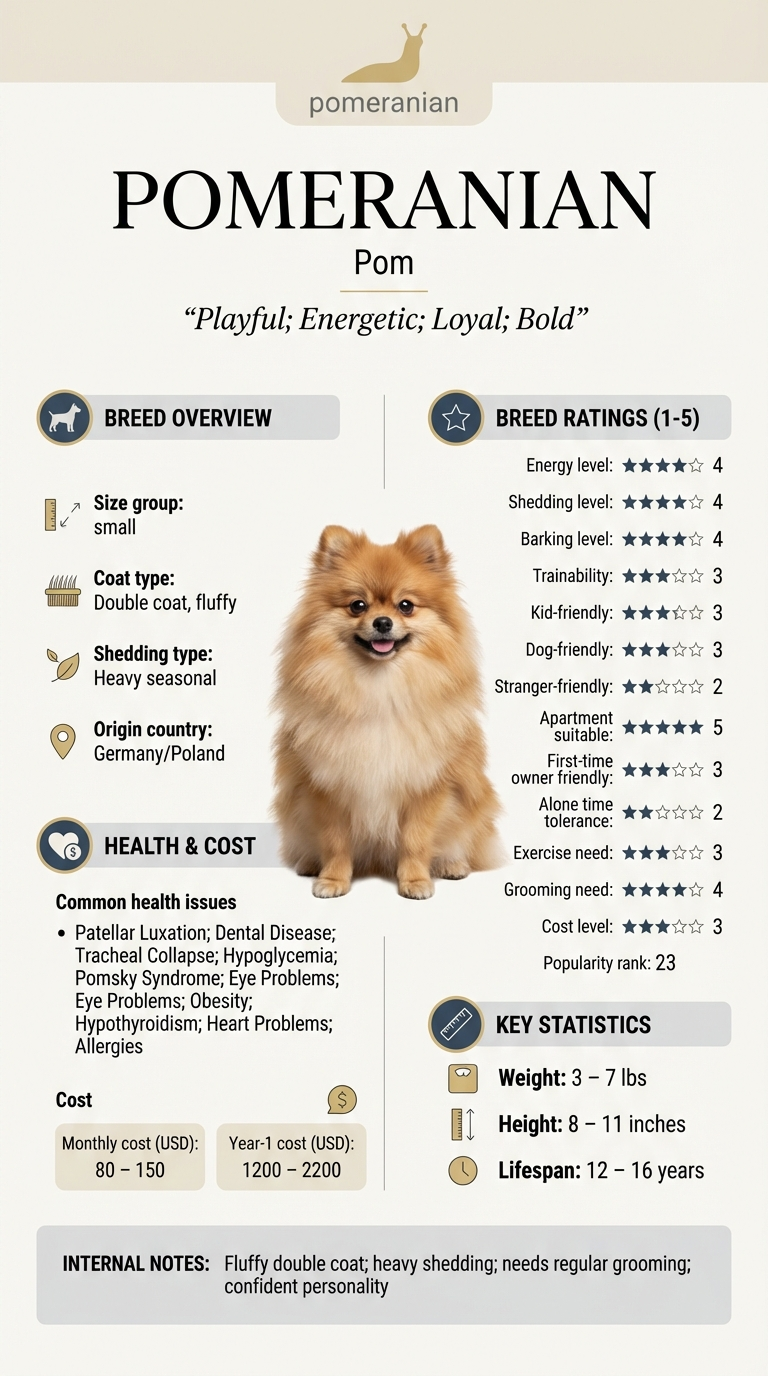
Owners of Pomeranians, especially first-time dog parents, often find this condition concerning. If your Pom snores loudly or struggles with heat, you’re not alone in facing these challenges.
This guide is not medical advice. If your dog shows pain, sudden behavior change, or worsening symptoms, consult a licensed veterinarian.
Some links may be affiliate links. We may earn a commission at no extra cost to you. We only suggest products we believe are helpful for dog owners.
Pomeranian brachycephalic obstructive airway syndrome (boas) is a common issue for this breed, characterized by breathing difficulties, snoring, and heat sensitivity. Daily life for a Pomeranian with BOAS might include frequent panting, coughing, or struggling during exercise, which can be concerning for owners. These symptoms can be triggered by excitement, heat, or even minor physical activity.
BOAS is relatively common in Pomeranians due to their facial structure. Many Pomeranians exhibit some level of this syndrome, especially as they age or if they are overweight. It's essential for owners to recognize these signs early to ensure their dog's comfort and health.
Pomeranians are a small breed with a flat face, which makes them prone to Brachycephalic Obstructive Airway Syndrome (BOAS). Their short nasal passages and elongated soft palate can obstruct airflow, leading to breathing issues. This genetic trait is common in brachycephalic breeds and can be exacerbated by obesity.
Environmental factors like heat and humidity can worsen BOAS symptoms in Pomeranians. Stressful situations or excessive exercise may also trigger breathing difficulties. Additionally, exposure to allergens can lead to inflammation, further complicating their breathing.
If your Pomeranian shows signs of anxiety or stress during training, consider consulting a professional trainer. They can help with positive reinforcement techniques that make training enjoyable for your pup. Additionally, if your dog exhibits persistent breathing issues during training, it's wise to seek guidance.
If your Pomeranian frequently struggles to breathe, snores excessively, or shows signs of distress, contact your vet immediately. A vet can assess the severity of BOAS and recommend treatments, which may include lifestyle changes or surgical options.
Improvement can be observed within a few weeks of consistent training and environmental adjustments, but full management may take several months.
Success means your Pomeranian breathes more easily, shows less distress during exercise, and has reduced episodes of snoring and coughing.
Avoiding these common mistakes can help improve your Pomeranian's condition.
Knowing when to call the vet for your Pomeranian's brachycephalic obstructive airway syndrome (BOAS) is crucial. If your dog shows severe labored breathing, blue-tinged gums, or collapses, it’s time to seek immediate veterinary help. These are red flags that indicate your Pom is in serious distress and needs urgent care.
On the other hand, if your Pomeranian is snoring, occasionally has mild coughing, or seems to struggle a bit during playtime, these symptoms may be monitored. While they can be concerning, they don’t typically require immediate emergency intervention. Instead, you can create a plan to manage these symptoms at home, such as providing a cooler environment and avoiding strenuous activities.
Always watch for changes in your dog's behavior. If their breathing worsens or they exhibit signs of anxiety, like pacing or whining, it’s best to err on the side of caution and consult your vet. Keeping track of any patterns can help your vet better understand your Pomeranian's health and suggest appropriate interventions.
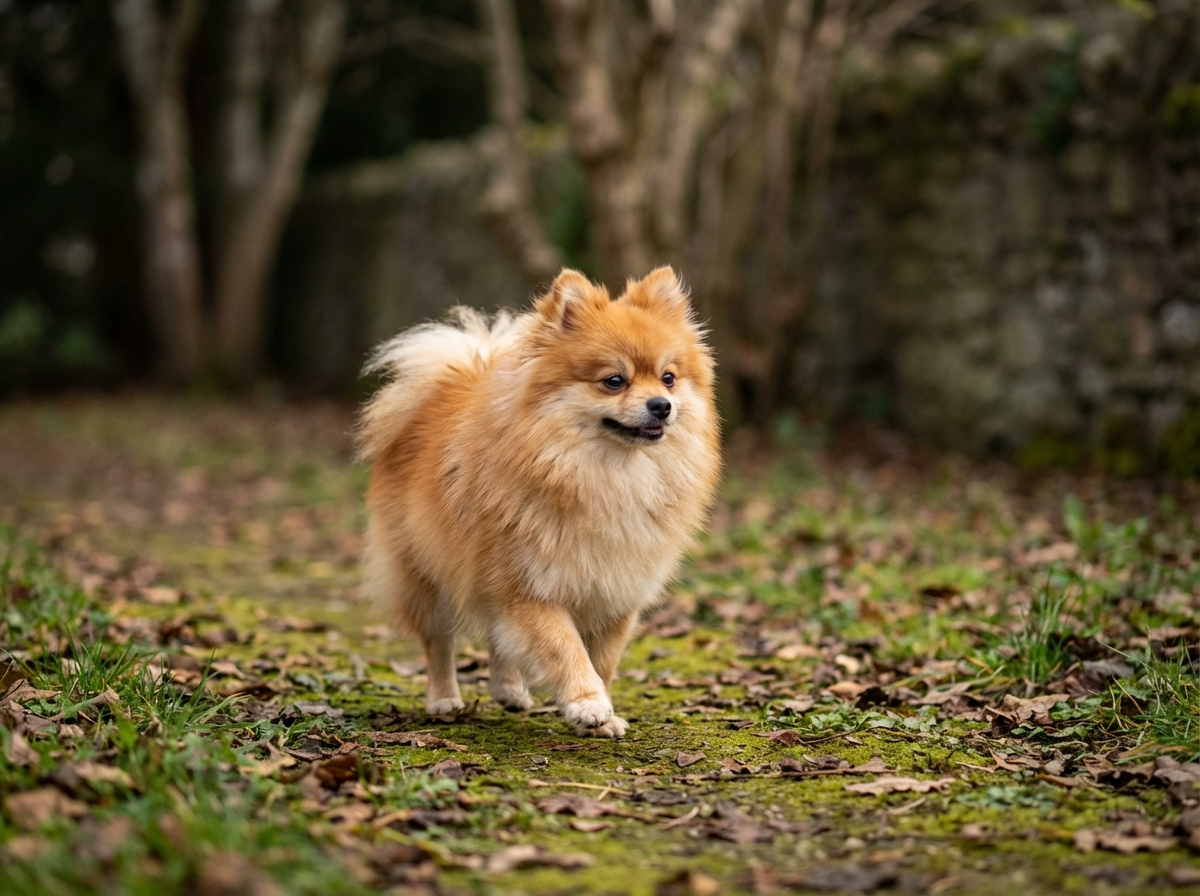
Sarah, a first-time dog owner in Denver, noticed her Pomeranian, Bella, snored loudly and struggled during walks. After a vet diagnosed her with brachycephalic obstructive airway syndrome (BOAS), Sarah learned how to manage Bella's condition through training and lifestyle changes. She started with short, frequent walks in the cooler parts of the day and gradually introduced fun indoor games to keep Bella active without overexertion. Over months, Bella's breathing improved, and Sarah felt relieved seeing her pup happy and more energetic.
Key takeaway: Managing Pomeranian BOAS requires patience and proactive care, but with the right approach, you can significantly improve your dog’s quality of life.
Pomeranian brachycephalic obstructive airway syndrome (BOAS) refers to breathing difficulties caused by the dog’s short snout and narrow airways. This condition can lead to snoring, coughing, and sensitivity to heat. It's essential to monitor your Pomeranian's respiratory health.
BOAS is primarily genetic and common in breeds like Pomeranians with brachycephalic features. Poor breeding practices can exacerbate this condition, making it crucial to choose reputable breeders. If your Pom shows symptoms, consult your vet for an evaluation.
To help a Pomeranian with BOAS, ensure they maintain a healthy weight and avoid strenuous exercise in hot weather. Regular vet check-ups are important, as surgery may be an option for severe cases. Simple lifestyle changes can significantly improve their quality of life.
While training won't cure BOAS, it can help manage your Pomeranian's behavior. Teaching calm commands can reduce anxiety, which may lessen breathing issues. Focus on short, positive sessions to avoid overstressing your dog.
Watch for increased snoring, labored breathing, or excessive coughing. If your Pomeranian struggles to breathe after light activity or shows signs of distress in hot conditions, contact your vet immediately. Early intervention is key.
If your Pomeranian is struggling to breathe, it's essential to remain calm and seek immediate veterinary assistance. Signs of distress include excessive panting, wheezing, or blue-tinged gums. Early intervention can prevent serious complications.
Yes, older Pomeranians can develop BOAS, particularly if they have not been diagnosed earlier in life. As they age, their airways may become more compromised. Regular vet check-ups are crucial in monitoring their health.
To help your Pomeranian manage exercise safely, opt for shorter, more frequent walks during cooler times of the day. Avoid intense activities that may strain their breathing. Always keep fresh water on hand and monitor their breathing closely.
Long-term effects of BOAS can include chronic respiratory issues, decreased exercise tolerance, and potential heatstroke. This condition can lead to more severe health problems if left untreated, so it's vital to consult with your vet regularly.
Yes, surgery can be an option for Pomeranians with severe BOAS. Procedures can help widen the airways and improve breathing. Discuss the risks and benefits of surgery with your veterinarian to determine the best course of action for your dog.
Keep your Pomeranian cool and avoid strenuous activities, especially in heat. Monitor their weight and ensure regular vet visits. Simple lifestyle adjustments can help manage symptoms.
Treatment options vary, but initial vet visits may range from $50 to $150. Surgical interventions can cost $1,500 or more, depending on severity and location.
Ensure your Pomeranian is not overweight and limit exercise during hot weather. Consider air conditioning during summer, and always seek vet advice for persistent issues.