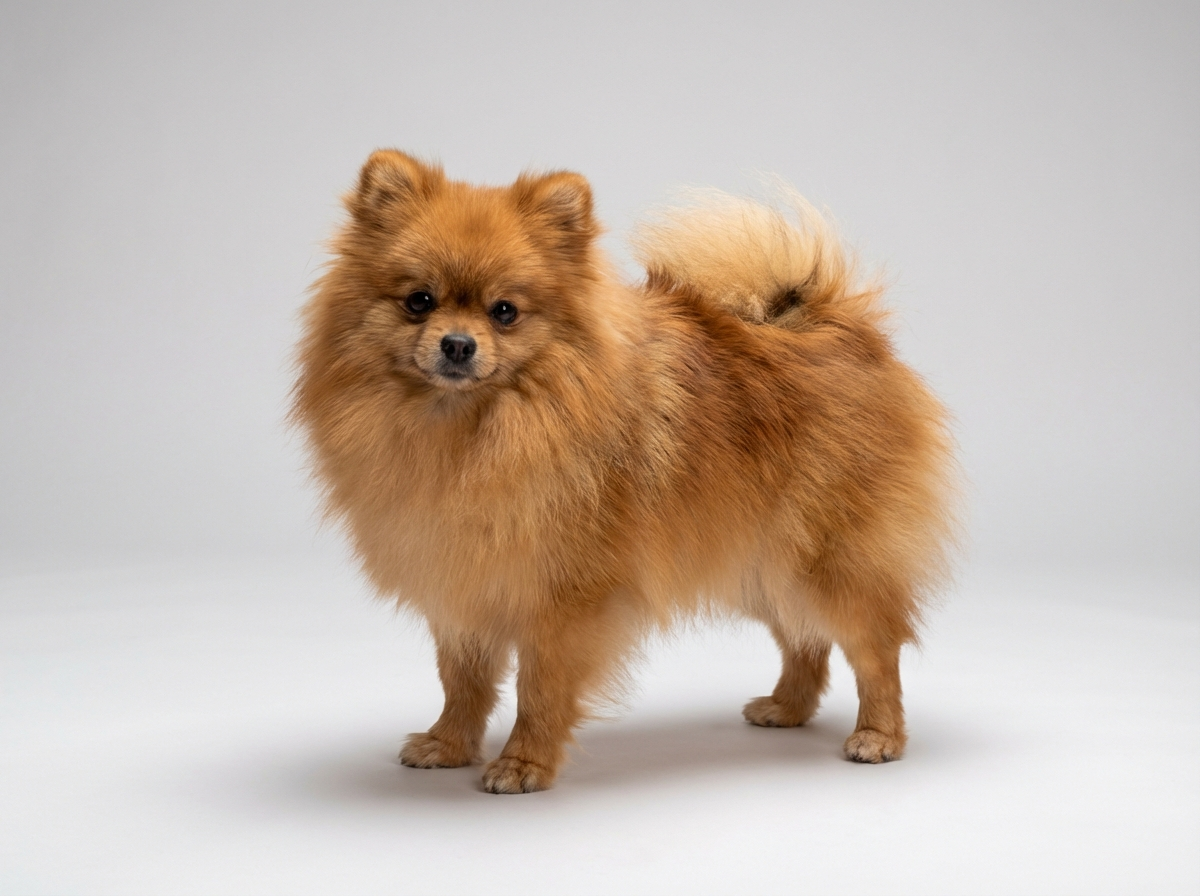
Health
What are quick tips for Pomeranian autoimmune diseases?
Keep your Pomeranian's environment stress-free and clean. Regular vet check-ups are crucial to monitor health. A balanced diet can also support their immune system.

Quick answer
What are quick tips for Pomeranian autoimmune diseases?
Keep your Pomeranian's environment stress-free and clean. Regular vet check-ups are crucial to monitor health. A balanced diet can also support their immune system.
Pomeranian autoimmune diseases can lead to serious health issues, including skin conditions that cause sores and hair loss. These autoimmune disorders can be challenging for both you and your pup.
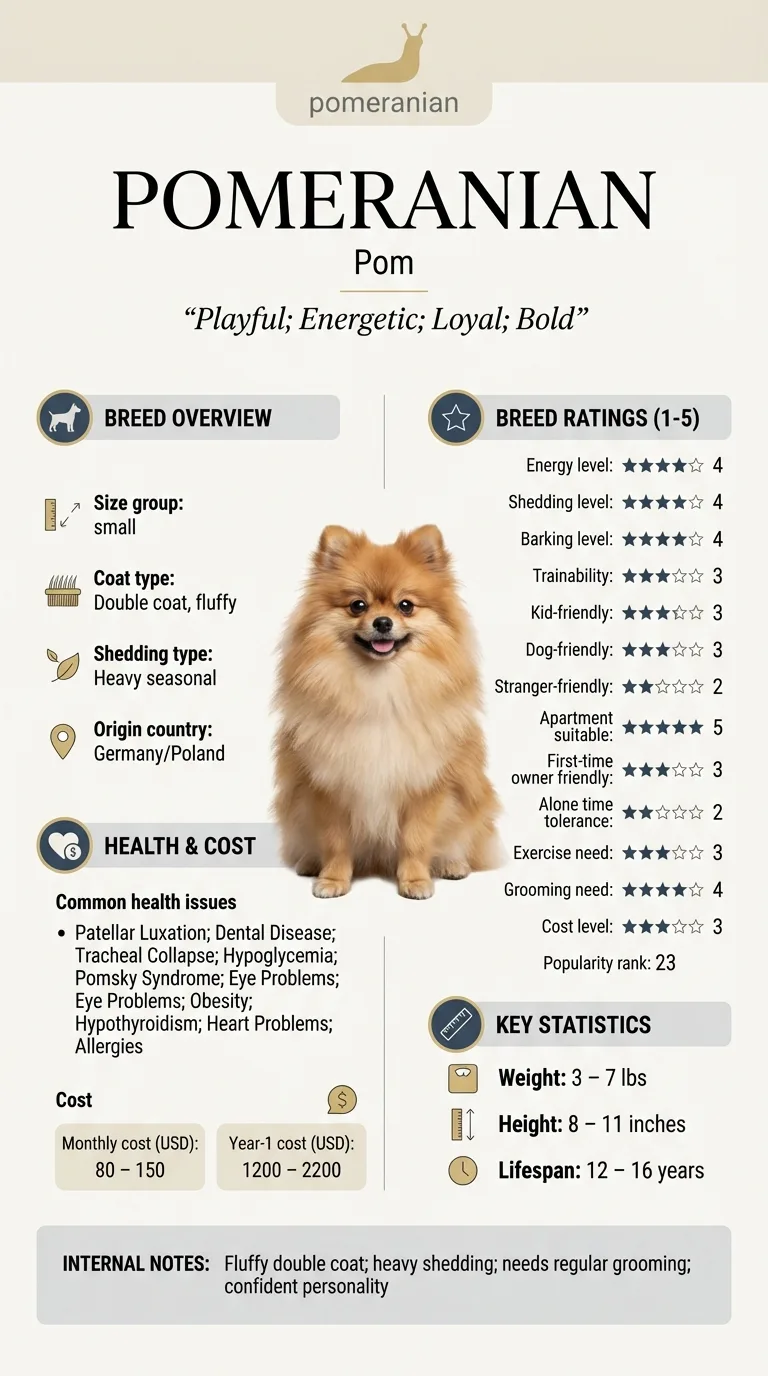
Owners of Pomeranians, especially those who are first-time dog parents or those with busy lifestyles, may struggle to recognize and address these autoimmune issues. The stress of dealing with chronic health problems can also be overwhelming for families.
This guide is not medical advice. If your dog shows pain, sudden behavior change, or worsening symptoms, consult a licensed veterinarian.
Some links may be affiliate links. We may earn a commission at no extra cost to you. We only suggest products we believe are helpful for dog owners.
We research and check what we publish, but we do not warrant that any figure, date, price, or statement is accurate, complete, or current, and we accept no liability for any loss, cost, injury, or other harm arising from the use of this site. Use it as one reference among several. You remain responsible for your own decisions and for your dog's care - confirm anything that matters with a licensed veterinarian or another qualified professional before you act on it. Full disclaimer.
Check this first
Understanding when Pomeranian autoimmune diseases require immediate attention is crucial. There are clear signs that indicate a need to call your vet right away. Look for severe symptoms such as excessive bleeding, uncontrollable itching, or open sores that won't heal. If your Pom is lethargic, refuses to eat, or shows signs of distress, these are red flags that need quick action.
On the other hand, not every situation calls for an emergency response. If your Pomeranian is experiencing mild symptoms like slight skin irritation or minor hair loss, you can monitor their condition at home. Keeping track of any changes in appetite, energy levels, or behavior is essential. Documenting these changes can help your vet make a better assessment during your next appointment.
Establishing a plan for mild cases can also be beneficial. For instance, regular grooming can help manage shedding and skin health. If you notice mild signs of autoimmune issues, consider a gentle shampoo or supplements recommended by your vet. However, if things worsen or you have concerns, don't hesitate to reach out to your veterinarian for advice.
If any of these apply, call your vet or an emergency clinic now. The rest of this page is for the cases that are not an emergency.
Pomeranian autoimmune diseases can manifest as skin conditions that lead to sores and hair loss. These issues often stem from the dog's immune system attacking its own body, which can be distressing for both the dog and the owner. Daily life with a Pomeranian suffering from these diseases may include frequent vet visits and special care routines to manage their symptoms.
Autoimmune diseases in Pomeranians are relatively common, particularly in older dogs. Owners should be aware of their dog's health and be vigilant for any signs of skin issues or unusual behavior.
Pomeranians can be prone to certain autoimmune diseases due to their genetic makeup. Their small size and fluffy double coat may also contribute to skin conditions, which can lead to autoimmune responses. Additionally, their energetic nature sometimes masks underlying health issues, making it harder to detect problems early.
Environmental factors like exposure to allergens and irritants can trigger autoimmune diseases in Pomeranians. Stressful situations, such as changes in their living environment or routine, can weaken their immune system. Poor diet or lack of proper nutrition may also contribute to their susceptibility to these diseases.
If you notice any persistent skin issues, frequent infections, or changes in behavior, consult your vet for a thorough examination. They can provide a proper diagnosis and recommend appropriate treatments tailored to your Pomeranian's needs.
Avoid these common mistakes to help manage your Pomeranian's autoimmune diseases effectively.
Start here: Pomeranian Most Common Genetic Disorders: What to Screen For
See all Pomeranian health problems, which breeds are prone to autoimmune diseases, or the full Pomeranian breed guide for temperament, exercise needs and ownership costs.
Managing Pomeranian autoimmune diseases typically takes several weeks to months. You'll need patience and consistency in treatment and care.
Success means seeing a reduction in symptoms such as skin sores and hair loss. Your Pomeranian should show improved energy levels and overall health.
Samantha, a first-time dog owner in Seattle, noticed that her Pomeranian, Bella, had developed unusual skin sores. After a vet visit, she learned it was an autoimmune disease. Initially overwhelmed, Samantha started a routine of special diets and medication. She also implemented a consistent grooming schedule to manage Bella's fluffy coat. Gradually, Bella's skin improved, and she became more energetic. Samantha learned the importance of regular vet check-ups and embracing a proactive approach to Bella's health.
Key takeaway: Understanding and managing Pomeranian autoimmune diseases requires commitment, but with the right care, your dog can lead a happy life.
Pomeranians can have autoimmune diseases due to genetic predispositions, environmental factors, or infections. These conditions often manifest as skin issues, causing sores and hair loss. Regular vet check-ups can help identify underlying issues early.
While you can't always prevent autoimmune diseases, ensuring your Pomeranian has a healthy diet and regular vet visits can help. Keeping them away from stressors and maintaining a clean living environment are also important. If symptoms arise, consult your vet for appropriate treatments.
Common symptoms include skin lesions, hair loss, lethargy, and changes in appetite. You may also notice unusual behaviors like increased scratching or biting at the skin. If you observe these symptoms, it's crucial to seek veterinary advice promptly.
Yes, certain genetic factors can make some Pomeranians more susceptible to autoimmune diseases. Breeding practices can influence these tendencies, so it’s essential to get your Pomeranian from a reputable breeder who screens for health issues.
Treatment options vary depending on the specific autoimmune disease. Common treatments include medications to suppress the immune response and topical treatments for skin issues. Always consult your vet to find the most effective treatment for your Pomeranian.
Yes, older Pomeranians may experience autoimmune diseases with more severe symptoms. Their immune systems are weaker, making them more susceptible to complications. Regular vet check-ups are essential for older dogs to monitor their health.
To support your Pomeranian, provide a balanced diet rich in nutrients to boost their immune system. Maintain a stress-free environment and consider gentle exercise to keep them active. Regular grooming can also help manage skin conditions.
Yes, there can be a genetic predisposition to autoimmune diseases in Pomeranians. If you have concerns about your dog's lineage, talk to your breeder or vet. Responsible breeding practices can help reduce the incidence of these diseases.
You should take your Pomeranian to the vet if you notice any persistent symptoms like skin issues or behavioral changes. Early diagnosis is crucial in managing autoimmune diseases effectively. Don’t hesitate to reach out if you're worried.
Keep your Pomeranian's environment stress-free and clean. Regular vet check-ups are crucial to monitor health. A balanced diet can also support their immune system.
Look for redness, sores, or excessive scratching. If you notice hair loss or changes in skin texture, it’s time to visit a vet.
Ensure your Pomeranian is groomed regularly to keep their coat healthy. A good diet and hydration can also support skin health.
A one-page prep sheet for this condition: the signs, the questions to ask, what to get priced. Unlocks here.
You get: Vet visit prep sheet
No spam. One-click unsubscribe. See our privacy policy.
Preview page 1 before you decide.