DogBreedCompass
← Back to breed profile

Pomeranian Allergies: Causes and Solutions

Pomeranian allergies can cause discomfort and health issues for your furry friend. Understanding this problem is crucial for their well-being.

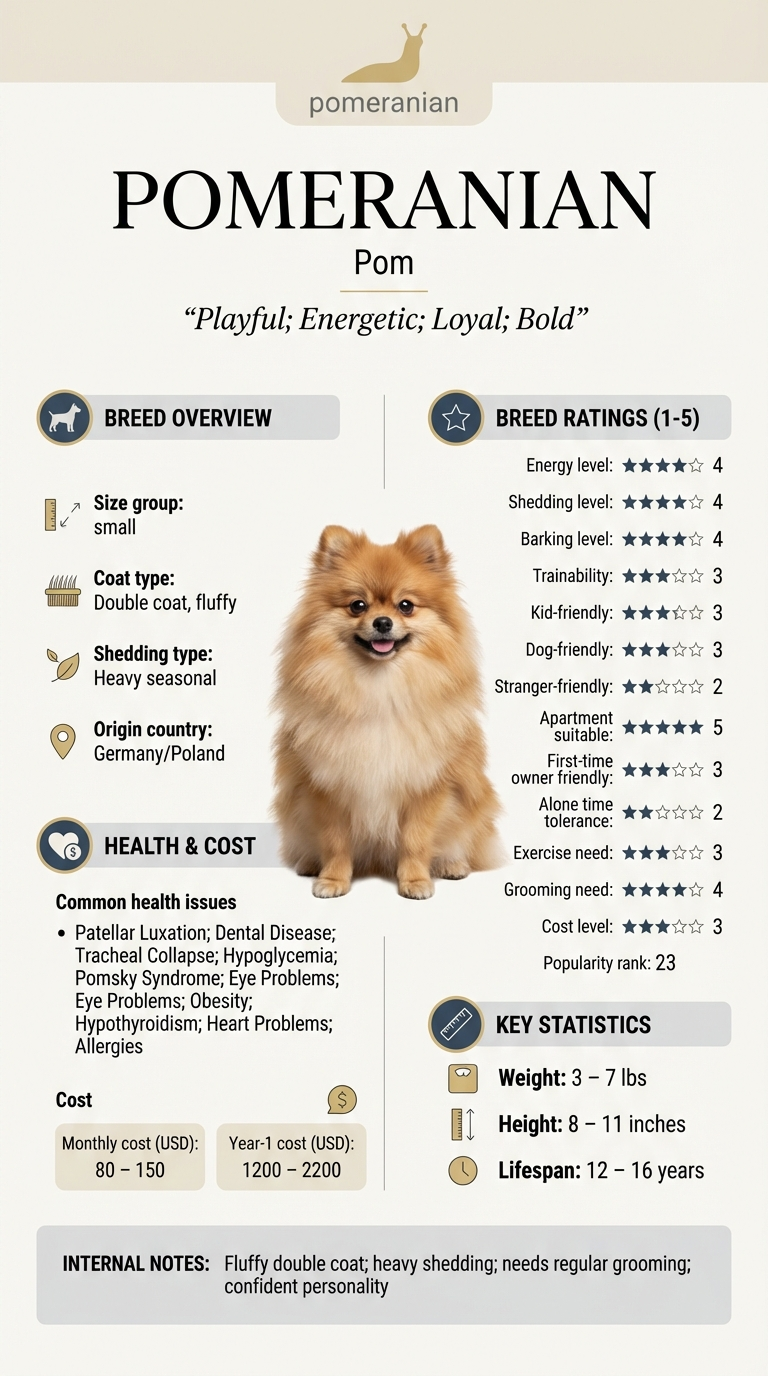
Pomeranian Allergies: Causes and Solutions infographic

Owners of Pomeranians often face this issue, especially those with sensitive pups or those living in allergy-prone areas. First-time dog owners may feel overwhelmed when trying to find solutions to their Pom's allergy problems.

Important reminder

This guide is not medical advice. If your dog shows pain, sudden behavior change, or worsening symptoms, consult a licensed veterinarian.

Some links may be affiliate links. We may earn a commission at no extra cost to you. We only suggest products we believe are helpful for dog owners.

What this problem looks like

Pomeranian allergies are a common issue for this small, fluffy breed. They can suffer from food and environmental allergies, leading to symptoms like itching, redness, and skin infections. Owners may notice their Pomeranians scratching excessively or developing chronic ear infections, which can be frustrating to manage day-to-day.

Common triggers

  • Certain dog food ingredients
  • Pollen and dust mites
  • Fleas and other parasites
  • Household cleaning products
  • Seasonal changes

Allergies are relatively common among Pomeranians, with many experiencing some form of allergy in their lifetime. It's important for owners to recognize the signs early to help their pups feel more comfortable.

Why this happens

Breed factors

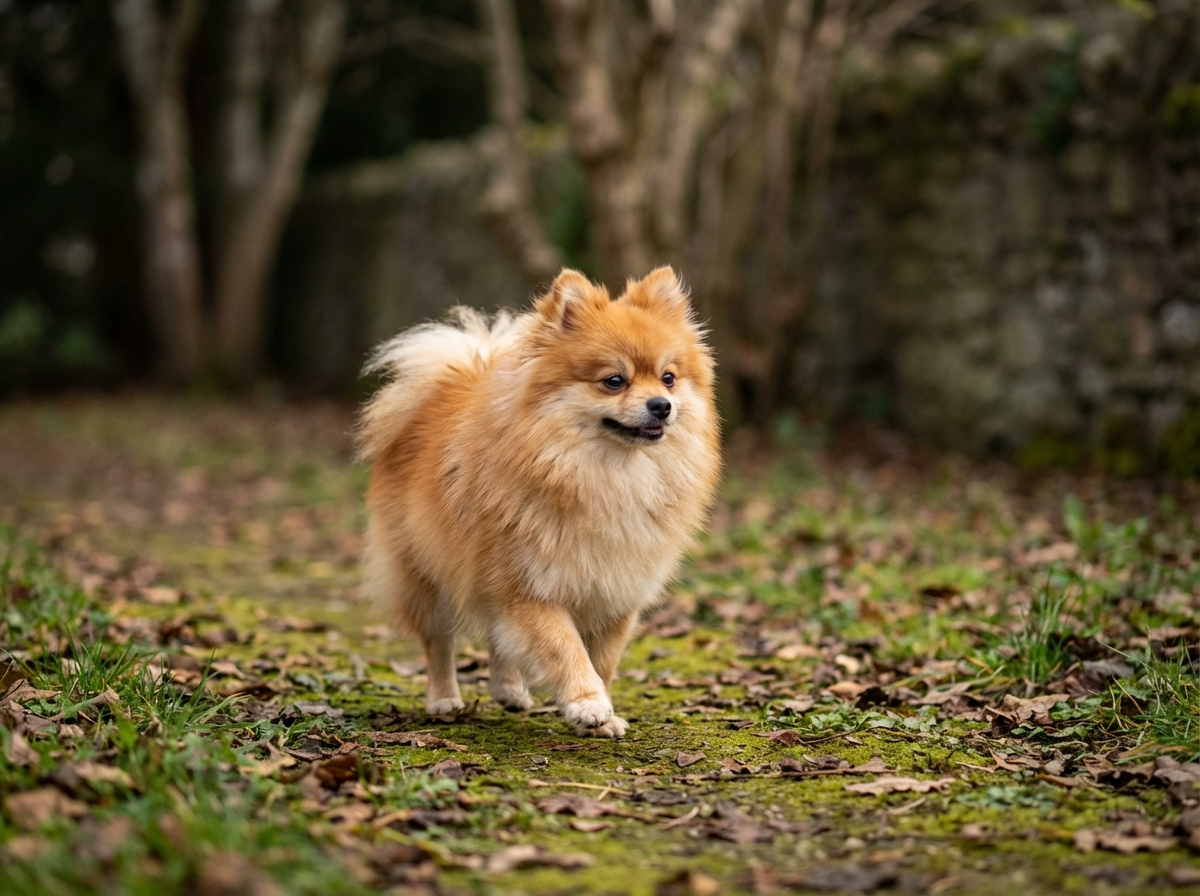
Pomeranians can be prone to allergies due to their genetic makeup. Their fluffy double coat may trap allergens, leading to skin irritations or respiratory issues. Some Poms also have a tendency toward specific food allergies, which can cause discomfort and health problems.

Environment factors

Allergies in Pomeranians can also stem from their environment. Common allergens include pollen, dust mites, mold, and certain cleaning products. Changes in weather or exposure to new substances can trigger allergic reactions, resulting in itching, sneezing, or gastrointestinal upset.

What you can try

At-home strategies

  • Regularly groom your Pomeranian to reduce allergens trapped in their fur. Brush them at least once a week, and bathe them with a hypoallergenic shampoo every month.
  • Keep your home clean by vacuuming frequently and using air purifiers to reduce dust and allergens. Wash your dog's bedding and toys regularly to keep them free from irritants.
  • Monitor their diet. If you suspect food allergies, consider a limited-ingredient diet or consult your vet for advice on food options that might work better for your Pom.

When to consider a trainer

If you notice your Pomeranian's allergies are leading to behavioral changes, like increased anxiety or aggression, it may be helpful to consider a trainer. A professional can guide you on how to manage these behaviors while addressing their allergic reactions.

When to talk to your vet

If your Pomeranian shows persistent signs of allergies, such as excessive itching, ear infections, or gastrointestinal issues, it’s time to talk to your vet. They can conduct tests to determine the specific allergens and recommend appropriate treatments, including medications or allergy shots.

Realistic expectations

It may take 2 to 6 months to effectively manage your Pomeranian's allergies.

Success looks like a noticeable reduction in allergy symptoms, like itching and inflammation, leading to a happier, more comfortable pet.

Mistakes that make this worse

Avoiding common pitfalls can significantly help your Pomeranian manage allergies. Here are some mistakes to steer clear of:

  • Ignoring symptoms: Many owners overlook signs like itching or ear infections. Monitor your Pom closely and consult a vet if symptoms persist.
  • Using harsh cleaning products: Some cleaning supplies can worsen allergies. Opt for pet-safe, non-toxic alternatives to create a healthier environment.
  • Feeding low-quality food: Poor nutrition can exacerbate allergies. Invest in high-quality dog food that lists real meat and wholesome ingredients as the first components.
  • Neglecting grooming: Pomeranians have a fluffy double coat that needs regular grooming. Avoid mats and allergens by brushing your dog frequently and considering professional grooming.
  • Not establishing a routine: A lack of consistency can confuse your dog. Create a regular schedule for feeding, grooming, and exercise to help your Pom feel secure.
  • Overlooking seasonal changes: Allergens fluctuate with the seasons. Be proactive by keeping your home clean and limiting outdoor time during high pollen seasons.
  • Failing to consult a vet: Many owners try home remedies without professional advice. Always consult your vet for the best treatment options tailored to your Pomeranian's needs.

When Pomeranian Allergies Are an Emergency

Pomeranian allergies can range from mild to severe. It's essential to know when your Pom's symptoms require immediate attention. Emergency signs include severe swelling, difficulty breathing, or persistent vomiting. If your dog seems to be in distress or has a sudden reaction, call your vet right away.

Mild cases can often be managed at home. If your Pomeranian has mild itching, sneezing, or occasional ear infections, monitor the symptoms closely. You can try over-the-counter antihistamines, but always consult your vet first. Keep track of any changes in behavior or condition, and consider making appointments for regular check-ups.

In summary, if your Pomeranian shows signs of anaphylaxis or extreme discomfort, don’t wait. However, if symptoms are manageable, create a watch-and-wait plan with your veterinarian. Being informed can help you navigate your Pomeranian's health effectively.

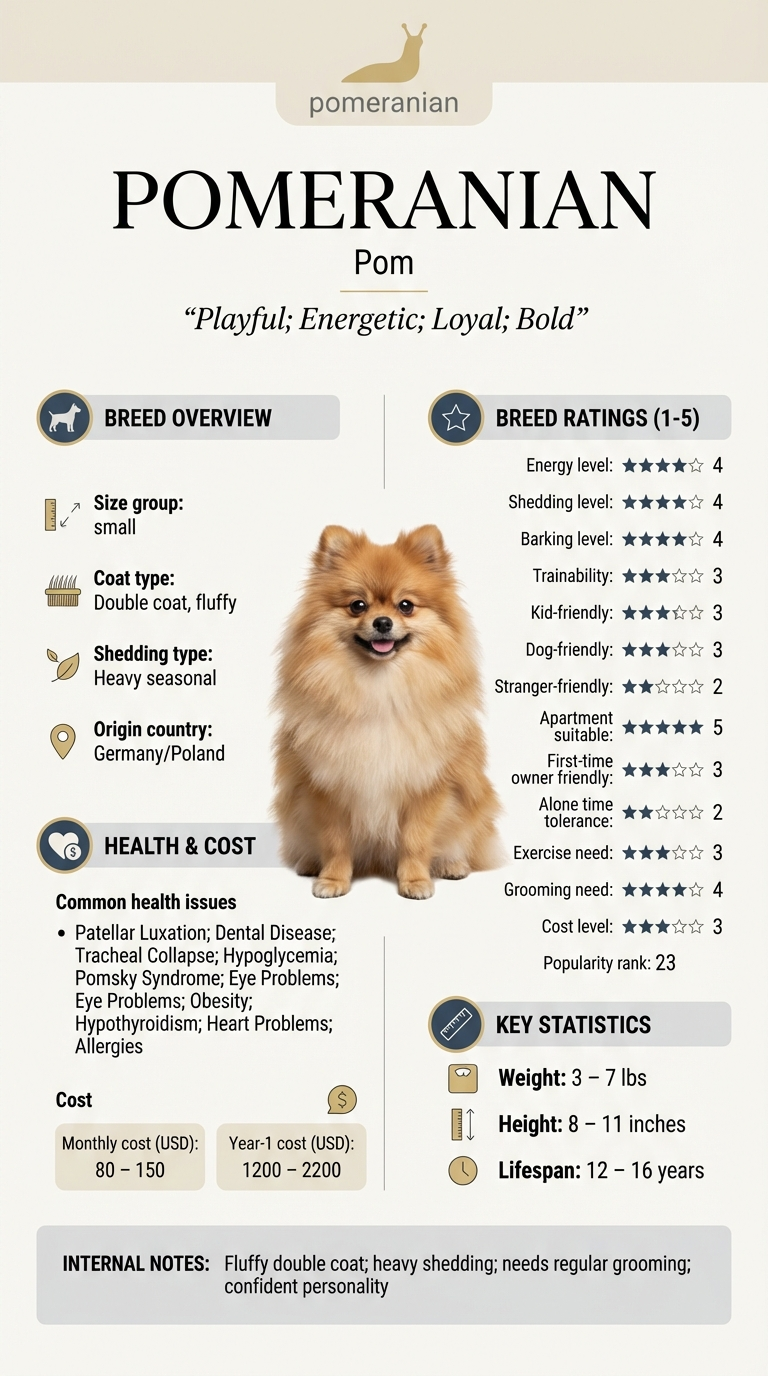
Pomeranian Allergies: Causes and Solutions - When Pomeranian Allergies Are an Emergency

Emily and Max: Battling Allergies

Emily, a busy nurse in Boston, adopted a Pomeranian named Max. Shortly after bringing him home, she noticed he was scratching excessively and had red patches on his skin. After consulting her vet, Emily learned that Max had food and environmental allergies. She began a strict elimination diet and introduced allergy-friendly grooming products. Over several months, she saw significant improvements in Max's skin condition and overall happiness.

Key takeaway: Patience and consistency are key when addressing Pomeranian allergies. With time and the right approach, you can help your pup feel their best.

Frequently asked questions

Why does my Pomeranian have allergies?

Pomeranians can develop allergies due to various factors, including environmental triggers like pollen and dust, or food ingredients. It's important to observe your dog's symptoms and consult a vet for proper diagnosis and treatment. Managing their environment and diet can significantly help reduce allergy symptoms.

How can I stop my Pomeranian's allergies?

To stop Pomeranian allergies, start by identifying the triggers. This may involve changing their diet, using hypoallergenic dog food, or eliminating certain household allergens. Regular vet visits can help manage and treat any allergic reactions effectively.

What are common signs of allergies in Pomeranians?

Common signs include excessive scratching, skin irritations, ear infections, and gastrointestinal issues. If you notice any of these symptoms, it’s best to consult your vet for a proper diagnosis. Early intervention can prevent more serious health issues.

Can Pomeranian allergies be treated at home?

Some mild allergies can be managed at home with dietary changes and antihistamines recommended by your vet. Regular grooming can also help reduce allergens in their fur. However, always consult your vet before starting any home treatment.

Is there a specific diet for Pomeranian allergies?

Yes, a hypoallergenic diet can help reduce allergic reactions. Look for dog foods that are free from common allergens like wheat, soy, and certain proteins. Transition to a new diet gradually to avoid gastrointestinal upset.

What are common signs of Pomeranian allergies?

Common signs of Pomeranian allergies include itching, redness, and inflammation of the skin. You may also notice excessive scratching, biting at the paws, or ear infections. If your Pom shows these symptoms, it's important to consult your vet.

Can Pomeranian allergies develop later in life?

Yes, Pomeranian allergies can develop at any age. Even if your dog has been fine for years, they might suddenly start showing signs of allergies due to changes in their environment or diet. Always monitor for new symptoms and speak to your vet if you're concerned.

Should I change my Pomeranian's diet if they have allergies?

Changing your Pomeranian's diet can help if food allergies are suspected. Consult with your vet to determine if an elimination diet or hypoallergenic food is appropriate. Gradual changes can help identify allergens.

How can I help my Pomeranian with seasonal allergies?

For seasonal allergies, regular grooming can help reduce allergens in your home. Bathing your Pom with a vet-recommended shampoo may also provide relief. If symptoms persist, consult your vet for potential medications or treatments.

When should I see a vet for my Pomeranian's allergies?

You should see a vet if your Pomeranian shows persistent symptoms like itching, swelling, or frequent ear infections. If over-the-counter remedies don't help or if your dog seems to be in distress, professional advice is essential for proper care.

Quick answers

View more answers
Behavior

What are quick tips for Pomeranian allergies?

Keep your home clean and minimize dust and pollen exposure. Regular baths with hypoallergenic shampoo can help soothe their skin. Always consult a vet before changing their diet or treatment plan.

Living

How do I groom my Pomeranian for allergies?

Regular grooming is essential for Pomeranians. Brush them frequently to remove allergens from their fur and bathe them with hypoallergenic shampoo to soothe any skin irritations.

Costs

Are Pomeranian allergies expensive to treat?

The cost can vary, but expect to spend on vet visits, medications, and possibly special food. Monthly costs for managing allergies can range from $80 to $150.

Health

What should I watch for in Pomeranian allergies?

Keep an eye out for skin irritations, ear infections, and digestive issues. Early detection can help manage symptoms effectively and reduce vet visits.

Related DogBreedCompass guides

  • Pomeranian behavior problemsLearn about common behavior problems that may arise with Pomeranians, including how allergies can affect their temperament.
  • Pomeranian allergies trainingFind effective training techniques specifically for Pomeranians to help manage allergies and other issues.
  • Pomeranian health guideExplore health and wellness tips for Pomeranians, including how to address allergies and improve quality of life.
  • Pomeranian apartment livingDiscover how to provide a suitable living environment for your Pomeranian, especially if they have allergies.
  • Pomeranian cost breakdownUnderstand the costs associated with owning a Pomeranian, including potential expenses related to allergies.

Related guides