Behavior
What are quick tips for managing vwd1 in Corgis?
Keep your Corgi away from rough play or risky activities. Ensure regular vet visits and always have a plan for emergencies.
Pembroke Welsh Corgi von Willebrand's disease (vWD1) is a genetic bleeding disorder that can impact your dog's health and well-being.
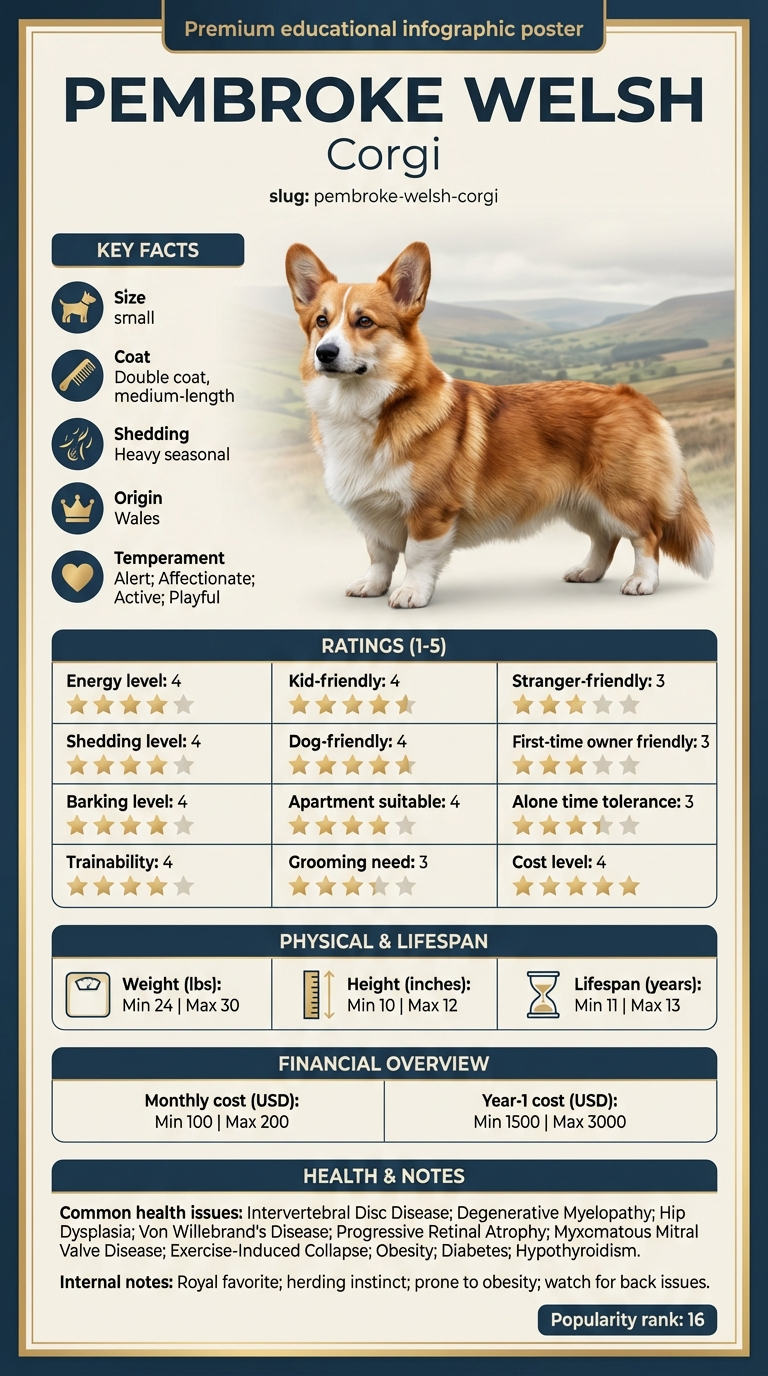
Owners of Pembroke Welsh Corgis, especially those new to dog care or those unaware of this genetic issue, often find themselves navigating the challenges of vWD1. These pet parents need guidance to ensure their furry friends live healthy, fulfilling lives despite the condition.
This guide is not medical advice. If your dog shows pain, sudden behavior change, or worsening symptoms, consult a licensed veterinarian.
Some links may be affiliate links. We may earn a commission at no extra cost to you. We only suggest products we believe are helpful for dog owners.
Pembroke Welsh Corgi von Willebrand's disease (vWD1) is a genetic bleeding disorder that affects how blood clots. Dogs with this condition may experience excessive bleeding from minor injuries, nosebleeds, or prolonged bleeding during surgery. This can be alarming for pet owners, as the symptoms can vary from mild to severe.
Von Willebrand's disease is relatively common in Pembroke Welsh Corgis. It's essential for prospective owners to be aware of this issue, as it can significantly impact their dog's health and quality of life.
Pembroke Welsh Corgis are prone to von Willebrand's disease (vWD1) due to their genetic makeup. This hereditary condition affects their blood's ability to clot, leading to bleeding issues. If a Corgi has a family history of this disease, they are at a higher risk of developing it.
Environmental factors can also play a role. Stressful situations, such as injuries or surgical procedures, may exacerbate bleeding tendencies in dogs with vWD1. Additionally, high-energy activities that lead to rough play can increase the likelihood of bleeding.
If your Pembroke Welsh Corgi shows signs of anxiety or aggressive behavior, consider consulting a trainer experienced with vWD1. They can help you implement strategies to keep your dog calm and safe during activities.
Talk to your vet if you notice any bleeding issues or if your Corgi has a family history of vWD1. Regular check-ups are essential to monitor their health and manage the condition effectively.
Managing Pembroke Welsh Corgi von Willebrand's disease (vWD1) is an ongoing process. You should see some improvement in your dog's condition within a few weeks of implementing changes, but it may take several months to fully adapt their lifestyle to manage the disease effectively.
Success looks like stable health and fewer bleeding episodes. Regular vet check-ups and a consistent care routine will help you monitor your Corgi's condition effectively.
Managing your Pembroke Welsh Corgi with von Willebrand's Disease (vWD1) requires careful attention. Here are some common mistakes that could worsen the condition and safer alternatives to consider.
Recognizing when your Pembroke Welsh Corgi is experiencing severe symptoms of von Willebrand's Disease (vWD1) is crucial. If your Corgi shows signs of excessive bleeding, such as prolonged bleeding from minor cuts or spontaneous nosebleeds, it’s time to call your vet immediately. Other red flags include lethargy, weakness, or swelling in the limbs, which may indicate serious complications.
In contrast, if your Corgi is merely experiencing mild symptoms like occasional bruising or slight bleeding from the gums, monitor the situation closely while keeping your vet informed. These milder symptoms can sometimes be managed with proper care and observation. Create a watch-and-wait plan that includes regular check-ups to ensure your dog's condition remains stable. It’s essential to document any changes and discuss them with your vet during visits to better manage the disease.
Always err on the side of caution. When in doubt, it’s better to contact your vet to discuss your concerns. Early intervention can make all the difference in managing your Pembroke Welsh Corgi's health effectively.
When Sarah adopted Maggie, her cheerful Pembroke Welsh Corgi, she noticed that Maggie often bruised easily. After a vet visit, Sarah learned that Maggie had von Willebrand's disease (vWD1). It was a tough realization, but Sarah took it as a challenge. She adjusted Maggie's diet, added supplements, and started regular vet check-ups. Over time, Maggie's health improved, and Sarah learned to manage her condition with confidence. They now enjoy walks and play without constant worry.
Key takeaway: With proper management and support, you can help your Pembroke Welsh Corgi live a fulfilling life despite health challenges like vWD1.
Pembroke Welsh Corgi von willebrand's disease (vwd1) is a genetic bleeding disorder. It affects the blood's ability to clot, which can lead to excessive bleeding from injuries or during surgeries.
This condition is inherited and results from a lack of von Willebrand factor, a protein important for blood clotting. If your Corgi has vwd1, it likely inherited the gene from its parents.
Regular veterinary check-ups are crucial for monitoring your Corgi's condition. Avoid situations that could lead to injury, and discuss potential blood transfusions with your vet for emergencies.
Signs include excessive bleeding from cuts, prolonged bleeding after surgery, and unusual nosebleeds. If you notice these symptoms, consult your veterinarian immediately.
Yes, with proper management and care, Corgis with vwd1 can live happy, active lives. It's essential to follow a vet's guidance on lifestyle adjustments.
Focus on positive reinforcement training to build your Corgi’s confidence. Avoid overly energetic activities that could lead to injury, and ensure your dog is comfortable with gentle handling.
While vwd1 can't be cured, managing your Corgi's environment and health can minimize its impact. Regular check-ups and avoiding high-risk situations are key strategies.
Signs of von Willebrand's disease (vwd1) can include excessive bleeding from cuts, bruising easily, or prolonged bleeding after surgery. If you notice any of these symptoms, it’s important to consult your vet for a proper diagnosis and treatment plan.
While there is no cure for von Willebrand's disease (vwd1), treatment options are available for older Pembroke Welsh Corgis. Your vet may recommend lifestyle adjustments or medications to manage symptoms and minimize bleeding risks.
To prevent injuries, ensure your Pembroke Welsh Corgi has a safe environment. Avoid rough play, limit access to stairs, and monitor them closely during activities to reduce the risk of cuts or scrapes.
Yes, it's best to avoid high-impact activities or sports that could lead to injury. Gentle walks and low-impact playtime are more suitable for Corgis with von Willebrand's disease (vwd1).
Regular check-ups are essential for managing von Willebrand's disease (vwd1). You should schedule visits every 6 to 12 months, or more frequently if any new symptoms arise or if your Corgi is undergoing treatment.
Keep your Corgi away from rough play or risky activities. Ensure regular vet visits and always have a plan for emergencies.
Aim for at least two vet visits a year for health checks, and more if your Corgi shows any signs of bleeding issues.
Yes, look for positive reinforcement training programs specifically tailored for dogs with special health needs.
Since vwd1 is genetic, you can't prevent it, but responsible breeding can reduce its occurrence in future litters.
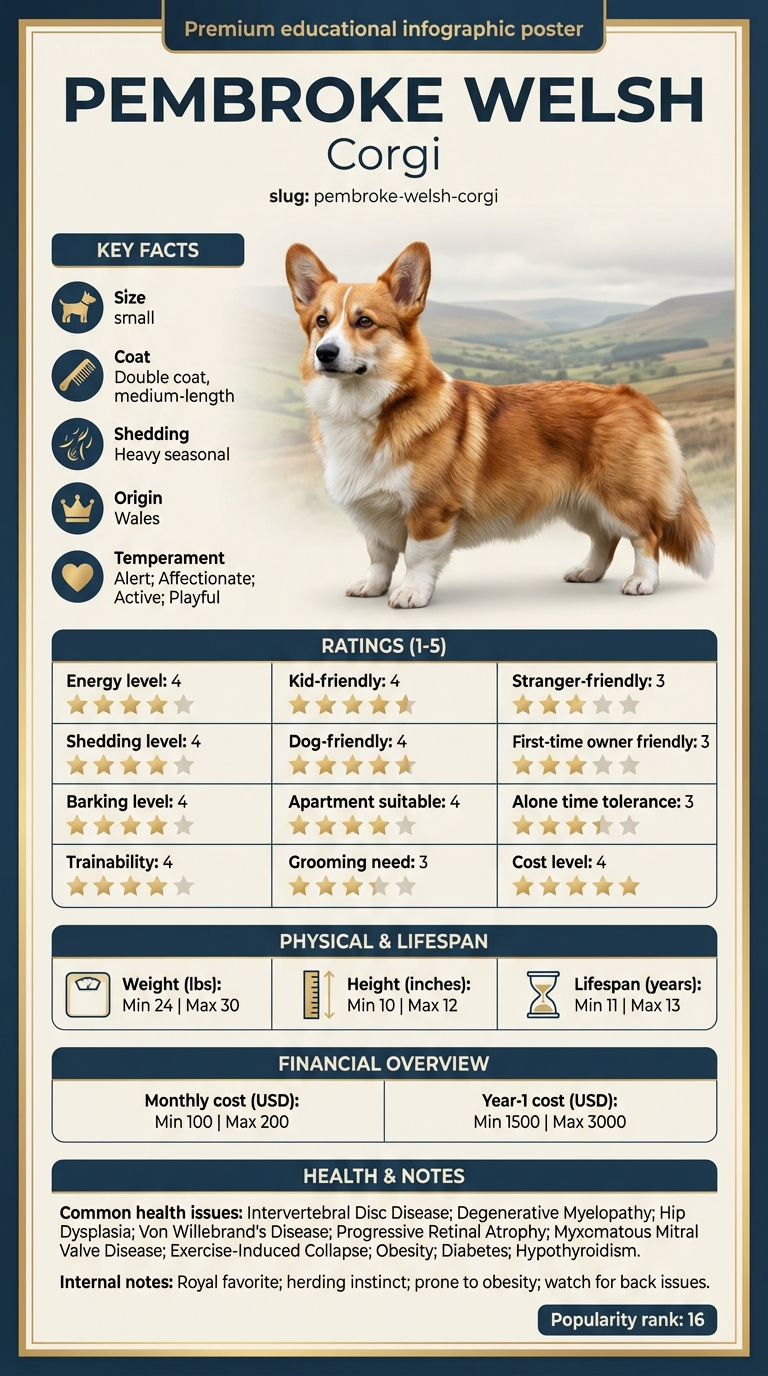
Expect increased veterinary costs for regular check-ups and potential emergency treatments, which could range from $100 to $300 monthly.