Behavior
What are quick tips for managing schnauzer comedo syndrome?
Regular grooming and baths with a gentle, moisturizing shampoo can help. Keeping your Corgi's skin clean is essential to managing this condition.

Quick answer
What are quick tips for managing schnauzer comedo syndrome?
Regular grooming and baths with a gentle, moisturizing shampoo can help. Keeping your Corgi's skin clean is essential to managing this condition.
Pembroke Welsh Corgi schnauzer comedo syndrome is a skin condition affecting your furry friend, causing discomfort and frustration for both pet and owner.

Owners of Pembroke Welsh Corgis, particularly those who are first-time pet parents, may find themselves struggling with this condition. It can be challenging to recognize and manage, especially for those new to dog care.
This guide is not medical advice. If your dog shows pain, sudden behavior change, or worsening symptoms, consult a licensed veterinarian.
Some links may be affiliate links. We may earn a commission at no extra cost to you. We only suggest products we believe are helpful for dog owners.
We research and check what we publish, but we do not warrant that any figure, date, price, or statement is accurate, complete, or current, and we accept no liability for any loss, cost, injury, or other harm arising from the use of this site. Use it as one reference among several. You remain responsible for your own decisions and for your dog's care - confirm anything that matters with a licensed veterinarian or another qualified professional before you act on it. Full disclaimer.
Check this first
Recognizing when Pembroke Welsh Corgi Schnauzer Comedo Syndrome becomes an emergency is crucial for your dog's health. If you notice severe symptoms such as excessive hair loss, open sores, or a foul smell coming from the skin, you should call your vet immediately. These signs can indicate a more serious underlying condition that needs urgent attention.
On the other hand, if your Corgi shows mild symptoms like occasional blackheads or minor skin irritation, you can monitor the situation at home. Regular grooming and a proper skincare routine can help manage these issues. Keep track of any changes in your dog's behavior or skin condition and consult your vet if symptoms worsen or persist for more than a few days.
If any of these apply, call your vet or an emergency clinic now. The rest of this page is for the cases that are not an emergency.
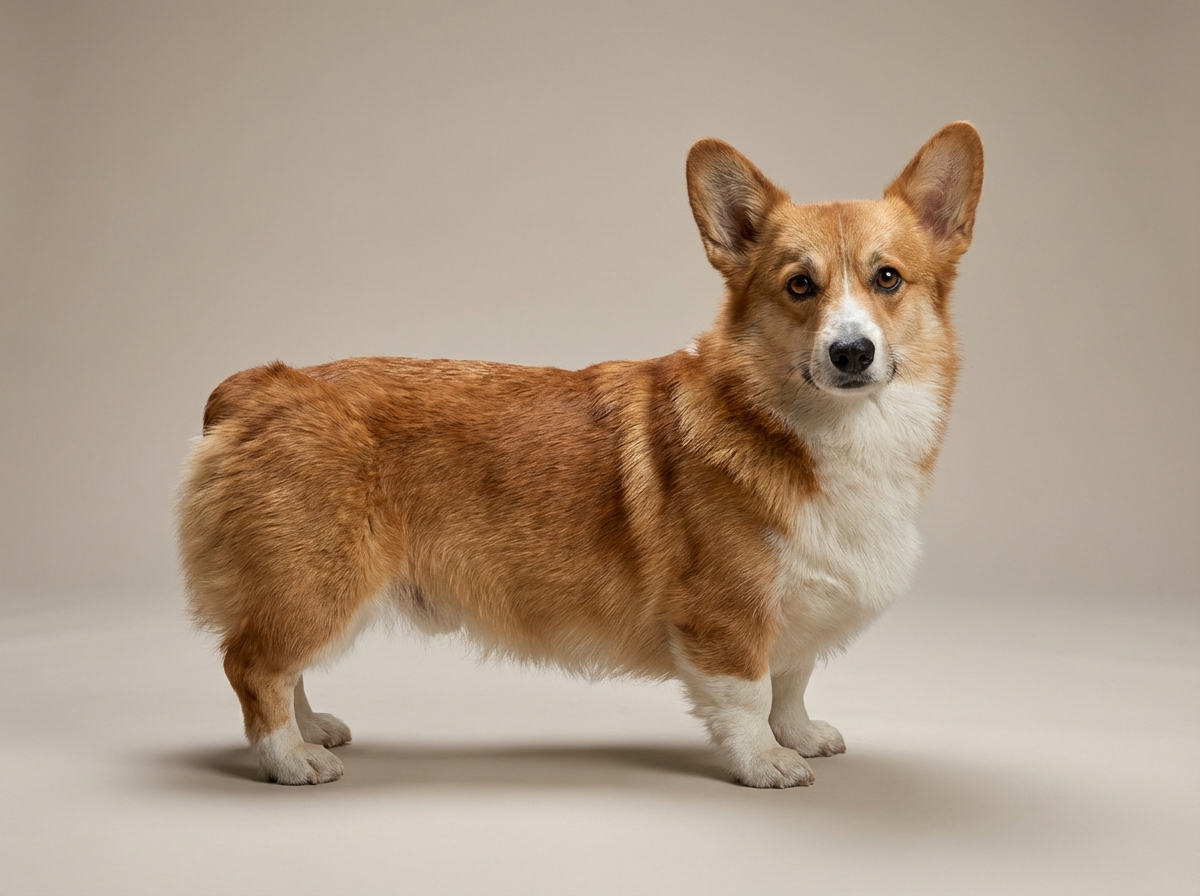
Pembroke Welsh Corgi schnauzer comedo syndrome is a skin condition that causes hair loss and blackheads on the skin, primarily affecting the back and sides. This condition can be particularly frustrating for Corgi owners, as it may lead to itching and discomfort for their pets. Regular grooming and skin care are essential to help manage this issue.
Schnauzer comedo syndrome is relatively common in Pembroke Welsh Corgis, especially as they age. Many owners notice symptoms by the time their dog reaches adulthood, making it important to be vigilant about their skin health.
Pembroke Welsh Corgis may be more prone to Schnauzer Comedo Syndrome due to their genetic makeup. This condition often affects breeds with certain skin types, which can lead to clogged hair follicles. Additionally, Corgis are known for their double coat, which can contribute to skin issues if not properly maintained.
Environmental factors can also play a role in this syndrome. Poor grooming habits can trap dirt and oils in the coat, leading to irritation. Dry air, allergens, or even diet can exacerbate skin problems, making it essential to monitor your Corgi's environment.
If home strategies do not improve your Corgi's condition, it's time to consult a vet. They can assess the severity of the Schnauzer Comedo Syndrome and recommend treatments or medications if necessary.
Avoiding these common mistakes can help improve your Pembroke Welsh Corgi's schnauzer comedo syndrome.
Start here: Pembroke Welsh Corgi Most Common Genetic Disorders
See all Pembroke Welsh Corgi health problems, which breeds are prone to schnauzer comedo syndrome, or the full Pembroke Welsh Corgi breed guide for temperament, exercise needs and ownership costs.
You may see improvements within a few weeks to a few months with consistent care and follow-up with your vet.
Success looks like your Pembroke Welsh Corgi showing fewer signs of discomfort, reduced skin lesions, and improved overall skin health.
Emily, a busy teacher in Seattle, noticed Max, her Pembroke Welsh Corgi, scratching and developing small bumps on his back. After researching, she discovered that Max had Schnauzer Comedo Syndrome. Realizing it needed attention, Emily implemented a regular grooming routine and consulted her vet for a skincare plan. With patience and commitment to his care, Max's skin improved significantly over the next two months, and he seemed much more comfortable.
Key takeaway: Sometimes, working through a dog's health issue requires a mix of consistent care and professional guidance, leading to happier pets and owners.
Schnauzer comedo syndrome is a skin condition that can affect Pembroke Welsh Corgis. It's often caused by a combination of genetics and environmental factors. If your Corgi has this issue, it's important to consult your vet for tailored advice.
To help manage schnauzer comedo syndrome, regular grooming is key. This includes bathing with appropriate shampoos and ensuring your Corgi's skin stays clean and moisturized. Additionally, consult your veterinarian for specific treatments that may help.
Signs of schnauzer comedo syndrome include blackheads, skin irritation, and excessive itching. You might also notice hair loss in affected areas. If you see these symptoms, a vet visit is recommended for a proper diagnosis.
While schnauzer comedo syndrome itself is not life-threatening, it can cause discomfort and lead to secondary infections. Prompt treatment can help prevent these complications. Always monitor your Corgi's skin health closely.
Treatment options for schnauzer comedo syndrome may include medicated shampoos, topical treatments, and dietary changes. Your vet will recommend the best course of action based on your Corgi's specific needs.
Yes, older Pembroke Welsh Corgis can develop schnauzer comedo syndrome. As dogs age, their skin may become less elastic and more prone to conditions like this. Regular vet check-ups can help monitor any skin changes.
To help your dog, keep their skin clean and well-moisturized. Regular baths with a gentle, hypoallergenic shampoo can also be beneficial. Additionally, your vet may recommend specific medications or treatments to manage the condition.
Schnauzer comedo syndrome is thought to have a genetic component, particularly in breeds like the Schnauzer. While Pembroke Welsh Corgis aren't the primary breed affected, some genetic predisposition may exist. Responsible breeding practices can help reduce these risks.
You should see a vet if your Pembroke Welsh Corgi shows persistent itching, hair loss, or skin lesions. If the skin appears infected or your dog seems to be in pain, don't wait. Early intervention can prevent more serious issues down the road.
Regular grooming and baths with a gentle, moisturizing shampoo can help. Keeping your Corgi's skin clean is essential to managing this condition.
While it can't be fully prevented, maintaining good hygiene and regular vet check-ups can reduce the risk of flare-ups.
Yes, schnauzer comedo syndrome is more common in Schnauzers and related breeds like the Pembroke Welsh Corgi. Genetics plays a significant role.
A one-page prep sheet for this condition: the signs, the questions to ask, what to get priced. Unlocks here.
You get: Vet visit prep sheet
No spam. One-click unsubscribe. See our privacy policy.
Preview page 1 before you decide.