Behavior
What are quick tips for managing elongated soft palate?
Keep your Corgi at a healthy weight to minimize breathing issues. Avoid hot weather and strenuous activities. Consult with your vet for tailored advice and potential treatments.

Quick answer
What are quick tips for managing elongated soft palate?
Keep your Corgi at a healthy weight to minimize breathing issues. Avoid hot weather and strenuous activities. Consult with your vet for tailored advice and potential treatments.
The Pembroke Welsh Corgi elongated soft palate can lead to serious breathing issues. This condition is common in short-nosed breeds and requires attention.
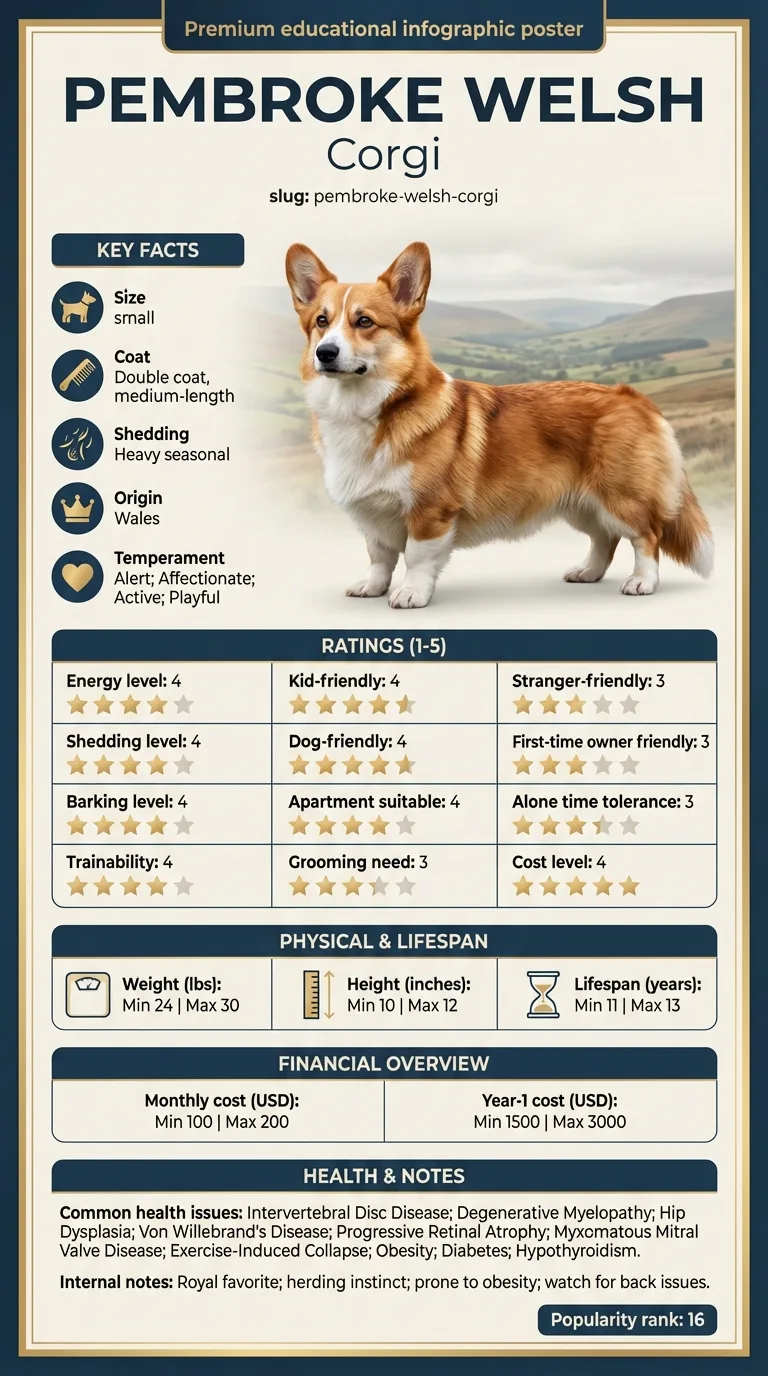
Owners who notice their Corgis struggling with breathing, especially during playtime or hot weather, often find themselves worried. This issue can affect both new and experienced Corgi owners, especially those living in warmer climates.
This guide is not medical advice. If your dog shows pain, sudden behavior change, or worsening symptoms, consult a licensed veterinarian.
Some links may be affiliate links. We may earn a commission at no extra cost to you. We only suggest products we believe are helpful for dog owners.
We research and check what we publish, but we do not warrant that any figure, date, price, or statement is accurate, complete, or current, and we accept no liability for any loss, cost, injury, or other harm arising from the use of this site. Use it as one reference among several. You remain responsible for your own decisions and for your dog's care - confirm anything that matters with a licensed veterinarian or another qualified professional before you act on it. Full disclaimer.
Check this first
Recognizing when your Pembroke Welsh Corgi's elongated soft palate is an emergency can save their life. If your Corgi is having difficulty breathing, is blue in the gums, or collapses, these are clear signs to call your vet immediately. Other urgent symptoms include excessive panting, coughing, or signs of distress, which indicate that their airway may be severely obstructed.
If any of these apply, call your vet or an emergency clinic now. The rest of this page is for the cases that are not an emergency.
The Pembroke Welsh Corgi elongated soft palate is a common issue that can lead to breathing difficulties. This condition occurs when the soft palate is longer than normal, causing obstruction in the airway. Daily life for a Corgi with this problem may include loud snoring, coughing, or even gagging, especially during exercise or excitement.
Elongated soft palate is relatively common in Pembroke Welsh Corgis due to their unique anatomy. Many Corgis experience this issue to some degree, especially as they age or if they are overweight.
Pembroke Welsh Corgis have short muzzles, which can lead to an elongated soft palate. This condition can cause breathing difficulties, especially during exercise or in hot weather. Their genetic predisposition makes them more susceptible to this issue than some other breeds.
Environmental factors like obesity and lack of exercise can exacerbate issues with an elongated soft palate. Stressful situations or poor air quality may also worsen breathing problems. It's essential to monitor how these factors affect your Corgi's comfort and health.
If your Corgi shows persistent coughing, wheezing, or difficulty breathing, it's time to talk to your vet. They can assess the severity of the elongated soft palate and recommend treatment options like surgery if necessary.
Avoiding these common mistakes can help manage your Pembroke Welsh Corgi's elongated soft palate effectively.
Start here: Pembroke Welsh Corgi Most Common Genetic Disorders
See all Pembroke Welsh Corgi health problems, which breeds are prone to elongated soft palate, or the full Pembroke Welsh Corgi breed guide for temperament, exercise needs and ownership costs.
Improvement can often be seen within a few weeks of consistent care and management, but it may take several months to fully address issues related to an elongated soft palate.
Success means your Pembroke Welsh Corgi breathes more easily, shows less anxiety when exercising, and can participate in activities without excessive panting or coughing.
If your Corgi is snoring or occasionally gagging but is otherwise active and eating well, you can likely monitor the situation. Observe them for any worsening symptoms or changes in behavior. Keeping a close eye on their breathing during play or sleep can provide helpful insights into their comfort levels.

Sarah, a busy nurse in Seattle, adopted Bella, a Pembroke Welsh Corgi. Shortly after bringing her home, Sarah noticed Bella had difficulty breathing, especially during playtime. After some research, she learned about the elongated soft palate issue. With guidance from her vet, Sarah implemented gradual exercise routines and focused on training Bella to stay calm. By the end of three months, Bella was able to enjoy her walks and playdates without excessive panting or distress.
Key takeaway: Understanding your dog's needs and being patient with training can lead to significant improvements in health and happiness.
Pembroke Welsh Corgi elongated soft palate is a condition where the soft palate is too long, causing airway obstruction. This can lead to breathing difficulties, especially during exercise or hot weather. It's essential to monitor your Corgi for signs of struggling to breathe.
If your Corgi has this condition, it's important to avoid strenuous exercise and monitor for overheating. Consult your vet about potential surgeries or treatments that can alleviate symptoms. Training your dog to respond to commands calmly can also help.
Yes, treatment options include surgical procedures that shorten the soft palate and improve airflow. Your vet can recommend the best approach based on your Corgi's specific needs. Regular follow-ups are necessary to ensure your dog's health post-treatment.
Signs include snorting, gagging, or difficulty breathing, especially during exercise. You might also notice noisy breathing or excessive panting. If you observe these symptoms, contact your vet promptly for an evaluation.
Signs of an elongated soft palate in your Pembroke Welsh Corgi may include noisy breathing, gagging, and difficulty eating or drinking. If your Corgi shows these symptoms, it's important to consult your veterinarian for a proper diagnosis.
If your older Pembroke Welsh Corgi is experiencing breathing difficulties, you should seek veterinary help right away. Older dogs may have a higher risk of complications, so prompt treatment is essential to ensure their comfort and health.
While training can improve certain behaviors, it won't fix physical issues like an elongated soft palate. However, working with a trainer on anxiety or stress-related behaviors can help your Corgi cope better if they have difficulty breathing.
Long-term effects of an elongated soft palate can include chronic respiratory issues and a higher risk of heat exhaustion. Regular veterinary check-ups and attention to symptoms are key to managing your dog's health over time.
Surgery may be recommended for Pembroke Welsh Corgis with a significantly elongated soft palate causing severe breathing issues. Your vet can guide you on the best course of action based on your dog's specific condition and symptoms.
Keep your Corgi at a healthy weight to minimize breathing issues. Avoid hot weather and strenuous activities. Consult with your vet for tailored advice and potential treatments.
Focus on calm commands and gentle training methods. This can help reduce anxiety and improve breathing during training sessions. Always keep sessions short and positive.
Look for snorting, wheezing, or excessive panting. If your Corgi struggles to breathe, especially after exercise, it’s important to see a vet immediately.
Treatment costs can vary widely, typically ranging from $500 to $3,000 depending on the procedure. Always discuss costs with your vet ahead of time.
A one-page prep sheet for this condition: the signs, the questions to ask, what to get priced. Unlocks here.
You get: Vet visit prep sheet
No spam. One-click unsubscribe. See our privacy policy.
See a sample page before you decide.
Early access list
The free prep sheet covers the same-day warning signs, a symptom log and the questions to ask. We are considering a fuller kit that adds a cost worksheet for the usual tests and treatments (US price ranges with their sources) and a plain-English guide to ways of covering the bill. It is not built yet; this list tells us whether it is worth building.
One email, no spam, unsubscribe anytime. Information only, not veterinary advice.