Miniature Schnauzer Progressive Retinal Atrophy (PRA): What You Need to Know
Quick answer
What are quick tips for managing Miniature Schnauzer PRA?
Keep their environment familiar and safe by minimizing obstacles. Use verbal cues and consistent routines to help them navigate. Regular vet check-ups are crucial for monitoring their condition.
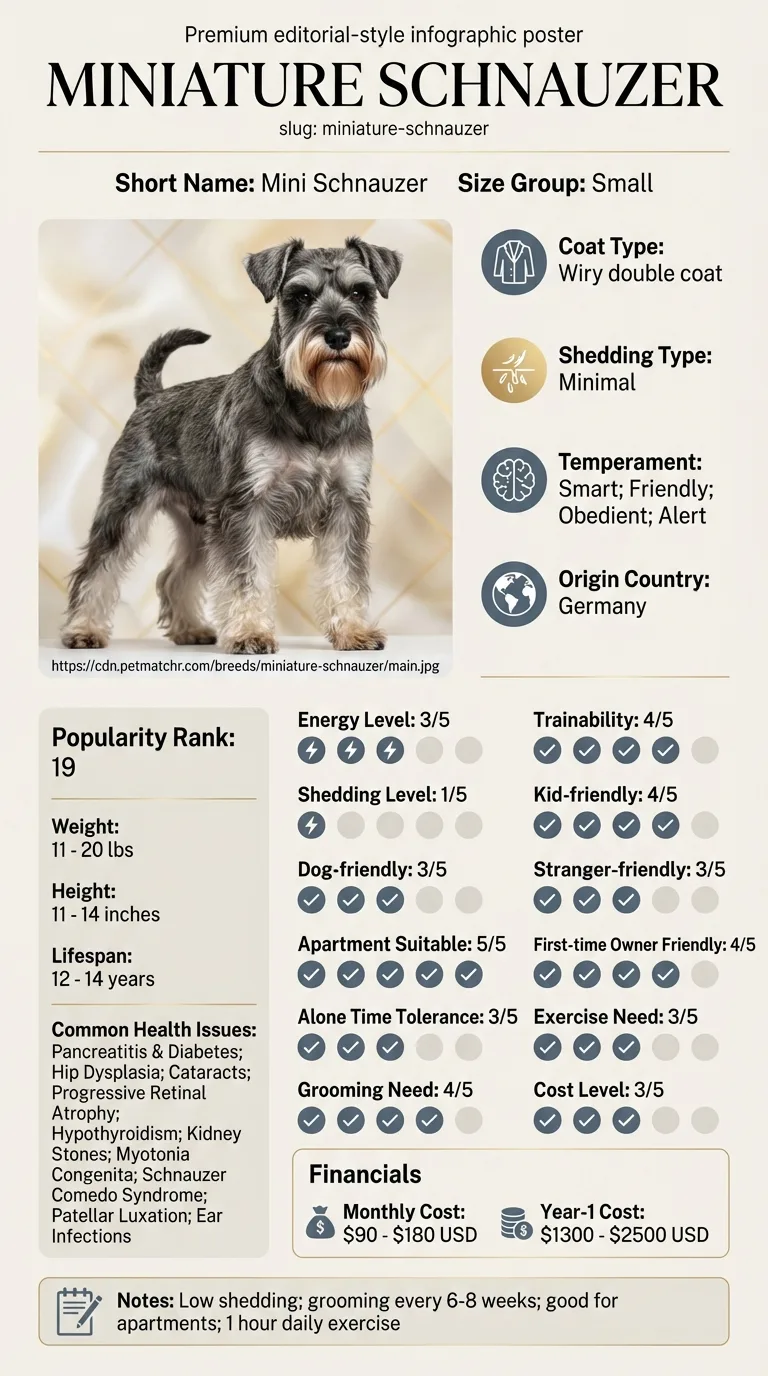
Miniature Schnauzer progressive retinal atrophy (PRA) is a serious eye condition that leads to gradual vision loss.
Owners of Miniature Schnauzers often face this challenge, especially as their dogs age. Many are concerned about how to help their pets adjust and how to manage their day-to-day lives.
Important reminder
This guide is not medical advice. If your dog shows pain, sudden behavior change, or worsening symptoms, consult a licensed veterinarian.
Some links may be affiliate links. We may earn a commission at no extra cost to you. We only suggest products we believe are helpful for dog owners.
We research and check what we publish, but we do not warrant that any figure, date, price, or statement is accurate, complete, or current, and we accept no liability for any loss, cost, injury, or other harm arising from the use of this site. Use it as one reference among several. You remain responsible for your own decisions and for your dog's care - confirm anything that matters with a licensed veterinarian or another qualified professional before you act on it. Full disclaimer.
Check this first
When Miniature Schnauzer Progressive Retinal Atrophy (PRA) is an Emergency
Call your vet immediately if you notice any of the following red-flag signs:
- Sudden changes in behavior, such as increased anxiety or disorientation.
- Your dog seems to be bumping into objects or has difficulty navigating familiar spaces.
- Signs of pain, such as whining or sensitivity around the eyes.
These symptoms may indicate that your dog's condition is worsening or that complications are arising. In these cases, prompt veterinary attention is essential.
On the other hand, if your Miniature Schnauzer is showing mild symptoms, such as slight hesitation in jumping or occasional bumping, you may opt to monitor them at home. Create a plan that includes:
- Regular check-ins on their behavior and mobility.
- Keeping their environment safe by removing obstacles.
- Gradually introducing low-stress activities to help them adapt.
Always remember that your vet is the best source of guidance, especially if you’re unsure. Keeping track of any changes and staying in touch with your vet will help ensure your Miniature Schnauzer's health is prioritized.
If any of these apply, call your vet or an emergency clinic now. The rest of this page is for the cases that are not an emergency.
What this problem looks like
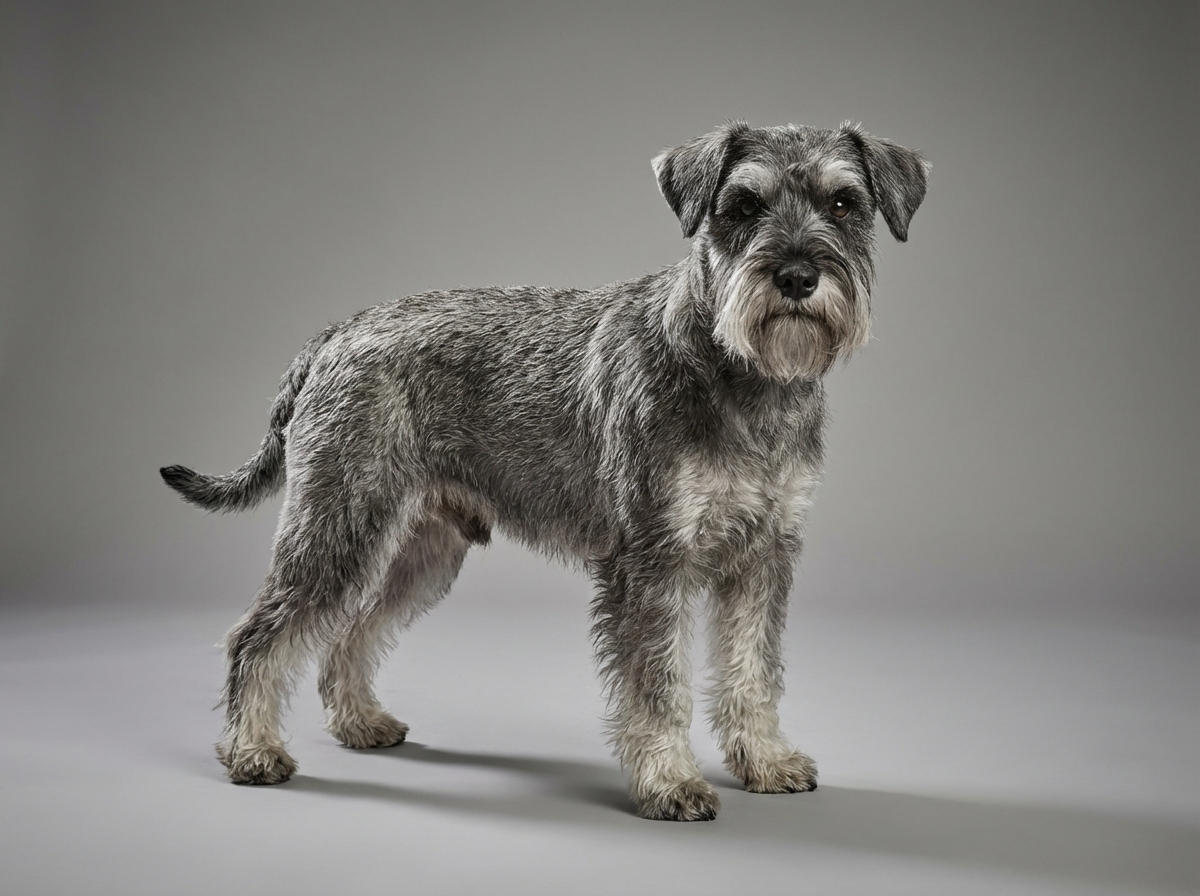
Miniature Schnauzer progressive retinal atrophy (PRA) is a genetic condition leading to gradual vision loss. Owners often notice their Mini Schnauzer becoming more cautious in unfamiliar environments or struggling to navigate obstacles. This can be especially concerning as the dog ages, impacting their quality of life.
Common triggers
Genetics and hereditary factors
Aging process
Environmental changes or stressors
Progressive retinal atrophy is relatively common in Miniature Schnauzers, with studies suggesting that up to 20% of this breed may be affected. Awareness and early detection can help manage the condition effectively.
Why this happens
Breed factors
Miniature Schnauzers are prone to genetic issues like Progressive Retinal Atrophy (PRA). This condition results from inherited factors that cause gradual deterioration of the retina, leading to vision loss. Since it's genetic, some Mini Schnauzers may develop PRA as they age.
Environment factors
While PRA is primarily genetic, environmental factors can exacerbate vision issues. Poor lighting, lack of mental stimulation, and not providing enough safe spaces for your dog can impact their ability to adjust to vision loss. Keeping their environment consistent can help them navigate better.
What you can do at home (once it is not an emergency)
When to talk to your vet
If you suspect your dog has PRA or if you notice sudden changes in their vision, talk to your vet. They can provide a proper diagnosis and discuss potential management options, including any necessary treatments.
At home, alongside your vet's plan
Create a safe space at home by removing obstacles and providing clear pathways for your Miniature Schnauzer. Use rugs or mats to help them recognize different areas.
Establish a consistent routine for feeding and walks to help your dog anticipate activities. Consistency can help them cope with vision challenges.
Engage them in scent work or other nose-based activities to stimulate their mind and enhance their confidence in navigating their environment.
Mistakes that make Progressive Retinal Atrophy (PRA) worse
Avoid these common mistakes to help manage Miniature Schnauzer progressive retinal atrophy (PRA) more effectively.
Ignoring early signs of vision loss: Many owners overlook subtle changes in their dog's behavior. Regular check-ups can help catch issues early.
Not providing a consistent environment: Frequent changes in layout can confuse your Mini Schnauzer. Keep furniture and paths consistent to help them navigate safely.
Neglecting mental stimulation: A lack of mental engagement can worsen anxiety related to vision loss. Use puzzle toys and scent games to keep their mind active.
Failing to use clear commands: If commands are inconsistent or unclear, your dog may struggle to respond. Use simple, consistent cues to guide them.
Overprotecting your dog: While it’s natural to want to shield your dog from harm, this can hinder their confidence. Allow them to explore in a safe space to build their independence.
Not adjusting exercise routines: Sticking to old exercise habits can be risky. Tailor activities to their comfort level and visual capabilities.
Avoiding professional help: Some owners hesitate to seek training or behavioral assistance. Consulting a trainer experienced with vision-impaired dogs can provide valuable strategies.
Managing Miniature Schnauzer progressive retinal atrophy (PRA) is an ongoing process. Expect to see gradual changes in your dog's vision over several months to years, depending on the severity.
Success means adapting your dog's environment to ensure safety and comfort, while maintaining their quality of life. Your Schnauzer should be able to navigate familiar spaces with minimal assistance.
Helping Bella Adapt to PRA
When Sarah, a busy nurse from Seattle, noticed her Miniature Schnauzer, Bella, bumping into furniture, she became concerned. After a vet visit, Bella was diagnosed with progressive retinal atrophy (PRA). Instead of feeling defeated, Sarah learned to modify her home by removing obstacles and using scent trails to guide Bella. With time, Bella adjusted and regained her confidence, happily navigating their familiar spaces again.
Key takeaway: Adapting your dog's environment can significantly improve their quality of life when dealing with progressive retinal atrophy (PRA).
Frequently asked questions
Why does my Miniature Schnauzer have progressive retinal atrophy (PRA)?
PRA is inherited, which means your Miniature Schnauzer may have received the gene from one or both parents. It's important to understand that this condition is not caused by environmental factors or poor care. Regular vet check-ups can help identify the condition early.
How can I help my Miniature Schnauzer cope with PRA?
To help your Miniature Schnauzer cope with PRA, create a consistent and safe environment. Use the same pathways and furniture arrangements to help them navigate easily. Gradually introducing them to new spaces can also assist in reducing anxiety.
Is there treatment for Miniature Schnauzer progressive retinal atrophy (PRA)?
Currently, there is no cure for PRA. Management focuses on ensuring your dog's safety and comfort as their vision declines. Speak to your vet about potential treatments that can help improve their quality of life.
What signs should I watch for in my Miniature Schnauzer with PRA?
Watch for signs such as bumping into objects, difficulty navigating stairs, and increased anxiety in new environments. If you notice these behaviors, consult your vet for a thorough evaluation. Early intervention can help manage their condition better.
Can I train my Miniature Schnauzer with PRA?
Yes, you can still train your Miniature Schnauzer with PRA. Focus on verbal commands and tactile cues to guide them. Positive reinforcement is key, as it helps them feel secure and encourages learning despite vision loss.
What are the early signs of Miniature Schnauzer progressive retinal atrophy (PRA)?
Early signs of Miniature Schnauzer progressive retinal atrophy (PRA) can include difficulty navigating in low light, increased bumping into objects, or seeming disoriented. These signs may be subtle at first, so it's important to monitor your dog's behavior closely.
Can Miniature Schnauzers with PRA still lead a fulfilling life?
Yes, Miniature Schnauzers with progressive retinal atrophy (PRA) can still lead fulfilling lives. Many dogs adapt to their vision loss by relying on their other senses, and with some adjustments at home, they can continue to enjoy their daily activities, like walks and playtime.
How does PRA affect older Miniature Schnauzers differently?
In older Miniature Schnauzers, progressive retinal atrophy (PRA) may progress more quickly or lead to additional health issues. Regular vet check-ups are essential to monitor their overall health and address any new concerns as they age.
When should I seek veterinary help for my Miniature Schnauzer with PRA?
You should consult your vet if you notice significant changes in your Miniature Schnauzer's behavior, such as increased bumping into things or difficulty finding familiar locations. Early intervention can help manage their quality of life.
Is there a specific diet that can help Miniature Schnauzers with PRA?
While no specific diet can cure progressive retinal atrophy (PRA), a balanced diet rich in antioxidants may support overall eye health. Always consult with your vet before making any dietary changes to ensure they meet your dog’s specific needs.
What are quick tips for managing Miniature Schnauzer PRA?
Keep their environment familiar and safe by minimizing obstacles. Use verbal cues and consistent routines to help them navigate. Regular vet check-ups are crucial for monitoring their condition.
Living
How can I support my Miniature Schnauzer emotionally with PRA?
Provide plenty of love and reassurance. Spend quality time with them to maintain their confidence and reduce anxiety. Engaging in gentle play can also help keep their spirits up.
Living
What should I avoid with a Miniature Schnauzer with PRA?
Avoid sudden changes in their environment, as this can increase anxiety. Don't leave them in unfamiliar places without supervision, as they may struggle to navigate. Also, avoid physical activities that could lead to injury.
A fuller vet-visit kit for Miniature Schnauzer Progressive Retinal Atrophy PRA
The free prep sheet covers the same-day warning signs, a symptom log and the questions to ask. We are considering a fuller kit that adds a cost worksheet for the usual tests and treatments (US price ranges with their sources) and a plain-English guide to ways of covering the bill. It is not built yet; this list tells us whether it is worth building.
One email, no spam, unsubscribe anytime. Information only, not veterinary advice.