Behavior
What are quick tips for Maltese patellar luxation?
Keep your Maltese at a healthy weight, engage in low-impact exercises, and avoid steep stairs. Regular vet check-ups are key to managing this condition.
Quick answer
What are quick tips for Maltese patellar luxation?
Keep your Maltese at a healthy weight, engage in low-impact exercises, and avoid steep stairs. Regular vet check-ups are key to managing this condition.
Maltese patellar luxation is a common issue where the kneecap dislocates, causing discomfort and mobility problems.
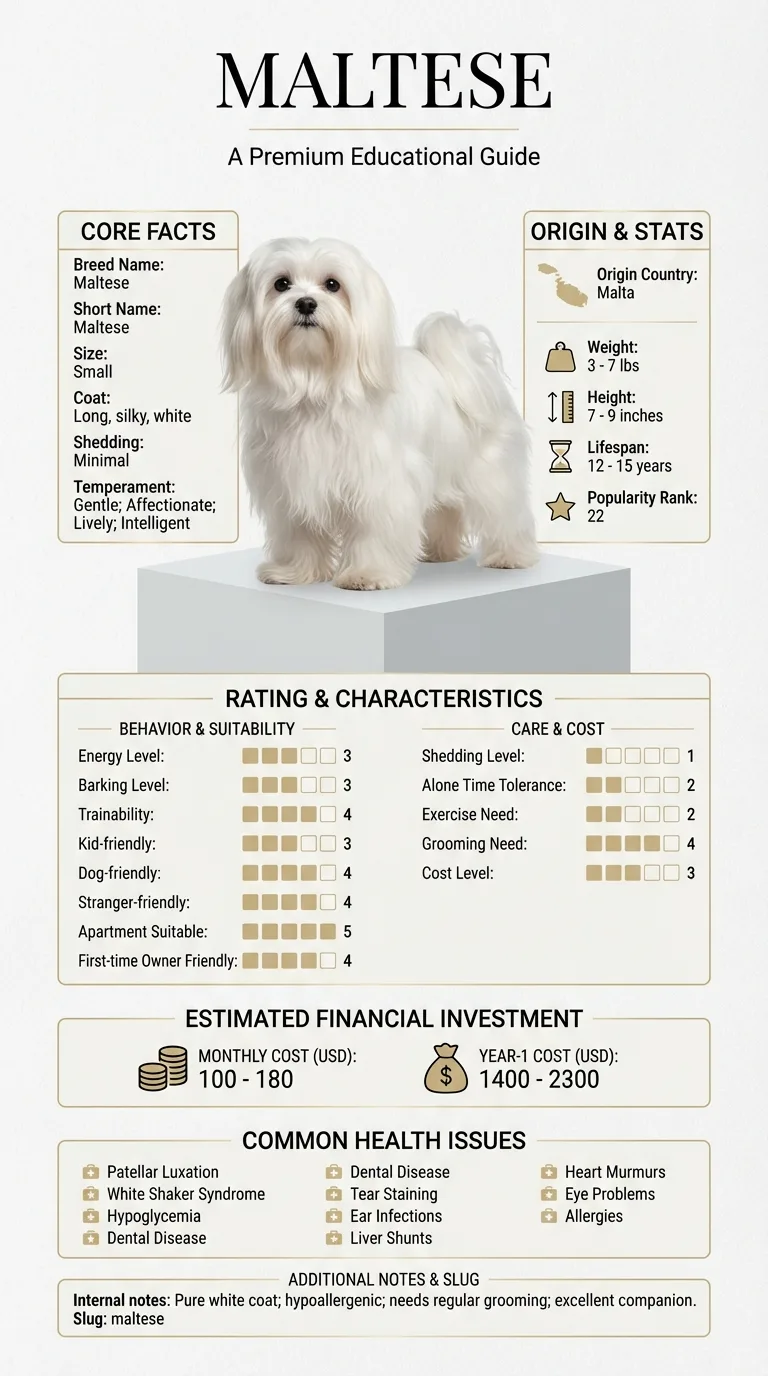
Typically, owners of Maltese dogs, especially those with active lifestyles or who live in small spaces, encounter this problem. First-time dog owners may also find it challenging to recognize the signs and symptoms of patellar luxation.
This guide is not medical advice. If your dog shows pain, sudden behavior change, or worsening symptoms, consult a licensed veterinarian.
Some links may be affiliate links. We may earn a commission at no extra cost to you. We only suggest products we believe are helpful for dog owners.
Maltese patellar luxation is a common knee issue where the kneecap dislocates from its normal position. This often leads to limping or skipping while walking. You might notice your Maltese avoiding certain movements, which can be distressing for both you and your furry friend.
Patellar luxation is relatively common in Maltese dogs, affecting about 20% of this breed. Many owners might not even notice the issue until it becomes severe, making awareness and regular check-ups essential.
Maltese dogs are small and delicate, making them prone to patellar luxation. Their conformation can lead to a shallow groove in the femur, which increases the risk of dislocating the kneecap. Additionally, their genetic makeup can predispose them to this condition.
Environmental factors can also contribute to patellar luxation in Maltese dogs. Excessive weight can place added stress on their knees, leading to dislocation. Furthermore, slippery floors and sudden movements can cause injuries or exacerbate existing issues.
If your Maltese shows signs of anxiety or difficulty adapting to changes, a professional trainer can help. They can provide guidance on behavioral training and reinforce positive habits that minimize stress on their knees.
You should consult a vet if your Maltese frequently limps, cries in pain, or has trouble walking. A vet can evaluate the severity of the patellar luxation and recommend treatments, including possible surgery if necessary.
Start here: Maltese Most Common Genetic Disorders: What to Screen For
See all Maltese health problems, which breeds are prone to patellar luxation, or the full Maltese breed guide for temperament, exercise needs and ownership costs.
Addressing Maltese patellar luxation generally takes 3 to 6 months. This includes initial veterinary assessments, potential surgical options, and ongoing rehabilitation.
Success means your Maltese experiences less pain and improved mobility. You'll see them running, playing, and enjoying life without the limping or discomfort that comes with patellar luxation.
Avoiding common mistakes can help improve your Maltese's patellar luxation. Here are some behaviors to watch out for:
Identifying when your Maltese's patellar luxation is an emergency is crucial for their health. Some signs require immediate veterinary attention, while others can be monitored at home. Understanding these differences can help you act quickly and effectively.
**Call Your Vet Now:** If your Maltese shows severe limping, prolonged inability to walk, or signs of intense pain (such as yelping or whimpering), these are red flags. Additionally, if you notice swelling around the knee, a noticeable deformity, or if they seem lethargic and unresponsive, contact your vet immediately. These symptoms may indicate a serious injury or worsening condition.
**Mild Cases to Monitor:** If your Maltese occasionally limps but can still walk and play, it may be a minor issue. If they seem to be in moderate discomfort but still show interest in activities, you can monitor them at home. You can create a plan that includes gentle exercise and regular check-ins on their condition. Keeping an eye on their behavior is essential. If the limping persists or worsens, consult your veterinarian for further guidance.

When Sarah adopted her Maltese, Maggie, she noticed her limping occasionally. After a vet visit, Sarah learned Maggie had patellar luxation. They started with physical therapy and learned exercises to strengthen Maggie’s legs. Sarah committed to daily routines and gradually, Maggie’s limping reduced significantly. With patience and care, Maggie was able to run around the park joyfully, bringing a smile to Sarah's face.
Key takeaway: Early intervention and consistent care can lead to significant improvements in a Maltese with patellar luxation.
Signs of Maltese patellar luxation include limping, skipping, or suddenly lifting one leg while walking. You might also notice your dog favoring one leg or having difficulty standing up after resting. If these symptoms are persistent, it's essential to consult your vet for a proper diagnosis.
To manage Maltese patellar luxation, ensure your dog maintains a healthy weight and get regular exercise. Strengthening exercises can help support the knee. Consult your vet for a tailored training plan that may include physical therapy.
Signs of Maltese patellar luxation include limping, difficulty climbing stairs, or an unusual gait. You might also notice your dog holding up a leg after activity. If these symptoms persist, consult your veterinarian for an evaluation.
Surgery may be required for severe cases of Maltese patellar luxation, particularly if your dog experiences frequent dislocations or significant pain. Your vet will assess the severity and recommend the best treatment plan, which may include non-surgical options as well.
Yes, Maltese patellar luxation training can help by strengthening the muscles around the knee. Focus on low-impact activities and gradual increases in exercise. Consult a professional trainer or vet for specific exercises suitable for your dog.
Yes, patellar luxation can worsen as your Maltese ages, especially if it isn't treated promptly. Older dogs may develop arthritis or other joint issues, which can lead to increased pain and mobility challenges. Regular vet check-ups can help monitor your dog's condition.
To assist your Maltese at home, ensure a safe environment by removing slippery surfaces and providing soft bedding. Gentle exercises can help strengthen the muscles around the knee. Additionally, maintain a healthy weight to reduce stress on the joints.
If your Maltese suddenly yelps in pain, it's important to stay calm and assess the situation. Check if they are favoring a leg or if there's visible swelling. If the pain persists or worsens, contact your vet immediately for guidance and potential examination.
Keep your Maltese at a healthy weight, engage in low-impact exercises, and avoid steep stairs. Regular vet check-ups are key to managing this condition.
Aim for short, daily walks or play sessions to keep your Maltese active without overdoing it. Consistency is important, but avoid high-impact activities.
Treatment costs can vary widely, ranging from $100 to $1,500, depending on the treatment type. Regular vet visits and potential surgery can significantly affect your budget.
Watch for signs like limping, whining, or reluctance to play. If your Maltese shows these signs, a vet visit is crucial.
Some owners find that glucosamine or omega-3 fatty acids can benefit joint health. Always consult your vet before starting any supplements.