Behavior
What are quick tips for managing Maltese degenerative myelopathy (DM)?
Keep your Maltese active with gentle exercises, maintain a healthy diet, and consider using mobility aids. Regular vet visits are essential for monitoring health.

Quick answer
What are quick tips for managing Maltese degenerative myelopathy (DM)?
Keep your Maltese active with gentle exercises, maintain a healthy diet, and consider using mobility aids. Regular vet visits are essential for monitoring health.
Maltese degenerative myelopathy (DM) is a progressive spinal cord disease that can severely affect your dog's mobility and quality of life.
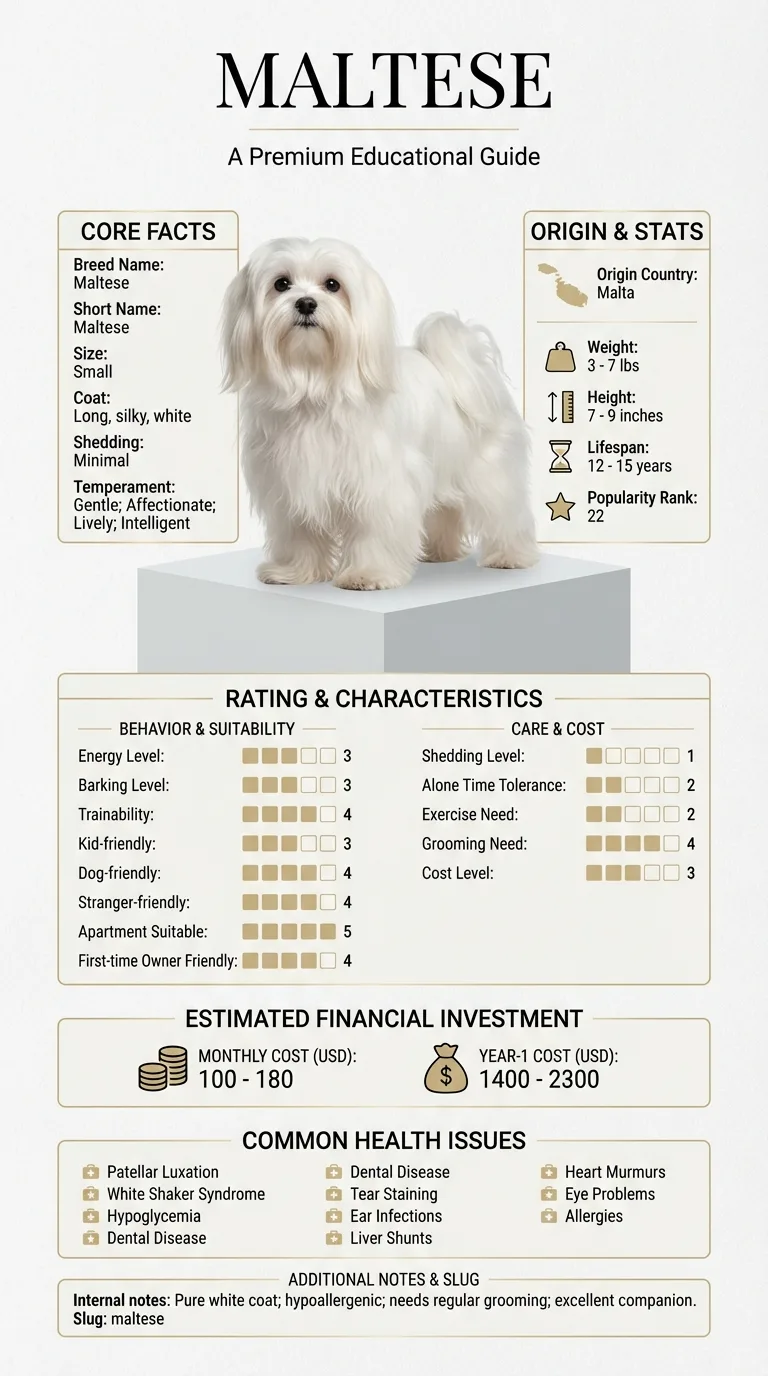
This issue commonly affects Maltese owners who are unprepared for the emotional and physical challenges that come with managing a degenerative condition. First-time dog owners or those with busy lifestyles may find it particularly overwhelming.
This guide is not medical advice. If your dog shows pain, sudden behavior change, or worsening symptoms, consult a licensed veterinarian.
Some links may be affiliate links. We may earn a commission at no extra cost to you. We only suggest products we believe are helpful for dog owners.
We research and check what we publish, but we do not warrant that any figure, date, price, or statement is accurate, complete, or current, and we accept no liability for any loss, cost, injury, or other harm arising from the use of this site. Use it as one reference among several. You remain responsible for your own decisions and for your dog's care - confirm anything that matters with a licensed veterinarian or another qualified professional before you act on it. Full disclaimer.
Check this first
Recognizing when Maltese degenerative myelopathy (DM) is an emergency is crucial for your dog’s health. If your Maltese shows sudden weakness in their hind legs, struggles to walk, or exhibits signs of extreme discomfort, these are red flags. Other urgent signs include loss of bladder or bowel control and visible pain when touched. In these cases, you should call your vet immediately.
On the other hand, if your Maltese is experiencing mild symptoms, such as occasional stumbling or slight hind leg weakness, it may not require an immediate vet visit. You can monitor these symptoms at home while maintaining a regular vet check-up schedule. Keeping track of any changes, such as increased difficulty in mobility or changes in behavior, is essential. Have a plan to discuss these observations with your vet to ensure ongoing care.
It’s important to trust your instincts as a pet owner. If you feel something is off, it’s always better to err on the side of caution. Early intervention can make a significant difference in your Maltese’s quality of life.
If any of these apply, call your vet or an emergency clinic now. The rest of this page is for the cases that are not an emergency.
Maltese degenerative myelopathy (DM) is a progressive spinal cord disease affecting the nervous system. Day-to-day, you might notice your Maltese struggling to walk, having difficulty rising, or showing signs of weakness in their back legs. This can lead to frustrating situations for both you and your furry friend, as mobility issues gradually worsen over time.
Degenerative myelopathy (DM) is relatively rare in Maltese dogs compared to other breeds. However, when it does occur, it can significantly impact the dog's quality of life and the owner's ability to provide care.
Maltese degenerative myelopathy (DM) is often linked to genetic factors. This condition is more common in certain breeds, including the Maltese. Being a small breed, their spinal structure may be more susceptible to this progressive disease.
Environmental factors can also play a role. Lack of exercise or obesity may exacerbate symptoms, as a healthy weight and regular activity support overall spine health. Stressful situations, like frequent changes in routine, can worsen anxiety and impact the dog's condition.
Consult your vet if you notice any changes in mobility, behavior, or general health. Early intervention can help manage symptoms more effectively. Additionally, discuss any concerns about weight or diet to ensure your Maltese stays healthy.
Avoiding common mistakes can help manage Maltese degenerative myelopathy (DM) more effectively. Here are some behaviors to watch out for and safer alternatives.
Start here: Maltese Most Common Genetic Disorders: What to Screen For
See all Maltese health problems, which breeds are prone to degenerative myelopathy dm, or the full Maltese breed guide for temperament, exercise needs and ownership costs.
Managing Maltese degenerative myelopathy (DM) typically takes months to years. Early detection and consistent care can slow progression, but the condition is progressive and may require ongoing adjustments.
Success means maintaining your dog's quality of life as long as possible. This includes providing physical support, managing symptoms effectively, and ensuring they remain comfortable and engaged.
Samantha, a busy nurse in Chicago, noticed her Maltese, Bella, was struggling to walk. After a vet visit, she learned Bella had degenerative myelopathy (DM). Initially overwhelmed, Samantha committed to a daily routine of physical therapy and modified Bella's diet to support her health. With patience and the right tools, Bella adapted to her condition, using a harness for support. Samantha found joy in their new routine, which included gentle exercises and more cuddle time. Over time, Bella became more comfortable, and Samantha felt empowered by the progress they made together.
Key takeaway: Consistency is key when managing Maltese degenerative myelopathy (DM). With the right care and support, you can enhance your dog's quality of life even in challenging circumstances.
The exact cause of Maltese degenerative myelopathy (DM) isn't fully understood, but it is believed to be genetic. Age is also a significant factor, as DM is more common in older dogs. If you notice signs, consulting your vet is crucial for a proper diagnosis.
To help your Maltese, focus on maintaining a healthy weight, providing a supportive environment, and engaging in low-impact exercises. Physiotherapy and mobility aids like harnesses can also assist. Regular vet check-ups are essential for monitoring the condition.
Training a Maltese with DM should focus on positive reinforcement and gentle commands. Use short training sessions to keep your dog engaged without overwhelming them. Consider working on mental stimulation exercises as well.
Signs of worsening DM in your Maltese may include increased difficulty in walking, frequent falls, or an inability to stand. If you notice these changes, contact your vet immediately for guidance on the best next steps.
Currently, there is no cure for Maltese degenerative myelopathy (DM). Management focuses on improving quality of life through supportive care, physical therapy, and regular vet visits. Early intervention can help slow the progression.
Early signs of Maltese degenerative myelopathy (DM) include difficulty balancing, trouble climbing stairs, and a noticeable decrease in physical activity. You might also notice weakness in the hind legs, which can progress to dragging their paws. If you observe these symptoms, consult your vet as soon as possible.
To help your Maltese manage degenerative myelopathy (DM), focus on providing a safe environment, avoiding slippery floors, and using ramps for easier access to furniture. Regular, gentle exercise can help maintain muscle tone, but be cautious not to overdo it. Consult your vet for a tailored plan that suits your dog's needs.
Currently, there is no cure for Maltese degenerative myelopathy (DM), but some treatments may help manage symptoms. Physical therapy and mobility aids, like harnesses or slings, can improve your dog's quality of life. Always discuss treatment options with your veterinarian to find the best approach for your pet.
Yes, older Maltese can develop degenerative myelopathy (DM), typically between the ages of 8 and 14. This progressive disease affects their spinal cord and can lead to mobility issues. Regular vet check-ups are essential to monitor their health and detect any signs early.
Maltese degenerative myelopathy (DM) specifically affects the spinal cord and causes progressive paralysis, unlike other conditions that may cause temporary weakness or pain. Conditions like arthritis or hip dysplasia involve joint issues rather than nerve degradation. Understanding the differences can help in seeking the right treatment.
Keep your Maltese active with gentle exercises, maintain a healthy diet, and consider using mobility aids. Regular vet visits are essential for monitoring health.
Use positive reinforcement and keep training sessions short and engaging. Focus on mental exercises to stimulate your Maltese without physical strain.
Choose a vet who has experience with degenerative conditions and can provide supportive care options. They should be responsive and understanding of your dog's needs.
While there's no specific diet for DM, a balanced diet that maintains a healthy weight is important. Consult your vet for tailored dietary recommendations.
A one-page prep sheet for this condition: the signs, the questions to ask, what to get priced. Unlocks here.
You get: Vet visit prep sheet
No spam. One-click unsubscribe. See our privacy policy.
Preview page 1 before you decide.