DogBreedCompass
← Back to breed profile

Maltese Corneal Dystrophy: Understanding the Condition

Maltese corneal dystrophy is a condition that causes cloudiness in the eyes, affecting your dog's vision and comfort.

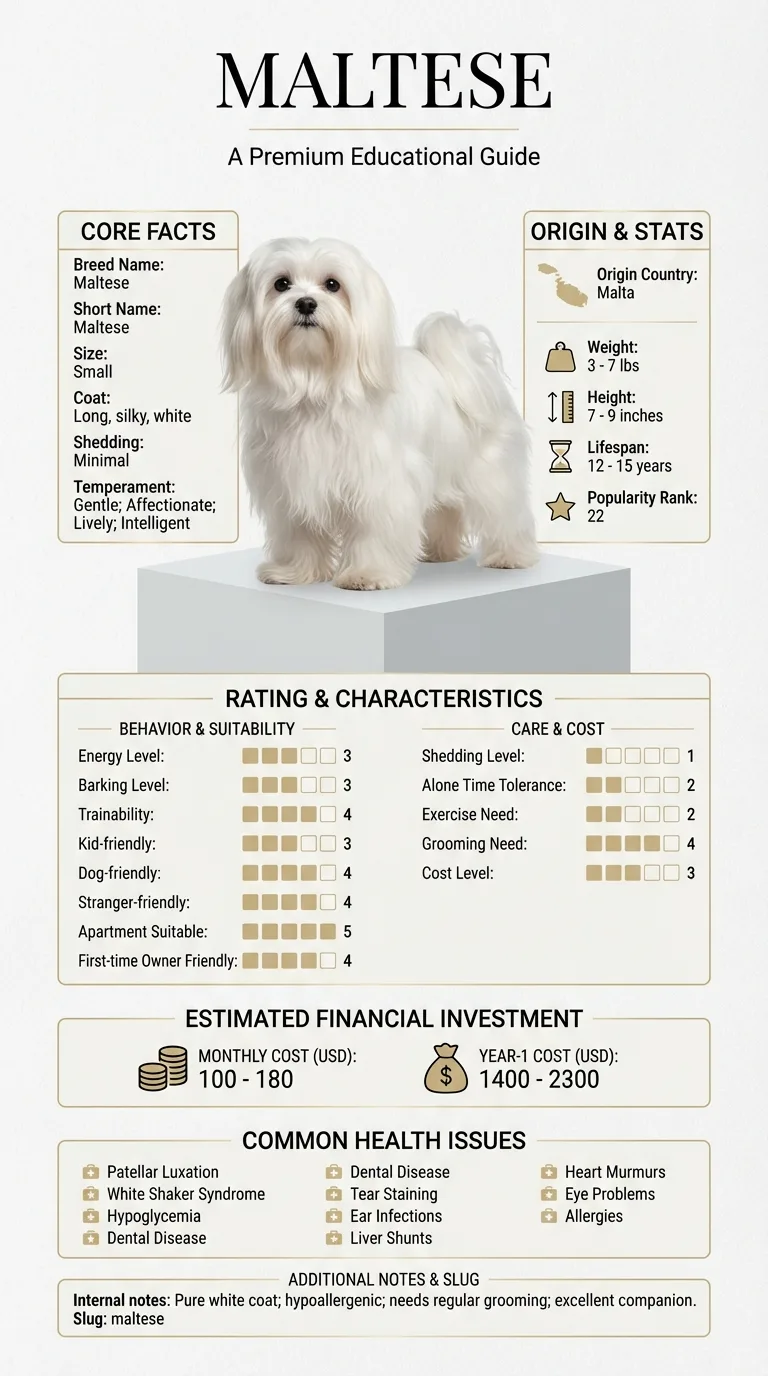
Maltese Corneal Dystrophy: Understanding the Condition infographic

Typically, first-time Maltese owners may struggle with understanding the nuances of corneal dystrophy. Busy families or individuals may find it challenging to identify symptoms early, leading to anxiety about their pet's health.

Important reminder

This guide is not medical advice. If your dog shows pain, sudden behavior change, or worsening symptoms, consult a licensed veterinarian.

Some links may be affiliate links. We may earn a commission at no extra cost to you. We only suggest products we believe are helpful for dog owners.

What this problem looks like

Maltese corneal dystrophy is a common eye issue that causes cloudiness in the cornea. This can affect your dog's vision and comfort. Daily, you might notice your Maltese squinting, tearing up more than usual, or having difficulty seeing clearly, especially in bright light.

Common triggers

  • Genetic predisposition
  • Age-related changes
  • Environmental irritants like dust or smoke

Corneal dystrophy is relatively common in Maltese dogs, affecting many as they age. It's important to monitor your dog's eye health regularly.

Why this happens

Breed factors

Maltese are prone to corneal dystrophy due to their genetic makeup. This condition is often inherited, leading to cloudiness in the cornea. It can develop in both eyes and may worsen with age, affecting their vision and comfort.

Environment factors

Environmental factors such as exposure to allergens, irritants, or injuries can contribute to corneal issues. Additionally, inadequate eye care or hygiene may exacerbate symptoms. Dry air or strong winds can also make their eyes more vulnerable.

What you can try

At-home strategies

  • Keep your Maltese's face clean and dry to avoid irritation. Use a damp cloth to gently wipe away any discharge around their eyes.
  • Apply a warm compress on their eyes for a few minutes daily to soothe irritation and promote healing. Ensure the cloth is clean and soft.
  • Use lubricating eye drops as recommended by your vet to keep their eyes moist. This can help alleviate discomfort and protect their corneas.

When to consider a trainer

If your Maltese shows signs of anxiety or stress related to eye care, consider a trainer who specializes in positive reinforcement methods. They can help you create a calm environment for grooming and eye treatments.

When to talk to your vet

If symptoms worsen, such as increased cloudiness, redness, or your Maltese seems to be in pain, consult your vet immediately. They can recommend treatments or medications to manage their corneal dystrophy effectively.

Realistic expectations

Managing Maltese corneal dystrophy can take several weeks to months. Early intervention and regular veterinary checkups are key to monitoring the condition effectively.

Success looks like a stable condition where your dog's vision remains relatively unaffected, and any discomfort is minimized through proper treatment and care.

Mistakes that make this worse

Avoiding common mistakes can improve your Maltese's corneal dystrophy. Here are some behaviors to watch for.

  • Ignoring regular vet visits: Skipping check-ups can delay diagnosis and treatment. Schedule regular appointments to monitor your Maltese's eye health.
  • Using home remedies: Many owners try DIY solutions out of frustration. Instead, consult your vet for safe and effective treatments.
  • Neglecting grooming: Maltese dogs require regular grooming. Failing to keep their fur clean can lead to irritation and worsen eye issues.
  • Overlooking signs of discomfort: If your Maltese is rubbing their eyes or squinting, it’s easy to dismiss it. Pay attention to these signs and seek veterinary advice.
  • Not using protective eyewear: Some owners might avoid using protective eyewear for their Maltese. This can lead to further eye damage; consider using them when outside.
  • Failing to follow treatment plans: If your vet prescribes medication or treatments, not adhering to the plan can worsen the condition. Always follow through with your vet's recommendations.
  • Assuming corneal dystrophy is harmless: Some owners might think this condition isn't serious. In reality, it can lead to severe vision issues; take it seriously.

When Maltese Corneal Dystrophy is an Emergency

Maltese corneal dystrophy can be concerning, but knowing when to act is crucial. If you notice severe symptoms, it's time to call your vet immediately. Signs like excessive tearing, redness, swelling, or if your Maltese is pawing at their eyes indicate a potential emergency. Another red flag is if your dog seems to be in pain or has difficulty seeing.

On the other hand, mild cases of corneal dystrophy can often be monitored with a plan. If your Maltese has slight cloudiness but shows no signs of distress or pain, you can keep an eye on their condition. Regular check-ups with your vet can help track any changes.

Remember, when in doubt, it's always better to consult your vet. They can provide guidance tailored to your dog's specific needs and help decide the best course of action.

Maltese Corneal Dystrophy: Understanding the Condition - When Maltese Corneal Dystrophy is an Emergency

Finding Clarity with Bella's Corneal Dystrophy

When Sarah adopted Bella, her Maltese, she noticed the pup squinting often. After a vet visit, Sarah learned Bella had corneal dystrophy. Initially overwhelmed, Sarah committed to regular vet visits and followed treatment recommendations, including medication to reduce discomfort. With time and care, Bella adapted well, and her squinting lessened significantly. Sarah learned to check Bella's eyes daily for any changes, ensuring Bella stayed comfortable and happy.

Key takeaway: Consistent care, regular vet visits, and being proactive can help manage Maltese corneal dystrophy effectively.

Frequently asked questions

Why does my Maltese have corneal dystrophy?

Maltese corneal dystrophy is often caused by genetic factors, leading to cloudiness in the cornea. It can also be linked to environmental irritants or underlying health issues. Regular veterinary check-ups can help identify the cause.

How to stop Maltese corneal dystrophy?

While you can't cure Maltese corneal dystrophy, you can manage it. Regular vet visits, maintaining a clean environment, and using prescribed medications can help minimize symptoms. Eye drops may be recommended to alleviate discomfort.

Are there training techniques to help my Maltese with corneal dystrophy?

Training is not a direct solution for corneal dystrophy, but it can help with overall health management. Focus on teaching your Maltese to be comfortable with eye examinations and handling to make vet visits easier. Positive reinforcement works wonders.

What symptoms should I watch for with corneal dystrophy?

Watch for signs like squinting, excessive tearing, or rubbing their eyes. If your Maltese seems uncomfortable or has noticeable cloudiness, consult your vet promptly. Early intervention can help manage discomfort effectively.

Can diet affect Maltese corneal dystrophy?

A balanced diet supports overall health, which can be beneficial for eye conditions. Consult your vet about any dietary changes that may help. Supplements that promote eye health may also be suggested.

What are the symptoms of Maltese corneal dystrophy?

Symptoms of Maltese corneal dystrophy may include cloudiness in the eyes, excessive tearing, and sensitivity to light. You might also notice your Maltese squinting or rubbing their eyes frequently.

Can Maltese corneal dystrophy lead to blindness?

While Maltese corneal dystrophy typically doesn't lead to complete blindness, it can cause vision impairment. Regular veterinary check-ups are essential to monitor the condition and manage any potential complications.

How is Maltese corneal dystrophy diagnosed?

A veterinarian will diagnose Maltese corneal dystrophy through a thorough eye examination. They may use specialized equipment to assess the cloudiness and overall health of your dog's eyes.

Is there a treatment for Maltese corneal dystrophy?

There is no definitive cure for Maltese corneal dystrophy, but treatments may include eye drops to manage symptoms. Always consult with your vet to find the best approach for your dog's needs.

How can I care for my Maltese with corneal dystrophy at home?

Home care for a Maltese with corneal dystrophy involves keeping their eyes clean and free from irritants. Regularly check for signs of discomfort and consult your vet if you notice any changes in their condition.

Quick answers

View more answers
Health

What are quick tips for Maltese corneal dystrophy?

Keep your Maltese's eyes clean and moisturized with vet-recommended products. Regular vet visits are essential to monitor their condition. Be observant for any changes in their behavior or eye appearance.

Health

How often should I take my Maltese to the vet for corneal dystrophy?

It's best to have your Maltese examined every 6 months. This helps catch any changes in their condition early. Your vet may adjust the schedule based on your dog's specific needs.

Health

Is corneal dystrophy painful for my Maltese?

Corneal dystrophy can cause discomfort but is not always painful. Some dogs may show signs of irritation, so monitoring their behavior is key. Consult your vet for appropriate pain management options.

Related DogBreedCompass guides

  • Common health issues for MalteseLearn more about the common health issues that can affect your Maltese, including corneal dystrophy.
  • Maltese corneal dystrophy trainingExplore effective training techniques specifically designed for Maltese dogs, which can help manage corneal dystrophy.
  • Maltese separation anxiety guideUnderstand how to address separation anxiety in Maltese dogs, which can be a related concern.
  • Maltese cost breakdownIf you're considering getting a Maltese, check out their general costs, including potential health care expenses.
  • Maltese behavior problemsDiscover training tips to help with behavioral problems that may be linked to health issues like corneal dystrophy.

Related guides