Behavior
What are quick tips for managing Maltese autoimmune diseases?
Maintain a healthy diet, ensure regular vet check-ups, and keep your Maltese's environment stress-free to help manage autoimmune diseases.

Quick answer
What are quick tips for managing Maltese autoimmune diseases?
Maintain a healthy diet, ensure regular vet check-ups, and keep your Maltese's environment stress-free to help manage autoimmune diseases.
Maltese autoimmune diseases can lead to serious health issues for your furry friend.
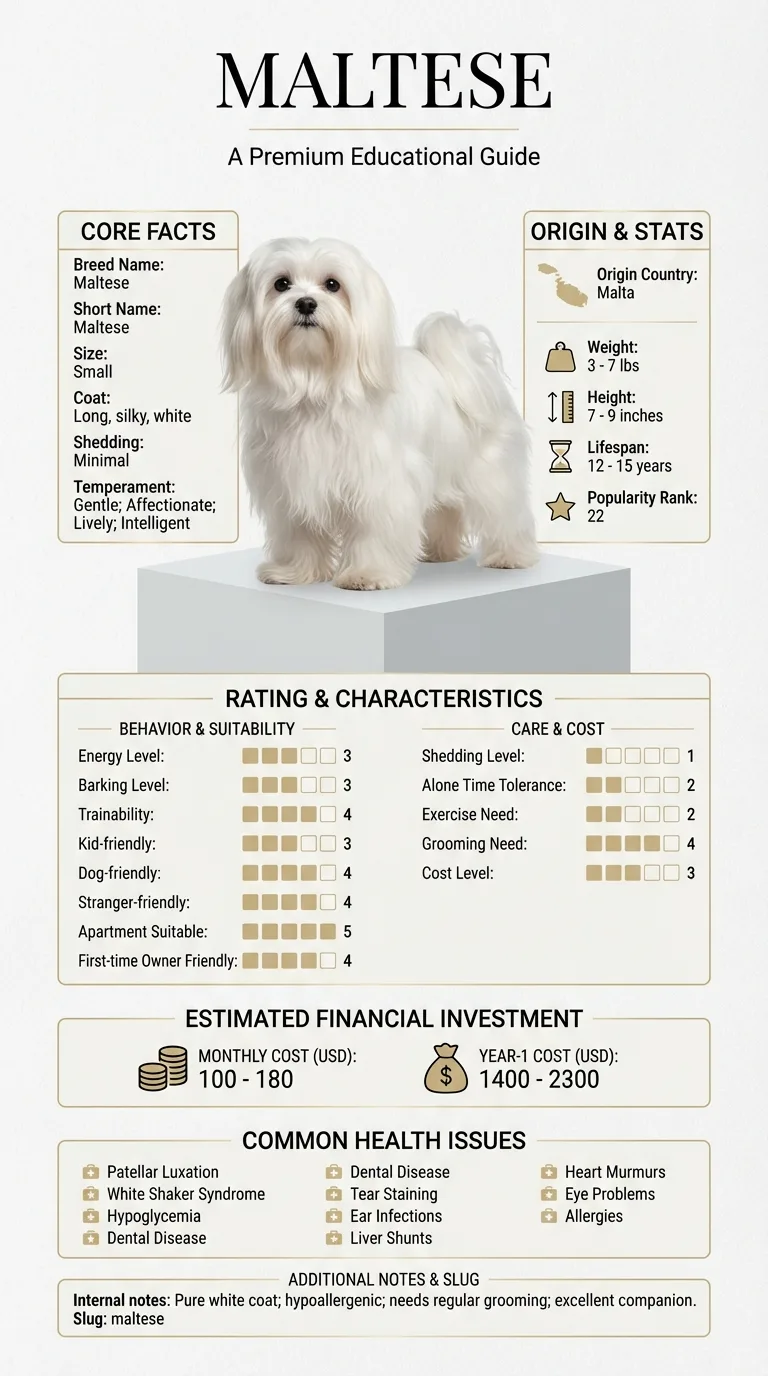
Maltese owners, especially first-time pet parents, may find themselves confused and worried about their dog's health. It's common for them to seek answers when they notice unusual symptoms.
This guide is not medical advice. If your dog shows pain, sudden behavior change, or worsening symptoms, consult a licensed veterinarian.
Some links may be affiliate links. We may earn a commission at no extra cost to you. We only suggest products we believe are helpful for dog owners.
We research and check what we publish, but we do not warrant that any figure, date, price, or statement is accurate, complete, or current, and we accept no liability for any loss, cost, injury, or other harm arising from the use of this site. Use it as one reference among several. You remain responsible for your own decisions and for your dog's care - confirm anything that matters with a licensed veterinarian or another qualified professional before you act on it. Full disclaimer.
Check this first
Call your vet right away if your Maltese exhibits severe symptoms. Look for signs like difficulty breathing, excessive bleeding, or sudden lethargy. If your dog has a swollen abdomen, this could indicate a serious health issue that needs urgent care.
In less severe cases, mild skin irritations or occasional lethargy can often be watched. You can make a plan to monitor these symptoms at home. Keep track of any changes, and ensure your dog is comfortable, hydrated, and eating well.
If your Maltese develops persistent sores or hair loss, it's important to consult your vet. While these symptoms may not demand immediate action, they can indicate underlying problems that need treatment. Keeping a close eye on your dog's health will allow for timely intervention if things worsen.
If any of these apply, call your vet or an emergency clinic now. The rest of this page is for the cases that are not an emergency.
Maltese autoimmune diseases can be a serious concern for this small, affectionate breed. These conditions often manifest as skin issues, leading to sores and hair loss. Owners might notice symptoms such as redness, itching, or unusual patches on their dog's skin, which can be distressing for both the pet and the owner.
Autoimmune diseases are relatively common in Maltese, with many owners experiencing these issues at some point. While not every Maltese will develop an autoimmune condition, awareness and early detection are crucial for managing their health.
Maltese dogs may be more prone to autoimmune diseases due to their genetic makeup. Small breeds like the Maltese can inherit vulnerabilities from their parents, making them susceptible to conditions such as skin diseases and allergies. Their immune system might also be less robust compared to larger breeds, increasing the risk of autoimmune responses.
Environmental factors can also contribute to autoimmune diseases in Maltese dogs. Exposure to allergens, pollutants, and stress can trigger immune system reactions. Additionally, poor diet or lack of proper grooming can lead to skin conditions that worsen autoimmune issues.
If you notice persistent skin problems, lethargy, or unusual behavior, consult your vet. They can conduct tests to diagnose autoimmune diseases and recommend appropriate treatments.
When dealing with Maltese autoimmune diseases, certain owner behaviors can unintentionally worsen the situation. Here are some common mistakes and safer alternatives to consider.
Start here: Maltese Most Common Genetic Disorders: What to Screen For
See all Maltese health problems, which breeds are prone to autoimmune diseases, or the full Maltese breed guide for temperament, exercise needs and ownership costs.
It may take several weeks to months to see improvements in your Maltese's condition after implementing changes.
Success means your Maltese shows fewer symptoms, such as reduced skin sores and improved overall health, along with a more stable mood.
Maria, a busy nurse in Chicago, noticed her Maltese, Bella, scratching excessively and developing skin sores. After a vet visit, she learned that Bella had an autoimmune disease. Determined to help Bella, Maria adjusted Bella's diet, added supplements recommended by her vet, and incorporated regular grooming into their routine. After a few months of consistent care, Bella's skin condition improved significantly, and she became more playful and energetic.
Key takeaway: With patience and the right care, you can manage your Maltese's autoimmune diseases effectively.
Maltese autoimmune diseases can arise due to a combination of genetic predisposition and environmental factors. These conditions often manifest as skin issues, causing sores and hair loss. If you suspect your Maltese is affected, consult a vet for a proper diagnosis and treatment plan.
While you can't prevent autoimmune diseases entirely, early intervention can help manage symptoms. Regular vet check-ups, a balanced diet, and proper grooming can keep your Maltese healthy. Additionally, reducing stress and avoiding allergens may improve their overall well-being.
Yes, Maltese can be prone to certain autoimmune diseases, including skin conditions that lead to sores and hair loss. They may also experience other health issues, such as allergies or dental problems, that can complicate their overall health. Regular vet visits can help catch these issues early.
Treatment often includes medication to manage symptoms and control inflammation. Your vet may also recommend dietary changes or supplements to support your Maltese's immune system. In severe cases, specialized treatments may be necessary.
Yes, stress can exacerbate autoimmune diseases in Maltese. Providing a stable environment and minimizing stressful situations can help. Consider using calming techniques or products, especially during potentially stressful events like grooming or travel.
Signs of autoimmune diseases in Maltese dogs can include skin conditions like sores and hair loss, lethargy, and frequent infections. If you notice any unusual symptoms, it's important to consult your vet.
Yes, diet can play a role in managing autoimmune diseases. A balanced diet with high-quality ingredients may help support your Maltese’s immune system. Always discuss dietary changes with your vet.
You can support your Maltese by providing a stress-free environment, maintaining a regular grooming routine, and ensuring they have a healthy diet. Monitoring their energy levels and behavior can also help you spot any changes.
Some autoimmune diseases can have a genetic component, so it’s possible for certain conditions to be hereditary in Maltese dogs. If you have concerns about your dog's lineage, consider discussing this with your vet.
If your Maltese shows persistent symptoms such as skin lesions, excessive scratching, or signs of distress, it's best to visit the vet. Early detection can lead to better management of autoimmune diseases.
Maintain a healthy diet, ensure regular vet check-ups, and keep your Maltese's environment stress-free to help manage autoimmune diseases.
It's best to take your Maltese to the vet at least once a year for a check-up. More frequent visits may be needed if they show symptoms of autoimmune diseases.
If your Maltese has skin lesions, consult a vet as soon as possible. They can provide guidance on appropriate treatment and care.
Foods rich in omega-3 fatty acids and antioxidants can be beneficial. Consult your vet for specific dietary recommendations tailored to your Maltese's needs.
A one-page prep sheet for this condition: the signs, the questions to ask, what to get priced. Unlocks here.
You get: Vet visit prep sheet
No spam. One-click unsubscribe. See our privacy policy.
Preview page 1 before you decide.