What are quick tips for managing Labradoodle progressive retinal atrophy (pra-rcd3)?
Keep your home familiar for your Labradoodle, avoid sudden changes, and use consistent commands. Regular vet check-ups are essential to monitor their condition.
Labradoodle progressive retinal atrophy (PRA-RCD3) is a serious eye condition that leads to vision loss. Understanding it is crucial for your dog's quality of life.

Owners of Labradoodles, particularly those who notice changes in their pet's vision, may struggle with this issue. It's especially concerning for families, as the condition can affect their dog's ability to safely navigate their environment.
This guide is not medical advice. If your dog shows pain, sudden behavior change, or worsening symptoms, consult a licensed veterinarian.
Some links may be affiliate links. We may earn a commission at no extra cost to you. We only suggest products we believe are helpful for dog owners.
Labradoodle progressive retinal atrophy (pra-rcd3) is a genetic condition leading to gradual vision loss. This issue typically appears as your Labradoodle struggles with night vision or seems disoriented in unfamiliar environments. Over time, it may progress to total blindness, significantly impacting your dog's quality of life.
Progressive retinal atrophy is relatively common in Labradoodles due to their mixed genetic background. It's essential for potential owners to be aware of this condition, as it affects a significant number of dogs within the breed.
Labradoodles can inherit genetic conditions like Progressive Retinal Atrophy (PRA-rcd3). This issue affects the retina, leading to gradual vision loss. Since it's a genetic trait, it can be more common in certain bloodlines of Labradoodles.
Environmental factors, such as inadequate nutrition and exposure to toxins, can also contribute to vision problems. A poorly lit home or lack of mental stimulation may exacerbate anxiety, making it more challenging for your dog to navigate their surroundings.
If your Labradoodle shows increasing anxiety or fearfulness due to their vision loss, consider hiring a professional trainer. A trainer experienced with dogs experiencing sight issues can teach you techniques to support your dog and help them build confidence.
It's essential to consult a vet if you notice any changes in your Labradoodle's vision or behavior. They can provide a proper diagnosis and discuss potential treatment options for Progressive Retinal Atrophy (PRA-rcd3), ensuring your dog receives the best care.
Expect to see progression over several months to years, depending on the severity of PRA-rcd3. Early intervention can help manage symptoms and maintain your Labradoodle's quality of life.
Success means maintaining your Labradoodle's comfort and adapting their environment to minimize vision loss impact. This includes consistent vet check-ups and adjustments in training and daily routines.
Handling your Labradoodle's progressive retinal atrophy (PRA-rcd3) requires care and understanding. Unfortunately, some common mistakes can make the situation worse or delay improvement. Here are a few behaviors to avoid.
If your Labradoodle displays sudden vision loss, disorientation, or inability to navigate familiar spaces, it may indicate an emergency. Other red flags include excessive pawing at the eyes, squinting, or any signs of pain or distress. These symptoms suggest a need for urgent veterinary evaluation.
On the other hand, if your Labradoodle is experiencing gradual vision changes without acute distress, you can monitor the situation. Mild signs such as occasional bumping into furniture or hesitance in dim light can often be managed with a watchful eye. Keeping a log of these changes can help your vet assess the condition properly during check-ups.
Remember, if you’re ever in doubt, it’s best to err on the side of caution. Consulting with your vet can provide peace of mind and ensure your Labradoodle receives the appropriate care.

Jenna, a busy teacher in Seattle, noticed her Labradoodle, Max, was bumping into furniture and hesitating on walks. After a vet visit, she learned that Max had progressive retinal atrophy (PRA-rcd3). Initially overwhelmed, Jenna sought advice from online communities and started using bright, contrasting colors in her home. She also created a predictable layout for Max’s path. With patience and love, Jenna adapted their routine to include verbal cues and tactile guides, helping Max navigate better. Over time, Max adjusted to his vision changes, and their bond strengthened through this process.
Key takeaway: With the right support and adjustments, you can help your Labradoodle adapt to progressive retinal atrophy and maintain a joyful life.
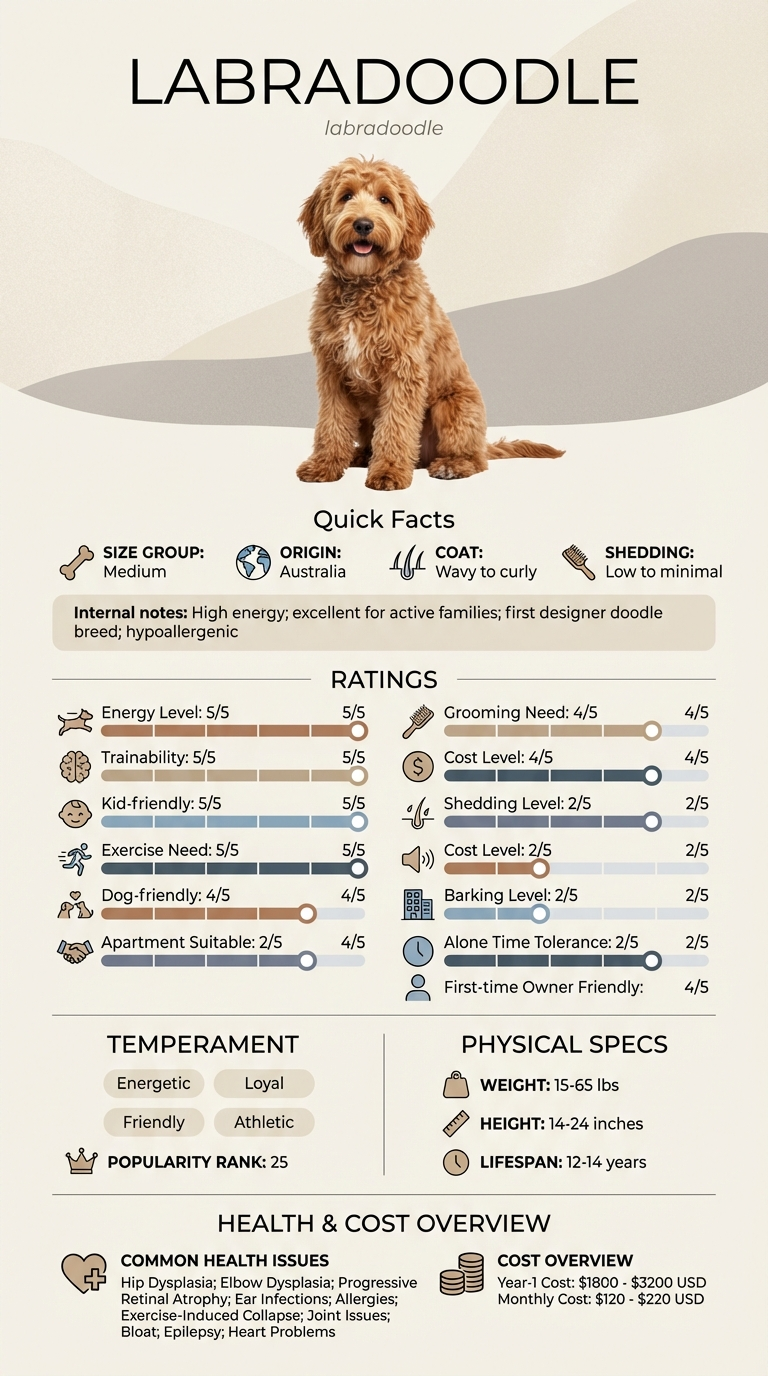
Labradoodle progressive retinal atrophy (pra-rcd3) is a genetic condition that causes gradual vision loss. It affects the retina, leading to blindness over time. Early detection is crucial for managing the condition.
This condition is often inherited, meaning it can be passed from parent to offspring. Labradoodles, like many breeds, may carry genes that lead to PRA. Regular eye examinations can help identify potential issues.
To help your Labradoodle, maintain a stable environment and avoid rearranging furniture. Use verbal cues and guide them with a leash during walks. Gradual training can assist them in adjusting to their vision loss.
Currently, there is no cure for PRA. However, some treatments focus on managing symptoms and improving quality of life. Consulting with a veterinarian is essential for tailored advice.
Yes, many Labradoodles with PRA can live happy lives with proper adjustments. This includes using tactile cues and maintaining routines. Love and patience go a long way in helping them adapt.
Early signs of Labradoodle progressive retinal atrophy (pra-rcd3) can include difficulty seeing in low light, bumping into objects, or hesitance when navigating familiar areas. If you notice these changes, it's important to consult your vet promptly for a thorough examination.
Yes, Labradoodles with progressive retinal atrophy (pra-rcd3) can still lead fulfilling lives. With proper training and adjustments in their environment, many adapt well and maintain a good quality of life, despite their vision loss.
To help your Labradoodle with progressive retinal atrophy (pra-rcd3) feel more comfortable, keep their environment consistent and free of obstacles. Using scent markers for different areas can also help them navigate better.
Yes, progressive retinal atrophy (pra-rcd3) is a hereditary condition, meaning it can be passed down from parent dogs. Responsible breeding practices can help minimize the risk of this condition in future generations.
If you suspect that your Labradoodle is showing signs of progressive retinal atrophy (pra-rcd3), it's best to see a vet as soon as possible. Early detection can help manage the condition and provide guidance on maintaining your dog's quality of life.
Keep your home familiar for your Labradoodle, avoid sudden changes, and use consistent commands. Regular vet check-ups are essential to monitor their condition.
Utilize positive reinforcement and verbal cues during training. Gradually introduce new commands and routines to help them adapt to their vision changes.
Yes, regular veterinary visits and possible treatments can add to the overall cost of dog ownership. Budgeting for these expenses will help you manage better.
Regular eye exams and overall health check-ups are crucial to catch any worsening of the condition early. This proactive approach can help manage their health effectively.