Behavior
What are Labradoodle patellar luxation quick tips?
Keep your Labradoodle at a healthy weight and provide consistent, low-impact exercise. Regular vet visits can help catch problems early.
Labradoodle patellar luxation is a common knee issue that can lead to pain and mobility problems. Understanding this condition is crucial for your dog's well-being.
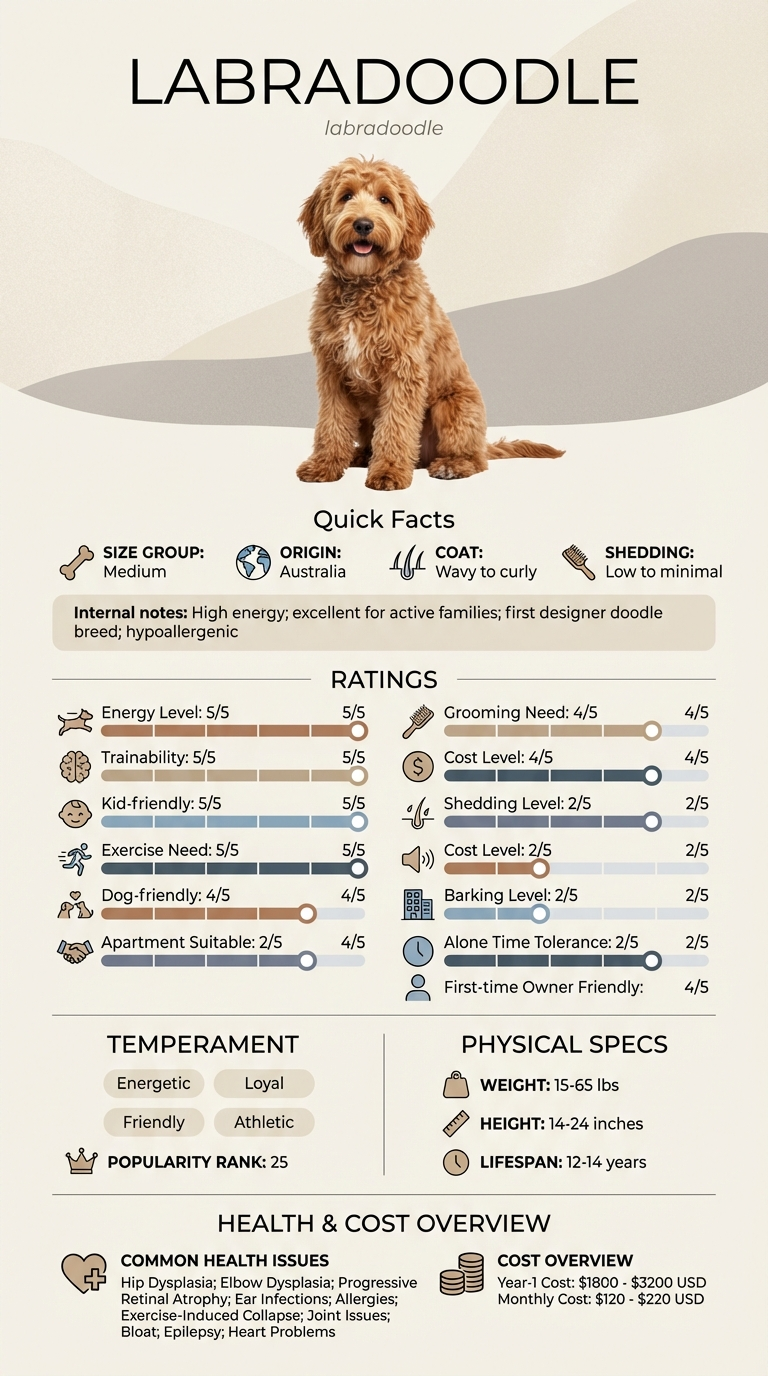
Many Labradoodle owners, especially first-time dog parents, may struggle to identify patellar luxation symptoms. If your dog seems to limp or has trouble jumping, this information is especially important for you.
This guide is not medical advice. If your dog shows pain, sudden behavior change, or worsening symptoms, consult a licensed veterinarian.
Some links may be affiliate links. We may earn a commission at no extra cost to you. We only suggest products we believe are helpful for dog owners.
Labradoodle patellar luxation is a common issue that affects many dogs of this breed. It occurs when the kneecap slips out of its normal position, leading to limping, difficulty walking, or an abnormal gait. This condition can cause your Labradoodle to exhibit signs of discomfort, especially after exercise or prolonged activity.
Patellar luxation is relatively common among Labradoodles, especially since they are prone to various joint issues. Many dogs may experience this condition at some point, particularly those with a family history of joint problems. Early detection and proper training can help manage the issue effectively.
Labradoodles can inherit patellar luxation due to genetics. This issue is common in medium-sized breeds, where the kneecap can slip out of its normal position. Their playful and energetic nature may exacerbate this problem, especially if they engage in rough play or vigorous activities.
Environmental factors can also contribute to patellar luxation. Overweight Labradoodles are more prone to joint issues, including knee cap dislocations. Additionally, slippery surfaces at home can increase the risk of falls, which may lead to or worsen the condition.
If your Labradoodle shows signs of discomfort or struggles with basic movements, consider consulting a professional trainer. They can guide you on strengthening exercises and proper techniques to minimize stress on your dog's joints.
Talk to your vet if your Labradoodle frequently limps or shows signs of pain. They can evaluate the severity of the patellar luxation and recommend treatment options, which may include medication or surgery in severe cases.
With consistent training and management, you can see improvements in your Labradoodle's comfort and mobility within 4 to 8 weeks.
Success means your Labradoodle moves more freely, exhibits less pain, and can engage in regular activities without discomfort.
To manage Labradoodle patellar luxation effectively, avoid these common mistakes that can worsen the situation.
Knowing when Labradoodle patellar luxation is an emergency can save your dog's health. Look for red flags that indicate you should call your vet immediately. These signs include severe limping, inability to bear weight on the leg, or extreme pain when moving the affected knee. Also, if you notice swelling around the joint or if your dog is excessively whining or showing signs of distress, it's time to seek help.
In contrast, mild cases of patellar luxation can often be monitored effectively at home. If your Labradoodle occasionally skips or seems to favor one leg but is still able to walk and play, a watch-and-wait approach may be sufficient. Make a note of any recurring episodes and observe their frequency or severity. Regular check-ins with your vet can help ensure you’re on the right track without jumping to conclusions.
By distinguishing between emergency and mild cases, you can better manage your Labradoodle's health. Always err on the side of caution; if you're ever in doubt, don't hesitate to contact your vet for advice. They can guide you on the best next steps based on your dog's specific situation.

Emma, a busy nurse in Seattle, adopted Charlie, her energetic Labradoodle. After a few months, she noticed Charlie limping after playtime. After a vet visit, she learned he had patellar luxation. Determined to help him, Emma followed a training plan involving gentle exercises and weight management. She also learned to avoid activities that stressed Charlie's knees. Over the next six months, Charlie's strength improved, and he returned to his playful self, bounding around the park with joy.
Key takeaway: With the right training and care, managing Labradoodle patellar luxation is possible, allowing your furry friend to enjoy life pain-free.
Labradoodles can develop patellar luxation due to genetic factors, poor alignment of the knee joint, or injuries. It's often seen in small to medium breeds. Regular vet check-ups can help catch this issue early.
Signs include limping, difficulty in walking or running, and the dog occasionally lifting a leg. You might also notice your Labradoodle suddenly yelping in pain or trying to avoid using one leg. If you see these signs, consult your vet for an evaluation.
Treatment can include weight management, physical therapy, and pain medication. In severe cases, surgery may be necessary to realign the kneecap. Your vet will recommend the best course of action based on the severity of the condition.
While not all cases can be prevented, maintaining a healthy weight and providing regular exercise can help. Avoiding overly strenuous activities can also reduce the risk of joint issues. Regular vet check-ups are crucial for monitoring their joint health.
Keeping your Labradoodle at a healthy weight is essential. Regular, low-impact exercise can strengthen their muscles and support joints. Your vet may also recommend joint supplements to help maintain joint health.
Signs of patellar luxation in Labradoodles include limping, difficulty jumping, or sudden changes in activity level. You may also notice your dog favoring one leg or experiencing pain when touched around the knee.
Yes, patellar luxation can have a genetic component, especially in breeds like Labradoodles. It's important to choose a reputable breeder who screens for this and other health issues to help reduce the risk.
If your older Labradoodle shows signs of patellar luxation, it's crucial to consult with your veterinarian. They can assess the severity and recommend a treatment plan, which may include surgery or physical therapy.
Managing patellar luxation at home can include providing a comfortable, supportive environment for your Labradoodle. Limiting strenuous activities and ensuring regular, gentle exercise can help keep their joints healthy.
Surgery may be necessary if your Labradoodle experiences severe pain, frequent dislocations, or if conservative treatments have failed. Your vet can help determine the right time to consider surgical options.
Keep your Labradoodle at a healthy weight and provide consistent, low-impact exercise. Regular vet visits can help catch problems early.
Treatment costs can range from $500 for conservative management to over $3,000 for surgical intervention, depending on severity.
Yes, patellar luxation can be genetic. Responsible breeding practices can help reduce its occurrence in future generations.