Health
What are Labradoodle kidney disease quick tips?
Ensure your Labradoodle stays hydrated, follow a kidney-friendly diet, and schedule regular vet visits for monitoring.

Quick answer
What are Labradoodle kidney disease quick tips?
Ensure your Labradoodle stays hydrated, follow a kidney-friendly diet, and schedule regular vet visits for monitoring.
Labradoodle kidney disease is a serious health issue that can affect your furry friend. Understanding this condition is crucial for their well-being.
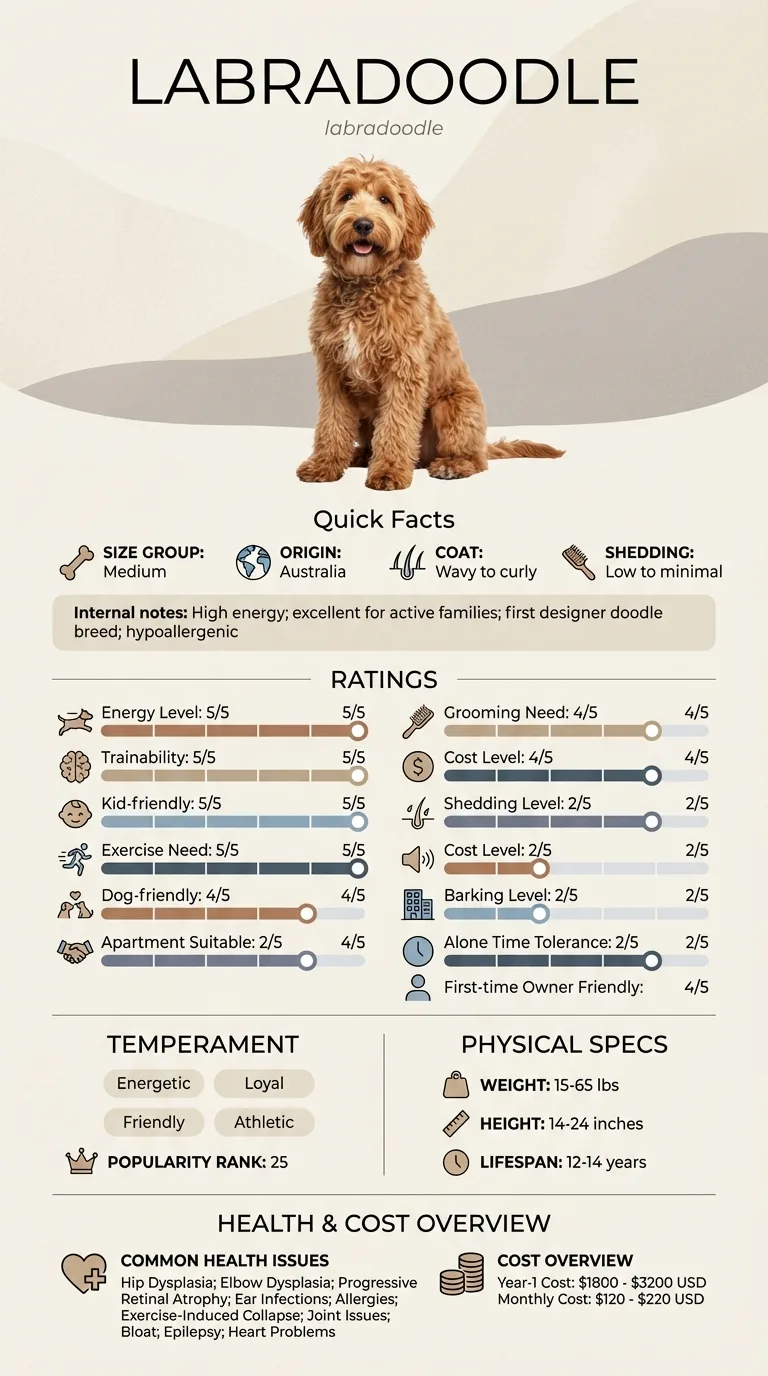
Owners of older Labradoodles or those with a family history of kidney issues often struggle with this condition. Busy pet parents might also find it hard to notice subtle changes in their dog's behavior.
This guide is not medical advice. If your dog shows pain, sudden behavior change, or worsening symptoms, consult a licensed veterinarian.
Some links may be affiliate links. We may earn a commission at no extra cost to you. We only suggest products we believe are helpful for dog owners.
We research and check what we publish, but we do not warrant that any figure, date, price, or statement is accurate, complete, or current, and we accept no liability for any loss, cost, injury, or other harm arising from the use of this site. Use it as one reference among several. You remain responsible for your own decisions and for your dog's care - confirm anything that matters with a licensed veterinarian or another qualified professional before you act on it. Full disclaimer.
Check this first
Recognizing when Labradoodle kidney disease is an emergency can be crucial for your pet's health. If your dog shows any of the following red-flag signs, it's time to call your vet immediately. This includes symptoms like severe vomiting, persistent diarrhea, sudden lethargy, or difficulty breathing. These signs could indicate a serious progression of the disease that requires urgent attention.
Conversely, there are milder symptoms that can be monitored at home. If your Labradoodle is drinking more water than usual, has a slightly decreased appetite, or seems a bit more tired than normal, these could be signs of kidney disease but may not require an immediate vet visit. It's essential to keep a close eye on these changes and develop a monitoring plan with your veterinarian.
Always remember that early detection and intervention can greatly improve your Labradoodle's quality of life. If you're ever in doubt about their symptoms, it's better to err on the side of caution and consult your vet.
If any of these apply, call your vet or an emergency clinic now. The rest of this page is for the cases that are not an emergency.
Labradoodle kidney disease can be a serious health concern that affects your dog's daily life. This progressive condition may lead to symptoms such as increased thirst, frequent urination, and weight loss. If left untreated, it can severely impact their energy levels and overall wellbeing.
Kidney disease is relatively common in Labradoodles, particularly as they age. Many Labradoodles develop some form of kidney issue during their lifetime, making awareness and early detection crucial for management.
Labradoodles may be predisposed to certain health issues, including kidney disease, due to their genetics. Breeds like the Poodle and Labrador Retriever can pass on vulnerabilities to kidney issues. Additionally, factors like age and overall health can increase the risk of kidney problems in Labradoodles.
Environmental factors such as diet, hydration, and exposure to toxins can significantly impact kidney health. Poor nutrition, especially low-quality dog food, can lead to kidney stress. Furthermore, inadequate water intake and exposure to harmful substances can contribute to the development of kidney disease.
Consult your vet immediately if you notice symptoms like increased thirst, frequent urination, vomiting, or lethargy. Regular check-ups are essential for monitoring kidney function, especially as your Labradoodle ages. If your dog is diagnosed with kidney disease, follow your vet's advice for treatment and management.
Avoiding certain behaviors can help manage Labradoodle kidney disease more effectively. Here are common mistakes to steer clear of and better alternatives.
Start here: Labradoodle Most Common Genetic Disorders: Screening
See all Labradoodle health problems, which breeds are prone to kidney disease, or the full Labradoodle breed guide for temperament, exercise needs and ownership costs.
Managing Labradoodle kidney disease typically takes several months to see significant improvement. With consistent care, you may notice positive changes within 6 to 12 weeks.
Success means your Labradoodle maintains a stable condition, shows increased energy, and experiences fewer symptoms. Regular vet check-ups and appropriate diet adjustments should help your dog live comfortably.
Sarah, a devoted Labradoodle owner, noticed her dog Max was more lethargic and had decreased appetite. After a vet visit, she learned Max had early-stage kidney disease. Determined to help him, Sarah followed a strict diet and introduced regular vet check-ups. She joined a support group for pet owners facing similar issues, which helped her stay informed and motivated. Over the next few months, Max's energy returned, and he even resumed his favorite games of fetch.
Key takeaway: Navigating Labradoodle kidney disease requires patience and dedication. A proactive approach, including a tailored diet and regular veterinary care, can lead to a better quality of life for your furry friend.
Labradoodles can develop kidney disease due to various factors, including genetics, age, and diet. Regular vet check-ups can help identify potential issues early.
Common signs of kidney disease in Labradoodles include increased thirst, frequent urination, weight loss, and lethargy. If you notice these symptoms, consult your vet for a proper diagnosis.
Treatment options can vary based on the disease's severity. Your vet may recommend dietary changes, medications, or even more advanced therapies to manage the condition.
While not all kidney diseases can be prevented, maintaining a healthy diet and regular exercise can reduce the risk. Regular vet visits are also crucial for early detection.
Supporting your Labradoodle involves providing a special diet that supports kidney function, encouraging hydration, and monitoring their behavior. Your vet can offer specific dietary recommendations.
If your Labradoodle has been diagnosed with kidney disease, follow your vet's treatment plan closely. Keeping a close eye on their symptoms and adjusting their care as needed is essential.
Early signs of kidney disease in Labradoodles can include increased thirst and urination, decreased appetite, and weight loss. You may also notice changes in energy levels or vomiting. If you see any of these signs, consult your vet promptly.
Yes, diet can play a crucial role in managing kidney disease in Labradoodles. A vet-recommended diet low in protein and phosphorus can help reduce the workload on the kidneys. Always consult your veterinarian before making any changes to your dog's diet.
Older Labradoodles are more prone to kidney disease due to natural wear and tear on their organs. Regular check-ups are essential for older dogs to catch any potential issues early. If your Labradoodle is aging, keep an eye on their drinking and urination habits.
While kidney disease can occur in Labradoodles, it is not always hereditary. However, genetic factors can influence a dog's overall health. It's important to choose reputable breeders who screen for common health issues.
You should see a vet if your Labradoodle shows symptoms like increased thirst, frequent urination, vomiting, or lethargy. Regular vet visits are also recommended for early detection, especially in older dogs. Staying proactive can help manage kidney health effectively.
Ensure your Labradoodle stays hydrated, follow a kidney-friendly diet, and schedule regular vet visits for monitoring.
Watch for increased thirst, changes in appetite, and lethargy, which can indicate kidney issues.
Incorporate low-protein diets and regular, gentle exercise to support kidney health.
While Labradoodles can be prone to certain health issues, kidney disease can affect any breed, especially as they age.
Training can help manage stress and anxiety, which are beneficial for overall health, but it's crucial to focus on medical treatment first.
A one-page prep sheet for this condition: the signs, the questions to ask, what to get priced. Unlocks here.
You get: Vet visit prep sheet
No spam. One-click unsubscribe. See our privacy policy.
Preview page 1 before you decide.