Health
What are quick tips for managing Havanese glaucoma?
Keep up with regular vet check-ups to monitor eye health. Administer any prescribed medications as directed and watch for changes in behavior or eye appearance.

Quick answer
What are quick tips for managing Havanese glaucoma?
Keep up with regular vet check-ups to monitor eye health. Administer any prescribed medications as directed and watch for changes in behavior or eye appearance.
Havanese glaucoma is a serious eye condition that can lead to vision loss if not addressed. Understanding this issue is crucial for keeping your furry friend healthy.
This issue often affects Havanese owners who might notice their pet showing signs of discomfort or changes in behavior. New dog owners or those unfamiliar with eye health may find it challenging to identify the symptoms early.
This guide is not medical advice. If your dog shows pain, sudden behavior change, or worsening symptoms, consult a licensed veterinarian.
Some links may be affiliate links. We may earn a commission at no extra cost to you. We only suggest products we believe are helpful for dog owners.
We research and check what we publish, but we do not warrant that any figure, date, price, or statement is accurate, complete, or current, and we accept no liability for any loss, cost, injury, or other harm arising from the use of this site. Use it as one reference among several. You remain responsible for your own decisions and for your dog's care - confirm anything that matters with a licensed veterinarian or another qualified professional before you act on it. Full disclaimer.
Check this first
Havanese glaucoma is a serious condition that can lead to permanent blindness if not treated promptly. Certain signs indicate that you should call your vet immediately. Look for symptoms like severe eye redness, excessive tearing, cloudiness in the eye, or your Havanese showing signs of pain like squinting or pawing at their eye. If your dog is behaving unusually or if you notice a sudden change in their vision, these are red flags that warrant immediate attention.
In contrast, some symptoms can be monitored at home. If your Havanese has mild eye discharge or occasional squinting, it may not be an emergency. However, you should keep a close watch on these conditions. Ensure your dog is comfortable and schedule a vet visit if symptoms persist or worsen. Always remember that prompt attention can make a big difference in the outcome of Havanese glaucoma.
If any of these apply, call your vet or an emergency clinic now. The rest of this page is for the cases that are not an emergency.
Havanese glaucoma is a serious eye condition that can lead to vision loss. This condition is caused by increased pressure in the eye, which can happen suddenly or develop over time. Owners may notice symptoms like excessive tearing, redness, or a cloudy appearance in the eye.
Glaucoma is relatively common in Havanese, especially as they age. While not every Havanese will develop this condition, it's important for owners to be aware of the signs and seek veterinary care promptly.
Havanese dogs are predisposed to certain eye conditions, including glaucoma. This breed has a genetic tendency towards conditions that increase eye pressure, which can lead to glaucoma. Their small size and unique eye structure also make them more susceptible to these issues.
Environmental factors can also contribute to Havanese glaucoma. For example, exposure to trauma or foreign objects can increase the risk of eye problems. Additionally, stress and anxiety can exacerbate existing health issues, including those related to eye pressure.
If you notice any symptoms of glaucoma, such as excessive tearing, squinting, or a cloudy appearance in the eyes, contact your veterinarian immediately. Early intervention is crucial to prevent permanent damage or vision loss.
Here are some common mistakes that can worsen Havanese glaucoma and safer alternatives to consider.
Start here: Havanese Most Common Genetic Disorders: What to Screen For
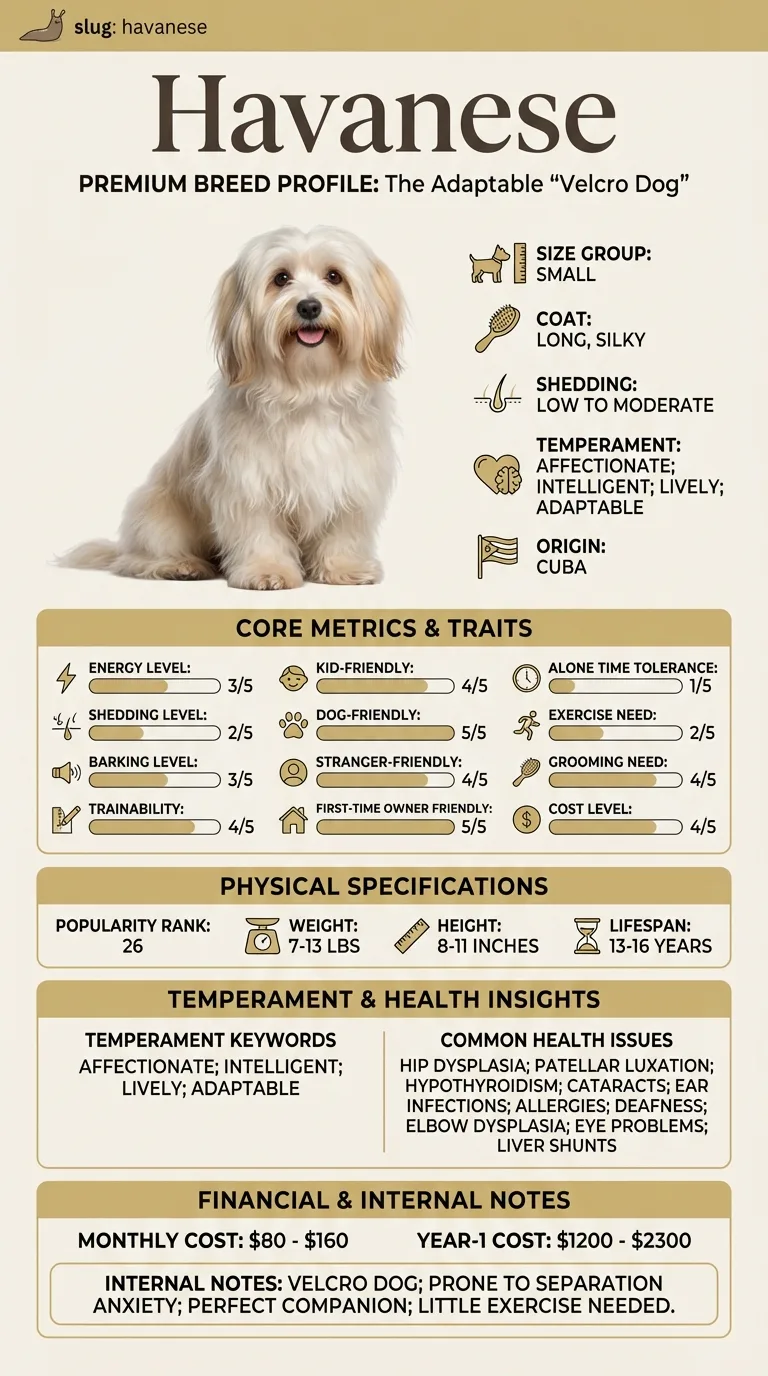
See all Havanese health problems, which breeds are prone to glaucoma, or the full Havanese breed guide for temperament, exercise needs and ownership costs.
It may take several weeks to months to manage Havanese glaucoma effectively. Regular vet visits and consistent treatment can help maintain your dog's comfort and vision.
Success means reduced eye pressure, improved comfort for your Havanese, and maintaining their quality of life. Your dog should show fewer signs of pain and be able to engage in daily activities.
When Sarah noticed her Havanese, Bella, squinting and rubbing her eyes, she feared something was wrong. After a vet visit, Bella was diagnosed with glaucoma. Initially overwhelmed, Sarah learned about treatment options, which included medication and regular check-ups. With dedication, Sarah followed the vet's advice and created a routine. Over time, Bella's eye pressure stabilized, and she returned to her playful self, brightening Sarah's days again.
Key takeaway: Managing Havanese glaucoma is a commitment, but with proper care and attention, you can help your dog live comfortably and happily.
Signs of glaucoma in Havanese can include squinting, redness in the eyes, excessive tearing, and a cloudy appearance in one or both eyes. You might also notice your dog becoming more sensitive to light or showing signs of pain, like pawing at their face.
To prevent Havanese glaucoma from worsening, ensure your dog receives regular veterinary eye exams. Your vet may recommend medications to lower eye pressure or, in severe cases, surgery. Always follow their guidance for the best outcomes.
Signs of Havanese glaucoma include redness in the eye, excessive tearing, squinting, or a cloudy cornea. If you notice any of these symptoms, it’s important to consult your veterinarian promptly. Early treatment is vital for preserving vision.
Yes, Havanese are prone to certain eye conditions, including glaucoma, due to genetic factors. Responsible breeding can help reduce the risk of these conditions. If you’re considering a Havanese, inquire about the lineage and health screenings.
Havanese glaucoma can often be managed with medication or surgical options. The effectiveness of treatment depends on the severity and timing of diagnosis. Regular follow-ups with your vet are essential to monitor the condition.
While you can't fully prevent glaucoma, regular veterinary check-ups can help catch eye problems early. Keeping your Havanese at a healthy weight and monitoring any changes in eye health can also be beneficial.
Veterinarians diagnose glaucoma through a combination of eye examinations, measuring intraocular pressure, and assessing the overall health of the eye. Your vet may use specialized instruments to check for changes in the optic nerve and other eye structures.
If your Havanese is diagnosed with glaucoma, it's essential to follow your vet's treatment plan. This may include medications to lower eye pressure or, in some cases, surgery. Early intervention can help preserve your dog's vision.
Yes, Havanese glaucoma is often more common in older dogs, but it can occur at any age. Regular eye check-ups are crucial, especially as your dog ages, to catch any potential issues early.
Keep up with regular vet check-ups to monitor eye health. Administer any prescribed medications as directed and watch for changes in behavior or eye appearance.
Treatment for Havanese glaucoma can range from $500 to $3,000, depending on the severity and treatment needed. Always discuss potential costs with your veterinarian.
Create a calm environment and reduce stressors. Use soft bedding, avoid loud noises, and maintain a routine to help your dog feel secure.
Positive reinforcement training can help ease anxiety in Havanese. Consider working with a trainer familiar with anxiety issues to develop a tailored approach.
Regular exercise, a balanced diet, and routine vet visits can significantly improve your Havanese's health. Keeping their weight in check is also vital.
A one-page prep sheet for this condition: the signs, the questions to ask, what to get priced. Unlocks here.
You get: Vet visit prep sheet
No spam. One-click unsubscribe. See our privacy policy.
See a sample page before you decide.
Early access list
The free prep sheet covers the same-day warning signs, a symptom log and the questions to ask. We are considering a fuller kit that adds a cost worksheet for the usual tests and treatments (US price ranges with their sources) and a plain-English guide to ways of covering the bill. It is not built yet; this list tells us whether it is worth building.
One email, no spam, unsubscribe anytime. Information only, not veterinary advice.