Behavior
What are quick tips for Havanese gastric dilatation-volvulus (gdv/bloat)?
Feed your Havanese smaller meals multiple times a day and use slow feeders. Avoid vigorous exercise right after meals to minimize the risk of GDV.
Havanese gastric dilatation-volvulus (GDV/bloat) is a serious, life-threatening stomach condition that can affect your pet's health dramatically.
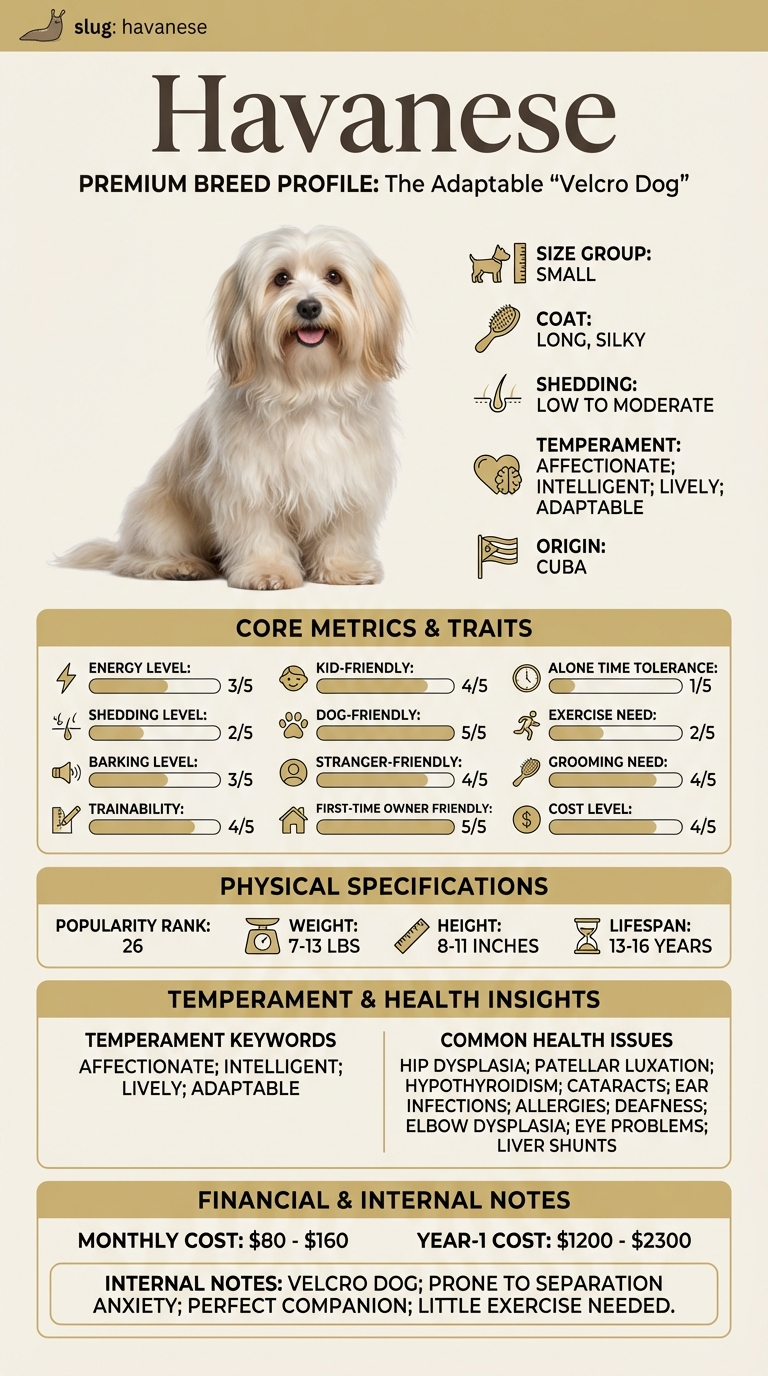
Typically, dog owners who have Havanese dogs are concerned about GDV/bloat due to their small size and unique physiology. First-time dog owners, in particular, may find it challenging to identify the symptoms and know when to seek help.
This guide is not medical advice. If your dog shows pain, sudden behavior change, or worsening symptoms, consult a licensed veterinarian.
Some links may be affiliate links. We may earn a commission at no extra cost to you. We only suggest products we believe are helpful for dog owners.
Havanese gastric dilatation-volvulus (GDV/bloat) is a serious condition that occurs when the stomach fills with gas and twists on itself. This can happen suddenly and can be life-threatening if not treated immediately. Symptoms may include a distended abdomen, rapid breathing, drooling, and signs of distress. It's important to be aware of these signs, as prompt veterinary care is crucial.
GDV/bloat is relatively rare in Havanese, but small breeds can be at risk, especially when certain triggers are present. Awareness and prevention are key to reducing the chances of this dangerous condition.
The Havanese breed is small but can be prone to gastric dilatation-volvulus (GDV), commonly known as bloat. Their deep chest structure makes them more susceptible to this serious condition. Additionally, their tendency to eat quickly can also contribute to the risk of bloat.
Environmental factors can increase the likelihood of GDV in Havanese dogs. Stressful situations, such as loud noises or changes in routine, can trigger anxiety-related behaviors. Overeating or drinking large amounts of water after exercise can also lead to the stomach twisting and filling with gas.
If your Havanese shows persistent anxiety around feeding time or exhibits destructive behavior, it might be time to consult a professional trainer. They can help with behavioral modification techniques and stress management strategies tailored to your dog.
If your Havanese shows signs of GDV, such as a swollen abdomen, retching without producing anything, or excessive drooling, contact your vet immediately. Early intervention is critical, as GDV is a life-threatening emergency that requires prompt medical attention.
If you're proactive, you can start seeing improvements in your Havanese's behavior and health within a few weeks of implementing changes.
Success means your Havanese can eat without distress and shows no signs of anxiety or discomfort after meals. You should also feel confident in recognizing and managing any potential bloat episodes.
Many Havanese owners unknowingly make choices that can worsen the risk or severity of gastric dilatation-volvulus (GDV/bloat). Here are common mistakes to avoid.
Havanese gastric dilatation-volvulus (GDV/bloat) can escalate quickly. It’s crucial to recognize when it’s a true emergency. If your Havanese shows signs like a distended abdomen, attempts to vomit without producing anything, or excessive drooling, these are red flags. Call your vet immediately if you notice any of these symptoms.
Mild cases may include slight bloating, restlessness, or occasional gagging. In these situations, it’s still important to monitor your dog closely. Keep a detailed log of their behavior and contact your vet for guidance. If symptoms worsen or don’t improve, seek veterinary help as soon as possible.
Always err on the side of caution. If your Havanese is in distress or showing severe symptoms, don’t hesitate. Time is critical in cases of GDV/bloat, and your swift action can save your dog's life.
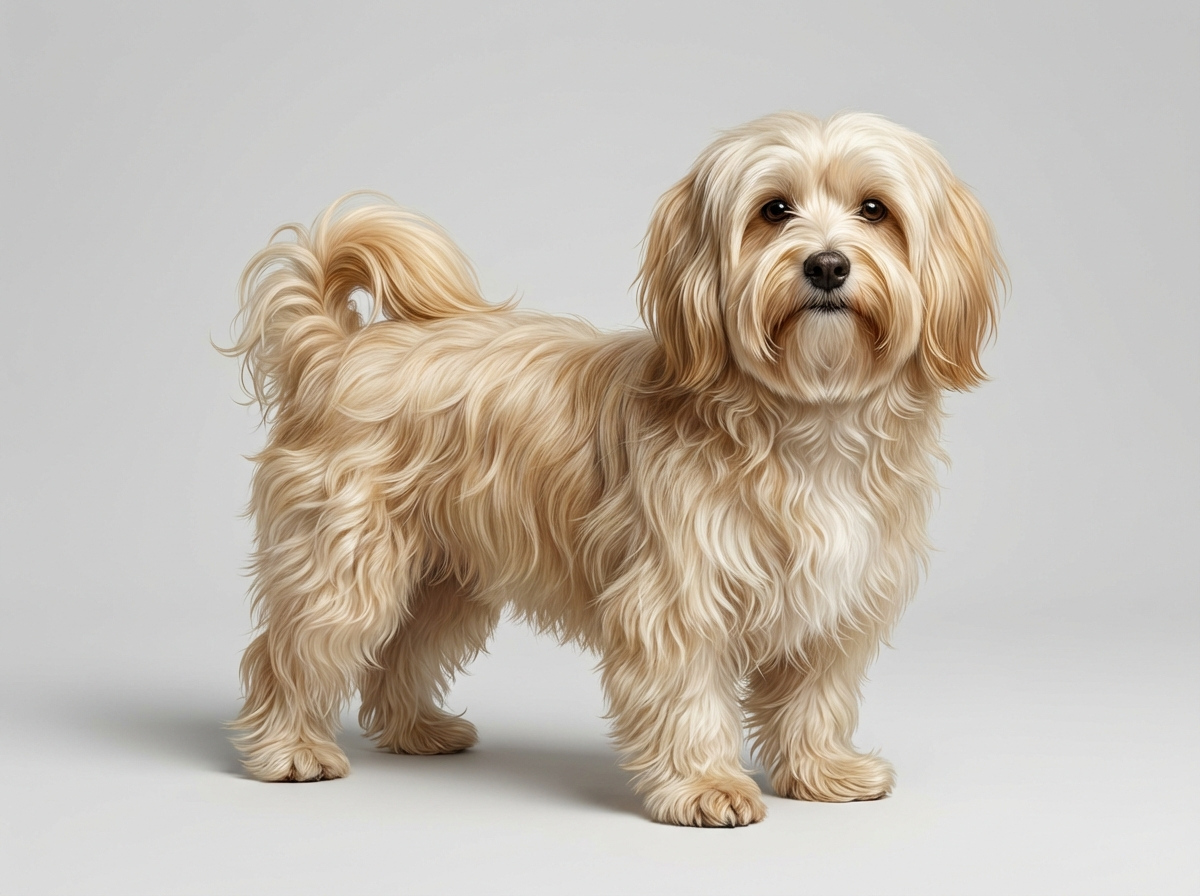
Emma, a first-time dog owner, was worried about her Havanese, Bella, who often seemed uncomfortable after eating. After researching, she learned about gastric dilatation-volvulus (GDV) and its risks. Emma quickly scheduled a vet visit to discuss Bella's diet and feeding schedule. They decided to switch to smaller, more frequent meals and avoid vigorous playtime immediately after eating. Over time, Bella became more relaxed during meals, and Emma felt a weight lifted off her shoulders knowing she was doing the right thing for her pup.
Key takeaway: Early intervention and dietary adjustments can significantly reduce the risks of GDV in Havanese dogs, making meal times much more enjoyable for both the owner and the pet.
Havanese can experience gastric dilatation-volvulus (GDV/bloat) due to their anatomy and eating habits. This condition often occurs when they eat too quickly, drink large amounts of water, or are exercised right after meals. It's vital to monitor their eating habits to reduce the risk.
To prevent GDV in your Havanese, feed smaller meals more frequently instead of one large meal. Use slow feeders to encourage them to eat at a slower pace. Additionally, avoid exercising your dog immediately after meals.
Signs of GDV in Havanese include a swollen abdomen, restlessness, drooling, and attempts to vomit without success. If you notice these symptoms, seek veterinary attention immediately, as this is a medical emergency.
Treatment for GDV usually involves emergency surgery to relieve the pressure in the stomach and reposition it. Post-surgery, your Havanese may require a special diet and monitoring to ensure recovery.
If you suspect GDV, take your Havanese to the vet immediately. Do not wait to see if symptoms improve, as this condition can be fatal if not treated quickly.
Early signs of Havanese gastric dilatation-volvulus (gdv/bloat) include a swollen abdomen, restlessness, and attempts to vomit without producing anything. If you notice these symptoms, it's crucial to seek immediate veterinary care, as this condition can progress rapidly.
Yes, older Havanese dogs can develop gastric dilatation-volvulus (gdv/bloat), especially if they have other health issues or a history of digestive problems. Regular vet check-ups are important for older dogs to monitor their health and catch potential issues early.
To reduce the risk of Havanese gastric dilatation-volvulus (gdv/bloat), feed your dog smaller, more frequent meals rather than one large meal. Avoid vigorous exercise right after eating and consider using raised food bowls if your vet recommends it.
While the exact cause of gastric dilatation-volvulus (gdv/bloat) is not fully understood, some studies suggest a genetic predisposition may exist. If a close relative has experienced gdv/bloat, consult your vet for advice on monitoring your Havanese.
If your Havanese shows signs of gastric dilatation-volvulus (gdv/bloat), it's vital to act quickly. Take your dog to the nearest veterinary clinic immediately, as timely treatment is crucial for a positive outcome.
Feed your Havanese smaller meals multiple times a day and use slow feeders. Avoid vigorous exercise right after meals to minimize the risk of GDV.
It's best to feed your Havanese two to three smaller meals each day rather than one large meal. This helps reduce the risk of GDV.
Yes, training your Havanese to eat slowly and calmly can help prevent GDV. Consider using commands or rewards to encourage slower eating habits.