Behavior
What are quick tips for managing Havanese elongated soft palate?
Keep your Havanese cool and avoid overexertion, especially in hot weather. Regular vet check-ups are essential to monitor their condition.

Quick answer
What are quick tips for managing Havanese elongated soft palate?
Keep your Havanese cool and avoid overexertion, especially in hot weather. Regular vet check-ups are essential to monitor their condition.
Havanese elongated soft palate can lead to serious breathing issues. This condition affects your dog's airway and overall health.
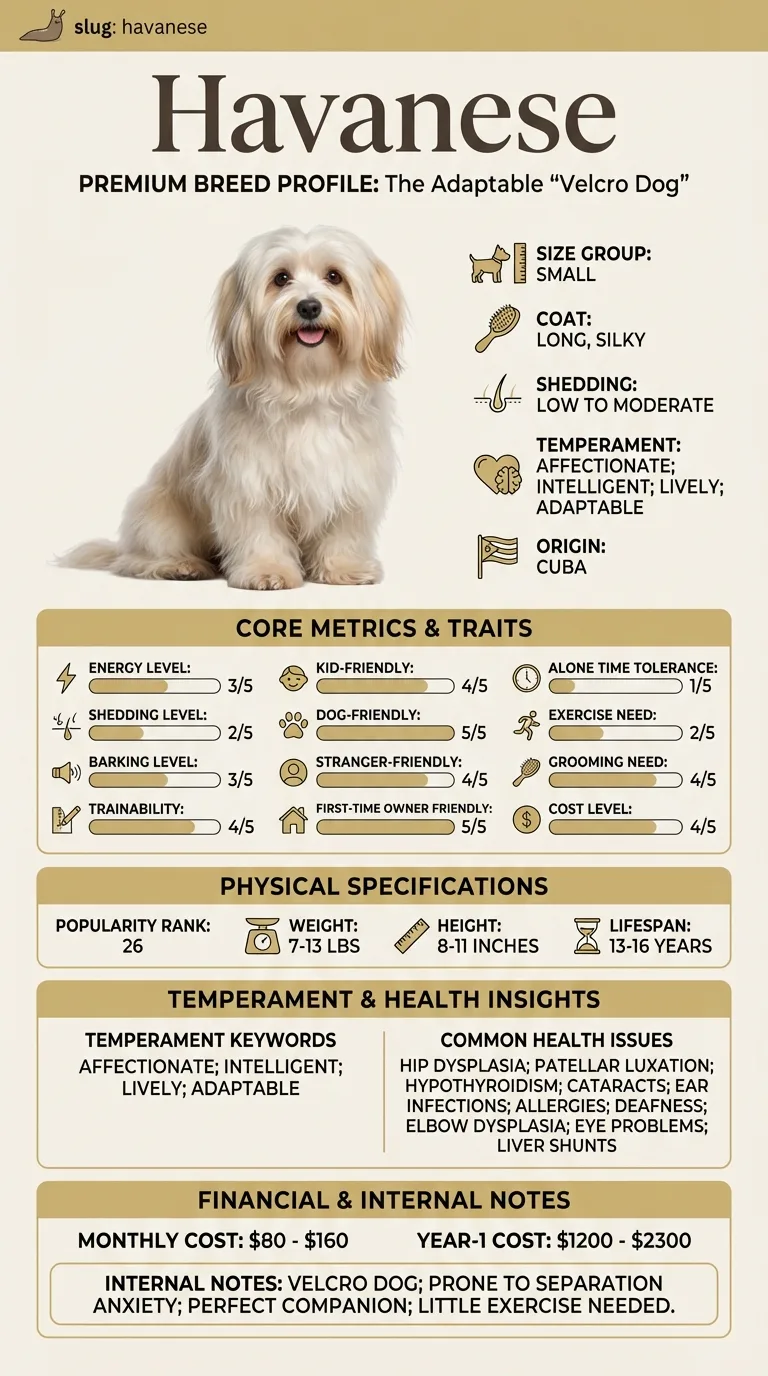
Typical owners include first-time dog parents and busy families who may not notice subtle signs of discomfort. Those living in apartments may also find these breathing issues particularly concerning.
This guide is not medical advice. If your dog shows pain, sudden behavior change, or worsening symptoms, consult a licensed veterinarian.
Some links may be affiliate links. We may earn a commission at no extra cost to you. We only suggest products we believe are helpful for dog owners.
We research and check what we publish, but we do not warrant that any figure, date, price, or statement is accurate, complete, or current, and we accept no liability for any loss, cost, injury, or other harm arising from the use of this site. Use it as one reference among several. You remain responsible for your own decisions and for your dog's care - confirm anything that matters with a licensed veterinarian or another qualified professional before you act on it. Full disclaimer.
Check this first
Recognizing when Havanese elongated soft palate becomes an emergency is crucial for your pet's health. There are specific signs that indicate immediate veterinary attention is needed. If your Havanese shows severe difficulty breathing, persistent gagging, or blue-tinged gums, these are red flags that require urgent action. Additionally, if your dog collapses or seems excessively lethargic, you should call your vet right away.
In contrast, there are milder cases that you can monitor at home. If your Havanese occasionally coughs or seems to snore during sleep, these symptoms may not be cause for alarm. It’s important to note any changes in frequency or severity of these signs. Keeping a log of your dog’s behavior can help you determine if a vet visit is necessary. If they are eating and playing normally, it may be safe to wait and observe.
Always trust your instincts as a pet owner. If you're unsure about your dog's condition, it's better to err on the side of caution and consult your veterinarian. Quick action can prevent more serious complications down the line, so knowing the difference between an emergency and mild symptoms is key.
If any of these apply, call your vet or an emergency clinic now. The rest of this page is for the cases that are not an emergency.
Havanese elongated soft palate is a common issue where the dog's soft palate is too long, leading to breathing difficulties. This can manifest in everyday life as noisy breathing, snoring, or even choking during play or eating. Owners often notice these symptoms, especially during physical activity or when the dog gets excited.
This problem is fairly common among Havanese dogs due to their brachycephalic features. Many owners report experiencing some level of difficulty related to this condition, making it important to address as part of regular health care.
The Havanese breed is small with a short snout, which can contribute to an elongated soft palate. This condition can lead to breathing difficulties, especially during exercise or in hot weather. It's a common issue in brachycephalic breeds, making them more susceptible to airway problems.
Environmental factors like obesity can exacerbate the symptoms of an elongated soft palate. Additionally, stress or anxiety can lead to increased breathing issues, as a stressed dog may pant more, which can worsen airway obstruction.
If your Havanese has persistent breathing difficulties, coughing, or shows signs of distress (like excessive panting or lethargy), it's essential to talk to your vet. They can assess the severity of the elongated soft palate and recommend treatment options, which may include surgery in severe cases.
Avoiding these common mistakes can help manage your Havanese's elongated soft palate more effectively.
Start here: Havanese Most Common Genetic Disorders: What to Screen For
See all Havanese health problems, which breeds are prone to elongated soft palate, or the full Havanese breed guide for temperament, exercise needs and ownership costs.
Most Havanese owners notice improvements in their dog's breathing within 4 to 6 weeks of consistent care and management.
Success means your Havanese can breathe more easily during regular activities and shows reduced signs of distress or discomfort.
James, a first-time dog owner, noticed that his Havanese, Bella, often struggled to catch her breath during playtime. After researching, he learned about the elongated soft palate condition common in small breeds. Determined to help Bella, he adjusted her playtime to avoid overly strenuous activities and started a training regimen focused on calm behaviors and breathing exercises. Over several weeks, James saw Bella's breathing improve significantly, allowing her to enjoy playtime without distress.
Key takeaway: With patience and proper management, owners can significantly improve their Havanese's breathing issues related to elongated soft palate.
Symptoms of Havanese elongated soft palate include noisy breathing, gagging, or coughing. You may also notice your dog having difficulty eating or drinking, and they might seem more lethargic than usual. If you see these signs, it's important to consult your vet.
To help your Havanese, ensure they maintain a healthy weight to reduce stress on their airways. Avoid strenuous activities and keep them cool, especially in hot weather. Regular vet check-ups can also help manage the condition.
While training won't fix the physical issue, it can help improve your dog's overall behavior and comfort. Teaching your Havanese commands can reduce anxiety and stress, which may help them manage their breathing better.
If your Havanese experiences severe breathing difficulties or other complications, surgery may be an option. Consult your vet to discuss the risks and benefits tailored to your dog's specific situation.
Yes, an elongated soft palate can lead to serious respiratory problems if left untreated. This condition can cause chronic airway obstruction and even lead to heat intolerance. Regular vet check-ups are essential to monitor your Havanese's health.
Treatment options for Havanese elongated soft palate range from dietary changes to surgical intervention. Your vet may recommend lifestyle adjustments or medications to manage symptoms. In severe cases, surgery may be necessary to correct the issue.
Yes, elongated soft palate can be hereditary, especially in breeds like the Havanese. If you are considering getting a Havanese, it’s wise to ask the breeder about the health history of the puppies’ parents. Responsible breeding practices can help lessen the risk.
To help your Havanese with elongated soft palate, ensure they maintain a healthy weight and avoid exercise in extreme heat. Providing a calm environment can also reduce stress, which may worsen symptoms. Always consult your vet for personalized care tips.
Keep your Havanese cool and avoid overexertion, especially in hot weather. Regular vet check-ups are essential to monitor their condition.
Limit exercise to short, gentle walks to prevent breathing difficulties. Always watch for any signs of distress during activities.
A healthy, balanced diet helps maintain a healthy weight, which is crucial for minimizing breathing issues. Consult your vet for specific dietary recommendations.
Yes, stress can exacerbate breathing difficulties. Providing a calm environment and using training techniques can help reduce anxiety.
Stay calm and remove any stressors from the environment. If the episode persists, seek immediate veterinary assistance.
A one-page prep sheet for this condition: the signs, the questions to ask, what to get priced. Unlocks here.
You get: Vet visit prep sheet
No spam. One-click unsubscribe. See our privacy policy.
Preview page 1 before you decide.