Behavior
What are quick tips for managing Great Dane X-SCID?
Keep your Great Dane's environment clean and limit exposure to sick animals. Regular vet visits are essential for monitoring health. A balanced diet can support their immune function.

Quick answer
What are quick tips for managing Great Dane X-SCID?
Keep your Great Dane's environment clean and limit exposure to sick animals. Regular vet visits are essential for monitoring health. A balanced diet can support their immune function.
Great Dane x-scid is a serious immunodeficiency that affects your dog's health and well-being.
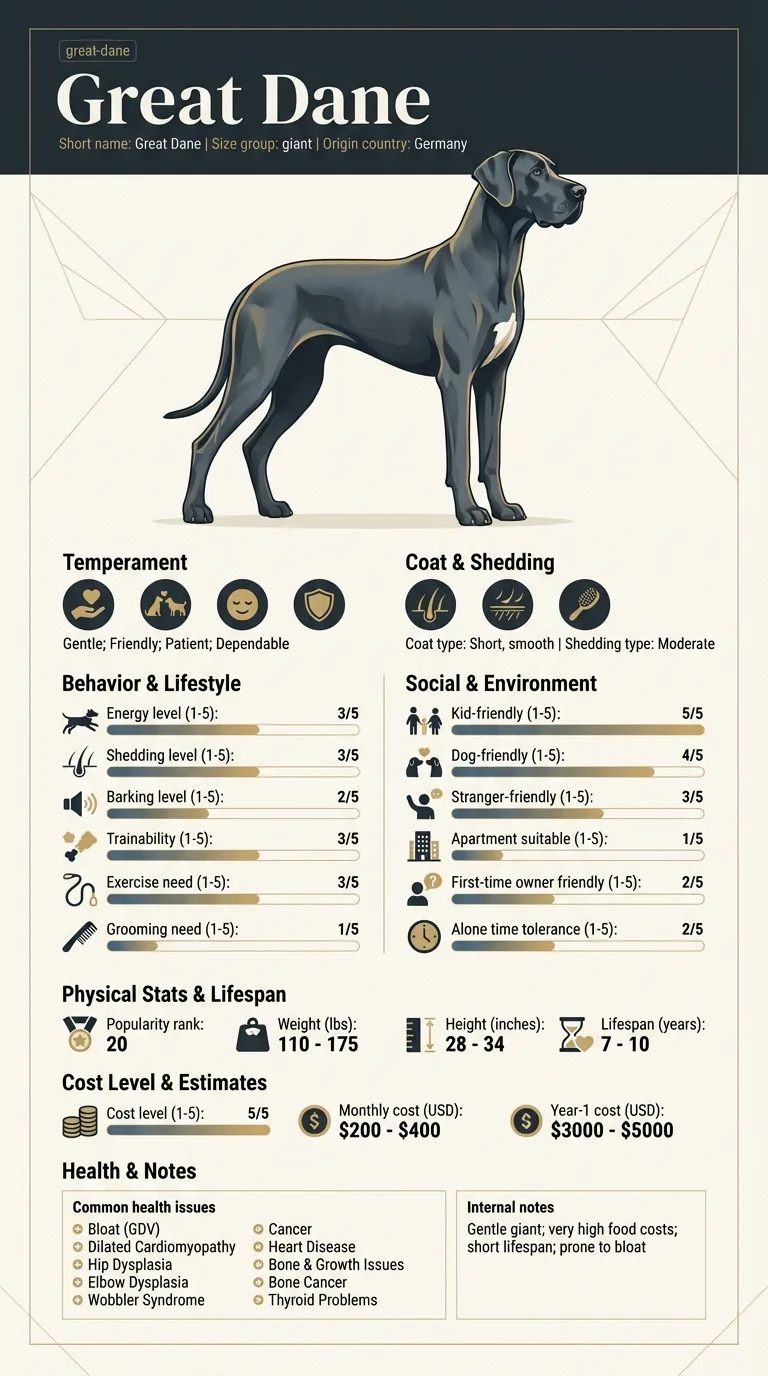
Typical owners dealing with Great Dane x-scid may feel overwhelmed and anxious, especially if they’re first-time dog parents or not prepared for the challenges of managing a dog with such a serious health issue.
This guide is not medical advice. If your dog shows pain, sudden behavior change, or worsening symptoms, consult a licensed veterinarian.
Some links may be affiliate links. We may earn a commission at no extra cost to you. We only suggest products we believe are helpful for dog owners.
We research and check what we publish, but we do not warrant that any figure, date, price, or statement is accurate, complete, or current, and we accept no liability for any loss, cost, injury, or other harm arising from the use of this site. Use it as one reference among several. You remain responsible for your own decisions and for your dog's care - confirm anything that matters with a licensed veterinarian or another qualified professional before you act on it. Full disclaimer.
Check this first
Understanding when Great Dane x-scid becomes an emergency is crucial. This rare condition can compromise your dog's immune system, making them vulnerable to infections. If you notice any severe symptoms, it's important to act quickly.
If any of these apply, call your vet or an emergency clinic now. The rest of this page is for the cases that are not an emergency.
X-SCID, or severe combined immunodeficiency, is a rare but serious condition in Great Danes. This problem can lead to frequent infections and a reduced ability to fight off illnesses. Daily life with a Great Dane suffering from X-SCID may involve regular vet visits and careful monitoring of their health.
X-SCID is quite rare in Great Danes, but it can occur due to genetic factors. Awareness and responsible breeding practices are essential to minimize its occurrence.
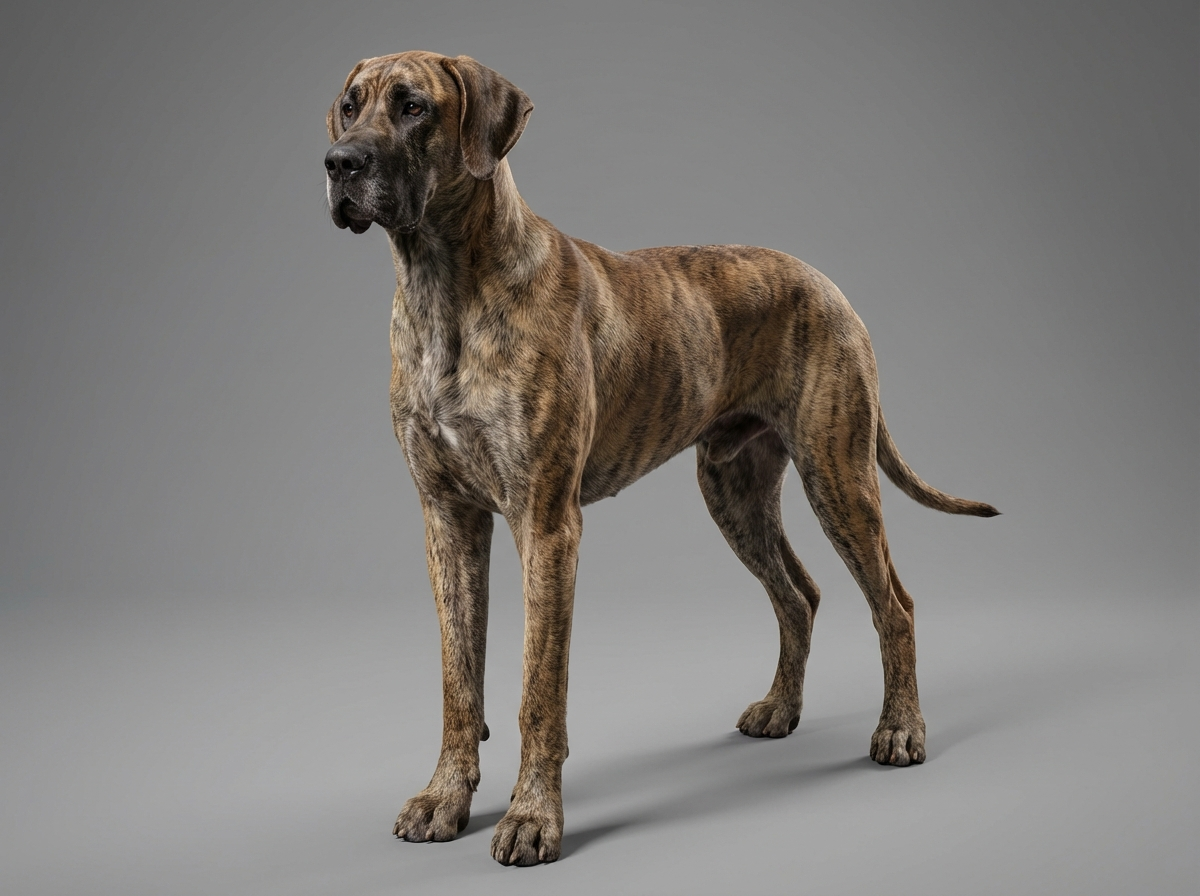
Great Danes are known for their gentle nature, but they can be more susceptible to certain health issues, including genetic conditions like X-SCID. This rare immunodeficiency impacts their ability to fight infections, making them vulnerable to illnesses.
Environmental factors can also play a significant role in the health of your Great Dane. Exposure to unclean environments or lack of proper vaccinations can worsen their condition, as a weak immune system means they need extra protection.
If you notice any unusual symptoms like recurrent infections, lethargy, or gastrointestinal issues, it's essential to talk to your vet. They can assess your Great Dane's health and recommend appropriate treatments or interventions.
Avoiding common mistakes can help improve your Great Dane x-scid situation. Here are some behaviors to steer clear of.
Start here: Great Dane Most Common Genetic Disorders: What to Screen For
See all Great Dane health problems, which breeds are prone to x scid, or the full Great Dane breed guide for temperament, exercise needs and ownership costs.
It may take several weeks to months to see noticeable improvements in your Great Dane's behavior with consistent care and support.
Success means your Great Dane x-scid shows increased comfort and confidence, allowing for more social interactions and reduced anxiety in various situations.
If your Great Dane shows any of these symptoms, seek veterinary care immediately: - Persistent vomiting or diarrhea - Severe lethargy or unresponsiveness - Recurrent infections (like skin or respiratory) - Difficulty breathing - Swollen lymph nodes - Any sudden changes in behavior or appetite

In less severe instances, you can monitor your Great Dane with a plan. Look out for: - Mild lethargy - Occasional vomiting that resolves quickly - Minor skin irritations or infections - Changes in appetite that last less than 24 hours - Subtle behavioral changes without severe symptoms

Sarah adopted Max, a Great Dane with x-scid, who struggled with anxiety whenever she left the house. After researching and implementing a structured training program, she began practicing short departures while using calming aids. Over time, Max learned to feel safe alone, and Sarah noticed he was less anxious during her absences.
Key takeaway: With patience and the right training tools, you can help a Great Dane x-scid overcome anxiety and thrive in their environment.
X-SCID, or severe combined immunodeficiency, is a rare genetic condition that affects the immune system. It is often inherited and can make your Great Dane more susceptible to infections. If you suspect your dog has this, consult your vet for proper testing and guidance. This answer relates to Great Dane x-scid.
Managing a Great Dane with X-SCID involves regular vet check-ups and monitoring for infections. Keep your dog away from high-risk environments and consider a specialized diet to support their health. Regular communication with your vet is crucial to adapt care as needed.
Training a Great Dane with X-SCID should be gentle and positive. Focus on basic commands and socialization in controlled environments to prevent stress. Consistent training can help manage anxiety and improve their overall well-being.
Common signs include lethargy, persistent cough, or unusual behavior. If your Great Dane shows any changes in appetite or energy levels, contact your vet immediately. Early intervention is key to managing health issues.
Currently, there is no cure for X-SCID in dogs. However, supportive care and proactive management can help improve the quality of life. Your vet may recommend medications or therapies tailored to your dog's specific needs.
Symptoms of X-SCID may include recurrent infections, poor growth, and difficulty recovering from illnesses. If your Great Dane shows these signs, it's essential to consult a vet for a proper diagnosis.
Dogs with X-SCID generally have a shorter lifespan due to the chronic infections they face. Regular vet visits and a strong care routine are crucial to help manage their health.
Yes, X-SCID is a hereditary condition. Breeders should screen for this condition to prevent passing it on to future generations. It's vital to ask about health testing when considering a Great Dane.
Keep your Great Dane's environment clean and limit exposure to sick animals. Regular vet visits are essential for monitoring health. A balanced diet can support their immune function.
For a dog with X-SCID, regular check-ups every 3-6 months are recommended. This helps catch any health issues early.
Use positive reinforcement for training your Great Dane. Keep sessions short and fun to maintain their interest and reduce stress.
Expect monthly costs between $200 and $400, including vet visits, medications, and special diets. Budgeting can help manage these expenses effectively.
A one-page prep sheet for this condition: the signs, the questions to ask, what to get priced. Unlocks here.
You get: Vet visit prep sheet
No spam. One-click unsubscribe. See our privacy policy.
See a sample page before you decide.
Early access list
The free prep sheet covers the same-day warning signs, a symptom log and the questions to ask. We are considering a fuller kit that adds a cost worksheet for the usual tests and treatments (US price ranges with their sources) and a plain-English guide to ways of covering the bill. It is not built yet; this list tells us whether it is worth building.
One email, no spam, unsubscribe anytime. Information only, not veterinary advice.