DogBreedCompass
← Back to breed profile

Great Dane Wobbler Syndrome: Understanding the Problem

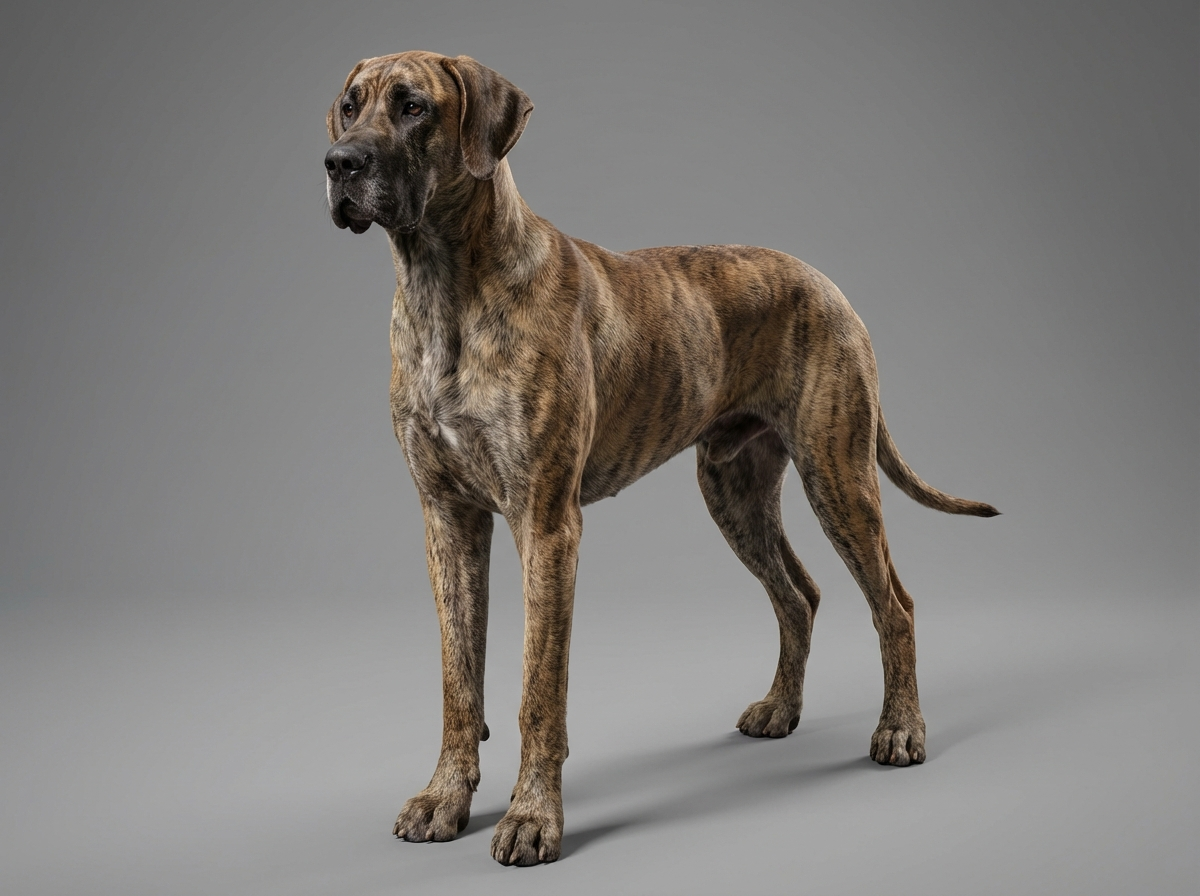
Great Dane wobbler syndrome is a serious condition that affects your dog's mobility and quality of life. It involves instability in the cervical vertebrae, leading to wobbling and difficulty walking.

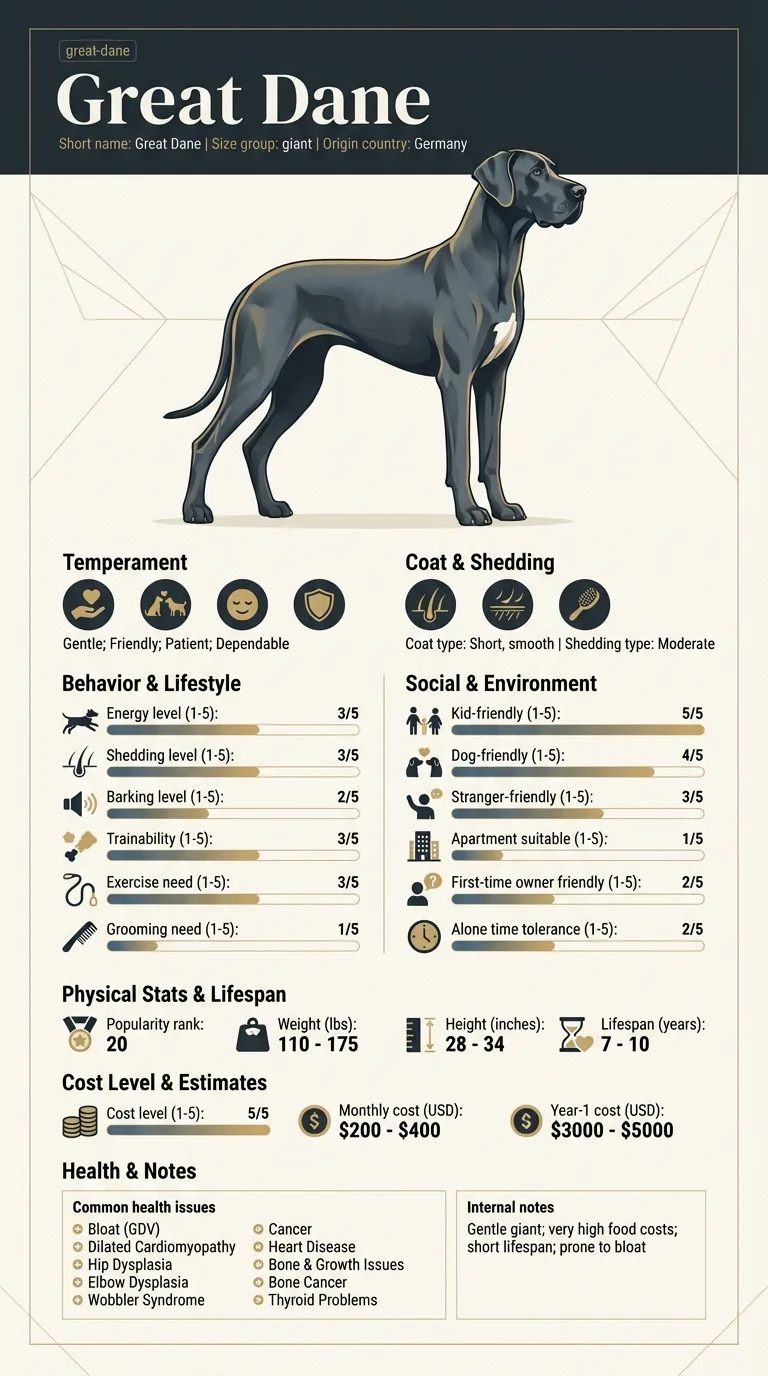
Great Dane Wobbler Syndrome: Understanding the Problem infographic

Typically, owners of Great Danes—especially first-time dog owners—might face challenges with wobbler syndrome. Managing a large breed like a Great Dane can be daunting, particularly when health issues arise.

Important reminder

This guide is not medical advice. If your dog shows pain, sudden behavior change, or worsening symptoms, consult a licensed veterinarian.

Some links may be affiliate links. We may earn a commission at no extra cost to you. We only suggest products we believe are helpful for dog owners.

What this problem looks like

Great Dane wobbler syndrome is a serious condition affecting the spinal cord, leading to unsteady movements and difficulty walking. This syndrome can be distressing for both the dog and its owner, as it often manifests in clumsiness, wobbling, and even an inability to stand or walk properly. Many Great Danes develop this issue due to their size and genetic predisposition, making it a common concern for the breed.

Common triggers

  • Rapid growth during puppyhood
  • Genetic predisposition
  • Injury or trauma
  • Age-related degeneration
  • Excessive exercise or strain

Wobbler syndrome is relatively common among Great Danes, particularly those between the ages of 3 and 8 years. It's important for owners to be vigilant about their dog's mobility and to consult with a vet if they notice any signs of wobbling or instability.

Why this happens

Breed factors

Great Dane wobbler syndrome is often linked to the breed's size and growth pattern. Their rapid growth can lead to developmental issues in the spine, resulting in cervical vertebral instability. This condition can cause wobbling and coordination problems, particularly in young adult dogs.

Environment factors

Environmental factors also play a role. A lack of proper nutrition during growth can exacerbate spinal issues. Additionally, excessive jumping or rough play can worsen the symptoms, leading to discomfort and further instability in the neck area.

What you can try

At-home strategies

  • Provide a balanced diet formulated for giant breeds to support healthy growth and bone development. Consult your vet for specific recommendations.
  • Limit high-impact activities, like jumping and running on hard surfaces, especially during their growth stages.
  • Incorporate gentle exercises, like short walks and swimming, to maintain muscle strength without stressing the spine.

When to consider a trainer

If your Great Dane shows persistent wobbling or difficulty walking, consider consulting a professional trainer experienced with wobbler syndrome. They can offer tailored strategies to improve mobility and address behavioral issues.

When to talk to your vet

If you notice your dog is struggling to walk or exhibiting severe wobbling, it's crucial to talk to your vet immediately. They can provide a proper diagnosis and discuss potential treatments, including whether surgery might be necessary.

Realistic expectations

Most owners can expect to see improvements within 2 to 3 months with consistent training and possibly veterinary intervention.

Success means your Great Dane can walk with more stability and confidence, reducing the wobbling and improving their overall quality of life.

Mistakes that make this worse

Avoiding these common mistakes can help improve your Great Dane's wobbler syndrome. Here are some behaviors to steer clear of.

  • Ignoring early signs of wobbling: Some owners may dismiss the initial symptoms as normal clumsiness. Early intervention can prevent the condition from worsening, so consult your vet as soon as you notice any wobbling.
  • Excessive exercise: While regular activity is important, overdoing it can strain your dog's neck and spine. Focus on low-impact exercises, like gentle walks, to keep your Great Dane active without exacerbating the problem.
  • Neglecting weight management: Extra weight puts more strain on joints and can worsen wobbler syndrome. Ensure your Great Dane maintains a healthy diet and weight to support their overall health.
  • Using harsh training methods: Negative reinforcement can increase anxiety and stress, making symptoms worse. Instead, employ positive reinforcement techniques during training to create a more supportive environment.
  • Skipping vet check-ups: Some owners may think they can manage the condition at home. Regular veterinary visits are essential for monitoring your dog's health and adjusting treatment as needed.
  • Delaying treatment: Waiting too long to seek treatment can lead to permanent damage. If you notice symptoms, don't hesitate to talk to your vet about potential treatment options.
  • Ignoring mobility aids: Some owners might resist using mobility aids like harnesses or slings. These can provide support and prevent further injury, so consider them as a valuable tool.

When Great Dane Wobbler Syndrome is an Emergency

Great Dane wobbler syndrome can be concerning, and knowing when to act is crucial. You should call your vet immediately if you notice your dog experiencing severe instability, difficulty walking, or if they collapse suddenly. These signs indicate a potential emergency that requires urgent medical attention.

Other red flags include excessive pain, inability to stand, or loss of coordination. If your Great Dane is showing these symptoms, don’t wait. Seek veterinary care right away.

On the other hand, if your dog is wobbling slightly but still able to walk and move around, you might monitor the situation for a bit. Mild cases can often be managed with a proper training plan and supportive care. Look for gradual changes in behavior, like a slight wobble that doesn’t worsen or affect their daily life. Keeping a close eye on your dog's condition is essential, and discussing any concerns with your vet can help you decide whether to wait or seek immediate help.

Great Dane Wobbler Syndrome: Understanding the Problem - When Great Dane Wobbler Syndrome is an Emergency

Overcoming the Wobble: Jake's Journey

When Amanda adopted Jake, her Great Dane, she quickly noticed his wobbly gait. Concerned, she took him to the vet, who diagnosed him with wobbler syndrome. Feeling overwhelmed, Amanda began researching how to stop Great Dane wobbler syndrome. She started a tailored training program focusing on balance and strength exercises while managing Jake's weight. Over the next few months, Jake's wobbling significantly decreased, and he became more active during their daily walks.

Key takeaway: With the right training and veterinary support, you can help your Great Dane manage wobbler syndrome and lead a happier, healthier life.

Frequently asked questions

What is Great Dane wobbler syndrome?

Great Dane wobbler syndrome is a neurological condition caused by cervical vertebral instability. It leads to wobbly movement, weakness in the limbs, and neck pain. Early detection is crucial for better management.

Why does my Great Dane have wobbler syndrome?

Wobbler syndrome in Great Danes is often due to genetic factors and rapid growth. Large breeds are more susceptible, especially during their growth spurts. It's essential to consult a veterinarian for a proper diagnosis.

How can I stop Great Dane wobbler syndrome from worsening?

To manage Great Dane wobbler syndrome, focus on maintaining a healthy weight and providing a balanced diet. Regular, moderate exercise is also vital. Work closely with your vet to create a tailored plan.

What treatments are available for Great Dane wobbler syndrome?

Treatment options for Great Dane wobbler syndrome include medication, physical therapy, and in severe cases, surgery. Your vet will recommend the best course of action based on your dog's condition.

Can training help with Great Dane wobbler syndrome?

Yes, training can help improve coordination and strength in dogs with wobbler syndrome. Focus on gentle exercises and commands that encourage balance. Consult a professional trainer for tailored guidance.

What are the signs of wobbler syndrome in my Great Dane?

Signs of wobbler syndrome include wobbly movements, difficulty walking, and neck pain. If you notice these symptoms, it’s important to seek veterinary care promptly for assessment and treatment.

Is wobbler syndrome common in Great Danes?

Yes, wobbler syndrome is relatively common in Great Danes due to their size and rapid growth patterns. Understanding this condition can help owners manage it effectively.

What are the early signs of Great Dane wobbler syndrome?

Early signs of Great Dane wobbler syndrome include uncoordinated movements, difficulty walking, and a noticeable wobbling gait. You may also notice hesitance when climbing stairs or jumping. If you see these behaviors, consult your vet promptly.

Can older Great Danes develop wobbler syndrome?

Yes, older Great Danes can develop wobbler syndrome, especially if they have a history of neck or spine issues. It's crucial to monitor their mobility and seek veterinary advice if you notice any changes. Early intervention can help manage the condition.

Is surgery always necessary for Great Dane wobbler syndrome?

Surgery is not always necessary for Great Dane wobbler syndrome. Some dogs may benefit from physical therapy and medication, while others may require surgical intervention for severe cases. Your vet can help determine the best course of action based on your dog's condition.

How can training help with Great Dane wobbler syndrome?

Training can help improve your Great Dane's coordination and strength, which may alleviate some symptoms of wobbler syndrome. Focus on gentle exercises and obedience training, ensuring you avoid any activities that could strain their neck or back.

What should I do if my Great Dane is diagnosed with wobbler syndrome?

If your Great Dane is diagnosed with wobbler syndrome, work closely with your veterinarian to create a management plan. This may include lifestyle adjustments, physical therapy, and regular check-ups to monitor their condition. Early and consistent care can significantly improve their quality of life.

Quick answers

View more answers
Behavior

What are quick tips for managing Great Dane wobbler syndrome?

Monitor your dog's weight and provide a balanced diet to prevent stress on the spine. Regular low-impact exercises can help maintain muscle strength. Always follow your vet's recommendations.

Costs

How much does treatment for wobbler syndrome typically cost?

Treatment for Great Dane wobbler syndrome can range from $500 to $7,000, depending on the severity and required interventions. Discuss potential costs with your veterinarian.

Training

Can I do training exercises at home for my Great Dane?

Yes, simple balance exercises and gentle commands can help. Always start slowly and ensure your dog is comfortable to avoid injury.

Living

Is wobbler syndrome hereditary?

Yes, wobbler syndrome can have a genetic component, particularly in large breeds like Great Danes. Responsible breeding practices can help reduce its occurrence.

Health

What should I look for during a vet visit for my Great Dane?

During a vet visit, ask about symptoms, treatment options, and long-term management plans for wobbler syndrome. Having a clear understanding will help you care for your dog effectively.

Related DogBreedCompass guides

  • Great Dane behavior problemsLearn more about managing behavior issues in your Great Dane.
  • Great Dane wobbler syndrome trainingExplore effective training methods to help your Great Dane with wobbler syndrome.
  • Great Dane separation anxiety guideUnderstand how separation anxiety can affect your Great Dane.
  • Great Dane cost breakdownGet a detailed breakdown of the costs associated with owning a Great Dane.
  • Great Dane health problemsDiscover other common health issues that may affect your Great Dane.

Related guides