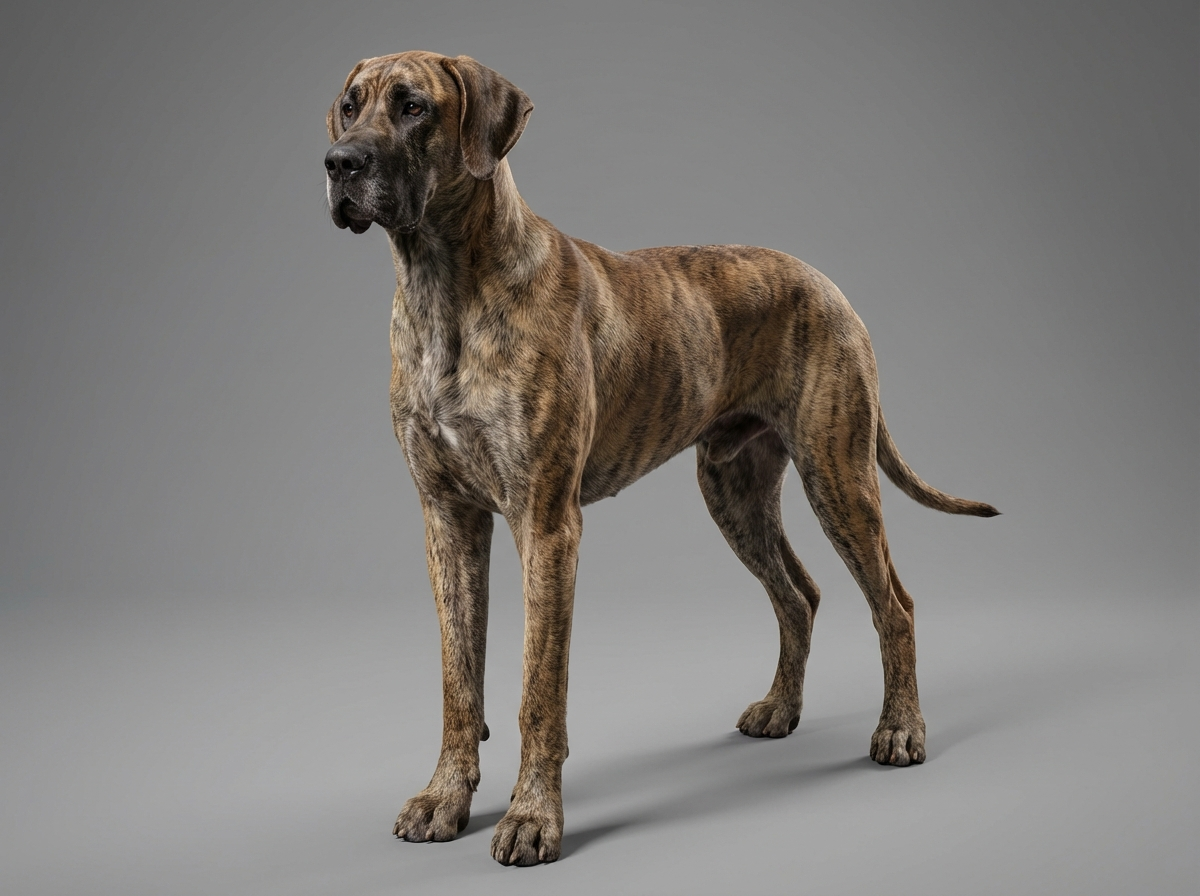
Behavior
What are some quick tips for Great Dane respiratory disease?
Maintain a healthy weight, avoid extreme temperatures, and ensure regular vet visits. Keep their environment clean and free from pollutants to support respiratory health.

Quick answer
What are some quick tips for Great Dane respiratory disease?
Maintain a healthy weight, avoid extreme temperatures, and ensure regular vet visits. Keep their environment clean and free from pollutants to support respiratory health.
Great Dane respiratory disease is a serious health concern that can significantly affect your dog's quality of life.
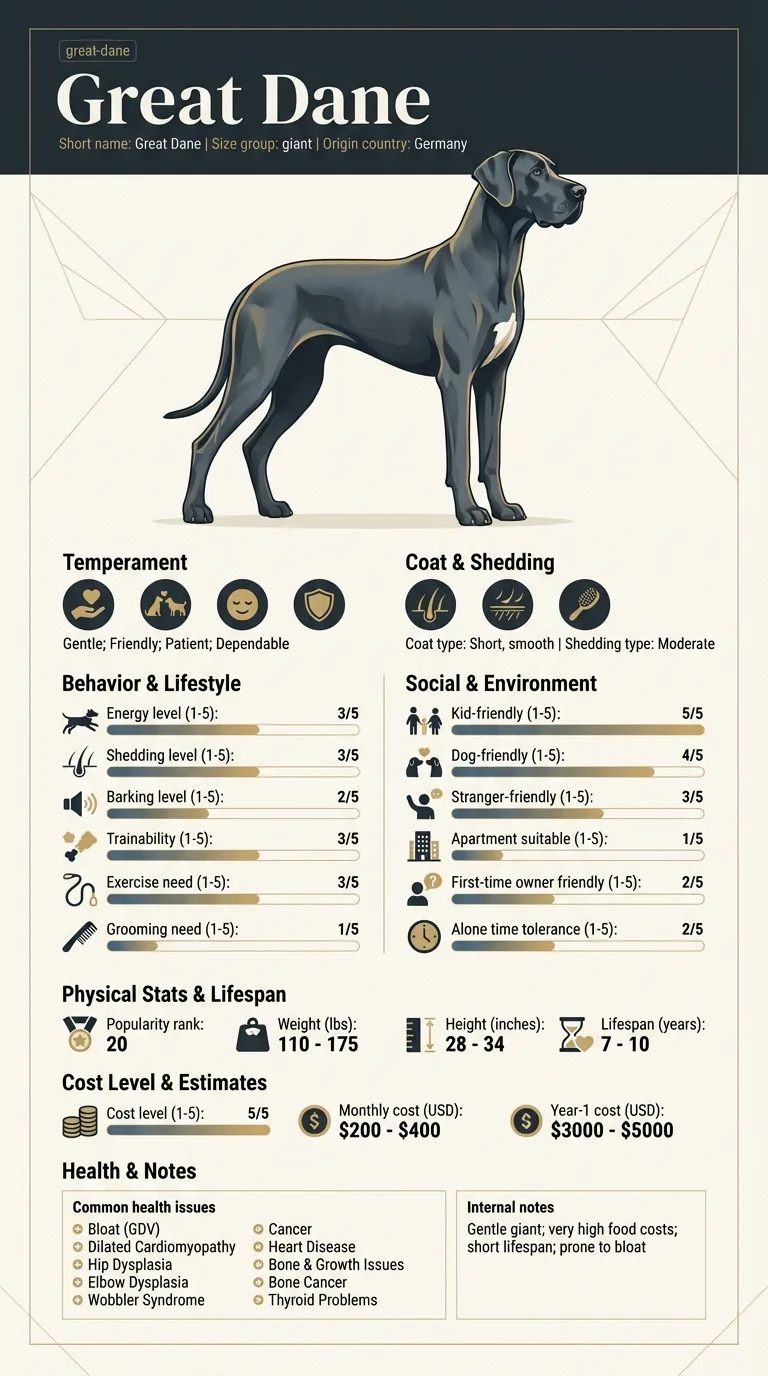
First-time Great Dane owners or those with busy lifestyles may struggle to recognize the signs of respiratory disease. This issue can be especially concerning for families who want to ensure their gentle giants remain healthy and active.
This guide is not medical advice. If your dog shows pain, sudden behavior change, or worsening symptoms, consult a licensed veterinarian.
Some links may be affiliate links. We may earn a commission at no extra cost to you. We only suggest products we believe are helpful for dog owners.
We research and check what we publish, but we do not warrant that any figure, date, price, or statement is accurate, complete, or current, and we accept no liability for any loss, cost, injury, or other harm arising from the use of this site. Use it as one reference among several. You remain responsible for your own decisions and for your dog's care - confirm anything that matters with a licensed veterinarian or another qualified professional before you act on it. Full disclaimer.
Check this first
Recognizing when Great Dane respiratory disease is an emergency can save your dog's life. If your Great Dane shows severe signs like excessive panting, blue-tinged gums, or struggles to breathe, you should call your vet immediately. Other red flags include coughing that doesn’t improve, lethargy, or if they seem distressed or in pain. These symptoms can indicate a serious condition that requires prompt medical attention.
On the other hand, mild symptoms like occasional coughing or slight wheezing can often be monitored at home. If your dog seems active, eating well, and isn’t displaying severe distress, you might consider a wait-and-see approach. Keep a close eye on their breathing patterns and behavior. If symptoms worsen or new signs appear, it’s time to consult your vet.
Always trust your instincts as a pet owner. If something feels off, don’t hesitate to reach out to a professional. Early detection is crucial for effective treatment of respiratory issues in Great Danes.
If any of these apply, call your vet or an emergency clinic now. The rest of this page is for the cases that are not an emergency.
Great Dane respiratory disease can manifest in various ways, such as difficulty breathing, coughing, or wheezing. These symptoms often worsen with physical exertion or during hot weather, putting a strain on your gentle giant. This breed is particularly vulnerable due to their size and unique anatomy, making respiratory issues more common than in smaller dogs.
Unfortunately, respiratory diseases are not uncommon in Great Danes. The breed faces a significantly higher risk of respiratory issues, estimated at 479% more than non-brachycephalic dogs. Many owners find that these problems can arise as early as a few years into their dog's life, making awareness and prevention essential.
Great Danes are giants with unique respiratory systems. Their large size makes them prone to respiratory diseases due to their anatomy. Issues like bloat and heart problems can further complicate their breathing.
Environmental factors like smoke, dust, and allergens can trigger respiratory issues. Living in humid climates or being overexposed to heat can also worsen their condition. Stress and lack of exercise can contribute to respiratory problems as well.
If you notice persistent coughing, wheezing, or labored breathing, contact your vet immediately. These could be signs of serious respiratory issues. Regular check-ups are also crucial for early detection of any potential health problems.
Avoiding these common mistakes can help improve your Great Dane's respiratory health.
Start here: Great Dane Most Common Genetic Disorders: What to Screen For
See all Great Dane health problems, which breeds are prone to respiratory disease, or the full Great Dane breed guide for temperament, exercise needs and ownership costs.
It typically takes 3 to 6 months to see significant improvements in managing Great Dane respiratory disease through consistent care and follow-up with your vet.
Success means your Great Dane shows reduced respiratory distress, improved exercise tolerance, and a better overall quality of life.
Sam, a first-time dog owner, noticed his Great Dane Bella was wheezing and had trouble keeping up during walks. After visiting the vet, he learned that Bella had a respiratory condition common in her breed. Realizing he needed to take action, Sam enrolled Bella in a specialized training program focused on respiratory disease management. He also made changes to her diet and exercise routine. Over the next few months, Bella became more active, and her breathing improved significantly. Sam learned the importance of regular vet visits and being aware of Bella's symptoms.
Key takeaway: Taking proactive steps and working closely with a vet can greatly improve a Great Dane's respiratory health.
Great Danes are more susceptible to respiratory diseases due to their size and anatomy. Their large bodies can put stress on their lungs and airways, leading to complications. Genetics, obesity, and environmental factors can also contribute to respiratory issues.
To prevent respiratory disease, ensure your Great Dane maintains a healthy weight and gets regular exercise. Avoid exposing them to extreme temperatures and pollutants. Regular veterinary check-ups can help catch any early signs of respiratory issues.
Common signs include coughing, wheezing, labored breathing, and lethargy. If your Great Dane is struggling to breathe or shows signs of distress, you should contact your veterinarian immediately. Early intervention can often prevent more serious complications.
Treatment options may include medication to reduce inflammation or improve breathing, and in severe cases, surgery might be necessary. Your veterinarian will recommend the best course of action based on your dog's specific condition. Always consult your vet before starting any treatment.
Training alone won’t cure respiratory disease, but it can help manage anxiety and stress that may exacerbate symptoms. Teaching your dog calm behaviors can reduce the likelihood of respiratory distress during stressful situations. Always combine training with medical advice for best results.
Yes, older Great Danes may be more prone to respiratory diseases due to age-related health issues. Regular check-ups can help catch any problems early.
You can create a comfortable environment with clean air and avoid allergens. Regular, gentle exercise and maintaining a healthy weight are also crucial.
Training should focus on calm, controlled behaviors to avoid stress and overexertion. Techniques like positive reinforcement can help keep your Great Dane relaxed.
If your Great Dane shows persistent coughing, difficulty breathing, or seems unusually tired, a vet visit is necessary. Early intervention can make a big difference.
Maintain a healthy weight, avoid extreme temperatures, and ensure regular vet visits. Keep their environment clean and free from pollutants to support respiratory health.
Managing respiratory disease can cost anywhere from $200 to $400 per month, including vet visits and medications. Initial treatments may be higher, depending on severity.
Yes, Great Danes are at a significantly higher risk for respiratory diseases compared to other breeds due to their size and anatomy. Regular check-ups are crucial.
If your Great Dane is wheezing, monitor their breathing and contact your veterinarian. They may need an evaluation to determine the cause and appropriate treatment.
A one-page prep sheet for this condition: the signs, the questions to ask, what to get priced. Unlocks here.
You get: Vet visit prep sheet
No spam. One-click unsubscribe. See our privacy policy.
Preview page 1 before you decide.