Behavior
What are some quick tips for Great Dane heat sensitivity?
Ensure your Great Dane has access to water and shade at all times. Limit outdoor activities during peak heat hours. Consider cooling mats or fans for indoor comfort.
Great Dane heat sensitivity is a critical issue for owners of this gentle giant. It can lead to serious health risks, including heatstroke.
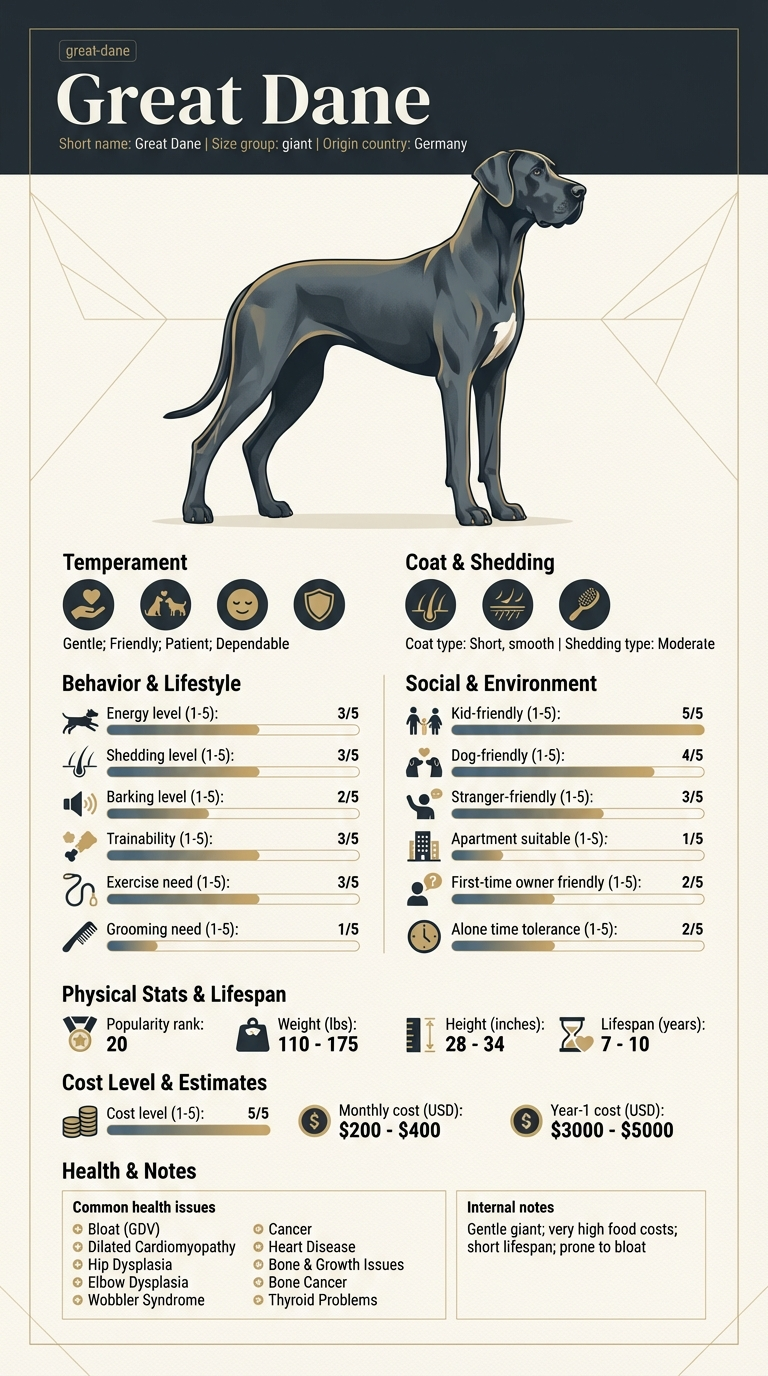
Owners living in warmer climates, those with busy lifestyles, or first-time dog parents often find managing heat sensitivity especially challenging. Understanding this issue is vital for ensuring your Great Dane's well-being.
This guide is not medical advice. If your dog shows pain, sudden behavior change, or worsening symptoms, consult a licensed veterinarian.
Some links may be affiliate links. We may earn a commission at no extra cost to you. We only suggest products we believe are helpful for dog owners.
Great Dane heat sensitivity can be a serious issue for these gentle giants. They struggle to tolerate high temperatures, which can lead to overheating and heatstroke. This problem often manifests as excessive panting, lethargy, or refusal to move, especially during hot days.
Heat sensitivity is quite common in Great Danes due to their large size and short coat. Owners should be aware of this risk, especially in warmer climates, to ensure their dog's safety and comfort.
Great Danes are giant dogs with a large body mass that can struggle to cool down efficiently. Their short coat offers little insulation against heat, making them more prone to overheating. Additionally, their size means they can be more sensitive to temperature changes compared to smaller breeds.
Heat sensitivity can also arise from environmental factors like high temperatures, humidity, and lack of shade. If a Great Dane is left outside in direct sunlight or in a hot, unventilated area, their risk of overheating increases significantly. Other factors, such as age and weight, can further exacerbate these issues.
If your Great Dane shows severe anxiety or distress during hot weather, consider consulting a dog trainer. They can help you work on desensitization techniques or specific training strategies to keep your dog calm during summer outings.
If your Great Dane frequently exhibits signs of heat sensitivity, talk to your vet. They can rule out any underlying health issues, such as obesity or heart problems, that may be contributing to their sensitivity. Always contact your vet if your dog shows signs of heatstroke, as this can be life-threatening.
Improving your Great Dane's heat sensitivity can take 1 to 3 months of consistent training and adjustments to their environment.
Success means your Great Dane can comfortably enjoy outdoor activities during cooler parts of the day and shows fewer signs of distress in warm weather.
Here are some common mistakes owners make that can worsen heat sensitivity in Great Danes. Understanding these can help you create a safer environment for your pet.
Call your vet immediately if your Great Dane shows any of these emergency signs: excessive panting, drooling, or lethargy. If your dog collapses, has a rapid heartbeat, or is unresponsive, these are serious signals of heatstroke. Other signs include vomiting or diarrhea, which can worsen dehydration.
On the other hand, if your Great Dane is simply panting heavily or seeking shade but is still alert and responsive, you can monitor them closely. Ensure they have access to fresh water and a cool area to rest. If they seem uncomfortable but not in distress, you can wait and see how they respond to cooling measures.
Keep in mind that Great Danes are particularly prone to heat sensitivity due to their size and short coat. Always err on the side of caution. If you’re ever in doubt, it's best to contact your vet for advice.
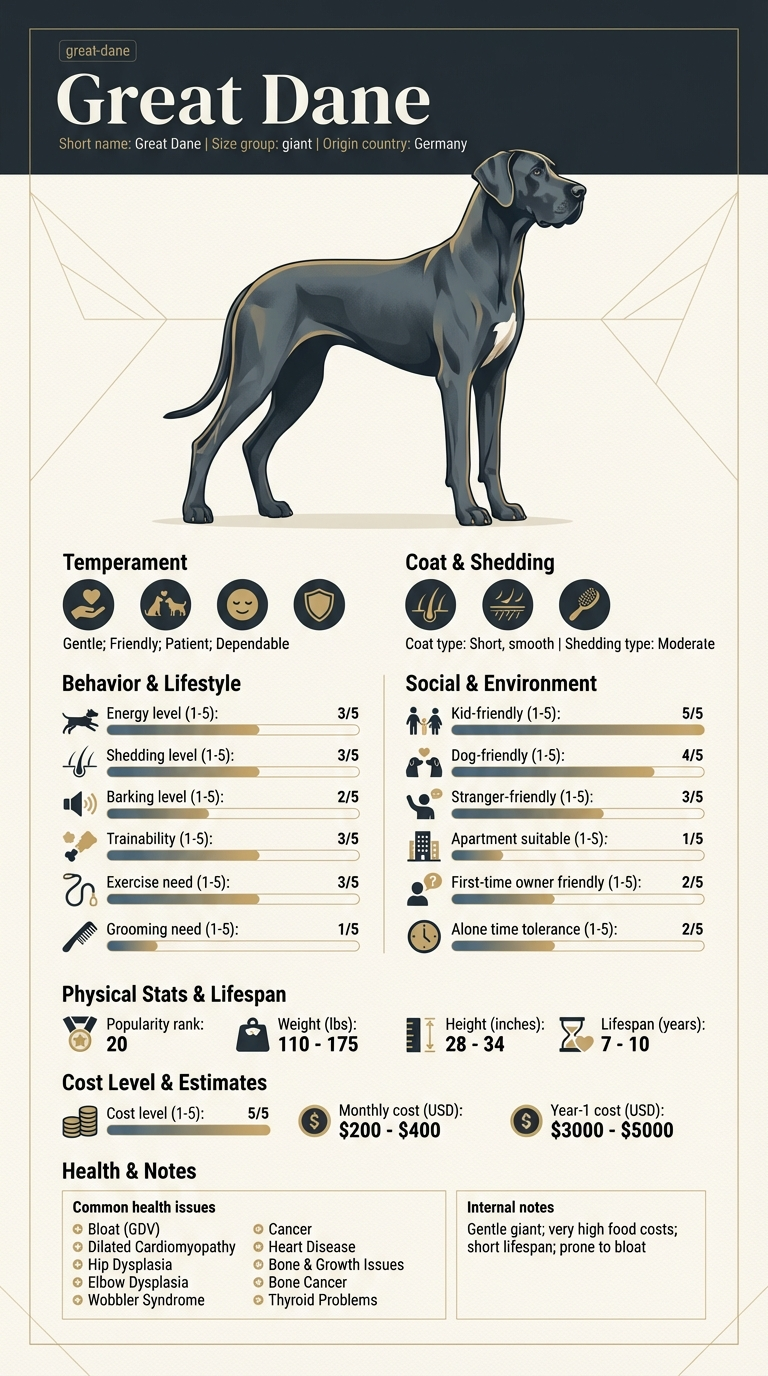
Maggie, a first-time Great Dane owner in Phoenix, noticed her dog, Duke, panting excessively during summer walks. Concerned about heat sensitivity, she learned about the risks of heatstroke for large breeds. Maggie implemented early morning and late evening walks, ensuring Duke was well-hydrated. She also invested in a cooling vest and created a shaded area in the backyard. Gradually, Duke became more comfortable in the heat, allowing them to enjoy longer outdoor sessions together.
Key takeaway: With the right adjustments and equipment, you can help your Great Dane adapt to warmer temperatures and keep them safe.
Great Danes have a short coat and large body size, which can make them more susceptible to heat. Their build means they struggle to cool down efficiently, increasing the risk of heatstroke in warm weather. It's important to monitor their behavior and provide a cool environment.
To help your Great Dane with heat sensitivity, provide plenty of fresh water and ensure they have a cool, shaded area to rest. Avoid excessive exercise during the hottest parts of the day, and consider using fans or air conditioning for indoor comfort. Regularly check for signs of overheating, like excessive panting.
If you suspect heatstroke, move your Great Dane to a cooler environment immediately. Offer them water and apply cool, wet cloths to their body. If their condition doesn't improve quickly, contact your veterinarian right away for further treatment.
Training your Great Dane to recognize their limits in heat can be helpful. Use positive reinforcement to encourage them to seek shade or water when it's hot. Gradually expose them to warmer temperatures while rewarding them for staying cool.
The best times to walk your Great Dane are early in the morning or later in the evening when temperatures are cooler. Avoid walks during peak heat hours, especially in the summer. Always keep an eye on their behavior to ensure they are comfortable.
If your Great Dane exhibits signs of heat sensitivity, such as excessive panting, drooling, or lethargy, it’s essential to cool them down immediately. Move them to a shaded or air-conditioned area, and offer water. If symptoms persist, consult a vet.
Yes, older Great Danes can be more susceptible to heat sensitivity due to age-related health issues. Their ability to regulate body temperature may decline, making them more vulnerable to heat-related problems. Always monitor older dogs closely during hot weather.
Great Danes have a large body mass, which can make it harder for them to dissipate heat. Additionally, their short coat offers little insulation against extreme temperatures. This combination makes them particularly prone to heat sensitivity and heatstroke.
While no specific breeds can counteract heat sensitivity, selecting a companion dog that can tolerate heat better may provide comfort. However, the focus should be on managing your Great Dane's environment and cooling strategies.
Training techniques for heat sensitivity include teaching your Great Dane to seek shade or cool areas when outdoors. Gradually acclimating them to warmer temperatures can also help. Always reward them for using these coping strategies.
Ensure your Great Dane has access to water and shade at all times. Limit outdoor activities during peak heat hours. Consider cooling mats or fans for indoor comfort.
Signs of heat stress include excessive panting, drooling, and lethargy. If you notice these symptoms, get your dog to a cooler place immediately.
It's not advisable to leave your Great Dane outside during hot weather without supervision. They need access to shade and water and should be brought inside if temperatures rise significantly.
You can train your Great Dane to recognize their limits in heat by using positive reinforcement. Gradual exposure to warmer temperatures can help, but always prioritize their comfort and safety.